No products in the cart.
I remember, a few months ago, sitting down with Dr. Nozer Sheriar, one of India’s most respected gynecologists, for a podcast episode.
We found ourselves talking about something that’s becoming far too common today:
Early puberty.
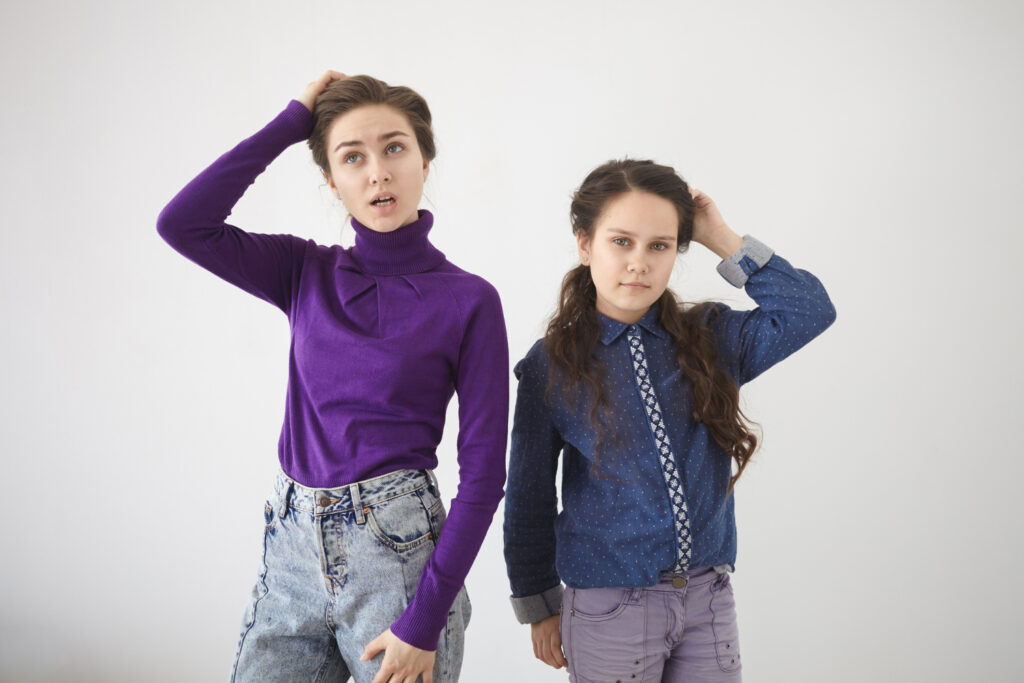
Image Source: Freepik
I asked him, “Why are so many young girls hitting puberty way before their time? Is it adulterated milk, processed food, sleep deprivation…or something more? And is it dangerous if it happens too early?”
And he said something that really made me pause.
“If a girl gets her first period before the age of 10—or starts showing signs like breast development or pubic hair before age 8—it’s called ‘precocious puberty.’ And yes, it comes with serious consequences.”
That surprised me.
Because we’ve normalized it, right? We think—“Oh, girls are just maturing faster these days.” But we don’t stop to ask why, or what this means for their mental health, their long-term hormonal health, and even things like growth, confidence, and emotional maturity.
So, I want to break this down for you.
This is one of the most important conversations we need to have as parents, caregivers, and educators. Let’s explore.
What is Early Puberty?
Let’s break this down simply.
Early puberty is when a child’s body starts going through physical and hormonal changes much sooner than it should.
- In girls, it’s defined as any signs of puberty before the age of 8
- In boys, it’s before the age of 9
Signs to Watch For:
- Breast development or pubic/underarm hair before 8
- Sudden growth spurts
- Body odor that smells more like a teenager’s
- Emotional mood swings
- And if a girl gets her first period (menarche) before age 10, that’s a clear indicator
Now here’s the thing, we’ve been seeing these signs more and more, and research is backing that up.
According to Global Data…
The average age of breast development in girls has been dropping by about 3 months per decade.
(Source: Sun Y, Liu H, et al. Early puberty: a review on its role as a risk factor for metabolic and mental disorders. Front Pediatr. 2024 Sep 12;12:1326864. doi: 10.3389/fped.2024.1326864. PMID: 39328587; PMCID: PMC11424421.)
That’s not just a number—it’s a shift in biology.

Image Source: Bigambo, F.M., Wang, D., Niu, Q. et al. The effect of environmental factors on precocious puberty in children: a case–control study. BMC Pediatr 23, 207 (2023). https://doi.org/10.1186/s12887-023-04013-1
This isn’t just Western countries…
Doctors in India have noticed that many girls are starting their first period as early as 8 or 9 years old, whereas their mothers typically began menstruating around 13 or 14.
(Source: Sumedha, Singh S, Pathak PK. Intergenerational transitions in age at menarche: insights from Chandauli district, Uttar Pradesh, India. BMC Womens Health. 2025 Jan 7;25(1):9. doi: 10.1186/s12905-024-03462-9. PMID: 39773444; PMCID: PMC11705782.)
- Especially during the pandemic years, when screen time shot up, sleep patterns were wrecked, and stress levels were high, even little kids began showing early signs of puberty.
- This isn’t just about the body changing; it’s about how fast it’s changing, and whether the child is emotionally, mentally, and socially ready for it. And most of the time, they aren’t.
I always tell parents: if puberty shows up too early, don’t panic—but don’t ignore it either. Awareness is the first step.
Causes of Early Puberty
We just spoke about what early puberty is. But the next question is—why is this happening? Why are so many children hitting puberty faster than ever before?
From what I’ve seen working with families over the years, and after speaking with experts like Dr. Nozer, I can confidently say this: early puberty is rarely just about one thing. It’s a multi-factorial issue—a combination of nutrition, environment, stress, sleep, and even emotional wellbeing.
Let’s look at some of the major causes of early puberty that we need to pay attention to:
Nutrition and Eating Habits
This is one of the top causes of early puberty.
Children today are consuming more refined sugar, processed snacks, hormone-treated meat, and dairy products than ever before.
- When cows are injected with hormones like estrogen to enhance milk production, traces of these hormones can pass into the milk your child drinks. Over time, this can disturb their hormonal balance.
- Ultra-processed foods, junk food, sugary drinks—these spike insulin and IGF-1 (Insulin-like Growth Factor 1), hormones that can kickstart early development.
We’ve worked with many young girls who showed signs of puberty, and when we helped them improve their food habits, the changes were remarkable.
Endocrine Disruptors in the Environment
There’s a category of chemicals called endocrine disruptors, and they’re everywhere.
These are substances that mimic or interfere with our natural hormones. They’re found in:
- Plastic bottles and food containers
- Packaged snacks
- Pesticide-laced produce
- Non-organic meat and dairy
- Even shampoos, lotions, and toys
They confuse the body’s messaging system and can trigger premature puberty in both boys and girls.
Start small—switch to glass over plastic, choose clean food, and use natural, chemical-free personal care products wherever possible.
Technology, Sleep & Lifestyle
This cause of early puberty is subtle but powerful.
When kids are exposed to screens—especially before bedtime—it lowers melatonin, the sleep hormone. But melatonin is more than just a sleep regulator. It has an indirect influence on sex hormones.
Add to this:
- Poor sleep schedule
- Sedentary habits
- Lack of outdoor play
- Artificial light late at night
All of this creates a perfect storm for hormonal imbalance.
Chronic Emotional Stress
This cause of early puberty is often overlooked.
But emotional stress, whether from academics, social comparison, peer pressure, or even family conflict, raises cortisol levels. And cortisol can influence the timing of puberty.
Children who are exposed to chronic stress or trauma—like divorce, bullying, or neglect—may experience faster pubertal development, especially girls.
As I always say, it’s not just about food or hormones. Emotions and environment shape our biology, too.
Genetics—But With a Twist
Yes, genes do play a role. If the mother had an early menarche, the daughter might too.
But remember—genes are not your destiny.
The environment and lifestyle can either accelerate or delay how these genes express themselves. This is the foundation of epigenetics.
Obesity and Body Fat Percentage
Studies show that higher body fat levels is one of the causes of early puberty, especially in girls. (Source: Kaplowitz PB. Link between body fat and the timing of puberty. Pediatrics. 2008 Feb;121 Suppl 3:S208-17. doi: 10.1542/peds.2007-1813F. PMID: 18245513.)
- Fat tissue produces leptin, a hormone that signals the brain it’s time for reproductive changes.
- When there’s too much leptin (because of excess fat), the brain receives those signals too early.
So, obesity isn’t just about weight—it’s directly linked to hormonal shifts that can kickstart puberty prematurely.
Increased Exposure to Synthetic Hormones and Pollutants
Aside from food and packaging, pollutants from traffic, industrial waste, and even non-stick cookware (like Teflon) contain substances that act like xenoestrogens—foreign compounds that mimic estrogen.
These chemicals build up silently over time and disrupt natural hormone regulation in growing children.
The bottom line?
Early puberty isn’t just a medical issue—it’s a lifestyle and environment issue. The good news is that many of these triggers are modifiable.
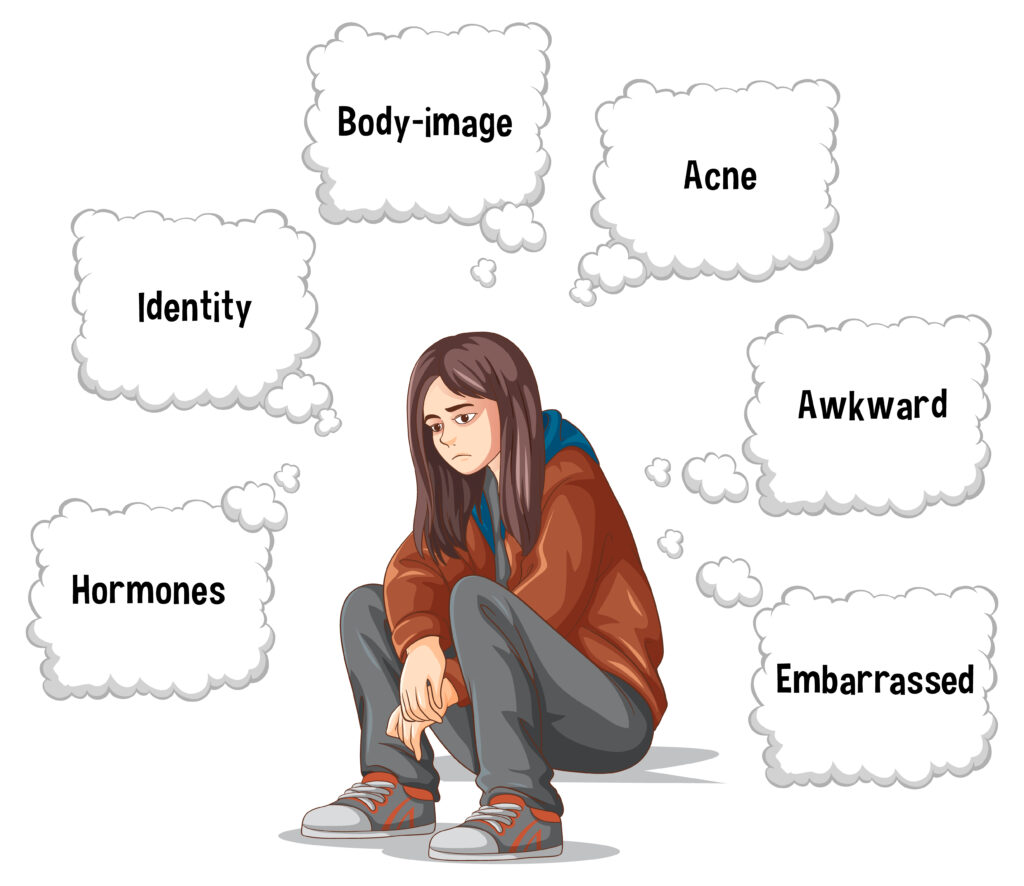
Image Source: Freepik
Physical & Mental Health Risks of Early Puberty
Now here’s something I want every parent, teacher, and even child to know—early puberty isn’t just about the body changing too soon. It’s much deeper than that. It affects a child’s physical and mental health in the long term.
Let’s break it down.
Physical Health Risks of Early Puberty
Early hormonal shifts don’t just make children grow faster. They can actually cut their growth short.
- Bones mature too early, leading to a shorter final adult height.
- There’s an increased risk of obesity, insulin resistance, and in girls, PCOS (Polycystic Ovary Syndrome).
- There’s also a link between early puberty and early-onset type 2 diabetes and cardiovascular issues in adulthood.
- Menstrual irregularities and hormonal imbalances can follow for years.
Early Puberty and Mental Health Risks
This is what worries me even more.
When a child hits puberty years before their peers, they often feel like something’s ‘wrong’ with them. And unfortunately, we live in a world quick to judge, tease, or isolate what it doesn’t understand.
- Anxiety, low self-esteem, and emotional instability are common.
- They may feel confused or ashamed about their developing bodies.
- They’re facing adult-like physical changes, but with a child’s brain and coping mechanisms. That’s a tough place to be.
Dr. Nozer said something during our podcast that stuck with me:
“When puberty happens too early, the child is biologically ahead of their peers. That can affect self-image, social interaction, and emotional resilience.”
So it’s not just about growth spurts and hormones—early puberty can shape a child’s social life, mental health, and even their confidence as an adult.
And that’s why this conversation matters.
How to Prevent Early Puberty: Lifestyle Steps That Matter
Let me say this upfront—parents aren’t powerless.
If you’ve been wondering how to prevent early puberty in your child, know this: you don’t need to rely only on medical interventions. Your everyday choices as a parent have power.
Here’s what I guide a lot of my clients to focus on:
Balanced Nutrition
When it comes to how to prevent early puberty, nutrition is your first line of defense.
- Focus on whole, unprocessed foods—fruits, veggies, lentils, nuts, seeds.
- Cut down on refined sugars, junk food, and especially hormone-injected meats and dairy.
- Add more fiber-rich foods like flaxseeds, leafy greens, and whole grains to support natural estrogen cleansing via the gut and liver.
Environmental Clean-Up
We live in a toxic soup today—chemicals are everywhere.
- Stop microwaving food in plastic. Use glass or stainless steel instead.
- Store water and food safely.
- Choose natural cleaning agents and personal care products—because yes, shampoos and lotions can mess with hormones too.
Daily Movement & Quality Sleep
Another underrated answer to how to prevent early puberty: movement and sleep.
- Kids need at least 45–60 minutes of movement every day—walking, playing, dancing, or yoga.
- Prioritize 8–10 hours of quality sleep, especially during growth phases.
- And yes, screens off one hour before bed. It’s one of the simplest ways to support natural melatonin and hormone production.
Emotional Support & Stress Management
Sometimes, the root of early puberty isn’t just physical. It’s emotional.
- Create a safe space for emotional expression.
- Don’t ignore signs of stress or mood swings—address them gently.
- Teach your child mindfulness, journaling, or simple breathwork. These aren’t just soft tools—they’re powerful regulators of the nervous system and hormones.
Family Wellness Protocol
There’s no one-size-fits-all formula on how to prevent early puberty.
What works for one may not work for another. That’s why I always say—an integrative approach is key. We’ve worked with families where just a few tweaks to nutrition, emotional support, and environment created a ripple effect.

Image Source: Freepik
If You’re a Parent Reading This…
Don’t panic. Prevention is possible.
You don’t need to overhaul your life overnight, but begin with awareness and small changes.
Your home, your food choices, and your daily habits all send signals to your child’s body.
And when those signals are clean, kind, and natural, the body responds with balance.
Let’s raise our kids with wisdom, not fear.
A Quick Summary: Causes, Risks & How to Prevent Early Puberty
| Aspect | Details |
| Causes of Early Puberty | – Processed and hormone-injected foods (dairy, meat) – Refined sugar, junk food – Environmental toxins (plastics, chemicals) – Childhood obesity – Lack of physical activity – Poor sleep hygiene – Chronic stress and emotional neglect |
| Health Risks | – Early sexual development – Anxiety, depression, low self-esteem – Poor body image and emotional immaturity – Increased risk of PCOS, type 2 diabetes, and hormone-related cancers later in life |
| How to Prevent Early Puberty | – Whole-food nutrition: fruits, veggies, lentils, nuts – Avoid packaged foods, hormone-loaded dairy/meat – Ditch plastic containers; use glass/stainless steel – Use natural personal care & cleaning products – Daily exercise (45–60 mins) and 8–10 hrs sleep – Limit screen time before bed – Emotional support: journaling, breathwork, open communication – Personalized wellness protocols guided by experts |
The Last Word
Early puberty is not just a phase—it’s the body’s way of saying something’s out of sync. But the good news is: you can take charge.
Instead of rushing into fear or medications, step back and reflect.
Are we supporting our child’s lifestyle habits?
I’ve seen incredible turnarounds in families that simply got back to the basics—clean eating, restful sleep, movement, and honest emotional support.
If you’re wondering how to prevent early puberty, start there.
Start simple. Start small. But start today!
Frequently Asked Questions
What causes early puberty in kids today?
Early puberty in kids is often triggered by poor nutrition, obesity, stress, hormonal imbalances, and exposure to endocrine disruptors found in plastics and chemicals. These factors disturb the natural growth rhythm, making puberty occur earlier. Identifying these triggers is key to learning how to prevent early puberty effectively.
How can parents prevent early puberty naturally?
To prevent early puberty, encourage whole foods, daily movement, stress management, toxin-free living, and quality sleep. Limit packaged, hormone-injected foods and screen time. These lifestyle shifts support hormonal balance and reduce early puberty health risks without medication—focusing on long-term prevention rather than short-term fixes.
Are there mental health risks linked to early puberty?
Yes. Early puberty and mental health are deeply connected. Children who mature early may face anxiety, low self-esteem, or peer pressure. Their emotional development doesn’t always match their physical changes, which can lead to confusion or social withdrawal. Emotional support and mindfulness practices can help manage these challenges.
Is early puberty in girls more common than in boys?
Yes. Studies and observations, including Indian doctors’ findings, show early puberty in girls is increasingly common—sometimes starting as young as 8 or 9. This trend is linked to lifestyle and environmental factors. Knowing how to prevent early puberty can help protect both physical and emotional well-being in girls.
What foods should children avoid to reduce early puberty risk?
To reduce the risk of early puberty in kids, avoid ultra-processed foods, refined sugars, and hormone-loaded dairy or meats. These disrupt hormonal balance. Instead, opt for a fiber-rich, whole-foods that supports estrogen cleansing. Balanced nutrition is a powerful tool in how to prevent early puberty naturally.
Worried your child is growing up too fast—physically or emotionally?
You’re not alone.
We’re here to help YOU find a way.
Set up a one-on-one consultation with our integrative team for personalized solutions.
Reach out to us at 1800 102 0253 or write to us at [email protected].