
I’ve worked with so many people over the years who didn’t even know they had high blood pressure or hypertension—until one routine check-up changed everything. That’s the tricky thing about it: it doesn’t always come with warning signs. But left unchecked, it can quietly strain your heart, kidneys, brain, and overall quality of life.
The good news? You’re not powerless. You don’t need a complicated diet or a shelf full of supplements. You just need the right awareness, consistent eating habits, and a gentle but honest look at how your lifestyle might be influencing your numbers.
This piece isn’t about fear—it’s about clarity. We’ll look at common foods that can quietly push blood pressure up, and the nourishing ones that support balance and healing at a cellular level. Whether you’re managing high BP now or looking to prevent it, know this: your body is responsive. And with a few thoughtful shifts, it’s possible to feel stronger, more stable, and more in control.
Let’s start with the basics.
What Is Blood Pressure? Understanding the Basics
Blood pressure is simply the force of your blood pushing against the walls of your arteries. It’s measured with two numbers—systolic (the top number) and diastolic (the bottom number). One measures the pressure when your heart beats, and the other when it rests between beats.
It’s a basic function, but when the pressure stays elevated over time, it starts to wear your system down. High blood pressure—also known as hypertension—can silently damage your blood vessels, heart, kidneys, and even your brain. That’s why it’s often called the silent ailment. Most people don’t feel it until something goes wrong.
But here’s the hopeful part: blood pressure is deeply responsive to lifestyle. Your nutrition, eating habits, movement, sleep, emotional health, and even how you breathe—all of it plays a role.
What Do Blood Pressure Numbers Mean?
| Category | Systolic (Top Number) | Diastolic (Bottom Number) | What It Means |
| Normal | Less than 120 | Less than 80 | Ideal range. Keep it steady. |
| Elevated | 120–129 | Less than 80 | Early warning sign. Time to pay attention. |
| High (Stage 1) | 130–139 | 80–89 | Increased risk. Lifestyle changes are needed. |
| High (Stage 2) | 140 or higher | 90 or higher | Serious risk. Medical support required. |
| Hypertensive Crisis | Over 180 | Over 120 | Emergency. Immediate medical help is needed. |
| Low Blood Pressure (Hypotension) | Below 90 | Below 60 | It can cause dizziness, fatigue, or fainting. |
Some foods increase blood pressure without us even realising it—especially when they become daily habits. On the other hand, certain healthy foods for high blood pressure, like leafy greens, lentils, and citrus fruits, can support your body’s natural ability to regulate and repair.
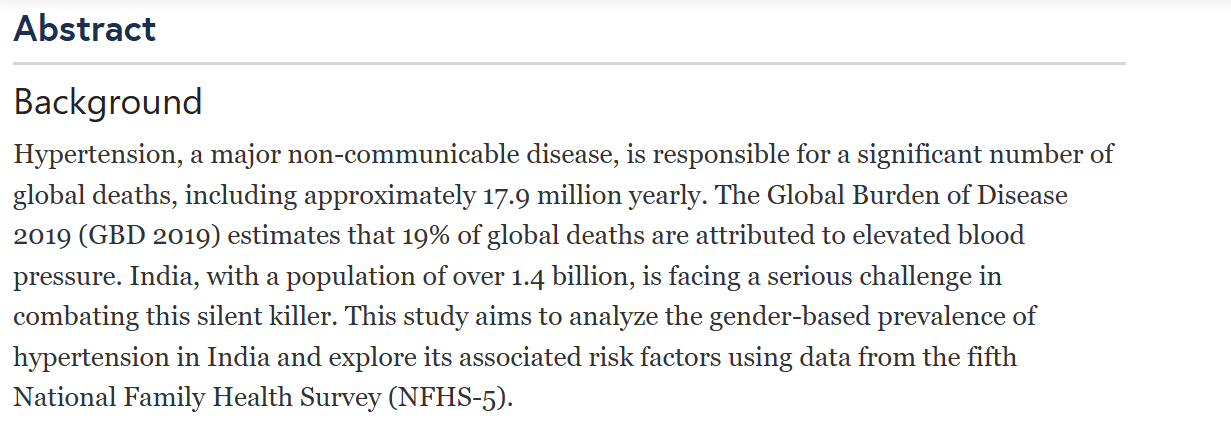
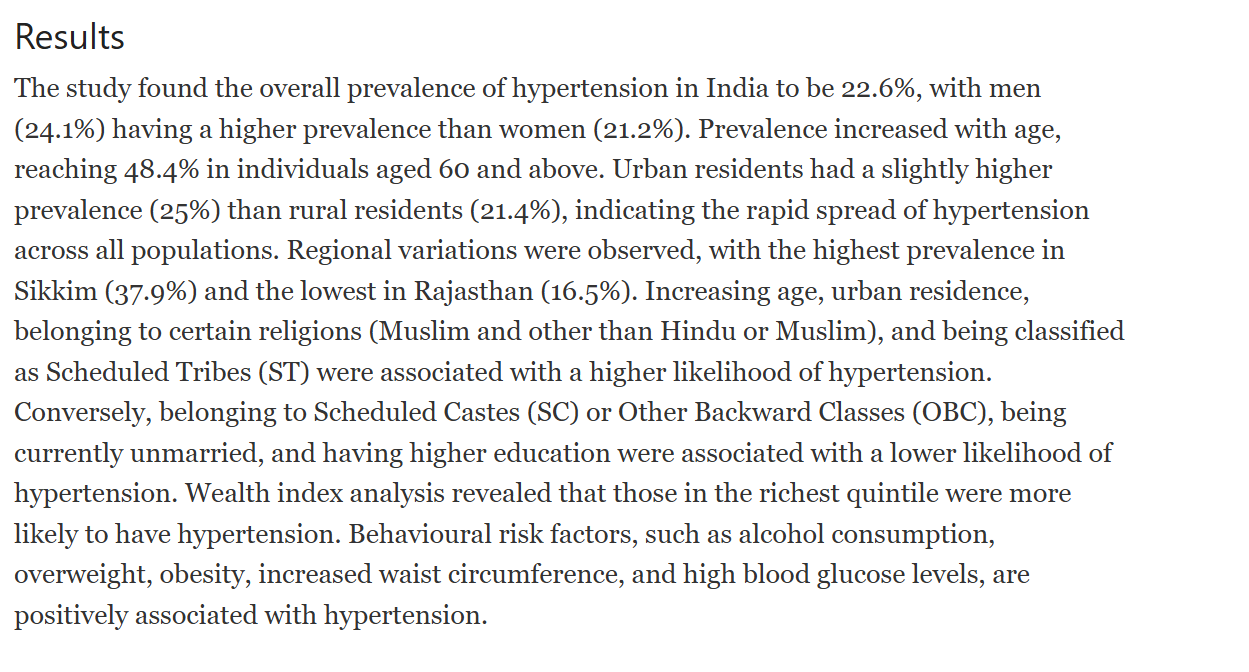
How Common Is High Blood Pressure? (India + Global)
- According to the World Health Organization, 1 in 3 adults globally has high blood pressure.
- In India, the ICMR-India Hypertension Control Initiative estimates:
- 29% of men and 27% of women above age 18 have high blood pressure.
- Among adults aged 45 and above, the prevalence increases to 40–45%.
- Urban areas see higher rates due to stress, processed foods, and sedentary lifestyles.
- A study published in The Lancet found that nearly 63% of total deaths in India from cardiovascular causes are directly linked to unmanaged hypertension.
Common Symptoms of High vs. Low Blood Pressure
| High Blood Pressure (Hypertension) | Low Blood Pressure (Hypotension) |
| Headaches (especially at the back of the head) | Dizziness or lightheadedness |
| Palpitations or irregular heartbeat | Fainting or feeling faint |
| Nosebleeds (in some cases) | Blurred vision |
| Fatigue or low energy | Nausea or cold, clammy skin |
| Breathlessness or chest discomfort (in severe cases) | Difficulty concentrating |
So Why Is This Important?
Because blood pressure often doesn’t show symptoms until damage has already begun—targeting your heart, kidneys, brain, and eyes. But the good news is: it’s responsive.
Lifestyle changes—particularly through balanced eating habits, emotional wellness, and consistent movement—can help regulate blood pressure naturally.
A large-scale study in the Journal of the American College of Cardiology (2017) found that diets rich in potassium, magnesium, fiber, and low in processed salt reduced both systolic and diastolic numbers significantly.
And that’s what we’ll focus on: foods that increase blood pressure, healthy food for high blood pressure, and what it really means to support your body—not restrict it.
This isn’t about being perfect. It’s about learning what helps, what doesn’t, and choosing more of the former—one small shift at a time.
Let’s explore what might be raising your BP without you even realizing it.
Foods That May Increase Blood Pressure: What to Watch Out For
When we think of high blood pressure, the first thing most people blame is salt. But the truth is—it’s not just the salt you sprinkle on your food. It’s the hidden salt, sugar, fats, and chemicals in everyday packaged items that quietly raise pressure over time.
Let’s look at some common foods that increase blood pressure—and why they do.
- Excess Sodium from Processed Foods
Most of the sodium we consume doesn’t come from the salt shaker. It comes from:
- Packaged snacks (chips, crackers)
- Canned soups and sauces
- Pickles and chutneys
- Frozen meals and takeaways
- Restaurant food (especially gravies, Chinese, fast food)
Too much sodium pulls water into your blood vessels, increasing volume and pressure. Over time, this can strain the heart and kidneys, even in otherwise healthy individuals.
- Processed Meats
Cold cuts, sausages, bacon, and ham are high in both sodium and preservatives like nitrates. These not only elevate BP but also increase inflammation and oxidative stress in the blood vessels.
- Foods High in Unhealthy Fats
Fried foods, overused cooking oils, and industrially processed snacks can stiffen arteries and impair blood flow. This increases vascular resistance—forcing the heart to pump harder, raising pressure over time.
- Sugary Foods and Refined Carbs
Pastries, white bread, sweets, soft drinks, and even some low-fat products contain hidden sugars. These spike insulin, contribute to weight gain, and trigger inflammation, all of which contribute to rising blood pressure.
Studies show that diets high in sugar can lead to increased systolic and diastolic pressure—even in people with no prior history of hypertension.
5. Bonus: Packaged Foods to Watch
Be wary of foods labeled and marketed as low-fat, baked, or multigrain. Many of them still contain high levels of sodium, preservatives, or added sugars. Always read the label, even on items that seem healthy.
This Isn’t About Elimination—It’s About Awareness
You don’t need to panic over a handful of chips or a celebratory sweet. What matters is consistency and awareness. If these foods have crept into your daily rhythm, it’s time to gently retrain those eating habits.
Start by noticing—not judging. What foods are showing up in your routine more often than they should? Are they helping your body maintain rhythm, or adding pressure it doesn’t need?
Let’s take a look at some simple, nourishing swaps and healthy food for high blood pressure that support balance at the cellular level—and still taste good.
Foods That Help Manage Blood Pressure: Building a Balanced Nutrition Plan
When it comes to blood pressure, nutrition isn’t just about what you remove—it’s about what you add back in. Real, whole foods support your body’s rhythm and help restore balance at a cellular level. They don’t just fill your plate—they nourish your vessels, calm inflammation, and help regulate the sodium-potassium balance that keeps blood pressure in check.
Here are some of the most supportive foods to begin including regularly:
- Leafy greens like spinach, amaranth (chaulai), fenugreek, and coriander are rich in potassium and magnesium—two minerals that help your kidneys flush out excess sodium.
- Beetroot contains natural nitrates that support blood vessel dilation and improve circulation.
- Berries, especially blueberries and strawberries, are rich in antioxidants that protect artery walls from oxidative stress.
- Whole grains like oats, brown rice, and quinoa help regulate blood sugar and support sustained energy, easing the pressure on your cardiovascular system.
- Nuts and seeds (unsalted) offer healthy fats and magnesium; just a handful a day can support vascular function.
- Lentils and legumes, staples in many Indian kitchens, are fantastic for supporting vascular elasticity and reducing arterial stiffness.
- Fatty fish, like salmon or mackerel (2–3 times a week), are loaded with omega-3 fatty acids, which support heart rhythm and reduce inflammation.
- Citrus fruits like oranges, lemons, and mosambi are rich in vitamin C and potassium—great for keeping blood vessels soft and supple.
| 🥗 Try this daily rhythm: Morning (post breakfast): Warm water with lemon and raw honey Afternoon: A bowl of sautéed greens and wholesome dal Evening: Whole grain or millet khichdi with steamed vegetables |
This isn’t about restrictive eating. It’s about deep cellular nutrition—fueling your body in a way that supports repair and regulation. That means mindful chewing, balanced portions, and reducing heavy, late-night meals that strain digestion and sleep.
Nutrition Strategies & Protocols for Healthy Blood Pressure
One thing we’ve learned through years of experience is that there’s no single blood pressure food plan that fits everyone. What works for one body may not work for another. That’s why it’s essential to create a personalized nutrition path that matches your lifestyle, preferences, and condition.
Let’s clear up the salt confusion first. For most people, it’s not the pinch of salt in home-cooked food that’s the problem—it’s the hidden salt in restaurant and processed meals. These sources often tip the balance without us realizing it.
What we focus on instead is potassium-rich foods—like spinach, bananas, citrus fruits, sweet potatoes—which naturally help the body flush out excess sodium and maintain fluid balance.
To retrain eating habits, we often recommend:
- Mindful eating: Chewing slowly, eating without screens, tuning into fullness
- Reducing dependence on processed food: Replacing one packet with one real food item at a time
- Regular meal timing: Irregular eating spikes blood pressure and hormones unnecessarily
For those who enjoy natural remedies, hibiscus tea is often suggested for its blood pressure-lowering properties. But please speak with your doctor—if you’re already on medication, it could lower pressure too much.
| A Note on Medications
If you’ve been prescribed medication for high blood pressure, please continue taking it exactly as advised by your doctor. Nothing in this blog replaces medical treatment. The foods, habits, and lifestyle suggestions shared here are meant to support your healing—not substitute clinical care. In fact, holistic practices like deep breathing, balanced nutrition, movement, and emotional regulation can work beautifully alongside your treatment plan. Over time, as your body responds, your doctor may reassess your medication needs—but that’s a decision to be made together, not alone. Your medication is part of your journey. So is your lifestyle. And both deserve your consistency and trust. |
Ultimately, the goal isn’t short-term fixes. It’s about creating sustainable protocols that support your body’s natural rhythm—so it can do what it’s designed to do: regulate, repair, and thrive.
Beyond Food: Lifestyle Habits for Blood Pressure Management
Food is foundational—but it’s not the only part of the picture. Over the years, I’ve seen that blood pressure responds just as much to what you feel, how you move, how you breathe, and how you rest, as it does to what’s on your plate.
Here are some of the lifestyle habits that work hand-in-hand with healthy food for high blood pressure:
- Breathwork and deep breathing: Just 5–10 minutes of slow, diaphragmatic breathing a day can shift your body from fight or flight to rest and repair. This alone can bring down blood pressure by 10–30 points. Your breath is a built-in medicine—use it.
- Emotional wellness: Suppressed emotions—like anger, resentment, fear—don’t just stay in the mind. They show up in the body. Meditation, journaling, prayer, therapy, and honest conversations all help reduce the inner tension that raises blood pressure.
- Movement (not extremes): Regular walking, gentle strength training, yoga, or cycling improves vascular flexibility and heart function. But overtraining, especially without rest, can spike your BP. The key is balance—move with awareness.
- Sleep quality: Poor or inconsistent sleep raises cortisol and directly affects blood pressure. Try to sleep and wake at the same time daily, avoid late dinners, and make your bedroom a calm, cool space.
- Time in nature: Forests, gardens, parks—nature has a calming effect on the nervous system. Even 20 minutes outside can lower stress hormones and soften pressure on the heart.
Remember, your nervous system is the remote control for your blood pressure. With consistency—not perfection—you can teach it to relax, regulate, and protect you from the inside out.
Final Word: Taking Charge of Your Blood Pressure
There’s no one-size-fits-all solution to high blood pressure. But there is one truth I’ve seen across thousands of journeys: small, consistent changes can have powerful ripple effects. You don’t need to give up everything or overhaul your life overnight. You simply need to start—one meal, one breath, one habit at a time.
Nutrition is not punishment—it’s your body’s first line of support. When you choose whole foods, listen to your internal rhythms, and work with your body instead of against it, blood pressure becomes something you can understand, support, and manage—not fear.
So ask yourself:
What’s one processed food I can replace this week?
Can I step out for a 20-minute walk today?
If you’re navigating blood pressure, or supporting a loved one who is, remember, you’re not alone. You deserve a plan that works for you, not just another list of restrictions.
Take the first step toward steady, healthy blood pressure
Managing blood pressure isn’t about fear—it’s about awareness, consistency, and giving your body what it truly needs.
If you’re ready to explore a personalized food and lifestyle plan that works with your body (and your medication), we’re here to help.
Book a one-on-one consultation with our integrative experts
Join our wellness program designed to support blood pressure, heart health, and emotional well-being—naturally and sustainably
📞 Call us at 1800 102 0253 📧 Email us at consults@lukecoutinho.com
Disclaimer: This blog is for informational purposes only. It is not a substitute for medical diagnosis or treatment. Please consult your healthcare provider before making changes to your medication, nutrition, or lifestyle—especially if you are managing high or low blood pressure. All recommendations here are meant to support your doctor’s advice, not replace it.

Start Your Wellness Journey
Feeling inspired to take the next step in your wellness journey? Connect with us to explore how our tailored programs can support your health journey. Your transformation is just a conversation away.