
Do you feel breathless after climbing a few stairs, talking for too long, or doing light chores? Or are you living with persistent bouts of coughing and fatigue that you’ve attributed to erratic weather, poor immunity, and other factors?
Many people dismiss these early signs as simple fatigue, lack of fitness, or the natural effects of aging. But sometimes, they point to something deeper happening within the lungs. This is why taking a deeper look at your symptoms is of paramount importance.
Chronic Obstructive Pulmonary Disease, or COPD, is a progressive lung condition that develops slowly, often over years, until one day, breathing doesn’t feel as effortless as it once did. What makes COPD tricky is that its early signs, like shortness of breath, fatigue, and persistent cough, can be mistaken for mild or routine experiences.
As a result, most people notice it only when their daily activities start feeling harder than before.
In over 14 years of our work with patients across the globe and demographies, we’ve observed how understanding an ailment is the key to finding the root cause for many. Hence, we always believe in educating, not influencing. Today, let’s talk about the symptoms of Chronic Obstructive Pulmonary Disease (COPD), its causes, stages, complications, and how simple, consistent lifestyle management can help you breathe easier and live better.
What Is Chronic Obstructive Pulmonary Disease (COPD)?
Chronic Obstructive Pulmonary Disease (COPD) is a long-term, progressive condition that makes it difficult to breathe by causing inflammation, obstruction, and irreversible damage to the airways and tiny air sacs (alveoli) in the lungs. It’s not just one disease — COPD typically includes chronic bronchitis and emphysema, both of which compromise lung function over time.
In healthy lungs, air moves freely through the bronchial tubes and into the alveoli — tiny balloon-like structures that expand and contract with each breath, allowing for efficient oxygen exchange. But in COPD lungs, the bronchial tubes become narrowed and inflamed, often clogged with thick mucus. The alveoli walls break down and lose elasticity, reducing surface area and trapping air inside the lungs. This makes every breath feel harder and less effective.

Key differences between COPD lungs vs healthy lungs include:
- Restricted airflow due to inflamed or collapsed airways
- Excessive mucus production
- Damaged, overinflated alveoli that cannot expel air effectively
Who’s at risk?
According to the World Health Organization, COPD is the third leading cause of death globally, claiming over 3.2 million lives each year. It affects more than 200 million people worldwide, with higher incidence in low- and middle-income countries, often due to higher exposure to air pollution, biomass fuels, poor occupational conditions, and limited healthcare access.
Although smoking remains the most common trigger, non-smokers can develop COPD too — particularly people exposed to indoor pollution (e.g., cooking fumes), occupational dust, or living in high-PM2.5 urban zones.
COPD typically affects adults over the age of 40, but earlier onset is increasingly observed in vulnerable populations with prolonged exposure to environmental toxins.
To help you understand the impact on your lungs, here’s an illustration of normal and healthy lungs, with lungs afflicted by COPD.

Early education about what COPD really looks like — and how it differs from regular aging or a seasonal infection — is critical to ensure timely action and better outcomes.
Causes of Chronic Obstructive Pulmonary Disease (COPD): More Than Just Smoking
When we think about what causes COPD, smoking often takes center stage — and rightfully so. But in our years of work with lung health and air pollution research, we’ve seen that smoking is only one piece of a much larger puzzle. Millions of people who have never smoked still develop COPD due to the environment they live and work in.
Primary Causes of Chronic Obstructive Pulmonary Disease (COPD)
Smoking (Active and Passive)
Tobacco smoke irritates and inflames the airways, damaging the alveoli and reducing lung elasticity. Studies estimate that nearly 85–90% of COPD cases are linked to tobacco use, but that still leaves a significant number of non-smokers affected. Secondhand smoke — especially in households — increases COPD risk by up to 50%, particularly among women and the elderly.

Air Pollution and Environmental Exposure
Long-term exposure to outdoor and indoor pollutants is now recognized as a major cause of COPD worldwide. Urban residents in India, China, and Southeast Asia are particularly vulnerable due to rising PM2.5 levels and vehicular emissions.
Our internal meta-analysis, Air Pollution Crisis and Its Effects on Public Health in India: A Comprehensive Study (September 2025), found a significant association between PM2.5 exposure and lung cancer incidence — an important marker since both COPD and lung cancer share inflammatory pathways. Another India-specific predictive model showed a strong correlation between high AQI and lung-related mortality.

In short, when the air you breathe is toxic, your lungs are constantly under attack. Over the years, this chronic inflammation can contribute to the development of COPD even in non-smokers.
Occupational Hazards
People working in mining, construction, manufacturing, or agriculture are exposed daily to silica dust, industrial smoke, and chemical fumes. Without proper ventilation or protective equipment, these particles enter the lungs and cause irreversible scarring over time — a leading occupational cause of COPD.
Lesser-Known but Significant Factors
- Genetic Predisposition (Alpha-1 Antitrypsin Deficiency)
This inherited condition reduces a key protein that protects lung tissue from inflammation. Even without smoking or pollution exposure, individuals with this deficiency can develop COPD at a young age. - Early-Life and Secondary Triggers
Recurrent childhood infections, low birth weight, or poor lung development can reduce lifelong respiratory capacity, predisposing individuals to COPD later in life.
Explained At a Glance: Primary vs. Secondary Causes of COPD
| Category | Cause | Description |
| Primary Causes | Smoking (active/passive) | Damages airways and alveoli, leading to chronic inflammation |
| Air pollution | PM2.5, vehicle exhaust, biomass smoke, industrial emissions | |
| Occupational hazards | Dust, fumes, and chemicals in mining, textiles, and construction | |
| Secondary Causes | Genetic factors (Alpha-1 Antitrypsin Deficiency) | Inherited lack of protective lung proteins |
| Repeated respiratory infections | Early-life infections reduce lung resilience and function |
Air pollution is no longer just an environmental issue — it’s a public health crisis contributing to COPD, asthma, and cancer.
View this post on Instagram
Symptoms of Chronic Obstructive Pulmonary Disease (COPD) You Shouldn’t Ignore
If you’ve been chalking up your breathlessness to ‘just getting older’ or blaming your morning cough on the weather, it might be time to look deeper. The symptoms of Chronic Obstructive Pulmonary Disease (COPD) often creep in so gradually that many people miss the early warning signs. But catching them early can make a significant difference in long-term lung health.
Early and Common Symptoms
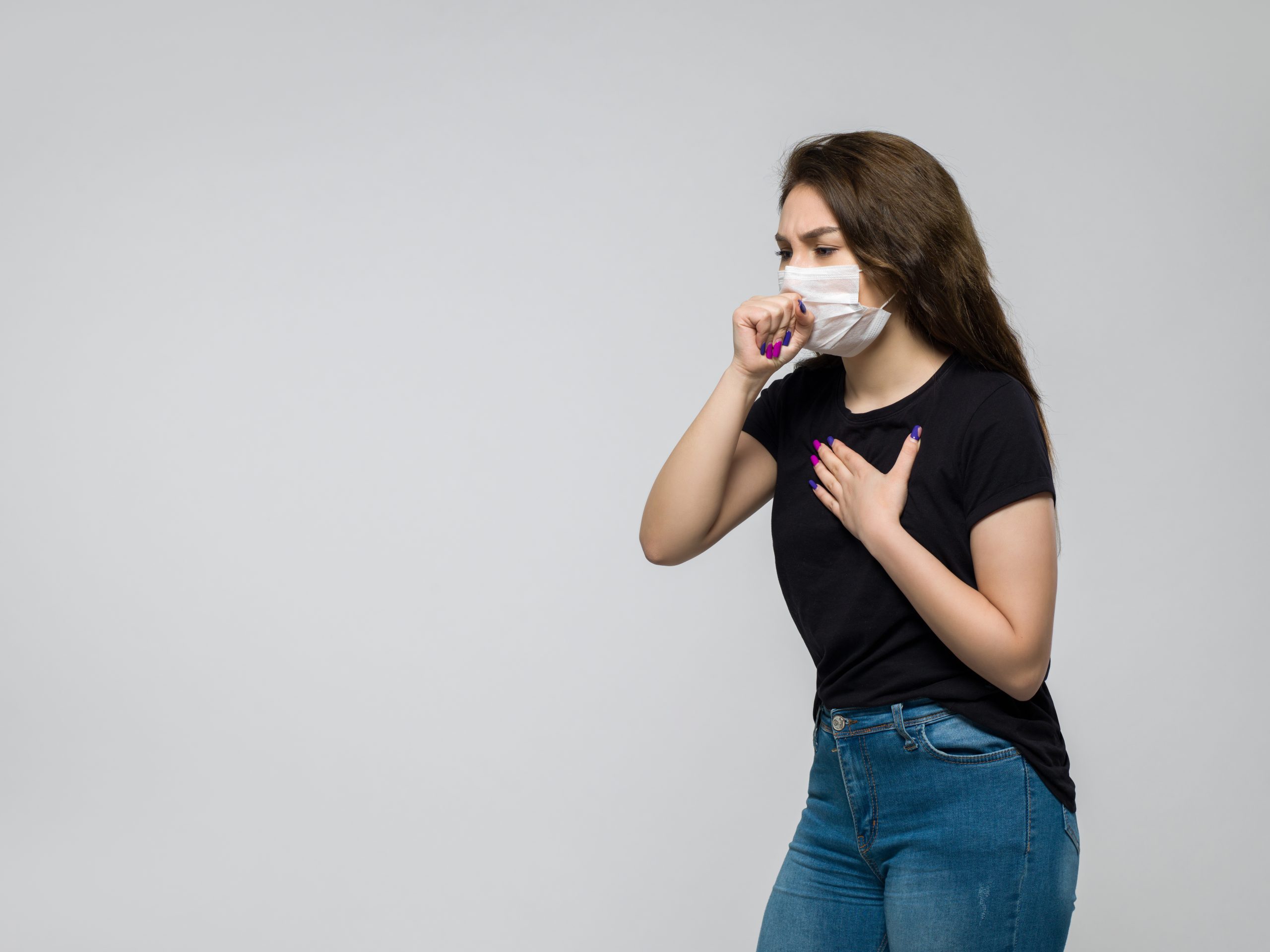
- Chronic Cough: Persistent cough, especially with phlegm, is one of the first and most overlooked signs. Many assume it’s a smoker’s cough or seasonal irritation.
- Shortness of Breath: Feeling winded after climbing stairs or during routine chores isn’t just fatigue — it’s a red flag.
- Wheezing and Chest Tightness: These signs are often mistaken for asthma, but in COPD, they’re caused by restricted airflow and inflamed airways.
- Fatigue: Struggling to get through your day or feeling constantly drained may indicate your lungs aren’t supplying enough oxygen.
- Frequent Infections: Repeated colds, bronchitis, or chest infections can signal declining lung function.
- Reduced Exercise Tolerance: Activities that once felt easy may now leave you gasping or needing frequent breaks.
- Excess Mucus and Hoarseness: Overproduction of mucus, often leading to voice changes, can indicate chronic airway irritation.
Why These Signs Are Missed
Because COPD develops gradually, it’s often misdiagnosed as asthma or a post-viral cough in the early years. It’s only when everyday activities become difficult — like walking to the bathroom or talking while climbing stairs — that people seek help. By then, the condition may already be in a moderate or advanced stage.
Reminder: If you’ve been experiencing any of these signs for more than a few weeks — even mildly — speak to your healthcare provider. Early diagnosis can slow progression and dramatically improve outcomes.
Stages of Chronic Obstructive Pulmonary Disease COPD: From Mild to Very Severe
The stages of Chronic Obstructive Pulmonary Disease (COPD) help doctors understand how far the condition has progressed and guide the best approach to treatment. The GOLD (Global Initiative for Chronic Obstructive Lung Disease) classification system is the most widely used framework, based on lung function — particularly FEV₁, or Forced Expiratory Volume in one second. This measures how much air you can forcefully exhale in one second, compared to a healthy person.
As the disease advances, FEV₁ values drop, and symptoms become more pronounced. Here’s a quick look at the stages:
Stages of COPD at a Glance
| Stage | FEV₁ (Lung Function) | Common Symptoms | Impact on Life |
| Mild (Stage 1) | ≥ 80% predicted | Occasional cough, slight breathlessness | Often mistaken for normal aging |
| Moderate (Stage 2) | 50–79% predicted | Persistent cough, increased fatigue | Reduced stamina, breathlessness during activity |
| Severe (Stage 3) | 30–49% predicted | Worsening breathlessness, frequent infections | Difficulty with daily tasks |
| Very Severe (Stage 4) | < 30% predicted | Shortness of breath at rest, oxygen dependency | Severe limitation, risk of acute, life-threatening exacerbations, respiratory failure, heart failure, and significantly reduced quality of life |
Why This Matters
COPD doesn’t develop overnight. Many people unknowingly live with Stage 1 or 2 for years. But the earlier it’s caught, the more effectively progression can be slowed with the right lifestyle changes, medical support, and environmental awareness. Even in advanced stages, management strategies can significantly improve quality of life.
Complications of Chronic Obstructive Pulmonary Disease (COPD)
The complications of COPD extend far beyond the lungs, affecting multiple systems in the body and often leading to a cycle of worsening health. These complications not only reduce quality of life but also increase the risk of hospitalizations and medical emergencies.
Here are some of the most common complications seen in COPD:
- Frequent lung infections: COPD weakens the lungs’ defense mechanisms, making individuals more prone to illnesses like pneumonia and chronic bronchitis.
- Pulmonary hypertension: Long-term low oxygen levels can lead to high blood pressure in the lungs, putting pressure on the heart.
- Right-sided heart strain: Also known as cor pulmonale, the right side of the heart may enlarge and weaken due to increased resistance in the lungs.
- Higher risk of lung cancer: Especially in individuals with a history of smoking.
- Mental health struggles: Chronic fatigue, breathlessness, and fear of flare-ups can lead to anxiety and depression, worsening physical symptoms.
Left unaddressed, these complications can lead to frequent hospital visits, reduced independence, and poor long-term outcomes. Proactive management of COPD is key not just to reduce symptoms, but to prevent or delay these cascading effects.

Management of Chronic Obstructive Pulmonary Disease: Daily Tools That Help
The management of chronic obstructive pulmonary disease (COPD) isn’t about extremes or overnight fixes. It’s about sustainable, daily shifts that support your lungs, calm your nervous system, and improve your overall quality of life.
What works best is a bio-individual, integrative approach—rooted in science, but gentle enough to meet you where you are. Here’s what that can look like:
Lifestyle Interventions: Small Steps with Big Impact
- Limit or gradually reduce smoking: You don’t need shame or pressure—just awareness. Even reducing the number of cigarettes can reduce the load on your lungs. Quitting is ideal, but any reduction helps.
- Reduce passive smoke exposure: Ask loved ones to avoid smoking around you. Second-hand smoke is a major trigger for COPD flares. Children, elders, and partners are equally vulnerable—protect them too.
- Minimise pollutant exposure: Stay indoors during peak pollution hours, use air purifiers, avoid incense, mosquito coils, and cooking fumes where possible. If you live in industrial areas, wear a mask outdoors and ventilate indoor spaces often.
- Move without overexertion: Daily movement—be it walking, tai chi, gentle yoga, or even housework—keeps lung capacity stable. But always listen to your body. It’s not about pushing harder; it’s about staying active consistently.
- Don’t Ignore Indoor Pollution: Even inside our homes, pollutants like dust, mold spores, volatile chemicals, and cooking fumes can strain lung health. Invest in an air purifier with a HEPA filter, especially for bedrooms. Keep windows shut during high AQI days, but ventilate when outdoor air is cleaner.
- Natural Support, Inside Out: Add indoor plants like peace lily, snake plant, and areca palm — they help filter the air naturally and improve humidity. But don’t rely on them alone. Complement them with practical support.
- Rebuild Lung Strength Gently: If you’ve experienced recurrent breathing issues, consider pulmonary rehabilitation, lung physiotherapy, or joining a lung health support group. These spaces provide practical techniques and emotional support to recover at your own pace.
- Know When to Seek Medical Help: If symptoms like wheezing, chronic cough, fatigue, or shortness of breath persist — don’t wait. See a pulmonologist. Early attention prevents long-term complications.
Nutrition and Hydration: Fuel for the Lungs
- Anti-inflammatory foods: Add turmeric, ginger, garlic, mustard seeds, cumin, green leafy vegetables, and antioxidant-rich fruits like berries or amla. These help calm internal inflammation that aggravates COPD.
- Stay hydrated: Sipping warm water or herbal infusions throughout the day helps thin mucus and ease coughing. Avoid sugary drinks and limit caffeine.
- Eat smaller, more frequent meals: Large meals can press on the diaphragm and worsen breathlessness. Try lighter meals every 3–4 hours with a good balance of protein, fibre, and healthy fats. Always check with your doctor before adding anything new to your routine.
Pulmonary Rehabilitation: Rebuilding from the Inside
A guided pulmonary rehab program can transform how you live with COPD. Key tools include:
- Breathing retraining: Techniques like pursed-lip breathing or box breathing help you manage breathlessness and reduce anxiety.
- Mild strength training: Simple upper body or leg exercises with light weights can improve endurance without stressing the lungs.
- Postural tools: Practising forward-leaning posture or sitting upright after meals helps ease breathing.
- Emotional wellness: COPD is emotionally taxing. Rehabilitation often includes counselling or peer groups to support mental health.
Medications and Holistic Approaches: Complement, Don’t Replace
Always follow your doctor’s guidance. But alongside medications, you can support your system through:
- Steam inhalation: A simple bowl of warm water and a towel can ease mucus and open airways.
- Yoga and pranayama: Breathwork like Anulom Vilom, 4-7-8 breathing, or humming bee breath (Bhramari) can stimulate the vagus nerve and calm respiratory distress.
- Guided relaxation: Meditation, chanting, or even listening to calming music can help regulate breath, reduce stress hormones, and aid sleep.
- Integrative therapies: Acupressure, reflexology, and physiotherapy may offer additional relief—explore what works for your body.
- Air purification: If you live in an area with unfavorable air quality, consider investing in a high-quality air purifier for your health.
| 📖 Also read: Your Free Guide to Protecting Your Lungs from Toxic Air
That’s where our power lies — in awareness, prevention, and small, consistent actions that build lung resilience and reduce the damage. This guide is based on solid science and years of clinical experience, from nutrition and breathing to managing indoor air quality. |
COPD Management Checklist:
| Lifestyle | Nutrition & Hydration | Breathing & Movement | Medical & Holistic Support |
| Limit smoking & passive smoke | Anti-inflammatory foods | Pursed-lip or box breathing | Inhalers, bronchodilators |
| Avoid indoor/outdoor pollutants | Stay hydrated with warm fluids | Gentle yoga or walking | Steam inhalation & vagal support |
| Daily gentle movement | Eat smaller, frequent meals | Postural support during flares | Pranayama, meditation, acupressure |
Gentle Reminder:
The goal is not to be perfect, but to be consistent. Every small action—from the way you eat to how you breathe—can help reduce flare-ups, restore comfort, and create a new baseline of strength. Consistency is your medicine. Lifestyle is your foundation.
COPD and Air Pollution: When Breath Becomes a Right
I’ve spent over 14 years walking alongside thousands of people, helping them listen to their bodies—especially when the body didn’t feel safe to breathe. What shocks me now is that even the most diligent, health‑conscious individuals can’t escape one silent fact: the air we breathe may be harming our lungs before we even know it.
That’s why I recently filed a Public Interest Litigation (PIL) in the Supreme Court of India, calling on our nation’s highest court to declare clean air a fundamental right under Article 21 of our Constitution.
View this post on Instagram
Final Word
Ailments like Chronic Obstructive Pulmonary Disease don’t knock loudly at first. They creep in, breath by breath, moment by moment, until you can’t ignore them anymore. But awareness changes everything.
You don’t need to wait for a diagnosis to take your lungs seriously. Whether it’s reducing exposure to pollutants, improving posture, nourishing the gut-lung axis, or simply paying attention to the way you breathe, your lungs are asking you to listen.
You have more control than you think. Because every small change adds up: cleaner air, lighter meals, mindful movement, and breath that finally feels like your own again.
Frequently Asked Questions (FAQs)
- What are the early signs and symptoms of chronic obstructive pulmonary disease (COPD)?
Early symptoms include chronic cough, shortness of breath, mucus production, and fatigue. These may appear mild but progressively worsen. If you notice breathing difficulty during daily activities, it’s important to get assessed early. - What causes COPD besides smoking?
While smoking is a leading cause, several factors like long-term exposure to pollutants, occupational chemicals, and rare genetic disorders like alpha-1 antitrypsin deficiency can also cause COPD. - How is COPD different from normal aging or asthma?
COPD symptoms like persistent breathlessness and mucus-producing cough are chronic and worsen over time. Unlike asthma, COPD doesn’t fully reverse with medication. - What lifestyle changes help with the management of chronic obstructive pulmonary disease?
Key strategies include quitting smoking, regular light exercise, avoiding pollutants, improving air quality, balanced nutrition, and structured rest patterns. - What are some serious complications of COPD disease?
Untreated COPD can lead to respiratory infections, pulmonary hypertension, lung cancer, heart disease, and poor oxygenation, severely impacting life quality.
Ready to Take Charge of Your Lung Health?
Whether you’re navigating the early signs of COPD, dealing with chronic breathlessness, or simply looking to improve your respiratory resilience — we’re here to help.
Join Our Wellness Program
Our programs are designed to support you as a whole, not just your symptoms. Through personalized nutrition, lifestyle medicine, breathing practices, emotional wellness, and environmental guidance, we help you improve lung function, manage inflammation, and breathe easier — one day at a time.
Want expert guidance tailored to your bio-individuality?
Book a One-on-One Consultation
Speak to our team of integrative experts.
Call us at 1800 102 0253 or email consults@lukecoutinho.com
We help you find a way.
Disclaimer:
This article is for informational purposes only and is not intended as a substitute for professional medical advice, diagnosis, or treatment. Always consult your doctor or a qualified healthcare provider before making changes to your medication, lifestyle, or treatment plan — especially if you are already diagnosed with COPD or any other chronic condition. Results may vary based on individual health conditions and compliance.

Start Your Wellness Journey
Feeling inspired to take the next step in your wellness journey? Connect with us to explore how our tailored programs can support your health journey. Your transformation is just a conversation away.