No products in the cart.
Imagine your nervous system as the intricate wiring of a city, every cable insulated and protected, ensuring seamless communication between buildings, lights, and power sources. Now what will happen if parts of that insulation begin to wear away. The signals will start to flicker, short-circuit, or fail entirely. That’s exactly what happens in Multiple Sclerosis (MS), a condition where the immune system mistakenly attacks the insulation (called myelin) around the nerves, disrupting the body’s communication network.
Now, before we dive deeper into why this happens and how it can be managed, let’s first understand what Multiple Sclerosis really is, and how this loss of internal direction begins.
Understanding Multiple Sclerosis Disease: What’s Happening Inside the Body
Every function in your body, from lifting your arm to recalling a memory, depends on clear communication between your brain and the rest of your body. These messages travel through a vast network of nerves, protected by a fatty sheath called myelin. Myelin acts like insulation around electrical wires, ensuring that nerve impulses move quickly and smoothly.

Image Credits: Freepik
In multiple sclerosis disease, this protective myelin covering becomes the target of an immune system gone astray. Instead of defending against external threats like viruses or bacteria, the immune system mistakenly attacks the body’s own nerve fibers. When myelin is damaged, a process called demyelination, electrical impulses slow down, get distorted, or stop altogether. This breakdown in communication can affect movement, vision, balance, memory, and even mood.
Types of Multiple Sclerosis
Like many conditions of the immune system, multiple sclerosis disease doesn’t look the same for everyone. The way it progresses, the intensity of symptoms, and how often flare-ups occur can differ vastly.
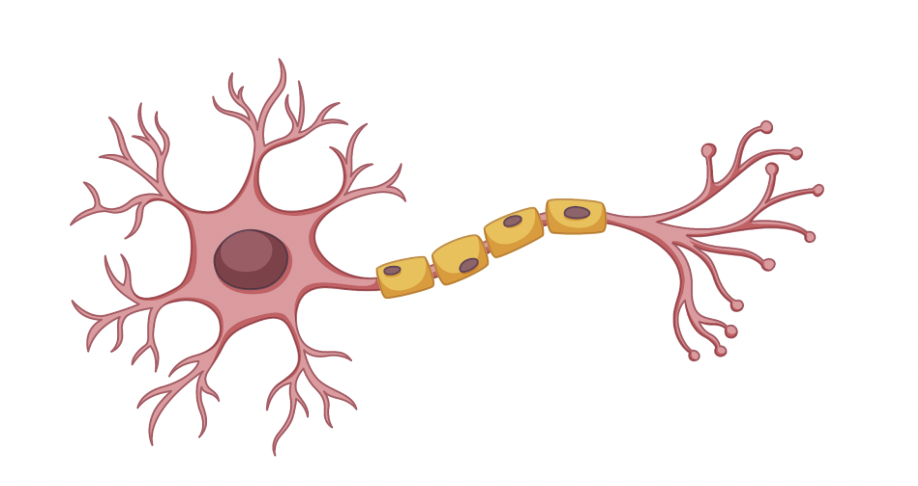
Image Credits: Freepik
Let’s understand the primary categories of MS:
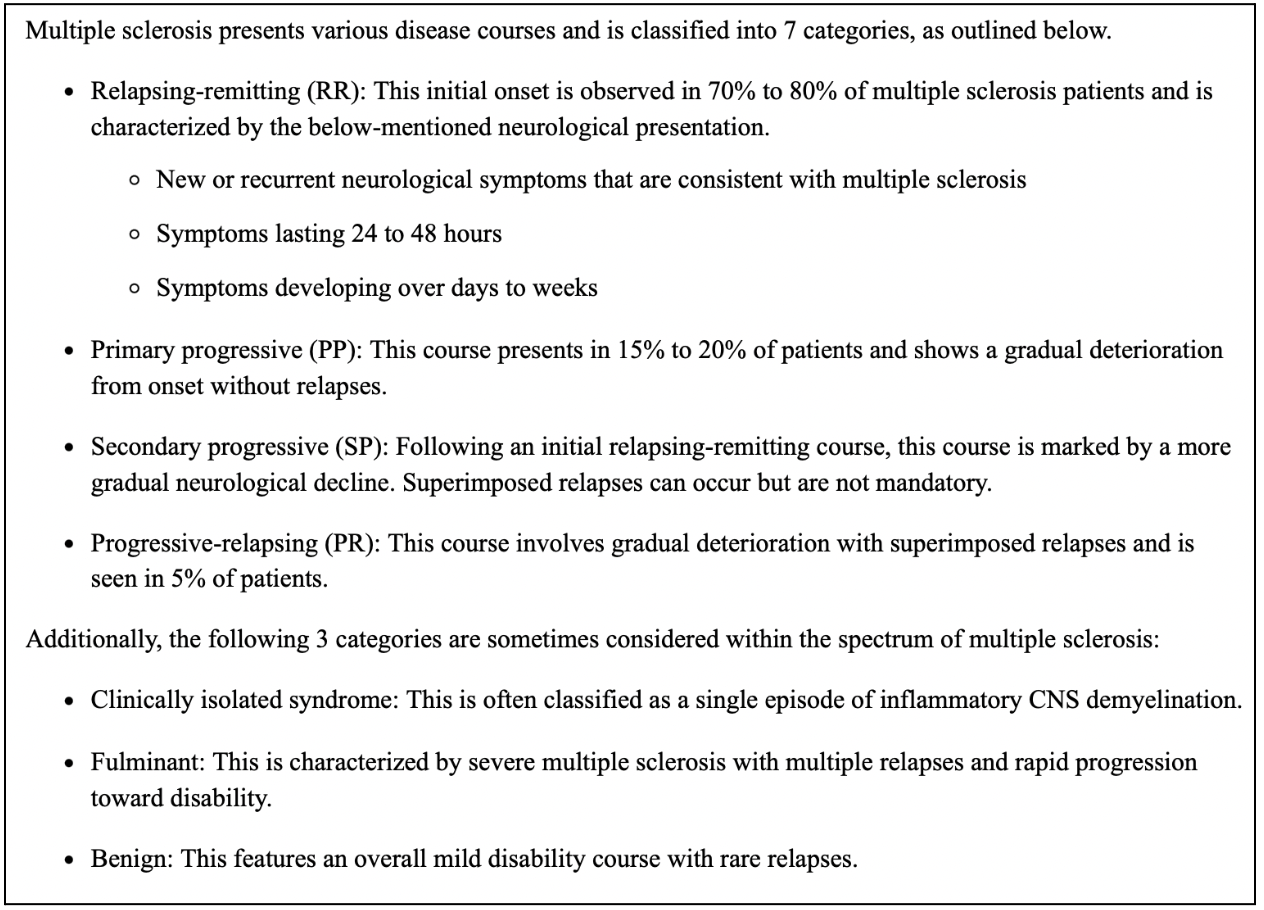
- Relapsing-Remitting MS (RRMS): This is the most common form, seen in nearly 85% of initial diagnoses. It’s marked by episodes of new or worsening symptoms (called relapses), followed by periods of partial or complete recovery (remission). During remission, the disease may appear silent, but low-level inflammation can still continue beneath the surface.
- Secondary Progressive MS (SPMS): Over time, many with RRMS transition into SPMS, where symptoms steadily worsen and periods of remission become less frequent. The nervous system experiences cumulative damage, often leading to more persistent difficulties with movement, coordination, and energy.
- Primary Progressive MS (PPMS): Unlike RRMS, PPMS follows a gradual, continuous path of progression from the very beginning, without distinct relapses or remissions. This type, affecting about 10–15% of individuals with MS, is often more challenging to diagnose early since the changes are subtle yet progressive.
- Progressive-Relapsing MS (PRMS): This rare type combines steady progression with occasional flare-ups. While it’s now grouped under broader classifications in medical literature, it remains a reminder of how uniquely MS can manifest in each person.
Source: Tafti D, Ehsan M, Xixis KL. Multiple Sclerosis. [Updated 2024 Mar 20]. In: StatPearls [Internet]. Treasure Island (FL): StatPearls Publishing; 2025 Jan-. Available from: https://www.ncbi.nlm.nih.gov/books/NBK499849/
Symptoms of Multiple Sclerosis
Symptoms vary widely depending on which nerves are affected. Common symptoms of multiple sclerosis include:
- Fatigue and weakness
- Numbness or tingling in limbs
- Loss of balance or coordination
- Vision problems or double vision
- Muscle stiffness or spasms
- Dizziness and vertigo
- Cognitive fog, memory lapses, difficulty concentrating
- Mood swings, anxiety, or depression
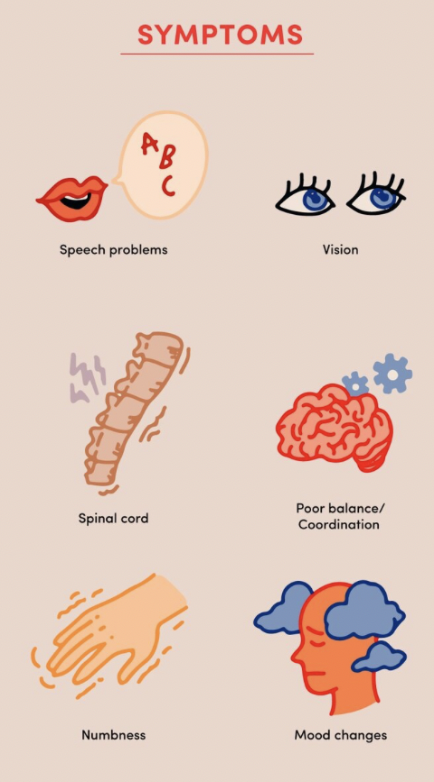
Image Credits: Freepik
Why Does Multiple Sclerosis Happen?
The multiple sclerosis cause isn’t a single factor. It’s a combination of genetic, environmental, emotional, and lifestyle influences that confuse the immune system into attacking its own tissues.
MS could be caused due to:
1. Genetics
Specific genetic variations, particularly within the HLA-DRB1 gene, increase susceptibility to multiple sclerosis. However, genetics alone are rarely the whole reason. Fewer than one in five individuals with these genes actually develop MS. This suggests that genes load the gun, but environment and lifestyle pull the trigger.
In simple terms, having a genetic predisposition does not mean you will get MS; it simply means your immune system may be more sensitive to certain environmental or emotional stressors.
2. Gender
Statistically, women are two to three times more likely to develop MS than men. This difference to hormonal influences, especially estrogen and progesterone, which affect immune regulation. Estrogen modulates the balance between pro-inflammatory and anti-inflammatory pathways, and fluctuations during puberty, pregnancy, or menopause may make women’s immune systems more reactive.
3. Ethnicity and Geography
MS is more prevalent among individuals of Northern European ancestry and less common in populations closer to the equator. This geographic pattern has been consistently noted in global epidemiological research, suggesting a strong connection with sunlight exposure and Vitamin D synthesis. Low sunlight leads to reduced vitamin D, which in turn affects immune regulation and neuroprotection, both crucial for maintaining myelin integrity.

Source: Wade B. J. (2014). Spatial analysis of global prevalence of multiple sclerosis suggests need for an updated prevalence scale. Multiple sclerosis international, 2014, 124578. https://doi.org/10.1155/2014/124578
Risk Factors
While you cannot alter your genes or where you were born, what you do every day, the way you eat, rest, move, and think, can dramatically influence how MS behaves. These risk factors form the foundation of integrative management of multiple sclerosis:
1. Chronic Stress and Stored Trauma
One of the most overlooked yet significant contributors to autoimmune disorders, including MS, is emotional stress. The activation of the stress response, especially when emotions remain unprocessed, keeps the hypothalamic-pituitary-adrenal (HPA) axis in overdrive.

Source: Mbiydzenyuy, N. E., & Qulu, L. A. (2024). Stress, hypothalamic-pituitary-adrenal axis, hypothalamic-pituitary-gonadal axis, and aggression. Metabolic brain disease, 39(8), 1613–1636. https://doi.org/10.1007/s11011-024-01393-w
When this happens, cortisol and adrenaline remain elevated, inflammatory cytokines surge, and the immune system begins to lose its sense of direction, attacking what it was once meant to protect.
Women tends to internalize pain, suppress grief, or carry family burdens quietly, until the body starts expressing what the mind has silenced.
2. Viral Infections (Especially Epstein-Barr Virus)
A breakthrough longitudinal study published in Neurology involving over 10 million U.S. military personnel found a near-definitive link between Epstein-Barr Virus (EBV) infection and subsequent development of multiple sclerosis. Individuals infected with EBV were 32 times more likely to develop MS than those who were not.
Scientists believe that after EBV infection, immune cells may confuse viral proteins with components of myelin, a process known as molecular mimicry, leading to the misdirected immune attack characteristic of MS.

Source: Wahbeh, F., & Sabatino, J. J. (2025). Epstein-Barr Virus in Multiple Sclerosis: Past, Present, and Future. Neurology(R) neuroimmunology & neuroinflammation, 12(6), e200460. https://doi.org/10.1212/NXI.0000000000200460
3. Vitamin D Deficiency and Lack of Sunlight
Vitamin D functions like an immune thermostat. It modulates T-cell responses, supports neuroprotection, and helps maintain the integrity of the blood-brain barrier. A study published in Bioinformatics demonstrates that low Vitamin D levels correlate strongly with increased MS activity and relapse rates.

Source: Gurram, L. K., Chandrashekara, R. H., Ramadas, A. N., Rameshbabu, S., Thambi, H., Chammanam, S. S., & Imran, K. S. (2025). Prospective cohort study on vitamin D deficiency and its association with multiple sclerosis relapses. Bioinformation, 21(6), 1639–1642. https://doi.org/10.6026/973206300211639
4. Smoking and Poor Lifestyle Choices
Cigarette smoke introduces free radicals that damage endothelial tissue and heighten oxidative stress, both key drivers of demyelination. Smokers with MS experience faster disease progression and greater disability accumulation.

Source: Nishanth, K., Tariq, E., Nzvere, F. P., Miqdad, M., & Cancarevic, I. (2020). Role of Smoking in the Pathogenesis of Multiple Sclerosis: A Review Article. Cureus, 12(8), e9564. https://doi.org/10.7759/cureus.9564
Beyond smoking, sedentary habits, erratic sleep, ultra-processed foods, and chronic sleep deprivation all elevate systemic inflammation, silently aggravating an already confused immune system.
5. Gut Dysbiosis
Perhaps one of the most exciting frontiers in MS research is the gut-brain-immune axis. A study published in the Cell revealed that individuals with MS often exhibit reduced levels of beneficial gut bacteria such as Faecalibacterium prausnitzii and Bifidobacterium, along with higher populations of pro-inflammatory microbes.

Source: iMSMS Consortium. Electronic address: [email protected], & iMSMS Consortium. (2022). Gut microbiome of multiple sclerosis patients and paired household healthy controls reveal associations with disease risk and course. Cell, 185(19), 3467-3486.e16. https://doi.org/10.1016/j.cell.2022.08.021
This imbalance, known as gut dysbiosis, weakens the intestinal barrier, allowing endotoxins to leak into circulation and trigger chronic inflammation. A healthy gut, on the other hand, educates the immune system to tolerate rather than attack.
Story of Hope: Meet Keshav MongaA 32-year old banker, Keshav came to us with three lapses of multiple sclerosis, tingling sensation and numbness in the left side of the body. He also struggled with premature building. He was prescribed strong steroids to manage his MS symptoms but they were heavy on his body. His immunity, liver function, and weight began to suffer. Kruti Jain, Senior Nutritionist & Lifestyle Expert, from our integrative team stepped in to create a protocol tailored to his unique needs, combining science, lifestyle, and emotional wellness. With discipline and consistency, Keshav dropped 11 kgs, improved his gut health, balanced his reports, and most importantly, experienced no MS flare-ups during seasonal change, a huge milestone.
Disclaimer: Each case is unique. What worked for him may not work for everyone. Always consult your medical team before making lifestyle changes. |

How Is Multiple Sclerosis Diagnosed?
There’s no single test that can confirm multiple sclerosis disease instantly. Instead, neurologists look for signs of nerve damage that have occurred at different points in time and in various parts of the central nervous system (CNS). This step-by-step approach ensures accuracy and rules out other conditions that can mimic symptoms of multiple sclerosis.
- A comprehensive neurological examination is often the starting point. During this, the neurologist assesses muscle strength, coordination, balance, reflexes, and sensory responses. Even subtle abnormalities, such as delayed reflexes or tingling sensations, can hint toward nerve damage caused by demyelination. These clinical clues guide further testing and imaging.
- The gold standard tool is Magnetic Resonance Imaging (MRI). MRI remains the most sensitive method to detect lesions, areas of damage, in the brain and spinal cord. These white patches, called ‘plaques,’ represent regions where the myelin sheath has been stripped away by inflammation. Modern MRI technology can even distinguish between active and inactive lesions, giving doctors valuable insight into disease activity and progression across various multiple sclerosis types.
- To confirm whether the immune system is actively involved, a lumbar puncture (spinal tap) may be performed. This test analyzes the cerebrospinal fluid (CSF) that bathes the brain and spinal cord. The presence of oligoclonal bands, specific proteins indicating abnormal immune activity, helps support an MS diagnosis. This step provides crucial evidence, especially in early or atypical cases where MRI findings may be inconclusive.
- Blood tests are another essential part of the diagnostic process, not to confirm MS, but to rule out other autoimmune or infectious diseases that mimic its symptoms, such as lupus, Lyme disease, or neuromyelitis optica spectrum disorder (NMOSD). This ensures precision and prevents misdiagnosis.
Management of Multiple Sclerosis:Building an Autoimmune-Resilient Lifestyle
The medical management of multiple sclerosis disease focuses on slowing its progression, minimizing relapses, and preserving neurological function, often through disease-modifying therapies (DMTs), short-term corticosteroids for acute flare-ups, and physiotherapy to maintain mobility and strength.
But true healing begins when we go beyond symptom control, when we start building an autoimmune-resilient lifestyle.
Build an Autoimmune-Resilient Lifestyle
Inflammation and immune dysregulation, the very hallmarks of multiple sclerosis, can be influenced by daily choices in nutrition, sleep, stress, movement, and emotional balance.
These choices don’t ‘cure’ MS, but they do create an internal environment that either fuels or calms the disease progress. Research emphasizes that lifestyle modification, alongside medical therapy, can significantly improve long-term quality of life in people with MS.

Source: Reece, J., Jelinek, G. A., Milanzi, E., Simpson-Yap, S., Neate, S. L., Taylor, K. L., Jelinek, P. L., Davenport, R., Bevens, W., & Yu, M. (2025). Lifestyle changes and patient-reported outcomes over five years in a sample of people with multiple sclerosis after a single multimodal intensive lifestyle education workshop. Neurological sciences : official journal of the Italian Neurological Society and of the Italian Society of Clinical Neurophysiology, 46(2), 835–844. https://doi.org/10.1007/s10072-024-07811-2
Let’s see the lifestyle that helps to manage the condition:
1. Anti-Inflammatory Nutrition
What we eat directly shapes inflammation and immune behavior. Foods rich in antioxidants and omega-3 fatty acids are shown to lower inflammatory markers associated with neurodegeneration.
- Focus on colorful vegetables, fresh fruits, nuts, seeds, and cold-pressed oils.
- Include turmeric (curcumin), known for its neuroprotective and anti-inflammatory properties.
- Avoid refined sugar, trans fats, and processed foods, which elevate oxidative stress, a driver of myelin damage and one of the core multiple sclerosis complications.
2. Gut Health: The Foundation of Immunity
The gut isn’t just about digestion, it’s the training ground for immune resilience. Nearly 70-80% of our immune cells reside here. Gut dysbiosis (an imbalance in gut bacteria) contributes to immune dysfunction and can influence the onset and progression of MS.
- Support your microbiome with fiber-rich foods, like legumes, whole grains, whole fruits.
- Fermented products like kimchi or kefir, and prebiotics such as garlic, onions, and bananas.
A healthy gut helps regulate immune signaling, keeping the body from attacking itself.
3. Vitamin D and Sunlight
Low vitamin D levels are a well-documented multiple sclerosis cause and risk factor. Individuals with higher serum vitamin D levels had a significantly lower risk of MS development and relapse. Vitamin D acts as an immune modulator, helping the body distinguish between ‘self’ and ‘non-self.’
- Make it a ritual to soak in the early-morning sunlight for 10 minutes.
- Check your Vitamin D levels tested before self medicating on supplements.

Image Credits: Freepik
4. Movement and Mobility
Movement is medicine for the nervous system. Physical activity promotes neuroplasticity, the brain’s ability to rewire and adapt.
- Simple practices like yoga, tai chi, walking, or swimming enhance circulation, balance, and coordination, while releasing endorphins that act as natural anti-depressants.
- Regular, low-impact movement not only supports motor function but also slows cognitive decline.
5. Emotional Wellness
Unresolved emotional pain can silently keep the immune system in a constant state of alert.
- Journaling, mindfulness, or therapy helps release stored emotions that the body has held onto for years.
- Forgiveness, both of self and others, is one of the most powerful anti-inflammatory acts we can practice.
6. Sleep as Medicine
Deep, uninterrupted sleep is the time when the brain’s glymphatic system cleanses and restores neural function. People with MS who maintain consistent sleep hygiene experience fewer flare-ups and better fatigue management.
- Make 7–8 hours of restful sleep a non-negotiable part of your routine.
- Practice digital detox and sleep in a dark room.
Let’s Bust Some Myths Around Multiple Sclerosis
When someone is first diagnosed with multiple sclerosis disease, the flood of information, and misinformation, can be overwhelming.
Let’s look at some of the most common myths about multiple sclerosis disease and decode the facts.
Myth 1: MS is a death sentence.
Fact: It isn’t. Multiple sclerosis is a chronic condition, not a terminal one. Advances in early diagnosis, disease-modifying therapies, and integrative lifestyle interventions have drastically improved long-term outcomes.
Myth 2: MS only affects older people.
Fact: Contrary to popular belief, multiple sclerosis disease most commonly develops between the ages of 20 and 40, a time when individuals are at the peak of their personal and professional lives. But MS also affects young adults more frequently than any other age group.
This early onset often makes it emotionally and socially challenging, but it also means that early detection and lifestyle support can have a significant impact. Younger nervous systems exhibit greater neuroplasticity, the ability of the brain and spinal cord to adapt and repair.
Myth 3: Exercise worsens MS.
Fact: The exact opposite is true. Regular, gentle movement helps improve mobility, reduces fatigue, and enhances overall neurological function. Physical activity enhances neuroplasticity, improves energy levels, and reduces depression in people with MS. Even in advanced multiple sclerosis types, consistent movement has been shown to slow functional decline. The golden rule is to listen to your body, respect fatigue limits, and stay consistent.

Image Credits: Freepik
Reconnect, Realign, and Rise
You are not your diagnosis. You are your choices, one mindful breath, one real meal, one kind thought at a time. The human body has extraordinary intelligence. When we nurture it with the right environment; physical, emotional, and spiritual, it remembers how to heal.
So pause. Breathe. The more we restore balance, the more our systems remember what harmony feels like.
Be educated, not influenced.
Disclaimer: This blog is intended for educational and awareness purposes only and should not be used as a substitute for professional medical advice, diagnosis, or treatment. Multiple sclerosis is a complex neurological and autoimmune condition, and each individual’s experience, triggers, and progression can differ greatly. Always consult your qualified healthcare provider before making any changes to your medication, food habits, supplements, or lifestyle practices.
If you or a loved one is navigating Multiple Sclerosis or any autoimmune challenge, remember, you don’t have to walk this path alone.
Our Wellness Programs are designed to complement medical treatment and strengthen the body from within through personalized nutrition, emotional wellness, movement, and lifestyle care.
Set up a one-on-one consultation with our integrative team or call us at 1800 102 0253 or write to us at [email protected] to learn more.