
Ever eaten lunch… and a few minutes later, you’re struggling to keep your eyes open? That sudden sleepy feeling after eating is something almost everyone experiences — at work, at home, even after what we believe is a ‘healthy’ meal.
But here’s the truth — while it’s common, it’s not always normal. Feeling tired after a meal is your body’s way of communicating something deeper. It’s saying, “Hey, something in this process isn’t working for me.”

Over the years, we’ve met countless people who reach out with complaints like:
- “I eat clean, but I still crash after lunch.
- “Why do I feel so sluggish after dinner, even when I don’t overeat?”
The answer isn’t just about food — it’s about how you eat, when you eat, and the state of your mind and body when you do. Food can either energize you or drain you, depending on these factors.
Here, we’ll dive into the science of why food makes you sleepy, the most common nutrition and lifestyle triggers that lead to post-meal fatigue, and most importantly, how to stop feeling tired after eating using simple, natural, and science-backed solutions.
Because yes — you can break the ‘food coma’ cycle. And like everything we share, we’ll approach this from a holistic lens — blending the wisdom of the body with science, and the balance of mind, movement, nutrition, sleep, and emotional wellness.
So, if your afternoons are spent yawning or your post-dinner plans keep getting replaced with naps, stay with me — this one could change how you feel after every meal.
Understanding the Science — Why Food Makes You Sleepy
Let’s understand what’s really happening inside your body when you feel that sleepy feeling after eating. Because once you know the why, it becomes much easier to fix the what.
We always tell people — the body doesn’t make mistakes. Every reaction, every symptom has a reason. Feeling drowsy after a meal isn’t ‘just in your head’ — it’s a physiological process deeply linked to digestion, blood sugar balance, hormones, and even your circadian rhythm.
Let’s break it down step by step.
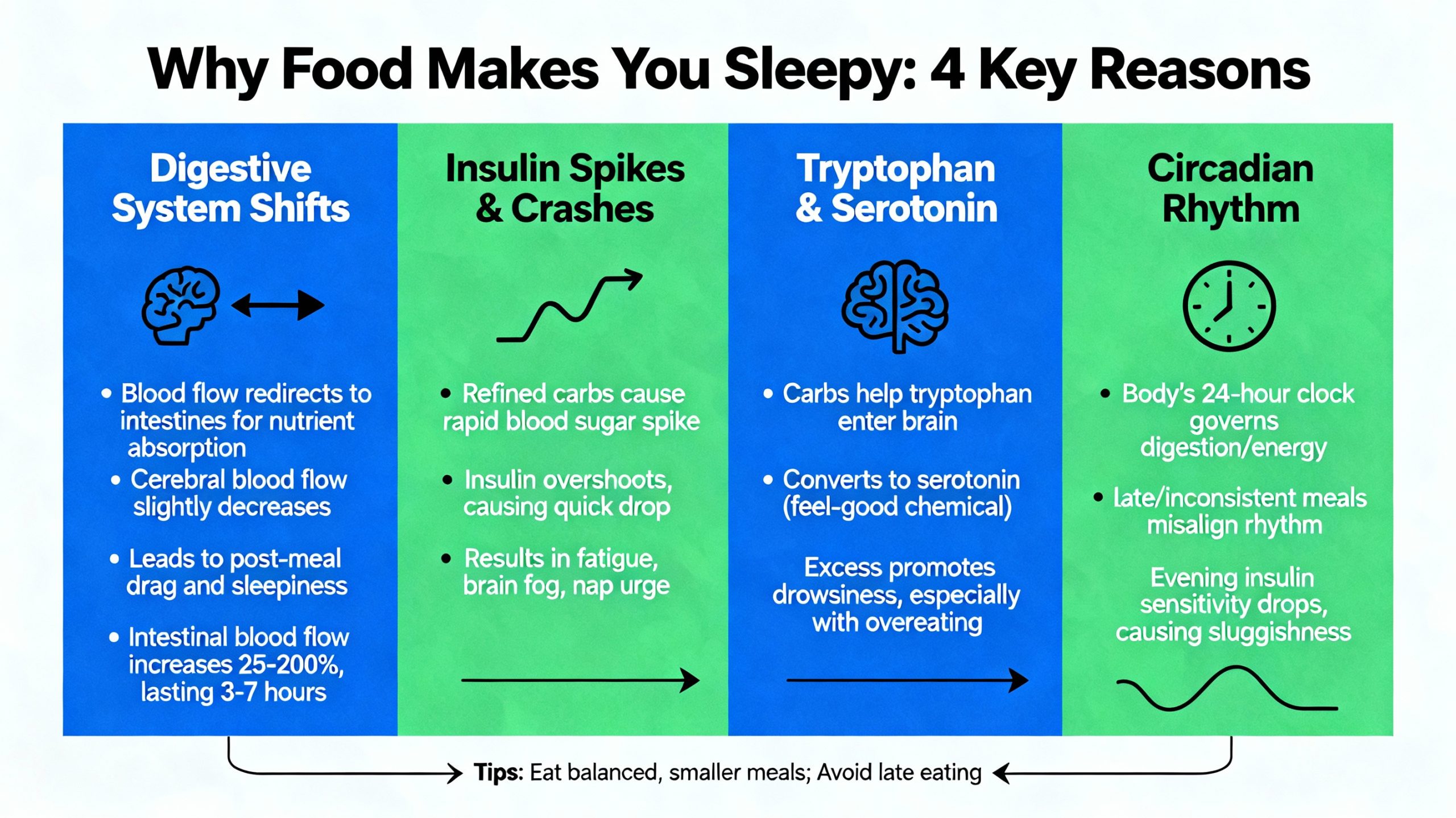
Digestive System Shifts: Blood Flow Moves from the Brain to the Gut
When you eat, your body automatically redirects more blood flow to your digestive system to break down and absorb nutrients. This is completely natural — but when meals are too large, too heavy, or too fast, the shift becomes more dramatic.
Think of it this way: Your body has limited energy currency. If digestion demands a big portion of it, there’s less available for the brain and muscles.
Result? You feel that post-meal ‘drag.’
- Studies show that after a meal, blood flow to the intestines significantly increases, while cerebral blood flow can slightly decrease — contributing to mild postprandial sleepiness. (Source: Kvietys PR. The Gastrointestinal Circulation. San Rafael (CA): Morgan & Claypool Life Sciences; 2010. Chapter 5, Postprandial Hyperemia. Available from: https://www.ncbi.nlm.nih.gov/books/NBK53094/)
Insulin Spikes and Blood Sugar Crashes
Here’s one of the biggest reasons food can make you sleepy. When you eat a refined-carb-heavy meal — white rice, pasta, bread, sweets — your blood sugar levels spike rapidly. Your body quickly releases insulin to manage that sugar surge.
- The problem? Insulin can overshoot, causing blood sugar levels to drop too quickly. That dip (often called a postprandial dip) triggers fatigue, brain fog, and that irresistible urge to nap.
This is why we always remind clients — stable blood sugar equals stable energy.
Tryptophan, Serotonin, and the ‘After-Meal Mellow’
Some meals naturally make you feel more relaxed — and there’s a scientific reason for it. Foods rich in carbohydrates help the amino acid tryptophan enter the brain, where it’s converted into serotonin, the ‘feel-good’ neurotransmitter.
- A balanced serotonin level helps with calmness and mood, but too much serotonin activity post-meal can also make you feel a bit drowsy — especially when combined with high-carb meals or overeating.

Circadian Rhythm and Meal Timing
This one is crucial — and often ignored.
Your body runs on a circadian rhythm, an internal 24-hour clock that governs everything — digestion, metabolism, energy, and hormone release. When you eat too late at night or at inconsistent times, your rhythm becomes misaligned.
- Your insulin sensitivity drops in the evening, meaning your body doesn’t handle sugars or fats as efficiently. Late-night meals are, therefore, more likely to make you feel sluggish or heavy.
Common Causes of Post-Meal Fatigue
Let’s look at some of the most common reasons people feel sluggish after food — the everyday habits that quietly drain your energy.
Overeating or Eating Too Quickly
Picture your body as a car engine. When you pour in too much fuel too fast, the engine sputters and emits smoke. The same thing happens when you overload your digestive system.
- Your stomach and gut have to work overtime to digest the excess food, diverting blood flow and energy from other organs. Eating too quickly makes it even worse — because your brain doesn’t get the 20 minutes it needs to register fullness.
High-Carb or Sugar-Heavy Meals
If you often wonder, “Will sugar make you sleepy?” — the answer is yes, in most cases. Refined carbohydrates (white rice, pasta, pastries, sweets) cause your blood sugar to spike and crash quickly.
- That crash triggers the release of sleep-inducing hormones like serotonin and melatonin, leaving you tired and foggy.
Poor Hydration & Electrolyte Imbalance
Your digestive system needs water and electrolytes (like sodium, magnesium, and potassium) to function efficiently. Without enough fluid, digestion slows, blood becomes thicker, and energy drops.
Lack of Movement After Eating
Finishing a meal and immediately sitting — or worse, lying down — slows digestion. Think of it as idling your car in neutral after filling it up with petrol.
- Light movement post-meal aids digestion, improves insulin sensitivity, and keeps your blood sugar from spiking too high.
Sleep Debt or Chronic Stress
When your system is already tired, even digestion becomes an added burden. Chronic stress or inadequate sleep puts your body in survival mode, redirecting energy from digestion and repair.
That’s why even a light meal can feel heavy when you’re exhausted.

Poor Gut Health or Food Sensitivities
This is a big one. If your gut is inflamed, leaky, or imbalanced with the wrong bacteria, even healthy foods can make you feel sluggish. Your body spends more energy fighting inflammation than digesting food smoothly.
When you start aligning these small areas — portion size, sugar control, hydration, movement, rest, and gut health — that mid-day crash can completely disappear. Your meals should leave you energized, not exhausted.
The Hidden Role of Food and Digestion
Now that we’ve looked at the common reasons behind that sleepy feeling after eating, let’s go a little deeper — into the how and why your food and digestion directly affect your energy levels.
See, digestion isn’t just about breaking down food. It’s a highly coordinated process between your gut, brain, hormones, and nervous system. When any of these are off balance, you feel it immediately — not just in your stomach, but in your mood, focus, and energy.
Let’s uncover what’s really going on beneath the surface.
The Gut-Brain Connection — Your Second Brain at Work
We often call the gut our ‘second brain.’ It has its own nervous system — the enteric nervous system — which communicates continuously with the brain through the vagus nerve.
- When digestion is smooth, your gut sends signals of balance and well-being.
- But when it’s sluggish or inflamed, it sends out distress signals that affect your mind and energy.
- That’s why a sluggish digestive system often leaves you feeling mentally foggy, anxious, or drained.
The gut microbiome influences neurotransmitter production, including serotonin, which directly affects mood and energy regulation.
So, if your gut is inflamed or imbalanced, your brain picks up on that stress signal — leading to fatigue after eating or a ‘food coma’ that’s more emotional and neurological than just physical.
Bio-Individuality — One Size Never Fits All
This is one principle we live by: No single food or lifestyle works for everyone.
- What energizes one person can make another feel heavy or sleepy.
- For instance, some people thrive on grains, while others crash after eating them. Some feel alert after fruit, others experience a sugar dip.
- This is called bio-individuality — your body’s unique biochemical response to foods.
So if you’re constantly trying to figure out how to stop feeling tired after eating, start by tuning in. Keep a food journal. Observe how specific meals affect your alertness. Your body’s feedback is more accurate than any diet chart.
Processed vs. Whole Foods — The Quality of Fuel Matters
Think of your body as a high-performance car. The quality of fuel you give it determines how smoothly it runs.
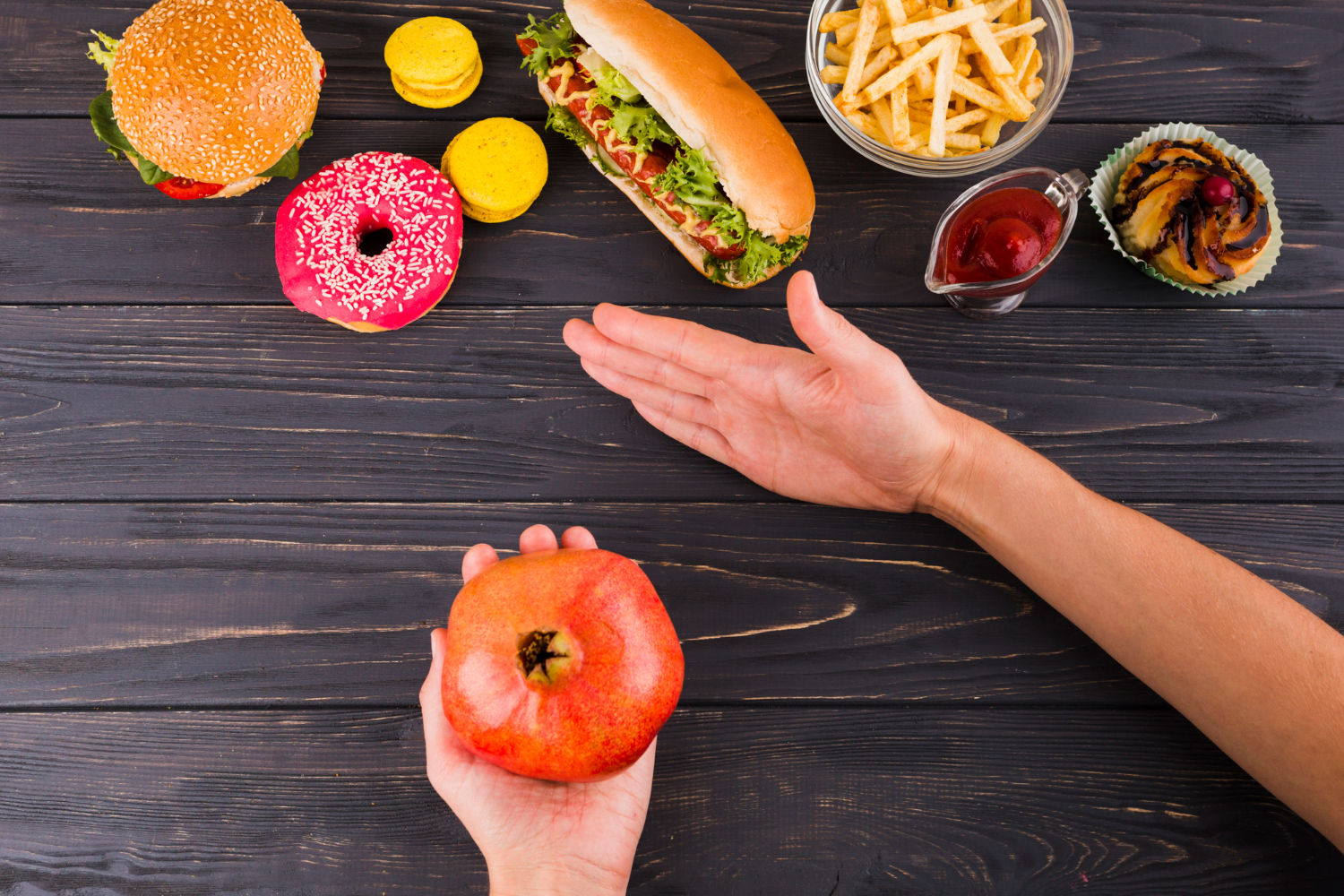
- A meal full of refined carbs, hydrogenated oils, and artificial ingredients is like cheap fuel — it burns fast, gives a short-lived burst of energy, and leaves you feeling sluggish or sleepy soon after.
- On the other hand, whole foods — rich in fiber, protein, healthy fats, and micronutrients — release energy slowly, keeping your blood sugar and alertness steady.
The Energy Equation: Efficient Digestion = Efficient Living
Ultimately, digestion is energy-intensive work. When your gut is healthy, food converts efficiently into energy. But when digestion struggles — due to processed food, poor chewing, dehydration, or chronic stress — your body spends more energy on digestion than it gains from it.
That’s why some people feel like they need a nap after lunch, while others feel ready to move.
Your goal isn’t just to eat right — it’s to digest right.
When you start respecting your gut — not just what you eat, but how you eat — your energy begins to flow differently.
How to Stop Feeling Tired After Eating (Science-Backed Fixes)
Now that we understand why food can make you sleepy, let’s talk about what you can do about it — practical, sustainable, and holistic ways to break the ‘afternoon slump’ cycle.
Remember, the goal isn’t to overcorrect or chase perfection. It’s to bring back balance — in how you eat, move, rest, and think. That’s the foundation of true wellness.
Here’s how you can stop that sleepy feeling after eating, backed by science and years of observation from our practice.
Eat Smaller, Balanced Meals
Most people feel tired after meals simply because they overeat. Large portions demand extra blood flow to the gut, leaving less oxygen for the brain, resulting in drowsiness.
Split your heavy lunch into two moderate meals instead. Each meal should include:
- A protein source (dal, fish, paneer, lentils)
- Fiber (vegetables, salads, seeds)
- Healthy fats (nuts, ghee, olive oil)
Pro Tip: Stop eating when you’re 80% full. The goal isn’t to ‘fill up’ but to ‘fuel up.’
Reduce Refined Carbs and Sugar Crashes
High-glycemic meals — white bread, white rice, sweets — trigger rapid insulin release. Your glucose dips soon after, and so does your energy.
Pro Tip: Swap the ‘white wave’ for complex carbs — millets, quinoa, red rice, legumes, or sweet potatoes. Pair them with fibre and protein to slow sugar absorption.
Move for 5–10 Minutes After Meals
One of the simplest yet most powerful lifestyle hacks: walk after you eat.
- Even a short 5–10-minute stroll after lunch enhances digestion, reduces glucose spikes, and prevents that sleepy slump.
Pro Tip: You don’t need to hit the gym after lunch. Just get up, walk around your office, or stretch near your desk. Your body thrives on gentle movement.
Stay Hydrated + Sip on Herbal Teas
Fatigue after meals can sometimes be dehydration in disguise. Water helps digestive enzymes work efficiently and keeps circulation smooth.
- Try sipping on herbal teas like ginger, mint, or fennel post-meal. They not only aid digestion but also offer gentle stimulation — preventing that sluggish feeling.
Pro Tip: Aim for small sips throughout the day — not large gulps during meals.
Practice Mindful Eating & Slower Chewing
When you eat too fast, your brain doesn’t get enough time to signal fullness. That means more food, more digestive work, more fatigue.
- Mindful eating activates your parasympathetic nervous system (‘rest and digest’), making nutrient absorption smoother and energy release steadier.
Pro Tip: Chew your food like you’re having a conversation with it. The slower you chew, the lighter you’ll feel afterward.
Align Meals with Your Body’s Natural Rhythm
Your body has a circadian rhythm — a biological clock that affects how you digest and use energy.
- Eating too late or skipping meals can throw off your natural rhythm, leading to sluggish digestion and daytime fatigue. Aim to have your comparatively heavier, yet still balanced, meal earlier in the day, when your digestive fire is naturally at its peak around noon. As the day winds down, keep your dinner lighter and easier to digest to support better energy and sleep.
Pro Tip: Have your last meal at least 2–3 hours before bedtime to support recovery and energy balance.
Sleep Well and Manage Stress
No matter how clean your meals are, chronic sleep deprivation and stress will drain your energy tank. When you eat in this state, your body diverts energy toward stress hormone regulation — not digestion.

Pro Tip: Prioritize 7–8 hours of sleep, daily unwinding rituals (deep breathing, meditation, gratitude journaling), and at least 15–20 minutes of quiet time without screens.
Watch Your Portion Size and Food Order
Here’s a fascinating one: the order in which you eat your food can change how your body responds to it.
- Eating vegetables or protein before carbs slows down glucose absorption and keeps energy stable.
Pro Tip: Start your meal with salad or dal, followed by your main dish. Small tweaks, big differences.
Daily Routine & Meal Flow Guide:
| Step | What to Do | Details |
| 1. Morning Rituals | Start your day intentionally | Hydration, prayer/affirmations, sunlight, breathwork — whatever grounds you. |
| 2. Empty-Stomach Fruit | Eat 1 seasonal fruit | Add overnight-soaked flaxseeds + chia seeds for fiber and omega-3s. |
| 3A. Pre-Meal Ritual | Prepare your body for digestion | • Relax and bless your food • 30 min before meals: ACV drink (1 tbsp ACV in water + optional spices, only if it suits you) |
| 3B. Meal Flow | Follow this sequence | • Start with raw roughage (salad) • Then cooked vegetables • Then proteins & healthy fats • Lastly carbs/grains • If eating rice & lentils, have them together after salad + veggies |
| 3C. Post-Meal Practice | Support digestion | • Sit in Vajrasana for 10–15 minutes • If diabetic: take a 10-minute walk first, then sit in Vajrasana |
| 4. Night Rituals | Wind down consciously | Limit screens, dim lights, read, journal, disconnect. |
| 5. Sleep Hygiene | Rest deeply | Sleep with a grateful heart in a completely dark room for better melatonin release. |
When to Seek Medical Advice
Now, most of the time, that sleepy feeling after eating is simply your body asking for better balance — in food choices, portion sizes, timing, or stress management. But sometimes, it’s your body signaling that something deeper needs attention.
As we always say — don’t self-diagnose, but don’t ignore either. Your body never sends random signals. If the tiredness after meals is persistent or extreme, it’s time to investigate further.
Let’s look at some possible underlying causes that medical science and clinical practice often connect with feeling tired after eating:
- Reactive Hypoglycemia or Insulin Dysregulation: If you feel extremely fatigued, shaky, dizzy, or irritable after eating, it could be reactive hypoglycemia — a condition where your blood sugar spikes and then drops too low soon after a meal.
- Type 2 Diabetes or Insulin Resistance: If your sleepiness after meals comes with other red flags — such as frequent thirst, urination, or unexplained weight changes — you could be looking at insulin resistance or early diabetes.
- Thyroid, Iron, or B12 Deficiencies: Low thyroid function (hypothyroidism) or nutrient deficiencies like iron and vitamin B12 can mimic post-meal fatigue or amplify it. Your metabolism slows down, your red blood cell production drops — less oxygen to the brain, more tiredness.
- Sleep Disorders like Sleep Apnea: If you sleep well but wake up tired — and then crash after meals — sleep apnea could be a hidden culprit. It causes intermittent oxygen deprivation at night, which affects energy balance, insulin sensitivity, and digestion the next day.
- Gut Health & Food Sensitivities: Sometimes, the problem lies in your gut. If you experience bloating, gas, or abdominal discomfort after eating, it could be due to poor digestion, dysbiosis, or food intolerances (like gluten, lactose, or FODMAPs).
The Last Word
Feeling tired after eating isn’t your body being lazy — it’s your body communicating. Persistent post-meal fatigue is a symptom, not your identity.
Your body is intelligent; it’s constantly sending you feedback. That afternoon slump or food coma isn’t ‘normal’ — it’s a sign to pause, reflect, and realign.
Start by becoming aware of what you eat, how you eat, and how your body responds. Healing always begins with awareness, and awareness begins with listening.
You don’t need drastic changes — just small, consistent shifts. When you do, your body naturally returns to balance.
Remember: Your body’s goal is always healing, never harming. Tune in, make small adjustments, and you’ll soon turn post-meal fatigue into post-meal energy.
Frequently Asked Questions
Why do I always feel tired or sleepy after eating?
You may experience a sleepy feeling after eating due to blood flow shifting to the gut, sugar spikes and crashes, overeating, poor sleep, or sluggish digestion. Your body isn’t lazy — it’s communicating imbalance. Identifying triggers and making small lifestyle shifts can quickly restore post-meal energy.
Does sugar make you feel sleepy after meals?
Yes. Sugar can make you sleepy because it causes a rapid rise in blood glucose followed by a sharp insulin-driven crash. This “spike-drop cycle” triggers fatigue and brain fog. Reducing refined carbs and choosing whole foods helps balance energy and prevent feeling tired after eating.
How can I stop feeling tired after eating lunch or dinner?
Eat smaller balanced meals (protein, fiber, healthy fats), reduce refined carbs, chew slowly, walk for 5–10 minutes, hydrate well, and regulate meal timing. These simple habits stabilize blood sugar and support digestion, helping you stop feeling tired after eating and stay energized.
Is post-meal sleepiness a sign of diabetes or poor digestion?
Sometimes, yes. Persistent post-meal fatigue may signal insulin resistance, reactive hypoglycemia, Type 2 diabetes, sluggish digestion, or nutrient deficiencies. If feeling tired after eating is frequent or extreme, get your blood sugar, thyroid, B12, iron, and gut health assessed.
What are the best foods to eat to avoid feeling sleepy after a meal?
Choose whole foods with slow, steady energy: lean proteins, fiber-rich vegetables, healthy fats, nuts, seeds, lentils, and whole grains. These prevent glucose spikes that make food make you sleepy. Avoid heavy sugar, refined carbs, and large meals to maintain stable post-meal energy.
Disclaimer: The information provided here is for educational and informational purposes only. It is not intended as a substitute for professional medical advice, diagnosis, or treatment. Always consult your healthcare provider before making changes to your nutrition, lifestyle, or healthcare regimen, especially if you have existing medical conditions or are taking prescribed medications.
Want personalized guidance on nutrition and related issues?
We help you find a way.
Set up a one-on-one consultation with our integrative team or explore our Wellness Programs to optimize your lifestyle goals.
Reach out to us at 1800 102 0253 or write to us at consults@lukecoutinho.com.

Start Your Wellness Journey
Feeling inspired to take the next step in your wellness journey? Connect with us to explore how our tailored programs can support your health journey. Your transformation is just a conversation away.