

Ever noticed how you can run through a packed day — calls, traffic, workouts, emails — and still lie awake at night, exhausted but unable to switch off? You finally get into bed, close your eyes, and your mind decides it’s the perfect time to think about everything from tomorrow’s deadlines to what you should’ve said in that morning meeting. I’ve seen this pattern in hundreds of people, and truthfully, I’ve lived it too.
We’re a generation that knows how to work hard but not how to wind down. Between the glow of our screens, late-night dinners, caffeine that overstays its welcome, and the constant buzz of stimulation, our nervous systems forget what calm feels like. Sleep becomes something we chase, not something that arrives naturally.
That’s why I created what I call the Lukewarm Deep Sleep Routine — a short, simple ritual you can do every night to help your body ease into rest. It’s not about fancy supplements or complicated breathing techniques. It’s about giving yourself permission to slow down, using warmth, breath, and mindfulness to signal to your body: It’s safe now. You can let go.
Think of it as tucking your mind into bed before your body follows.
Why We Need a Bedtime Routine in Our Busy Days
From Natural Rhythms to Artificial Chaos
There was a time when sleep came naturally. Our ancestors didn’t need melatonin supplements or sleep apps — their days were synced with nature. The rising sun woke them, the setting sun slowed them down, and nights were quiet, dark, and restorative. The soft hum of crickets or the dim glow of a lantern signaled rest, not another hour of screen time.
Today, we live in a different kind of light — one powered by caffeine, deadlines, and blue screens that blur the boundaries between day and night. Even after we crawl into bed, our nervous systems are still running marathons. The body is horizontal, but the mind is sprinting.
The Science Behind a Restless Mind
Our bodies were never designed to stay in sympathetic overdrive — the ‘fight or flight’ mode meant for emergencies. Yet, for many, this state has become the norm. Chronic overstimulation keeps the body stuck in alertness, leading to long-term biological consequences:
- Hormonal chaos: Elevated cortisol suppresses melatonin, making it harder to fall and stay asleep.
- Weakened immunity: The body can’t repair tissues or fight infections efficiently.
- Poor digestion: The gut slows down, affecting everything from nutrient absorption to detoxification.
- Cardiovascular strain: Persistent stress elevates heart rate and blood pressure, even during rest.
- Emotional dysregulation: Anxiety spikes, patience drops, and focus weakens over time.
Why Deep Sleep Matters
Deep sleep isn’t just rest — it’s restoration. This is when the brain clears toxins, memories consolidate, and the body releases growth hormone for cellular repair. It’s the phase where your heart rate stabilizes, muscles recover, and the immune system strengthens. Without it, you might sleep for eight hours and still wake up exhausted.
Research shows that even a mild deficit in deep sleep can impair insulin sensitivity, mood regulation, and decision-making the next day. Over time, chronic sleep deprivation accelerates aging, weakens the immune system, and increases the risk of lifestyle diseases.
The Power of a Wind-Down Ritual: How This Simple Bedtime Exercise Can Help
A bedtime routine is more than a ritual — it’s a message to your body that the day is done. When practiced consistently, it helps:
- Regulate melatonin and reset the body’s natural circadian rhythm.
- Lower heart rate and blood pressure, preparing the body for deeper sleep.
- Ease mental chatter, signaling the brain to transition from activity to rest.
- Stabilize mood and energy, making mornings calmer and more focused.

Even a 10-minute ritual can work wonders. It’s not about adding more to your to-do list; it’s about giving your body the closure it deserves after a long day.
That’s where the Lukewarm Deep Sleep Routine fits in — gentle, grounding, and perfectly designed for the modern, overworked mind. It’s your nightly cue to disconnect from the chaos and reconnect with calm.
View this post on Instagram
Step-by-Step: The Lukewarm Deep Sleep Routine
Step 1: Set the Intention to Slow Down
- Begin by consciously ending your day.
- Switch off screens, lower lights, and tell yourself, “My day is done.”
- This mental boundary helps your brain shift gears from stimulation to stillness.
Step 2: Create a Peaceful Space
- Dim the lights, cool the room slightly, and wear something soft and loose.
- Optionally, play gentle music—piano, rainfall, or nature sounds.
- This calms sensory overload and begins lowering your body’s temperature for sleep.
Step 3: Find Your Ground
- Sit on your mat or lie in bed.
- Roll your shoulders back, release jaw tension, and take three deep breaths.
- Feel the body lighten as you shake off the day’s heaviness.
Step 4: Connect with Your Breath
- Begin with slow, steady breathing.
- Try the 4-7-8 method: inhale for 4 seconds, hold for 7, exhale for 8.
- Or box breathing (4-4-4-4) for grounding focus.
- With each breath, feel your chest rise and fall; let your body soften with every exhale.
Step 5: Pause in Stillness
- Sit quietly or lie still for a minute.
- You may whisper a gratitude or bedtime prayer.
- Let this silence become your closing ritual for the day.
Step 6: Seal with Gratitude
- Say ‘thank you’—for your body, your day, your breath.
- Turn off the lights, lie down, and allow yourself to drift.
- This gentle closure seals emotional calm and invites deep, restorative sleep.

The Science Behind the Routine
The Lukewarm Deep Sleep Routine isn’t just relaxing — it’s biological wisdom in action. Every step of it taps into the way your nervous system, hormones, and body temperature work together to help you fall asleep naturally. Here’s what science reveals about why this 10-minute practice works so well.
- It Settles Your System
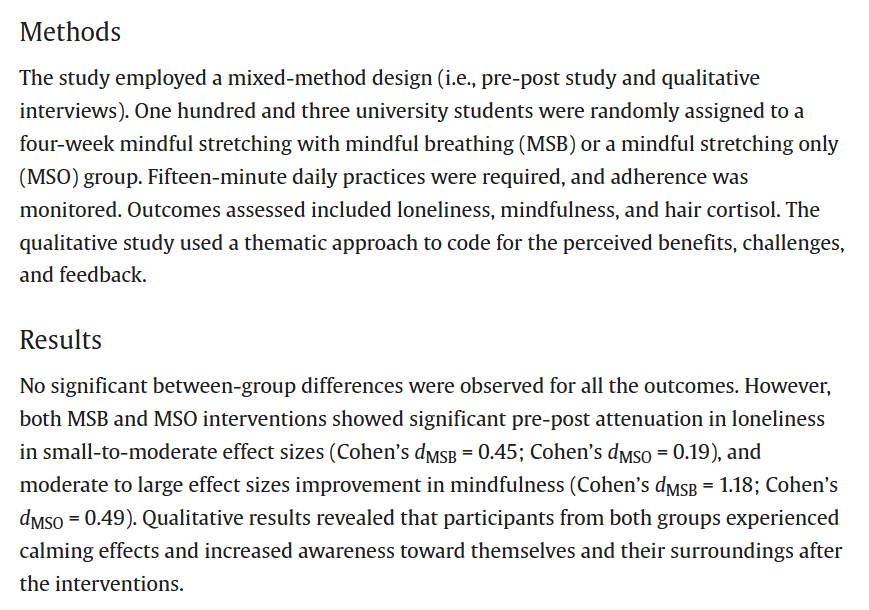
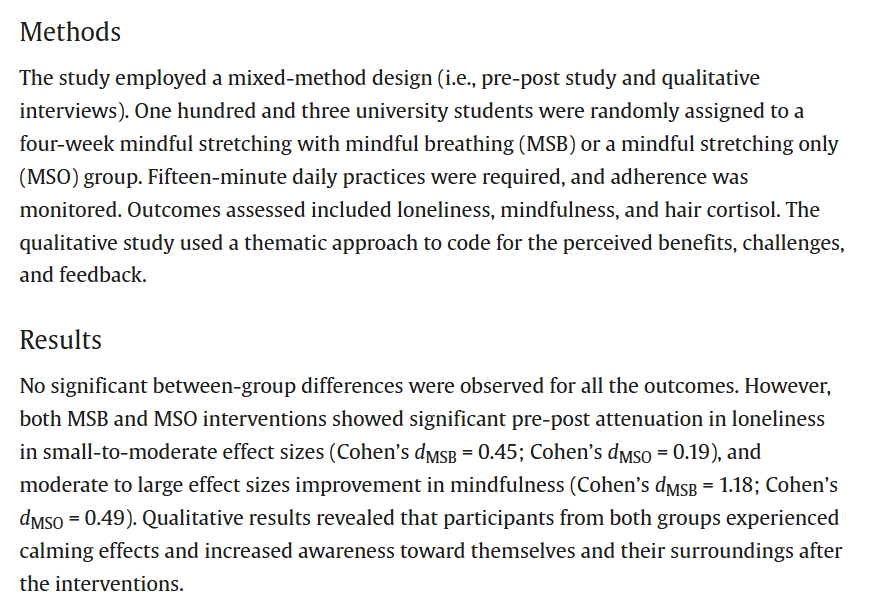
Gentle stretches like Balasana (Child’s Pose) or slow spinal twists signal your nervous system to switch from fight or flight to rest and digest. A study published in the Journal of Physiotherapy found that even 10 minutes of mindful stretching can lower cortisol levels and reduce the body’s stress response by up to 20%. It’s a direct invitation to your body to let go of the day.
- It Releases Tension
Hours of sitting, screens, and posture strain leave the body wound tight. Light movements like shoulder rolls or neck stretches release muscular tension, improving oxygen flow. Research in Sleep Medicine Reviews shows that easing tension before bed can shorten the time it takes to fall asleep by 5–10 minutes — giving your body a head start toward deep rest.
- It Quiets Your Mind
Pairing gentle movement with breathwork (like the 4-7-8 technique) slows brainwave activity and quiets mental chatter. According to Frontiers in Psychology, conscious breathing before bed can reduce pre-sleep anxiety by up to 25%, allowing the mind to soften into calm.
- It Helps You Stay Asleep
Stretching improves blood flow and supports natural melatonin release, promoting deeper, uninterrupted sleep cycles. The Sleep Journal notes a 20% improvement in melatonin production after relaxation-based evening routines. This directly supports slow-wave sleep — the stage where your body heals, regenerates, and detoxifies.
- It Aligns with Your Body’s Natural Rhythm
The ‘lukewarm’ element is key. Gentle movement creates mild muscle warmth followed by a cooling phase — mimicking your body’s natural temperature drop before sleep. Studies in Physiology & Behavior show this temperature rhythm can improve sleep efficiency by 30%, leading to fewer wake-ups and more restorative rest.
- Consistency Rewires Your Brain
When done nightly, this routine forms a powerful habit loop. Research in Nature Reviews Neuroscience confirms that consistent pre-sleep rituals train the brain to anticipate rest after 20–30 days. Over time, your body begins to recognize this practice as a signal — It’s time to sleep. And when that happens, deep rest becomes effortless.
In essence, this ritual blends physiology with mindfulness — helping you not just fall asleep, but return to balance before the night even begins.
The Bigger Picture: What You Gain
When practiced consistently, the Lukewarm Deep Sleep Routine transforms how your body feels, functions, and heals. You begin to notice sharper focus, emotional steadiness, and mornings that feel lighter instead of groggy. Sleep quality deepens, immunity retrains, and energy levels rise naturally.
For those recovering from chronic fatigue, burnout, or illness, this routine helps rewire the body’s rhythm — hormones start to balance, inflammation eases, and cellular repair becomes more efficient.
Because sleep isn’t passive; it’s an active state of healing. During deep sleep, the body detoxifies, the brain resets, and your system repairs from the inside out.
The Lukewarm Routine creates the conditions for your body’s beautiful intelligence to take over and do what it’s meant to.
“Sleep isn’t just rest — it’s your body’s superpower. This routine helps you access it.”
-Luke Coutinho

Final Reflection: Be Consistent, Not Perfect
You don’t need a perfect plan — just a few quiet minutes tonight. Start small: stretch, breathe, slow down, and let your body feel what it’s been missing. The magic lies in repetition, not intensity.
This isn’t a sleep hack or a 21-day challenge. It’s a lifelong practice — a nightly reminder that your body knows how to rest and heal when you create the right space for it.
Try it tonight and let your body tell you the difference.
Be educated, not influenced.
Frequently Asked Questions
- Can I combine the Luke Warm Deep Sleep Routine with light stretching exercises before sleeping?
Yes, absolutely. While the Luke Warm Deep Sleep Routine focuses on relaxation, breathwork, and winding down the nervous system, you can combine it with gentle stretching exercises before sleeping to enhance its benefits. Try restorative poses like Child’s Pose (Balasana), Legs Up the Wall (Viparita Karani), or a few slow Neck and Shoulder Rolls to release tension. These movements activate your parasympathetic nervous system—the body’s “rest and digest” mode—helping you fall asleep faster and stay asleep longer. - What is the parasympathetic nervous system and why is it important for deep sleep?
The parasympathetic nervous system (PNS) helps your body switch from an active “fight or flight” state to a calm, restorative one. When activated, it slows the heart rate, lowers blood pressure, and signals to your body that it’s safe to rest. Deep breathing, gentle stretches, and the Luke Warm Deep Sleep Routine all support this natural process, making it easier to enter deep sleep and repair at a cellular level. - Which bedtime exercises or sleeping stretch methods are best for relaxation?
The goal isn’t a workout—it’s gentle relaxation. The best bedtime exercises or sleeping stretch methods include Child’s Pose (Balasana) to calm the nervous system, Supine Spinal Twist for digestion and back relief, Legs Up the Wall to improve circulation, and Seated Forward Fold (Paschimottanasana) for nervous system balance. Keep movements slow, intentional, and paired with steady breathing to prepare your body for sleep. - How do deep sleep exercises help improve rest and recovery?
Deep sleep exercises such as mindful breathing, light yoga stretches, and relaxation rituals improve blood flow, regulate melatonin production, and quiet racing thoughts. They help shift the body from stress to recovery mode, allowing restorative sleep cycles to occur naturally. Over time, this improves focus, hormone balance, and overall well-being.
Ready to Experience Deep, Restorative Sleep?
Start small — with just a few mindful minutes tonight.
Let your body unwind, breathe, and remember what true rest feels like.
Know more about our Wellness Program.
Set up a one-on-one consultation with our integrative team by reaching out to us at
Call us 📞 1800 102 0253
Write to us ✉️ consults@lukecoutinho.com
Your body already knows how to heal — all it needs is the right environment to rest.
Disclaimer
This article is for educational and informational purposes only. It is not intended as medical advice or a substitute for professional healthcare consultation. If you experience persistent insomnia, fatigue, or any underlying health condition, please consult a qualified healthcare provider before making changes to your sleep or exercise routine.
The Lukewarm Deep Sleep Routine is a gentle, restorative practice meant to complement — not replace — medical treatment or prescribed therapies. Listen to your body, move mindfully, and adapt the steps to your comfort and health needs.
Resources:
https://doi.org/10.1016/j.explore.2025.103204.

Start Your Wellness Journey
Feeling inspired to take the next step in your wellness journey? Connect with us to explore how our tailored programs can support your health journey. Your transformation is just a conversation away.