No products in the cart.
Over the last 14 years, I’ve worked with thousands of clients across age groups, countries, and health conditions. And one of the most common complaints I hear? “Luke, I’m sleeping for eight hours, but I still wake up tired.” Here’s the truth—your body doesn’t just need sleep. It needs deep sleep and REM sleep in the right balance. These are the critical sleep cycle stages that repair your cells, balance your hormones, strengthen immunity, and clear mental fog. Without them, your body may rest, but it doesn’t recover.
It’s not about more sleep—it’s about better sleep. And the quality of your sleep is something you can change. In this article, I’ll walk you through the benefits of deep sleep, how to know if you’re missing it, and give you simple and sustainable tips on how to improve sleep quality and how to get more deep sleep—without relying on fancy hacks or pills.
REM Sleep vs Deep Sleep: What’s the Difference and Why It Matters
We often treat sleep as one big block of time, but it’s actually a rhythm made up of distinct sleep cycle stages, each doing a specific job. And two of the most important stages? REM sleep vs deep sleep. Deep sleep (also known as slow-wave sleep) is where real physical healing happens. Your body repairs muscles, regenerates cells, trains the immune system, and clears toxins. Miss this stage and you’ll wake up feeling groggy, inflamed, and low on energy, no matter how long you were asleep.REM sleep, on the other hand, is where your brain gets to work. One of the benefits of deep sleep is that it processes emotions, consolidates memory, and supports focus and mood. This is where mental and emotional balance is restored.I’ve seen it with clients—those who miss deep sleep feel drained physically. Those lacking REM often wake up anxious, unmotivated, or mentally cluttered. The balance of REM sleep vs deep sleepis non-negotiable if you want true recovery—body and mind.
Benefits of Deep Sleep: What Happens While You’re Out Cold
I’ve always said—deep sleep is the real doctor working the night shift. It’s not just nice to have, it’s a biological necessity. During this stage, your body switches into full repair mode.Your gut and liver finally get the space to do their jobs well.One of the biggest benefits of deep sleep? It reduces inflammation, the root cause of most chronic conditions today, from diabetes to hormonal imbalances. It’s also when your brain clears out waste proteins linked to memory decline.If you’re not getting enough deep sleep, no amount of supplements or workouts will give you the results you want. You’ll hit plateaus, feel sluggish, and struggle to recover from stress or illness.When clients shift their focus from just getting more sleep to deeper, quality sleep, we see breakthroughs in energy, healing, weight loss, and emotional resilience. This is where real transformation begins.
Sleep Cycle Stages: What Your Brain and Body Do at Night
When your head hits the pillow, your body doesn’t just shut down. It enters a rhythm, cycling through different sleep cycle stages every 90 to 110 minutes. You repeat this cycle four to six times a night, and each stage plays a specific role in keeping your body and mind in balance.It starts with Stage 1 (light sleep)—you’re drifting in and out, and your muscles relax.Stage 2 is where your heart rate slows, temperature drops, and your brain begins to block out noise—it’s preparing you for deeper rest.
Stage 3 is deep sleep—this is your body’s recovery zone.

Image by Freepik
Then comes REM sleep, where your brain gets its reset. You process emotions, build memory, and dream.
Why does this matter? Because if your sleep cycle stages are disrupted—due to late-night eating, blue light, stress, or alcohol—you may never hit enough REM sleep vs deep sleep, even if you’re in bed for eight hours.
Understanding this helps you work with your body, not against it. That’s how healing begins—by respecting your natural rhythm.
What Disrupts Your Sleep Cycle Stages?
If you’re waking up tired despite clocking in 7–8 hours, chances are you’re spending too much time in light sleep and not enough in REM sleep or deep sleep. That usually means your sleep cycle stagesare out of balance. Here’s what could be interfering:
- Uncontrolled stress: Keeps your body in fight-or-flight mode, making it harder to settle into deep, restorative sleep.
- Poor eating habits: Heavy dinners, late-night snacking, or erratic meal timings disrupt your circadian rhythm.
- Ultra-processed foods: Loaded with additives, hidden sugars, and unhealthy fats—they increase inflammation and can delay the body’s ability to wind down.
- Excessive substance use: Alcohol, tobacco, and caffeine interfere with melatonin production and sleep quality.
- Screens before bed: Blue light from your gadgets delays melatonin release and overstimulates the brain.
- Lack of physical movement: Regular exercise builds sleep pressure—without it, the body struggles to drop into deep sleep.
- Cluttered emotions and thoughts: Mental overload can block your transition into REM sleep, where emotional healing and memory consolidation take place.
Your nights are shaped by how you live your days. Wondering how to improve sleep quality? Start there.
How to Get More Deep Sleep (and Better REM Too)
I remember a client—a young mother juggling work, home, and two toddlers. She was clocking in eight hours of sleep, but still waking up exhausted, craving sugar, and struggling with mood swings. When we looked closer, we realised her body wasn’t getting enough deep sleep or REM sleep—because her lifestyle didn’t allow it to.So if you’re wondering how to get more deep sleep, start with these gentle reflections:
- When do you eat your last meal?
Aim to finish dinner at least two to three hours before bedtime. This gives your digestive system a break and helps your body transition into the slower sleep cycle stages. - What does your wind-down routine look like?
Instead of screen time, consider gentle breathwork, a warm shower, or a calming tea like chamomile or tulsi. These signal your nervous system that it’s safe to rest. - Is your room sleep-ready?
Cool, dark, and quiet are your best friends. A slightly cooler room temperature (around 18–20°C) supports deeper, uninterrupted sleep. If needed, try blackout curtains, white noise, or an eye mask. - How’s your breathing at night?
Mouth breathing or snoring may reduce oxygen supply and disrupt REM sleep. Gentle mouth taping or nasal strips can help, and if you suspect sleep apnea, consult a sleep therapist. Don’t ignore repeated night wakings, nightmares, or restless sleep. - Are you moving enough during the day?
Your sleep quality is built long before bedtime. Walks, yoga, and mindful stretching—even 20–30 minutes—help regulate your circadian rhythm and deepen your sleep naturally. - Do you take time to mentally slow down?
Just five minutes of silence, prayer, or gratitude before bed can shift your body into the parasympathetic rest and digest state, where deep sleep truly begins.

Image by Freepik
The answer to how to get more deep sleep isn’t complicated. It’s in your rhythm, your habits, and how you honour your body’s need for safety, stillness, and surrender.Start small. Stay consistent. And trust that your body wants to heal—it just needs the right environment.
How to Improve Sleep Quality from the Inside Out
Over the years, I’ve come to realise that sleep quality isn’t just built at bedtime—it’s shaped by how you live every day. If you want to know how to improve sleep quality, look beyond sleep hacks. Tune in to how you nourish, move, breathe, and unwind. Here’s how each pillar of lifestyle plays a role:
- Deep Cellular Nutrition
Your plate affects your pillow. Whole foods rich in magnesium, healthy fats, and fiber support deeper sleep cycle stages. Eat dinner at least two to three hours before bed. And here’s the important one—limit alcohol, tobacco, excessive sugar, and ultra-processed foods for improved sleep quality. These don’t just affect digestion—they disrupt REM sleep vs deep sleep.
Disclaimer: Every individual is unique. What works for one person may not work for another. Always consult your doctor or healthcare professional before making dietary changes, starting supplements, or stopping medication. Informed decisions made under expert guidance ensure safe and sustainable results.
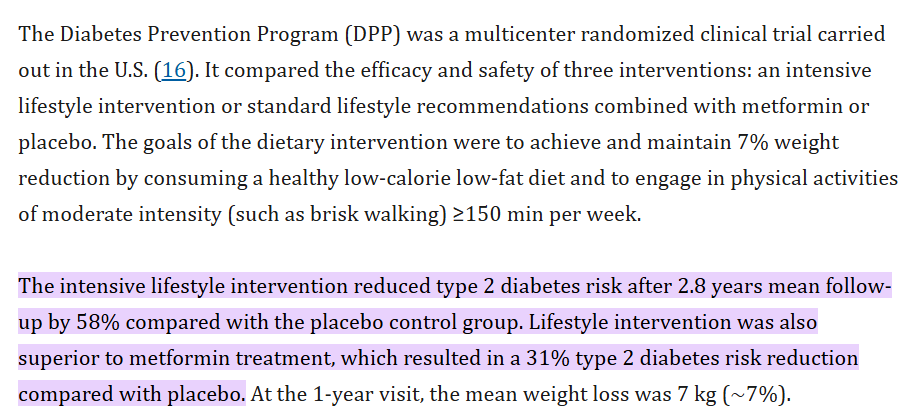
Source: Carissa Gardiner, Jonathon Weakley, Louise M. Burke, Gregory D. Roach, Charli Sargent, Nirav Maniar, Minh Huynh, Dean J. Miller, Andrew Townshend, Shona L. Halson, The effect of alcohol on subsequent sleep in healthy adults: A systematic review and meta-analysis, Sleep Medicine Reviews, Volume 80, 2025, 102030, ISSN 1087-0792, https://doi.org/10.1016/j.smrv.2024.102030.
- Adequate Movement
Movement regulates circadian rhythms and reduces sleep latency. Aim for 20–30 minutes of intentional movement daily—whether it’s strength training, a brisk walk, or yoga. It’s one of the simplest ways to naturally get more deep sleep. - Emotional Wellness
Stress and unresolved emotions are a major cause of disrupted sleep. Reflect, journal, or talk it out during the day—so your thoughts don’t hijack you at night. Emotional balance helps your body enter and stay in the deeper sleep cycle stages. - Breathwork
Your breath is always available. Breathwork resets the nervous system and shifts you into the parasympathetic state—where deep sleep happens. Try alternate nostril breathing, 4-7-8 breath, or even five slow breaths before bed. - Spiritual Connection
Peace of mind leads to peace at night. Whether it’s prayer, silence, or gratitude—these rituals quiet the mental chatter and invite the body into rest. They also support the integration that happens during REM sleep, where your brain processes emotions and memory.
The body loves consistency. Sleeping and waking at the same time daily supports hormone balance and teaches your brain how to get more deep sleep naturally. Disruptive patterns—like late-night snacking or doom-scrolling—confuse your system.In the end, the question isn’t just how to improve sleep quality—it’s how to live in a way that invites sleep in. When your lifestyle supports healing, your body remembers how to rest. And that’s where recovery begins.
Final Word: Sleep Smarter, Not Just Longer
Sleep is where healing happens—but it’s not just about what you do at night. It’s shaped by how you eat, move, breathe, think, feel, and live through the day. When you start honouring all six pillars—deep cellular nutrition, adequate movement, quality sleep, emotional wellness, spiritual connection, and breath—you don’t just sleep better, you live better. Every small shift matters. You don’t need perfection, you need intention. So tonight, instead of chasing hacks, ask yourself—how did I show up for myself today? Because real sleep is earned, not forced. And healing starts with how you live.
Ready to Make Your Sleep Health a Priority?
Start your journey with one positive action today.
Check Out Our Exclusive Wellness Program with Luke.
Looking for personalized advice? Reach Out to Team Luke’s Integrative Health Coaches!
Book a one-on-one with our team. Call: 1800 102 0253 or write to us at [email protected].
Disclaimer: The information provided in this blog is intended for educational purposes only and is not a substitute for professional medical advice, diagnosis, or treatment. Always consult with your healthcare provider before making any changes to your nutrition, exercise routine, or lifestyle. The effectiveness of the REM sleep vs deep sleepstrategies mentioned may differ from person to person. The content is based on current research, but it is important to remember that science and health recommendations may evolve over time.