
Everybody is chasing probiotics today. What is the hype surrounding it? Let us decode.
Think of your gut microbiome as an intelligent and diverse colony of trillions of strains of bacteria, fungi, bacteria, and viruses – both good and bad. When the bad gut bugs overnumber the good bugs, you have an imbalanced gut. It can become a pathway for several health issues.
It makes it crucial to populate your gut with good bacteria to maintain harmony and balance. One beautiful way to do this, among several other lifestyle changes, is to incorporate gut-friendly foods like probiotics in your meals.
What Are Probiotics And Why Your Gut Needs Them?
Probiotics are live microorganisms that, when consumed in the right amounts, offer several health benefits, especially for digestion and immunity. They’re often called ‘friendly bacteria’ because they help maintain balance in your gut microbiota — the ecosystem of bacteria, fungi, and other microbes that live in your digestive tract.
But probiotics are only one part of the story. For your gut to truly thrive, it also needs prebiotics and postbiotics. Together, they form a powerful trio for better digestion, immunity, and overall wellness.
Here’s a simple breakdown:
| Probiotics | Prebiotics | Postbiotics | |
| What they are | Live microorganisms (good bacteria) | Non-digestible fibers that feed probiotics |
Byproducts are released when probiotics ferment prebiotics |
| Examples in food | Yogurt, kanji, sauerkraut, kimchi, kefir | Onions, garlic, bananas, oats, asparagus | Short-chain fatty acids (SCFAs), peptides, and enzymes (not directly eaten but produced inside your gut) |
| Primary role | Repopulate your gut with good bacteria | Nourish and support probiotics so they can multiply | Strengthen gut lining, reduce inflammation, improve immunity |
| Why they matter | Help restore balance, improve digestion, and support immunity | Provide “fuel” for probiotics to thrive | Deliver the actual health benefits of fermentation in your gut |
Why Focus On Probiotics First?
Among the three, probiotics are often the first step because they directly introduce beneficial bacteria into your system. From fermented drinks like kanji to staples like kimchi, these are some of the best probiotics for gut health naturally. When combined with prebiotic-rich foods (like garlic and oats), the benefits multiply — giving your body the right balance of microbes and the nutrients they produce.
How Do Probiotics Help?
- Improve digestive health
- Aid nutrient absorption
- Alleviate digestive issues (diarrhea, acidity, bloating, flatulence, constipation, IBS, IBD, and so on)
- Enhance your immunity. How? 70% of it lies in your gut.
- Stimulate the production of antibodies and strengthen the gut barrier, thus preventing harmful pathogens from entering the bloodstream and potentially causing infections.
- When you consume them alongside antibiotics, they minimize the chances of antibiotic-associated diarrhea and related side effects.
- Reduce chronic inflammation, the number one cause of most health issues
- Improves mental health. Research suggests that the gut-brain axis, the bidirectional communication between the gut and the brain, plays a role in influencing mental health. Probiotics might positively impact mood and alleviate symptoms of anxiety and depression.
- Maintain vaginal health and microbiome and reduce the risk of vaginal infections and urinary tract infections (UTIs).
- And much more…
Now you may wonder – Is incorporating probiotics into your diet complicated? No.
While you can also get probiotic supplements under the prescription of your healthcare expert, your first line of action must be to explore natural sources.
4 Easy Fermented Foods Recipes to Try at Home
Today, we want to share delicious and easy homemade probiotic-rich recipes you can try at home.
Homemade Probiotic #1 – Beetroot/Carrot Kanji
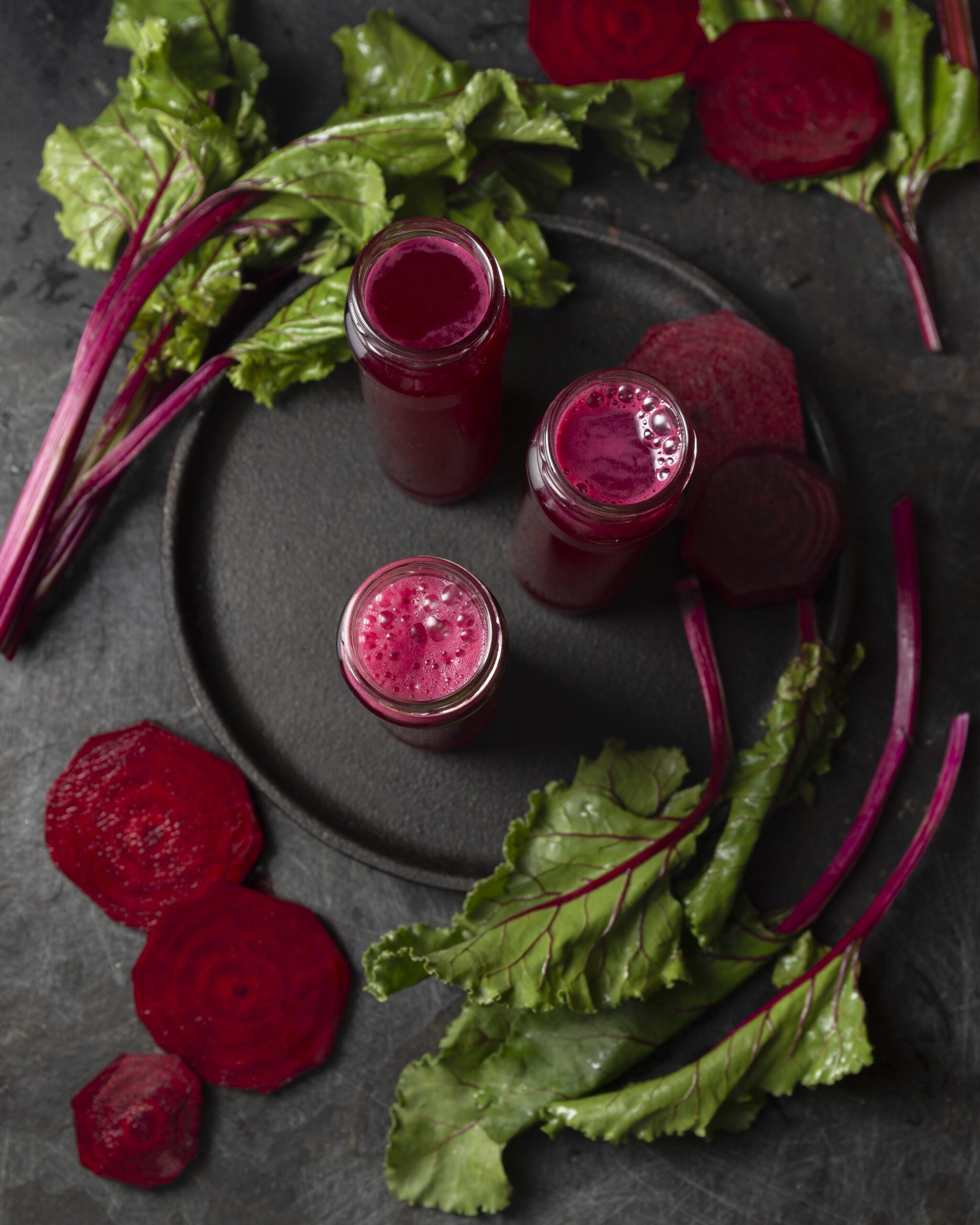
Ingredients:
- 1 cup beetroot, cut into 1-inch sticks or 1 cup carrots, cut into 1-inch sticks
- 2 tbsp ground mustard powder
- 1⁄2 tsp Kashmiri chili powder
- 4-5 cups of water
Method:
- Take a big, clean, and sterilized glass jar. Add all the ingredients to it.
- Cover the jar with a lid or a muslin cloth.
- Place the jar in direct sunlight for 3-4 days. During this time, the fermentation process will take place.
- Stir the contents of the jar using a wooden spoon every day.
- After 3 to 4 days, taste the kanji. It must have a sour flavor. If it is not sour enough, you can leave the jar in the sun for longer, especially in winter when fermentation takes more time.
- Once the kanji reaches the desired sourness, it is ready to drink.
Please note: Kanji has a sour and pungent taste, characteristic of fermented beverages.
Homemade Probiotic #2 – Sauerkraut
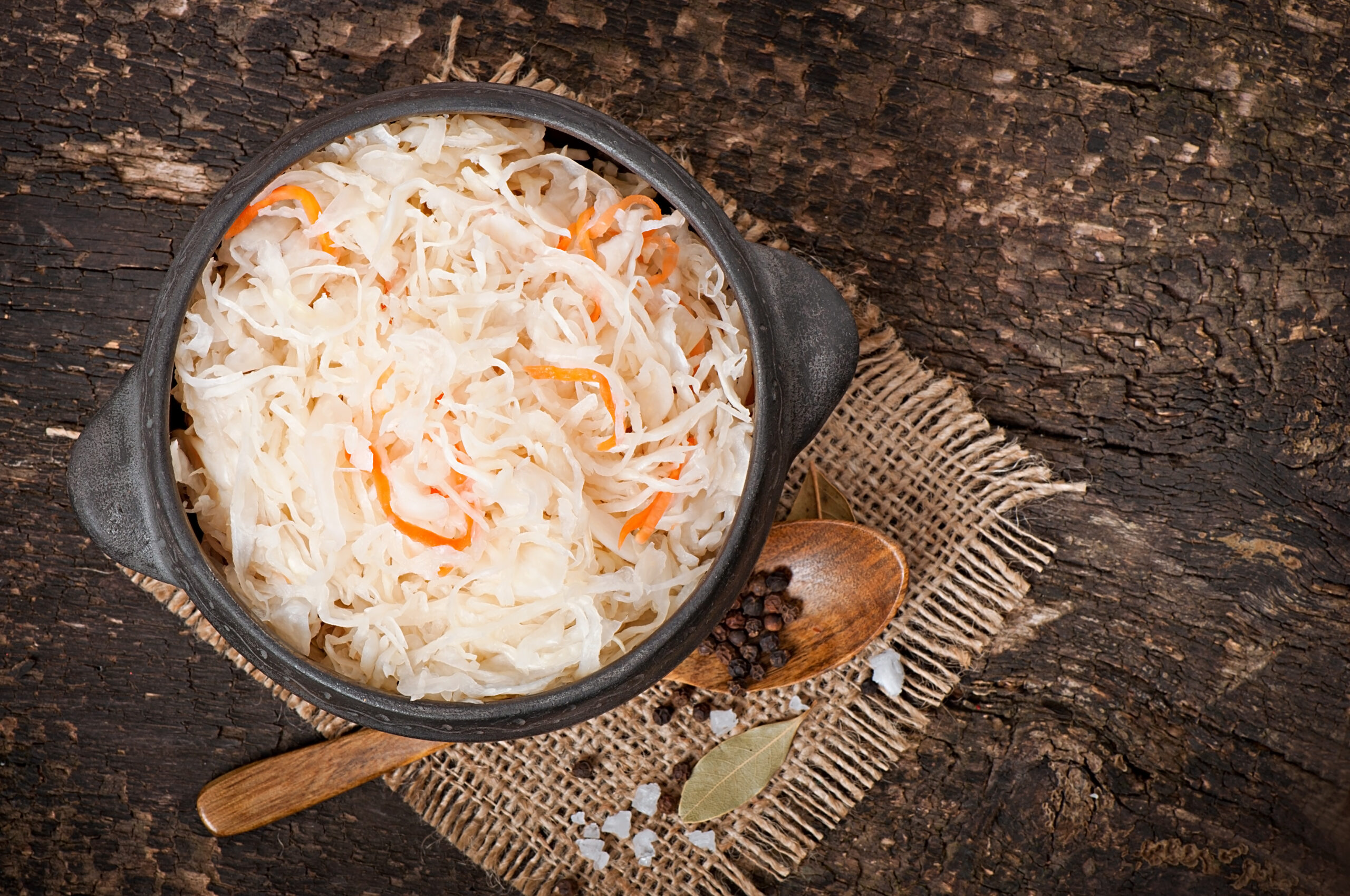
Ingredients:
- A medium-sized head of green cabbage
- 1 tbsp rock salt
- 1 tbsp ajwain (bishop’s weed/carom seeds), optional for flavor
- Mason jars for storage
- A clean cloth to cover the jar
- A rubber band or twine to secure the cloth
Method:
- Clean all the utensils. Wash and dry the mason jar well.
- Slice the cabbage and discard any wilted outer leaves.
- Cut the cabbage into quarters and remove the core.
- In a big bowl, combine the cabbage and salt. If you want to add flavor, add ajwain seeds.
- Massage and squeeze the cabbage with your hands, working the salt into it.
- Continue this process until the cabbage becomes soft and releases its liquid.
- Pack the cabbage tightly into the mason jar, pushing it down with your fist, as required.
- Pour any liquid released by the cabbage while massaging into the jar.
- Cover the mouth of the jar with a clean cloth and secure it with a rubber band or twine.
- Press down on the cabbage every few hours to ensure it remains submerged in its liquid.
- If after 24 hours, the liquid hasn’t risen above the cabbage, dissolve a teaspoon of salt in 1 cup of water and add enough to submerge the cabbage.
- Ferment the cabbage for 3 to 10 days. Check it daily. If the cabbage floats above the liquid, press it down.
- Start tasting the sauerkraut after 3 days. When it reaches the desired sourness, transfer it to the refrigerator to slow down the fermentation process.
Please note: You can store the sauerkraut in the refrigerator for several weeks or months.
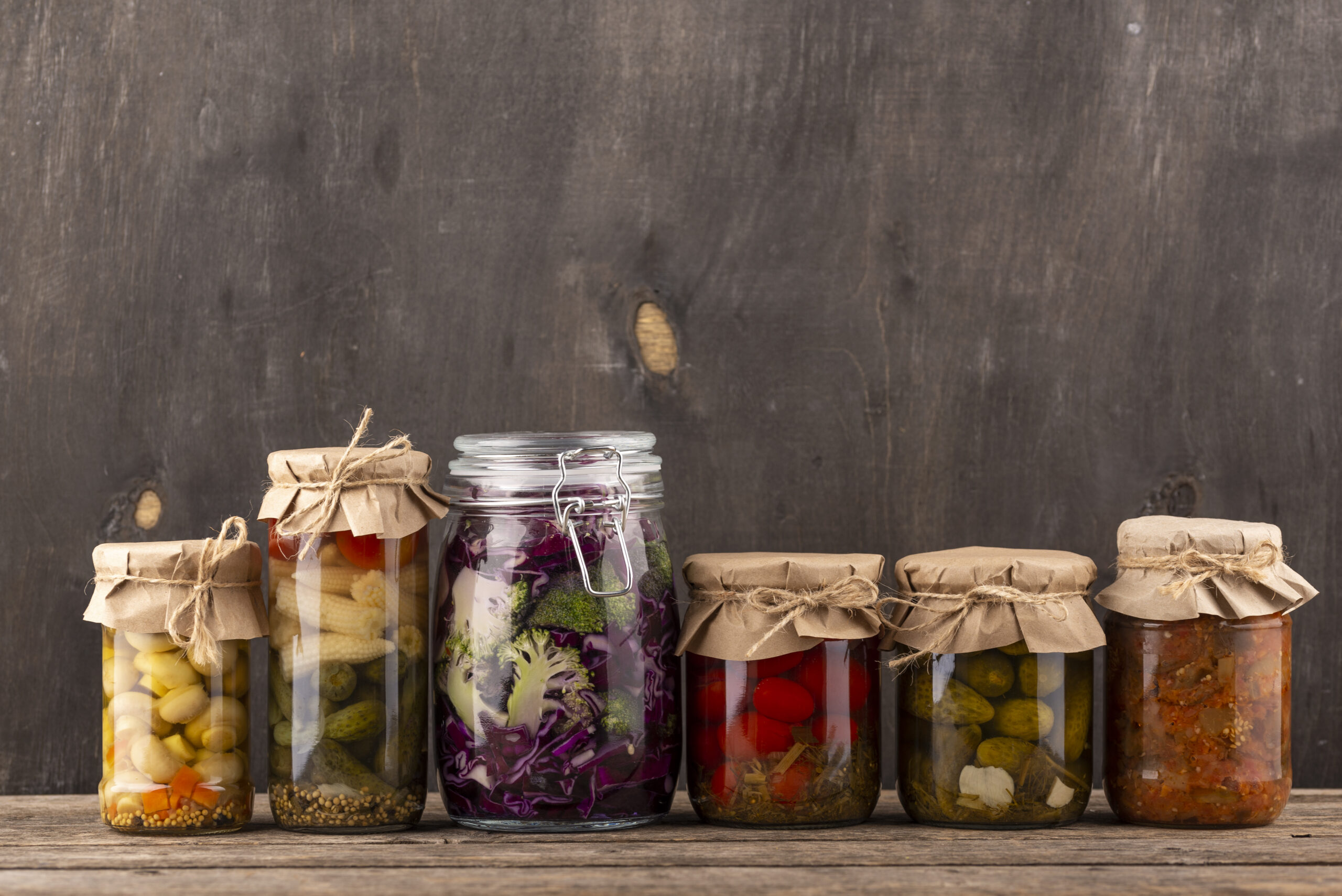
Homemade Probiotic #3 – Fermented Pickle
Ingredients
- A sterilized jar
- 3-4 cucumbers, whole/sliced
- 3-4 garlic cloves
- 1 clove, coarsely crushed
- 2 tsp black pepper powder
- 1/4 tsp mustard powder
- 1-inch sliced ginger
- 1 bay leaf or star anise
- 3% brine – 1000 ml water with 10 gms of pink salt
- Add ons – carrot/beetroot/radish/cauliflower/basil/gooseberry
Method
- In a glass jar, place the cucumber vertically. Keep the placement tight.
- Leave 1⁄4th space on the top.
- Add all the ingredients except the brine.
- Prepare the brine and pour it into the jar until it covers the cucumbers.
- Place a cabbage leaf on top to ensure the brine submerges the cucumbers.
- Close the lid or seal the jar using a clean handkerchief.
- Store it in a dark place for 3 to 4 days. Keep an eye out for molds.
- A pleasant sour smell is a sign of good fermentation.
- Once fermented, store it in the refrigerator.
- Consume 15 to 20 gms as a condiment with meals.
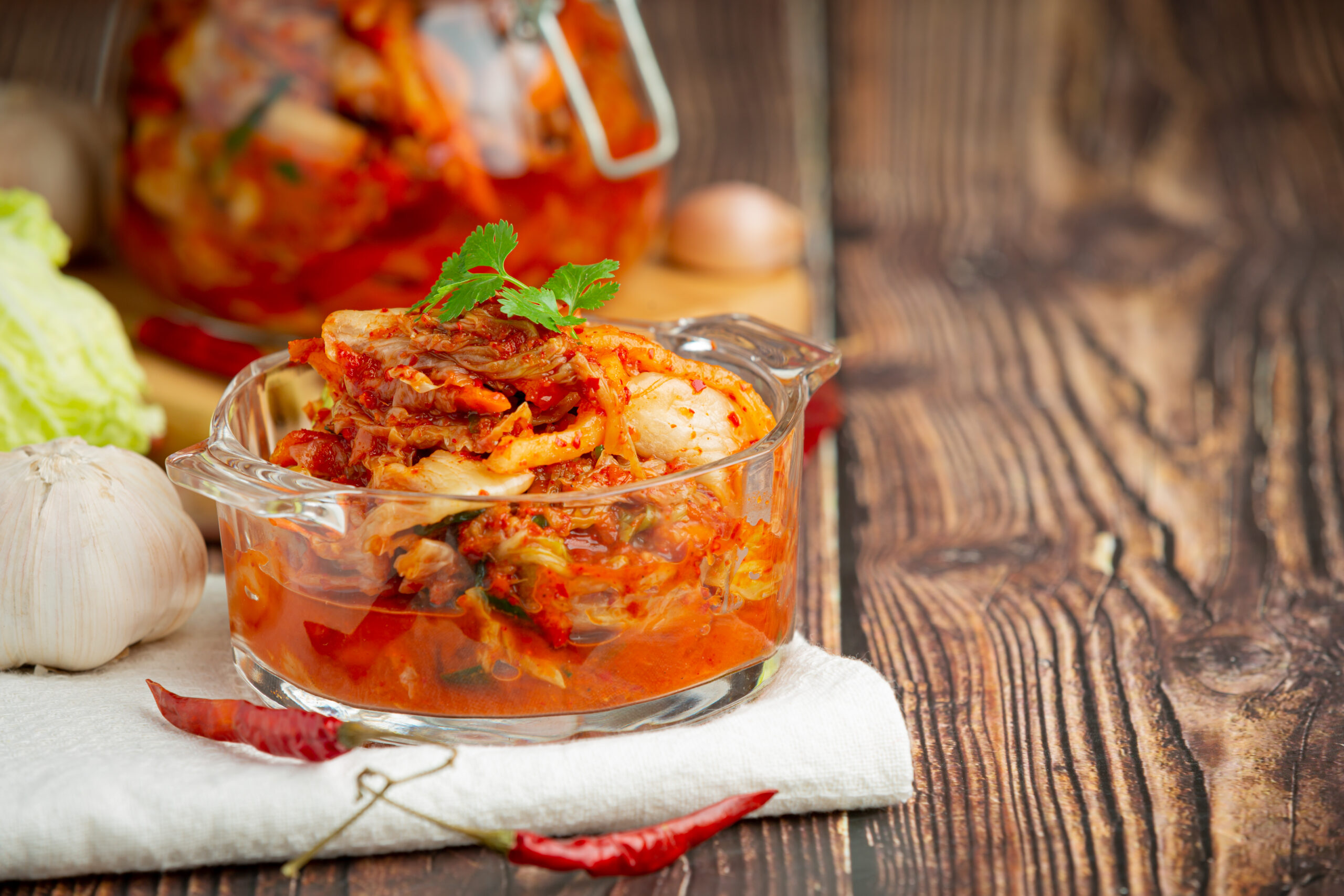
Homemade Probiotic #4 – Kimchi
Ingredients:
- 1 medium-sized napa cabbage
- 1/4 cup rock salt
- 1 radish, julienned
- 3 carrots, julienned
- 4 green onions, chopped
- 4 cloves garlic, minced
- 1 tbsp grated ginger
- 3 tbsp cayenne pepper flakes
- 1 tbsp coconut aminos
- 1 tbsp organic coconut sugar
Method:
- Cut the cabbage into quarters and remove the core. Shred the cabbage into bite-sized pieces and place them in a large bowl.
- Sprinkle rock salt over the shredded cabbage. Ensure it is evenly distributed. Mix well and let it sit for about 2 hours. It will help to draw out excess moisture from the cabbage.
- Combine minced garlic, grated ginger, cayenne pepper flakes, coconut aminos, and organic coconut sugar in a separate bowl. Mix well to create a paste.
- Add the radish, carrots, and green onions to the bowl of cabbage. Pour the paste over the vegetables and toss everything together, ensuring that the vegetables are well coated with the paste.
- Transfer the kimchi mixture into a clean jar or airtight container.
- Press down the vegetables to remove air bubbles and ensure the liquid submerges them fully.
- Leave the jar at room temperature for about 1-2 days to allow the fermentation process to begin.
- After that, transfer the kimchi to the refrigerator and let it ferment for at least 5-7 days, or longer if desired. The longer it ferments, the more tangy and flavorful it will be.
- Once fermented to your liking, your homemade kimchi is ready to be enjoyed!
- Serve it as a side dish or add it to soups or stews.
Please note: It is important to use clean utensils and containers throughout the process to avoid any contamination. The fermentation process can create gas, so remember to burp the jar occasionally to release any built-up pressure.
Other Gut-Friendly Foods You Can Try
Beyond homemade recipes, here are some simple gut-friendly foods you can include in your daily diet:
- Yogurt – A familiar staple packed with live cultures that support digestion and immunity.
- Kefir – A tangy fermented milk drink richer in probiotics than yogurt.
- Kombucha – A fizzy, tea-based drink that provides both probiotics and organic acids for gut balance.
- Miso – A fermented soybean paste used in soups and marinades that promotes better digestion.
- Tempeh – A protein-rich soybean product that doubles as one of the best probiotics for gut health naturally.
- Buttermilk – Traditional buttermilk (not the packaged kind) contains beneficial bacteria that aid digestion.
- Cottage Cheese – Certain varieties are cultured and deliver a mild dose of probiotics.
- Natto – A Japanese soybean dish rich in probiotics and vitamin K2, great for gut and bone health.
- Pickled Cucumber – Naturally fermented pickles (without vinegar) provide beneficial bacteria for gut balance.
Best Practices for Fermentation Success
Making homemade probiotics at home is simple, but a few best practices can make all the difference between a batch that turns out delicious and one that spoils. Fermentation is a natural process, and small tweaks in temperature, humidity, or handling can affect the outcome. Here’s how you can set yourself up for success when experimenting with fermented foods recipes.
Ideal Fermentation Conditions
- Temperature matters: Most ferments do well at room temperature (around 20–25°C). Too hot and they may spoil, too cold and the process slows down.
- Humidity helps: A moderately humid environment encourages even fermentation. Dry conditions may cause the top layers to harden.
- Keep it clean: Always use sterilized jars and clean wooden or glass spoons to avoid contamination.
Good vs. Bad Fermentation
How do you know if your batch of gut-friendly foods is on the right track?
| Good Fermentation Signs | Bad Fermentation Signs |
| Pleasant sour, tangy smell | Foul, rotten, or cheesy odor |
| Bubbles or fizz (a sign of active fermentation) | Mold growing on the surface (white film can be yeast and is usually harmless, but green/black mold is a no-go) |
| Vegetables taste crunchy, tangy, and refreshing | Slimy texture or mushy vegetables |
| Brine is clear to slightly cloudy | Brine is discolored or has unusual floating matter |
If in doubt, remember: when in doubt, throw it out.
Dos and Don’ts of Fermentation
| Dos | Don’ts |
| Use filtered water to avoid chlorine, which can hinder fermentation | Don’t use metal spoons or lids that are directly in contact with ferments |
| Keep vegetables fully submerged in brine | Don’t leave ingredients floating above liquid (risk of mold) |
| Taste test regularly to monitor sourness | Don’t wait too long without checking—over-fermentation can ruin flavor |
| Store finished ferments in the fridge to slow down activity | Don’t ignore signs of spoilage like odd colors or slimy textures |
Disclaimer: Certain cruciferous or raw vegetables may interact with medications or have specific effects on thyroid function, blood pressure, and kidney health. It is crucial to discuss any potential interactions or concerns with a healthcare professional to ensure the safe and appropriate consumption of these vegetables.
Please keep your healthcare provider informed before introducing any new food items into your lifestyle, especially if you have a medical condition or are taking medications. If you have any known food allergies, it is important to avoid those specific foods.
Who Should Be Careful with Probiotics
While homemade probiotics and other gut-friendly foods can support digestion and immunity, they are not for everyone. For most people, fermented foods are safe, but there are situations where caution is needed.
People with Small Intestinal Bacterial Overgrowth (SIBO):
Since probiotics add more bacteria into the gut, they may worsen bloating, gas, or discomfort in individuals already struggling with bacterial overgrowth.
Those with weakened immune systems:
Individuals undergoing chemotherapy, organ transplants, or long-term steroid treatment should consult their doctor before adding probiotics, as their bodies may not respond well to additional live microbes.
Patients with severe gut infections or pancreatitis:
In rare cases, probiotics can complicate recovery when the gut lining is inflamed or weakened.
Individuals with specific medical conditions:
People with uncontrolled diabetes, liver cirrhosis, or kidney disease may need to avoid certain fermented food recipes that are too salty or high in histamines.
Allergies and food sensitivities:
Some probiotic-rich foods contain common allergens (like dairy or soy). Always read labels or prepare your own homemade probiotics to stay safe.
Final Thoughts
Probiotics are not a quick fix or a magic solution — but when used mindfully, they can become a powerful ally for your gut, digestion, and overall well-being. From kanji to kimchi, simple homemade probiotics give you control over ingredients, freshness, and quality, making them some of the best probiotics for gut health naturally.
Remember, nurturing your gut goes beyond adding a spoonful of sauerkraut or a glass of kanji. It’s about adopting a holistic lifestyle — eating balanced meals, managing stress, sleeping well, staying active, and keeping your body in harmony.
If you’ve been struggling with persistent digestive issues, low energy, or autoimmune conditions, know that you don’t have to figure it out alone. Personalized care can help you understand what works for your unique body.
Your gut is your second brain — take care of it, and it will take care of you.
Disclaimer: This blog is for informational purposes only and not a substitute for medical advice. Probiotics and fermented foods may not suit everyone. Please consult your healthcare provider before making dietary changes, especially if you have a medical condition or allergies.
Have excellent probiotic recipes that you love? Drop them in the comments.
Remember, probiotics are not magical. Healing and rebuilding the gut needs a holistic approach.
If you are struggling with persistent gut issues or autoimmune conditions, we help you find a way.
Know more about our holistic Gut Health Program here.
Want to set up a one-on-one consult with our Gut Health experts?
Write to us at consults@lukecoutinho.com, WhatsApp us here or call 1800 102 0253.

Start Your Wellness Journey
Feeling inspired to take the next step in your wellness journey? Connect with us to explore how our tailored programs can support your health journey. Your transformation is just a conversation away.