
Over the years, I’ve met hundreds of men — strong, disciplined, successful — who struggle silently with fertility issues. They come in for fatigue, low energy, or hormonal imbalances, and somewhere along the line, we discover that fertility is also affected.
What’s surprising is that in nearly 50% of infertility cases, the male factor plays a role. (Leslie SW, Soon-Sutton TL, Khan MAB. Male Infertility. [Updated 2024 Feb 25]) Yet, we rarely talk about it. It’s often brushed aside, hidden under labels like ‘stress,’ ‘age,’ or ‘just bad luck.’

But male infertility isn’t a sentence, it’s a signal. A signal from your body asking for balance.
And here’s the good news — science now confirms that small, consistent lifestyle changes can make a massive difference.
Your nutrition, movement, sleep, emotional well-being, and even your exposure to toxins directly influence your reproductive health and testosterone balance.
Here, we’ll understand:
- The real male infertility causes that often go unnoticed
- The early signs of male infertility that every man should watch for
- And most importantly, how to improve male fertility naturally, through simple and sustainable lifestyle shifts — not quick fixes.
Because fertility isn’t just about the ability to conceive. It’s a reflection of your hormonal harmony and cellular health.
And when you start to heal at that level — everything changes.
Understanding Male Infertility
Male infertility refers to a man’s inability to contribute to conception, usually due to problems with sperm production, quality, motility (movement), or delivery. Sometimes it’s hormonal. Sometimes it’s structural. But more often than not, it’s linked to how we live — our sleep, food, stress, and environment.
A Global Decline We Can’t Ignore
Global sperm counts have dropped by more than 50% over the past five decades. That’s an alarming statistic — and it’s not just about reproduction.
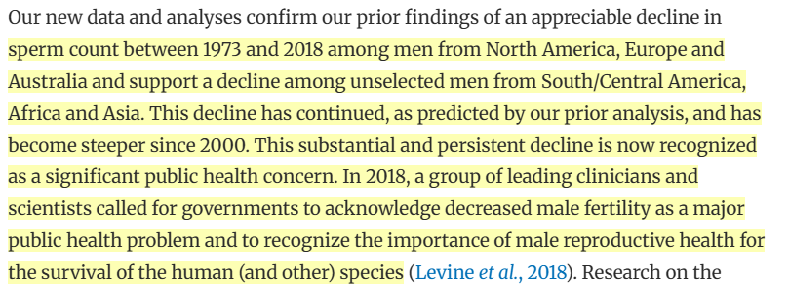
Declining sperm quality is an indicator of deeper metabolic and hormonal imbalances — often tied to stress, sedentary lifestyles, poor nutrition, endocrine-disrupting chemicals (EDCs), and environmental toxins.
In simpler terms:
- Your fertility reflects your overall health.
- Your sperm health mirrors your cellular and hormonal health.
Why Fertility Reflects Overall Health
Low testosterone, poor sperm quality, and low libido often go hand-in-hand with:
- Fatigue and poor recovery
- Weight gain (especially around the belly)
- Mood fluctuations and brain fog
- Sleep issues and low energy
These are early warning signs that your hormonal ecosystem needs attention.
Male infertility isn’t a standalone condition; it’s a metabolic and lifestyle disorder in many cases.
The same things that harm your heart, gut, and brain — chronic stress, processed foods, toxins, poor sleep — also harm your sperm and hormones.
The silver lining?
Just as your lifestyle can harm fertility, it can also heal it.
When you start focusing on the basics — movement, real food, sleep, emotional well-being, and toxin-free living — your body begins to reset. And sperm health, like every other system in your body, starts to follow.
Male Infertility Causes: The Hidden Factors Affecting Men Today
Let’s break down into what science and experience tell us are the major contributors.
Medical Causes
Some men face medical conditions that directly impact sperm production, quality, or hormonal balance.
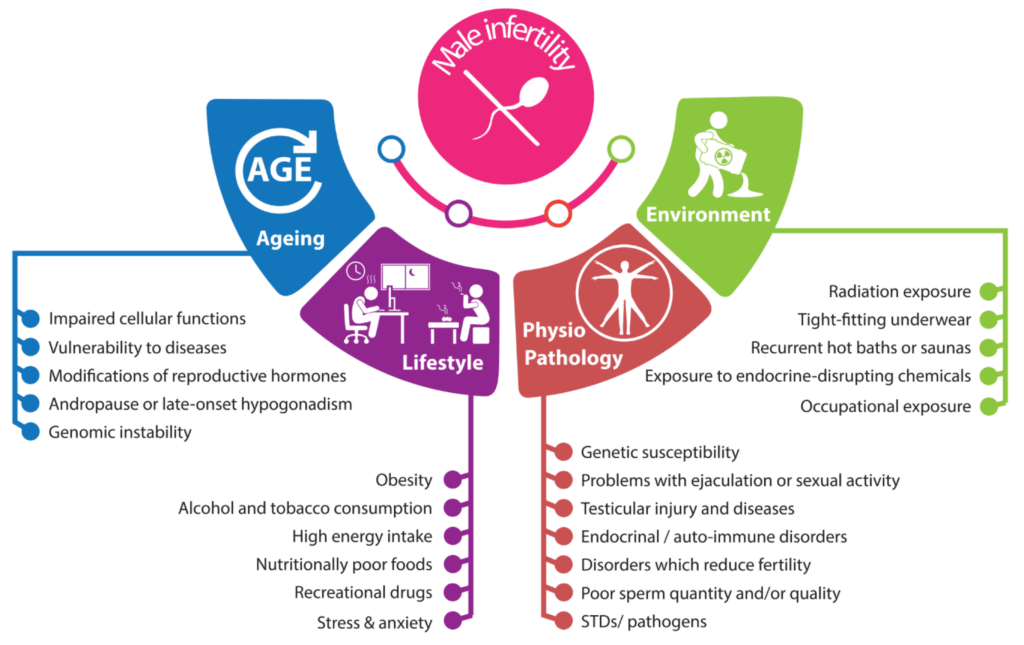
- Low Sperm Count or Motility (Asthenozoospermia): This means your sperm aren’t moving effectively. Low motility is one of the leading causes of male infertility, often linked to oxidative stress and poor testicular blood flow.
- Hormonal Imbalances: Low testosterone and high estrogen levels can disrupt sperm production. An imbalance in FSH (follicle-stimulating hormone) and LH (luteinizing hormone), the pituitary hormones that control testicular function, can also impact fertility.
- Varicoceles: These are enlarged veins in the scrotum that increase testicular temperature, leading to poor sperm quality. They are one of the most common yet correctable medical causes of male infertility.
- Infections and Genetic Factors: Certain infections or genetic mutations can affect sperm formation, count, or shape — though these cases are less common compared to lifestyle and environmental causes.
Lifestyle Causes
Your daily choices — what you eat, how you move, how you rest — are often the biggest male infertility causes we can actually control.
- Poor Nutrition: Meals high in refined sugar, processed foods, and low in antioxidants or healthy fats create oxidative stress, damaging sperm DNA. Studies show that antioxidants like Vitamin C, E, zinc, and selenium improve sperm count and motility.
- Alcohol, Smoking, Vaping, and Recreational Drugs: These not only lower testosterone but also directly impair sperm structure and motility. Alcohol increases estrogen levels in men, while smoking introduces heavy metals like cadmium, known to harm sperm DNA.
- Chronic Stress and Sleep Deprivation: Cortisol, your stress hormone, directly suppresses testosterone. Lack of sleep further reduces sperm quality and increases inflammation. As I often say, “Your hormones don’t reset in the gym, they reset while you sleep.”
- Sedentary Lifestyle or Overtraining: Both extremes hurt fertility. Sitting for long hours overheats the testes and reduces sperm production, while overtraining raises oxidative stress and lowers testosterone. Balance is key.
Environmental Causes
We live in an age of convenience — but it’s also an age of hidden toxins. Everyday chemicals can mimic hormones and silently disrupt fertility.
- Endocrine Disruptors: Found in plastics, pesticides, personal care products, and packaged foods — these compounds mimic estrogen and interfere with testosterone and sperm production. They are one of the leading environmental causes of male infertility in the past decade.
- Heavy Metals: Lead, mercury, and cadmium exposure — from polluted air, seafood, or industrial sources — have been linked to lower sperm quality and hormonal imbalance.
- Heat and Radiation Exposure: Laptops on laps, tight clothing, saunas, and even excessive phone use in pockets can raise scrotal temperature, which directly lowers sperm count.
Signs of Male Infertility: Subtle Signals Your Body May Be Sending
When it comes to health, most men wait until something goes seriously wrong before taking action. But the truth is — the body always whispers before it screams.
And when it comes to fertility, those whispers often show up as subtle shifts in energy, libido, or mood that we tend to brush off.
Across my consultations, I’ve seen this repeatedly — men who say, “I feel fine,” yet show early physiological signs that their reproductive and hormonal health are under stress.
Recognizing these early signs of male infertility can help you make timely changes — before things get complicated.
Here are some of the most common signs science and experience have shown us to look out for:
Low Libido or Erectile Dysfunction
A reduced interest in intimacy or difficulty sustaining erections is often the first red flag.
- Low testosterone levels, high stress, and poor blood circulation can all impair sexual function — and serve as early signs of male infertility.
Abnormal Semen Volume or Texture
Changes in semen — like low volume, watery consistency, or discoloration — can signal poor sperm count or motility.
- Even mild dehydration, nutritional deficiencies, and exposure to endocrine disruptors (like BPA in plastics) can affect semen quality and overall fertility.
Persistent Fatigue and Low Energy
When your body isn’t producing adequate testosterone or your cells are under oxidative stress, energy levels dip.
- If you feel chronically tired despite good sleep or nutrition, it could be your hormones — not just your workload — asking for help.
Weight Gain, Hair Thinning, or Mood Swings
Hormonal imbalance doesn’t just affect fertility — it impacts metabolism and mood.
- High estrogen or low testosterone can lead to belly fat accumulation, hair thinning, or even emotional irritability. These aren’t just ‘age signs’ — they’re metabolic markers worth checking.
Reduced Muscle Mass or Motivation
A gradual decline in muscle tone or drive (both physical and mental) often points to hormonal decline.
- Testosterone plays a crucial role in energy, mood, and muscle synthesis. When levels drop, even workouts feel less effective — a subtle but powerful sign of male infertility and hormonal imbalance.
One more interesting insight shared by Dr. Mohit Khera, a leading urologist, in our podcast really stood out to me — it’s about how many young men today are unknowingly harming their fertility in the pursuit of fitness.
He explained that while testosterone is often seen as the ‘muscle hormone,’ its role goes far beyond that. It’s deeply linked to energy, focus, mood, motivation, and reproductive health.
- But when men use synthetic or exogenous testosterone — something increasingly common among those aged 25 to 35 — the brain gets tricked into thinking the body has enough. As a result, it shuts down natural testosterone and sperm production.
What’s worrying is that this can take months to recover from — 3 to 7 months on average — and even then, sperm count may never fully return to its original level. For instance, a man with 80 million/ml sperm could drop to 20 million/ml even after recovery.
Your body is constantly communicating.
The earlier you listen, the easier it is to bring it back to balance.
How to Improve Male Fertility Naturally
You don’t need fancy treatments or extreme diets; you need to give your body the right environment to thrive — through food, sleep, movement, and mindfulness.
Let’s break this down into practical, actionable steps you can start today.
Cellular Nutrition
Cellular Nutrition is the foundation of your fertility. Every sperm cell you produce depends on micronutrients, antioxidants, and healthy fats for its structure and energy.
- Zinc & Selenium: These minerals are critical for sperm count and motility. You can get them naturally from pumpkin seeds, eggs, nuts, and seafood.
- Antioxidants: Vitamin C, E, and Coenzyme Q10 (CoQ10) help reduce oxidative stress — one of the biggest causes of poor sperm health.
- Healthy Fats: Natural fats from avocados, ghee, nuts, and olive oil support testosterone production. Avoid refined vegetable oils that create inflammation.
- Protein & Micronutrient Balance: Include foods rich in B vitamins, magnesium, and omega-3 fatty acids — all essential for hormone balance and energy production.
Remember: Your sperm health today reflects the nutrition you’ve given your body over the last 70–90 days. Be patient — fertility follows consistency, not quick fixes.
Exercise & Weight Balance
Movement is medicine — not punishment.
Moderate exercise helps balance hormones and improves sperm motility and morphology. But overtraining or excessive cardio can backfire, raising cortisol and lowering testosterone.
Include:
- Strength training 3–4 times a week
- Yoga or stretching for blood flow
- Daily walking (at least 8–10k steps)
Avoid:
- Overexertion without recovery
- Sedentary routines — sitting for long hours reduces testicular temperature and sperm quality
Your goal is balance — move enough to stimulate, not stress, your body.
Sleep & Stress Management
Testosterone and sperm production peak when you sleep — particularly during deep, restorative sleep. Chronic sleep deprivation can lower testosterone by up to 15%.
- Aim for 7–8 hours of quality sleep. Create a nighttime routine: no lights, no screens, a warm shower, and slow breathing.
Stress is another hidden fertility killer. Elevated cortisol suppresses reproductive hormones.
- Practices like meditation, pranayama, journaling, or simply spending time in nature help reset your nervous system.
Toxin Elimination
We live in a world full of endocrine disruptors — chemicals that mimic or block hormones. These are found in plastics, pesticides, non-stick pans, and personal care products.
Reduce exposure by:
- Avoiding plastic bottles and food containers
- Switching to stainless steel, glass, or clay cookware
- Choosing organic produce when possible
- Limiting alcohol, cigarettes, vaping, and processed foods
These small, consistent steps reduce the toxic burden on your liver and reproductive organs, allowing your hormones to naturally rebalance.

Practical Lifestyle Tips for Fertility
Here’s what a fertility-friendly day could look like:
- Morning: Get early sunlight for Vitamin D + hydrate + 5 mins of deep breathing
- Breakfast: Protein + antioxidants (e.g., eggs, spinach, citrus fruits)
- Daytime: Move every hour + 20–30 mins of activity
- Night: Early dinner + gratitude journaling + digital detox before bed
Foods to Include: Walnuts, flax seeds, eggs, leafy greens, citrus fruits, pumpkin seeds, olive oil, ghee
Foods to Avoid: Processed meats, sugary snacks, alcohol, trans fats, food stored in plastic
Habits to Adopt:
- Maintain good posture to improve pelvic circulation
- Stay hydrated
- Practice mindfulness — gratitude and presence enhance hormonal balance
At the end of the day, when you align with nature and treat your body with consistency, your hormones — and fertility — begin to reflect that harmony.
The Last Word
If there’s one message I want every man to take away, it’s this — fertility is not just about reproduction; it’s about your overall health and energy. Your sperm, hormones, and libido are reflections of how well your body and mind are functioning as a whole.
And, no two men are the same. What works for one person might not work for another.
Your body’s needs depend on your genetics, stress levels, environment, and lifestyle. Some men may respond beautifully to antioxidant-rich foods and yoga, while others might need deeper hormonal work or cleansing support.
That’s why your approach to fertility should never be one-size-fits-all. It should be personalized, sustainable, and rooted in awareness.
So start small. And most importantly, listen to your body — it’s constantly communicating what it needs.
Disclaimer: This blog is intended for educational and informational purposes only and should not be used as a substitute for professional medical advice, diagnosis, or treatment. Always seek the guidance of your qualified healthcare provider, urologist, or fertility specialist before making any changes to your medications or lifestyle.
Looking for holistic and integrative guidance for infertility? We help you find a way.
Set up a one-on-one consultation with our integrative team or explore our Wellness Programs to optimize your lifestyle goals.
Reach out to us at 1800 102 0253 or write to us at consults@lukecoutinho.com.

Start Your Wellness Journey
Feeling inspired to take the next step in your wellness journey? Connect with us to explore how our tailored programs can support your health journey. Your transformation is just a conversation away.