No products in the cart.
“I’m ashamed to share this with you… I’m a man, but over the last few months, I feel like crying. I get these mood swings, rollercoaster emotions, and crazy thoughts. Things that never used to make me emotional now bring me to tears.”
This isn’t an isolated story. Just recently, a 44-year-old man shared this with me — and he isn’t alone.

Image Credits: Freepik
Increasingly, men in their late 30s, 40s, and even as young as 37 are reaching out with similar struggles. They describe unexplained sadness, mood swings, low motivation, fatigue, poor sleep, and a sudden drop in confidence. These are classic symptoms of low testosterone, also known as andropause or ‘male menopause.’
Here’s the reality: women are accustomed to discussing hormonal changes. And yet, low testosterone in men is becoming a very real concern, affecting not just physical health, but emotional well-being, relationships, and quality of life.
So, what’s happening here? Why are we seeing this earlier and earlier?
While aging is one factor, lifestyle plays a massive role. Poor sleep, obesity, diabetes, stress, and testosterone imbalances, lack of strength training, and environmental toxins are some of the biggest causes of low testosterone today.
The good news? There’s a way forward. By focusing on natural solutions — from the right food and testosterone-supporting nutrients, to weight training, stress management, and quality sleep — men can take charge of their health and restore balance.
Let’s break the silence around this taboo topic and explore the science, the symptoms, and the sustainable lifestyle shifts that truly matter.
Understanding Testosterone
Testosterone is the principal male sex hormone and also an anabolic steroid. It belongs to a group of hormones called androgens. But don’t box it in as ‘just a sex hormone.’
It’s much more:
- It builds and maintains muscle mass and strength
- Supports bone density
- Regulates mood, energy, and motivation
- Drives sexual health and fertility
- Influences memory and brain function
Testosterone works together with DHT (dihydrotestosterone) to maintain masculine traits, reproductive health, and overall vitality.
Interestingly, testosterone isn’t just about masculinity — in men, it can even convert into estrogen via a process called aromatization, which plays a role in sperm health, libido, bone health, and even brain function.
How is Testosterone Made?
Most testosterone is produced in the Leydig cells of the testes. The raw material is cholesterol.
Here’s how the process works:
- The hypothalamus (in the brain) releases GnRH (Gonadotropin-Releasing Hormone).
- GnRH signals the pituitary gland to release two hormones:
- LH (Luteinizing Hormone) – stimulates Leydig cells in the testes to make testosterone.
- FSH (Follicle-Stimulating Hormone) – supports sperm production.
- Testosterone is then released into the blood.
- Some of it gets converted to:
- DHT (Dihydrotestosterone) – a stronger form, active in tissues like the prostate and hair follicles.
- Estrogen – via an enzyme called aromatase, especially in fat tissue and the brain.
This is why testosterone isn’t just one hormone — it works in multiple pathways to support male health.
Testosterone Levels Across Life
- Before birth (in the womb): Testosterone helps form male reproductive organs.
- Early infancy: There’s a short ‘mini-puberty’ surge, though its purpose is not fully clear.
- Puberty: Levels rise 30 times higher than in childhood. This triggers muscle growth, voice changes, facial and body hair, and sexual maturity.
- 20s–30s: Peak testosterone levels.
- After 30: Gradual decline of about 1% per year.
- 40s onwards: Some men start experiencing andropause — a stage where testosterone dips below 300 ng/dL, along with symptoms like low energy, mood changes, reduced libido, and muscle loss.
How Testosterone Travels in the Blood
In the bloodstream, testosterone exists in three forms:
| Form | % in Blood | Availability |
| Free Testosterone | ~2% | Active, directly available to tissues |
| Albumin-bound Testosterone | ~38% | Loosely bound, partly available |
| SHBG-bound Testosterone (Sex Hormone-Binding Globulin) | ~60% | Tightly bound, not available |
Only free testosterone and some albumin-bound testosterone are considered bioavailable, meaning they can actually work inside the body.
Daily Rhythm of Testosterone
Testosterone follows a circadian rhythm — highest in the early morning and lowest in the evening. That’s why doctors always recommend checking testosterone levels with a morning blood test for accuracy.
Average Testosterone Levels in Men
Here’s a quick look at how testosterone ranges change with age (ng/dL):
| Age Group | Males (ng/dL) | Females (ng/dL) |
| 6 months – 9 years | <7 – 20 | <7 – 20 |
| 10 – 11 years | <7 – 130 | <7 – 44 |
| 12 – 13 years | <7 – 800 | <75 |
| 14 years | <7 – 1,200 | <75 |
| 15 – 16 years | 100 – 1,200 | <75 |
| 17 – 18 years | 300 – 1,200 | 20 – 75 |
| 19+ years (adults) | 240 – 950 | 8 – 60 |
| 40 – 49 years | 252 – 916 | — |
| 50 – 59 years | 215 – 878 | — |
As you can see, men hit their peak during late teens to early adulthood, usually between 300–1,200 ng/dL. After the age of 30, levels naturally start declining — but lifestyle factors can make that drop happen faster.
Why Does Testosterone Decline with Age?
The drop is not just about getting older. This is andropause, often described as the ‘male menopause.’ Unlike women, where menopause happens suddenly, in men, testosterone declines slowly over decades.
It’s because of changes in the hypothalamic-pituitary-testicular axis:
- The hypothalamus produces less GnRH.
- The pituitary gland produces less LH and FSH.
- Leydig cells in the testes reduce in number and efficiency.
- Blood vessels around the testes may also get stiff (atherosclerosis).
Put together, this means testosterone production slows down over time. But remember — lifestyle can either slow this decline or speed it up drastically.
Symptoms of Low Testosterone
Let’s break it down into three main buckets:
1. Psychological & Emotional Symptoms
- Mood swings & unexplained crying: Low testosterone affects serotonin and dopamine, which regulate your mood.
- Brain fog & ‘crazy thoughts’: You may feel anxious, overthink, or have racing thoughts that don’t make sense. Chronic stress makes this worse.
- Low motivation & drive: Feeling less confident or less ambitious, even in work or relationships.
Other signs linked to testosterone deficiency:
- Symptoms of depression
- Anxiety
- Irritability
2. Physical Symptoms
- Fatigue & low energy: Feeling tired all the time despite sleeping enough.
- Weight gain, especially belly fat & ‘man boobs’: Low testosterone plus obesity increases estrogen levels.
- Loss of muscle mass & strength: Testosterone helps maintain lean muscle, so low levels make it harder to stay strong.
- Reduced libido & erectile dysfunction: Testosterone is critical for sexual health.
- Poor sleep: Low testosterone can disrupt sleep quality, which in turn lowers testosterone further — it’s a vicious cycle.
- Loss of body hair or beard growth: Reduced testosterone may slow down typical male hair growth.
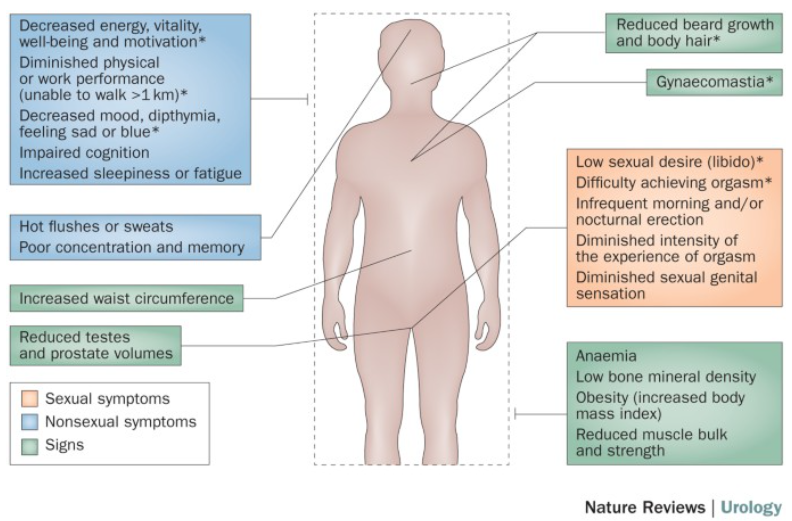
Source: Aversa, A., Morgentaler, A. The practical management of testosterone deficiency in men. Nat Rev Urol 12, 641–650 (2015). https://doi.org/10.1038/nrurol.2015.238
3. Cognitive Symptoms
- Poor focus & concentration – difficulty completing tasks or staying sharp.
- Memory lapses & slower decision-making – your brain may feel foggy or less clear.
- Difficulty finding words or articulating thoughts – subtle, but noticeable over time.
Non-specific signs to watch for:
- Lower endurance or physical strength
- Reduced energy levels
- Struggling with work performance
Important note: Having one or two of these symptoms doesn’t automatically mean you have testosterone deficiency (TD). But if you notice a combination of changes over time — like fatigue, low mood, and reduced sex drive — it’s worth getting your blood work checked.
Causes of Low Testosterone: Beyond Aging
Testosterone isn’t just about getting older. Sure, levels naturally decline over time, but modern lifestyles, environment, and habits can accelerate this drop—sometimes dramatically. Let’s break it down:
Is Falling Testosterone the Cause?
Yes—but it’s multifactorial. Falling testosterone drives the classic symptoms of andropause, but lifestyle, environmental, and psychological factors amplify the effects. Here’s the science:
- Testosterone Decline & Mood: Testosterone regulates mood, energy, and cognitive function via androgen receptors in the brain. Men with testosterone levels <350 ng/dL have double the risk of mood disorders.
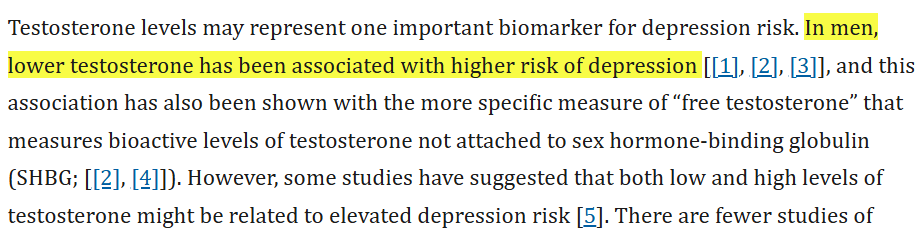
Source: Määttänen I, Gluschkoff K, Komulainen K, Airaksinen J, Savelieva K, García-Velázquez R, Jokela M. Testosterone and specific symptoms of depression: Evidence from NHANES 2011-2016. Compr Psychoneuroendocrinol. 2021 Mar 10;6:100044. doi: 10.1016/j.cpnec.2021.100044. PMID: 35757365; PMCID: PMC9216439.
- Chronic Stress: Stress isn’t just in your head. Elevated cortisol can suppress testosterone production by 20–30%, inhibiting the hypothalamic-pituitary-gonadal axis.
- Sleep Deprivation: Consistently sleeping less than six hours can reduce testosterone by 10–15% per night. Sleep is when your body repairs and produces hormones—cut it short, and testosterone drops.

Source: Leproult R, Van Cauter E. Effect of 1 week of sleep restriction on testosterone levels in young healthy men. JAMA. 2011 Jun 1;305(21):2173-4. doi: 10.1001/jama.2011.710. PMID: 21632481; PMCID: PMC4445839.
- Obesity & Diabetes: Excess abdominal fat converts testosterone into estrogen via aromatase, leading to lower active testosterone and even gynecomastia (man boobs). Obesity also increases inflammation and reduces SHBG, further limiting available testosterone.
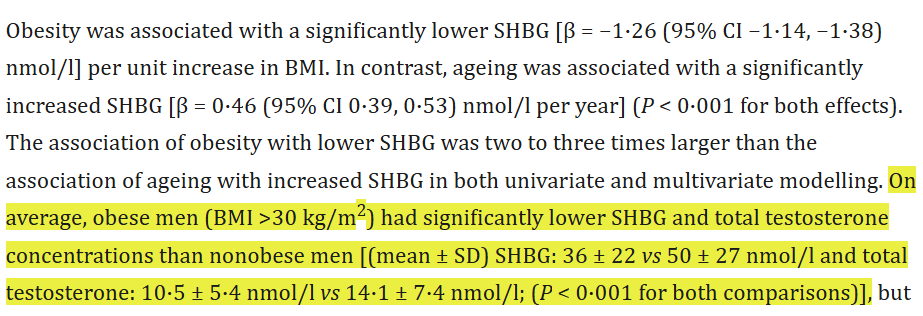
Source: Cooper LA, Page ST, Amory JK, Anawalt BD, Matsumoto AM. The association of obesity with sex hormone-binding globulin is stronger than the association with ageing–implications for the interpretation of total testosterone measurements. Clin Endocrinol (Oxf). 2015 Dec;83(6):828-33. doi: 10.1111/cen.12768. Epub 2015 May 11. PMID: 25777143; PMCID: PMC4782930.
- Environmental Toxins: Everyday exposure to endocrine disruptors—BPA in plastics, pesticides, and other chemicals—can mimic estrogen, disrupting testosterone balance and affecting male fertility.
- Poor Nutrition: Low intake of key nutrients like zinc, Vitamin D, and magnesium impairs testosterone synthesis. This is especially common in diets heavy in refined carbs and low in whole foods, which is frequent in India.
- Lack of Strength Training & Sedentary Lifestyle: Muscle matters. Regular strength training stimulates testosterone production, while sedentary lifestyles or overemphasis on cardio can suppress it.
- Overtraining & Under-Recovery: Pushing your body too hard without adequate rest can backfire on testosterone levels.
- Alcohol, Vaping & Supplement Misuse: Excessive alcohol, vaping, and improper use of supplements or testosterone replacement therapy (TRT) can all reduce testosterone. Vaping, in particular, is a huge testosterone dropper. Falling testosterone is natural, but the speed and severity are strongly influenced by lifestyle, environment, and stress.
Real Solutions for Low Testosterone: Insights by Dr. Mohit Khera
When it comes to fixing low testosterone in men, the first thing I always say is: don’t assume you’re low just because you feel low. Accurate testing is key. And this isn’t just about looking at total testosterone — you need to check free testosterone too.
I also had the privilege of talking to Dr. Mohit Khera, an authoritative voice in the field of sexual health and medicine, and hormone replacement therapy, and he shared some very insightful information on how men can properly approach low testosterone. His guidance emphasizes safe, effective, and evidence-based solutions rather than quick fixes.
1. Testosterone Treatment (When Needed)
For men with low free testosterone and corresponding symptoms, testosterone therapy can be life-changing. Dr. Mohit Khera emphasizes that properly supervised treatment can:
- Improve muscle mass and bone health, helping prevent osteopenia and osteoporosis.
- Restore energy, libido, and overall vitality.
- Be tailored to individual needs, based on lab results and health status.
It’s important to work with a qualified healthcare professional. Self-medicating or using testosterone to ‘bulk up’ can cause serious risks, including infertility, erythrocytosis (too many red blood cells), and cardiovascular complications.
2. Managing SHBG (Sex Hormone-Binding Globulin)
SHBG is a protein that binds to testosterone, reducing the amount available for your body to use. Even if total testosterone looks normal, high SHBG can mean your free testosterone is still low.
- SHBG levels are influenced by conditions like hyperthyroidism or hypothyroidism, medications, and other health factors.
- The practical approach? Focus on raising total testosterone under supervision so that free testosterone is sufficient.
3. Lifestyle Factors That Support Testosterone
While we’ll dive deeper later, a few essentials to remember, recommended by Dr. Khera:
- Nutrition: Protein-rich, nutrient-dense foods; avoid excessive processed carbs.
- Exercise: Strength training is crucial; too much cardio without resistance work can lower testosterone.
- Sleep: Most testosterone is produced at night; aim for quality sleep.
- Stress management: Chronic stress raises cortisol, which suppresses testosterone.
Dr. Mohit’s research also highlights that lifestyle changes combined with medical therapy are far more effective than therapy alone. Simply taking testosterone without improving nutrition, sleep, exercise, and stress management rarely gives lasting results.
4. Sexual Health Considerations
Testosterone impacts libido, but it’s not a magic fix for erectile dysfunction (ED). ED is multifactorial — stress, fatigue, mental health, and neurotransmitters like dopamine also play roles. Clinical trials confirm that combining testosterone therapy with other treatments and lifestyle improvements gives the best outcomes.
For more insights, watch the full episode:
The Lifestyle Reset: Natural Ways to Support Testosterone
If you’ve been struggling with low testosterone in men, it’s not always about taking supplements or injections. Often, it comes down to your lifestyle — what you eat, how you move, how you sleep, and how you manage stress.
And yes, I’ve seen it over and over in my conversations with men: Small daily changes can make a huge difference.
Nutrition & Food and Testosterone
Food is medicine, and when it comes to hormones like testosterone, what you eat matters more than you think. Nutrition directly impacts testosterone production, and if you’re dealing with symptoms of low testosterone, your nutrition can be a powerful tool.
Key Nutrients to Focus On:
- Zinc → Essential for testosterone synthesis. Eat pumpkin seeds, chickpeas, or oysters.
- Vitamin D → Improves testosterone levels; get sunlight 15–30 minutes daily or supplements (~3332 IU/day).
- Magnesium → Supports hormone regulation; found in spinach, almonds, and whole grains.
- Omega-3s → Fish, flaxseeds, and walnuts reduce inflammation and support testosterone.
- Fruits & Greens → Pomegranate, cherries, guava, and spinach help balance hormones and provide antioxidants.
- High-Protein & Mediterranean Diets → Organic Mediterranean diet and moderate protein intake support fertility, reduce sperm DNA fragmentation, and enhance testosterone. Avoid ultra-low-carb diets with >3.4 g/kg/day protein, as they may reduce testosterone.
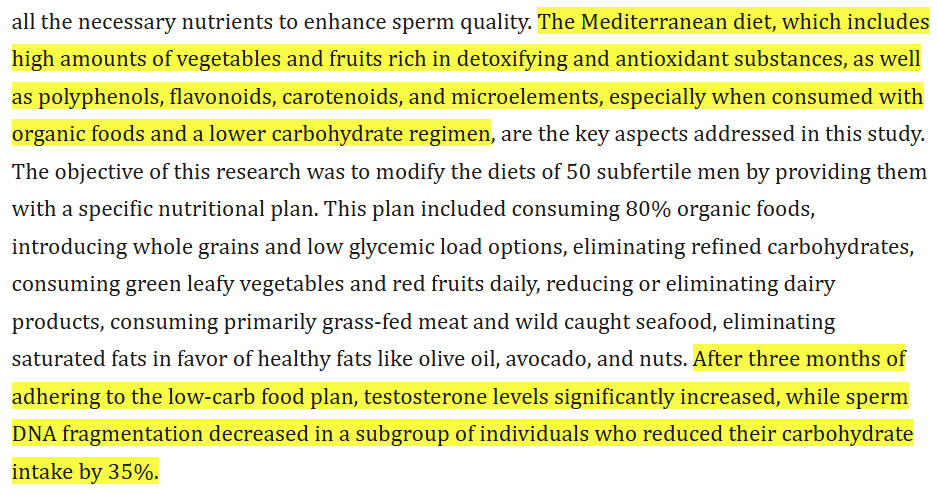
Source: Corsetti V, Notari T, Montano L. Effects of the low-carb organic Mediterranean diet on testosterone levels and sperm DNA fragmentation. Curr Res Food Sci. 2023 Nov 15;7:100636. doi: 10.1016/j.crfs.2023.100636. PMID: 38045510; PMCID: PMC10689274.
Vegetarian Options:
- Dals and legumes: Rajma, moong dal. Pair with brown rice for zinc and fiber.
- Nuts & seeds: Pumpkin seeds (~3 mg zinc per tbsp), almonds (~1 mg zinc per 7 nuts).
- Leafy greens: Spinach, amaranth, for magnesium and antioxidants.
- Fruits: Pomegranate, guava for vitamin C and fiber.
- Olive oil: Extra virgin, added raw to salads.
- Fenugreek (methi seeds): Excellent for testosterone levels.
- Raw honey: Beneficial for testosterone.
- Raw cacao: High in magnesium, which dilates blood vessels and enhances reproductive organ function.
- Avocado: Great for testosterone levels.
- Berries: Blueberries, blackberries, raspberries, strawberries, and gooseberries (amla).
- Onions: Raw or lightly cooked, onions are great for testosterone levels.
- Ginger: Along with black pepper, clove, and cinnamon, it is traditionally used in honey concoctions for reproductive health.
Non-Vegetarian Options:
- Fish: Mackerel, sardines, 2–3 servings/week
- Eggs: 1–2/day for protein and zinc
- Chicken: Lean cuts (100 g for ~25 g protein)
- Shellfish (prawns, mussels, lobster, oysters): Oysters are especially rich in zinc, which stimulates testosterone production.
- Steak and Beef: Rich in zinc and excellent for muscle building and testosterone levels.
- Eggs: Both yolk and white are needed; the yolk is essential for nutrition and does not negatively affect cholesterol levels.
- Fatty Fish: Provides omega-3s and supports testosterone levels.
Avoid:
- Processed foods, sugar, fried snacks, trans fats, and alcohol. Even small amounts can reduce testosterone and amplify stress and testosterone imbalances.
When you focus on food and testosterone, you’re not just improving hormone levels — you’re also improving mood, energy, and overall health.
Exercise & Testosterone
Movement is critical. But not all exercise is created equal when it comes to enhancing testosterone. Strength training is far more effective than excessive cardio.
- Strength Training: Lifting weights or resistance exercises stimulates testosterone production. Bodyweight exercises like push-ups, squats, and pull-ups work well too.
- HIIT (High-Intensity Interval Training): Short bursts of intense exercise followed by rest can improve testosterone and growth hormone naturally.
- Yoga: When practiced intensely and holding poses for 3–4 minutes, it supports testosterone and muscle engagement.
- Aerobic Exercise: Overweight and obese men show significant increases in testosterone with habitual aerobic exercise (>200 min/week).
- Balance & Recovery: Avoid overtraining. Overdoing cardio or strength work can reduce testosterone and worsen stress.
Even yoga, when practiced with intensity and holding poses for a few minutes, can support hormone health. And yes — walking is excellent too, but pair it with strength training to make a real impact.
Sleep & Recovery
You can eat all the right foods and train hard, but without good sleep, your testosterone will stay low. Experts say men who get 7–8 hours of sleep have 20–30% higher testosterone than those sleeping less than 6 hours.
- Prioritize sleep hygiene: Consistent bedtime, cool dark room, minimal screen time before sleep.
Sleep restores your hormones. Poor sleep is a silent driver of low testosterone in men.

Image Credits: Freepik
Stress Management & Environmental Detox
Chronic stress is one of the major causes of low testosterone. High cortisol suppresses testosterone, disrupts energy, and worsens symptoms of low testosterone.
- Meditation, breathing exercises, grounding, time in nature, and digital detox: All help lower cortisol and support testosterone naturally.
- Environmental detox: Reduce exposure to plastics (BPA), pesticides, smoking, and vaping. These toxins can interfere with testosterone production.
Fasting, Calorie Balance & Smart Nutrition
Fasting and smart calorie restriction can support testosterone without starvation:
- Start with 12-hour fasts and gradually extend. This gives your body a break and balances testosterone naturally.
- Focus on nutrient-dense foods, balancing proteins, healthy fats, and carbs. Avoid extreme deprivation — you want food and testosterone to work together, not against each other.
Always consult with a healthcare professional before starting any new nutritional regimen, especially if you have existing health conditions or are taking medications.
Holistic Approach
Supporting testosterone is never just about one thing. It’s nutrition, exercise, sleep, stress management, and environment combined. When you apply these principles:
- You can naturally address symptoms of low testosterone.
- You can mitigate many causes of low testosterone linked to lifestyle.
- You can improve low testosterone in men safely and sustainably.
Remember, it’s about consistency, not perfection.
When to Seek Help: Tests & Diagnosis
If you’ve been noticing persistent symptoms of low testosterone, it’s important to understand when it’s time to seek professional help. Low testosterone in men can affect energy, mood, libido, muscle mass, and even fertility—but it’s not always easy to spot without proper testing.
Key Tests to Check Testosterone Levels
Total Testosterone & Free Testosterone
- Total testosterone is the overall measure of testosterone in your blood. Free testosterone, on the other hand, is the active form your body can actually use.
- Ideally, tests should be done twice in the morning before noon, as testosterone levels naturally decline throughout the day.
- If you’re sick or recovering from an illness, your doctor may wait until you’re well, because illness can temporarily lower testosterone and give a misleading result.
Luteinizing Hormone (LH)
- LH is the hormone that signals your testes to make testosterone. Abnormal levels can indicate an issue with the pituitary gland.
Follicle Stimulating Hormone (FSH)
- This test checks sperm-making function, which is important if you’re planning to have children.
Prolactin
- High prolactin levels may indicate pituitary problems or tumors. If your prolactin comes back high, your doctor may repeat the test to confirm.
Vitamin D & Zinc
- Both are crucial for testosterone synthesis, so low levels can contribute to low testosterone in men.
Blood Glucose & HbA1c
- Helps screen for diabetes or insulin resistance, which can impact testosterone.
Other Tests Your Doctor May Recommend
- Estradiol (if there are breast symptoms)
- MRI of the pituitary gland (if abnormal LH or prolactin)
- Bone density tests
- Karyotype or chromosome tests
- Bioavailable testosterone for a deeper look at active hormones
When to Consult a Doctor
If you’re experiencing persistent fatigue, low libido, mood changes, or difficulty building muscle, it’s time to talk to a healthcare professional. Don’t ignore these signs; early testing and diagnosis can help you take steps to restore your hormonal balance and overall health.
The Last Word
Gentlemen, remember—feeling tired, low, or unmotivated isn’t a weakness. It’s biology. Your body is sending signals, and listening is the first step toward reclaiming your energy, mood, and overall vitality.
Every man’s body is unique—bio-individuality matters. What works for one person may not work for another, which is why personalizing your approach to nutrition, exercise, sleep, and stress management is key.
With consistent, holistic lifestyle shifts, you can support your hormone balance, enhance your testosterone naturally, and feel like yourself again.
Don’t wait until symptoms get worse. Get your levels checked, make the lifestyle shift, and take charge of your health today.
Your energy, your mood, your life—it’s in your hands.
Frequently Asked Questions
1. What are the most common symptoms of low testosterone?
Common symptoms of low testosterone include fatigue, low libido, mood swings, reduced muscle mass, belly fat, and brain fog. Men may also experience poor sleep and motivation. If you notice these changes persisting, it’s a signal to get your hormone levels tested and address the root causes naturally.
2. What are the main causes of low testosterone in men?
The causes of low testosterone go beyond aging. Poor sleep, chronic stress, obesity, nutrient deficiencies, and exposure to environmental toxins like plastics can all reduce testosterone levels. Low testosterone in men today is often lifestyle-driven—something we can correct through diet, movement, and better stress management.
3. How does stress affect testosterone levels?
There’s a direct link between stress and testosterone. Chronic stress raises cortisol—the body’s primary stress hormone—which suppresses testosterone production. Over time, this imbalance can lead to fatigue, mood issues, and sexual health problems. Practicing breathwork, meditation, or yoga helps restore hormonal balance naturally.
4. Which foods can boost testosterone naturally?
When it comes to food and testosterone, think whole and nutrient-rich: eggs, avocado, olive oil, pumpkin seeds, fenugreek, and foods high in zinc, vitamin D, and magnesium. Avoid processed and sugary foods that cause inflammation and hormonal imbalance. A low-carb Mediterranean-style diet can also enhance testosterone levels.
5. What kind of exercise increases testosterone levels?
The best exercise and testosterone connection comes from strength training, HIIT (High-Intensity Interval Training), and muscle-engaging yoga. These workouts stimulate testosterone and human growth hormone (HGH) naturally. Long cardio sessions or overtraining, however, can do the opposite—so balance your movement and allow proper recovery time.
Disclaimer: The information provided here is for educational and informational purposes only. It is not intended as a substitute for professional medical advice, diagnosis, or treatment. Always consult your healthcare provider before making changes to your nutrition, lifestyle, or healthcare regimen, especially if you have existing medical conditions or are taking prescribed medications.
Want personalized guidance on hormonal issues?
We help you find a way.
Set up a one-on-one consultation with our integrative team or explore our Wellness Programs to optimize your lifestyle goals.
Reach out to us at 1800 102 0253 or write to us at [email protected].