

Be honest — what’s the first thing you reach for when you wake up? Your phone? The coffee mug? Or do you, like many people, claim you can’t function until that first sip of chai or caffeine hits? I get it — it’s a morning ritual for half the planet. But here’s the truth: your body hasn’t had a drop of water in 6–8 hours. The first thing it needs is hydration, not stimulation.
Think of your stomach like a guest just waking up — groggy, empty, and not ready for a loud, over-enthusiastic visitor (read: coffee). What you eat in an empty stomach decides how your digestion, energy, and even your mood behave for the rest of the day.
I always tell my clients to line the stomach with kindness. It’s simple, but powerful. A healthy food for the morning should make you feel awake, not anxious. And trust me, once your body experiences this kind of gentle start, even the most challenging days will begin to feel better.
The Science of the Empty Stomach
Here’s something most people forget — your body works hard while you sleep. It’s cleaning up cellular waste, balancing hormones, repairing tissue, even processing emotions. By morning, your system has done a full night shift and is ready for a reset, not a riot.
Think of your gut as a factory that’s been running overnight maintenance. When you wake up, the floors are swept, the machines are calibrated, and the team’s ready to start fresh — not be flooded with caffeine, sugar, or heavy food the minute the lights come on.
In this fasting state, your digestive acids are strong, insulin is low, and your gut lining is sensitive. It needs a calm “good morning,” not a shock.
Research in the Nutrients Journal shows that gentle rehydration and gradual nutrient intake in the first hour of waking help stabilize blood sugar, reduce inflammation, and prepare the digestive system for optimal function through the day.
So before you rush to feed hunger or habit, remember: your body just needs to wake up, not gear up.
Your Step-by-Step Meal Flow
Mornings don’t need to be complicated. You don’t have to drink 12 elixirs, meditate for an hour, or follow a celebrity’s mystery tonic. All your body needs is a little care, consistency, and common sense. Here’s my simple Morning Flow to start your system right — no frills, just physiology.
Step 1: Hydrate with Intention
Begin your day with plain, room temperature or lukewarm water; not lemon water, not tea, not a trendy concoction. Just water. After 6–8 hours of sleep, your body is naturally dehydrated. Your cells are parched, your blood is thicker, and your digestive system needs a gentle nudge to get going, not a jolt.
Think of plain water as the first message you send to your body. It rehydrates every cell, lubricates your digestive tract, and helps your body flush out overnight toxins.
Avoid reaching for tea or coffee right away. Here’s why: your stomach’s natural pH in the morning is already acidic (around 1.5 to 3.5). Drinking caffeine first thing, especially on an empty stomach, increases this acidity — which can trigger heartburn, bloating, and even impact cortisol regulation over time. You’re essentially adding acid to acid.
Water is neutral — it doesn’t disturb this delicate environment. It supports your system without shocking it.
Sip slowly and allow your body to reawaken before you eat or drink anything else.

Step 2: Choose Your Morning Fuel Wisely
After 10–15 minutes, it’s time for your first bite — and no, it’s not coffee. Start light:
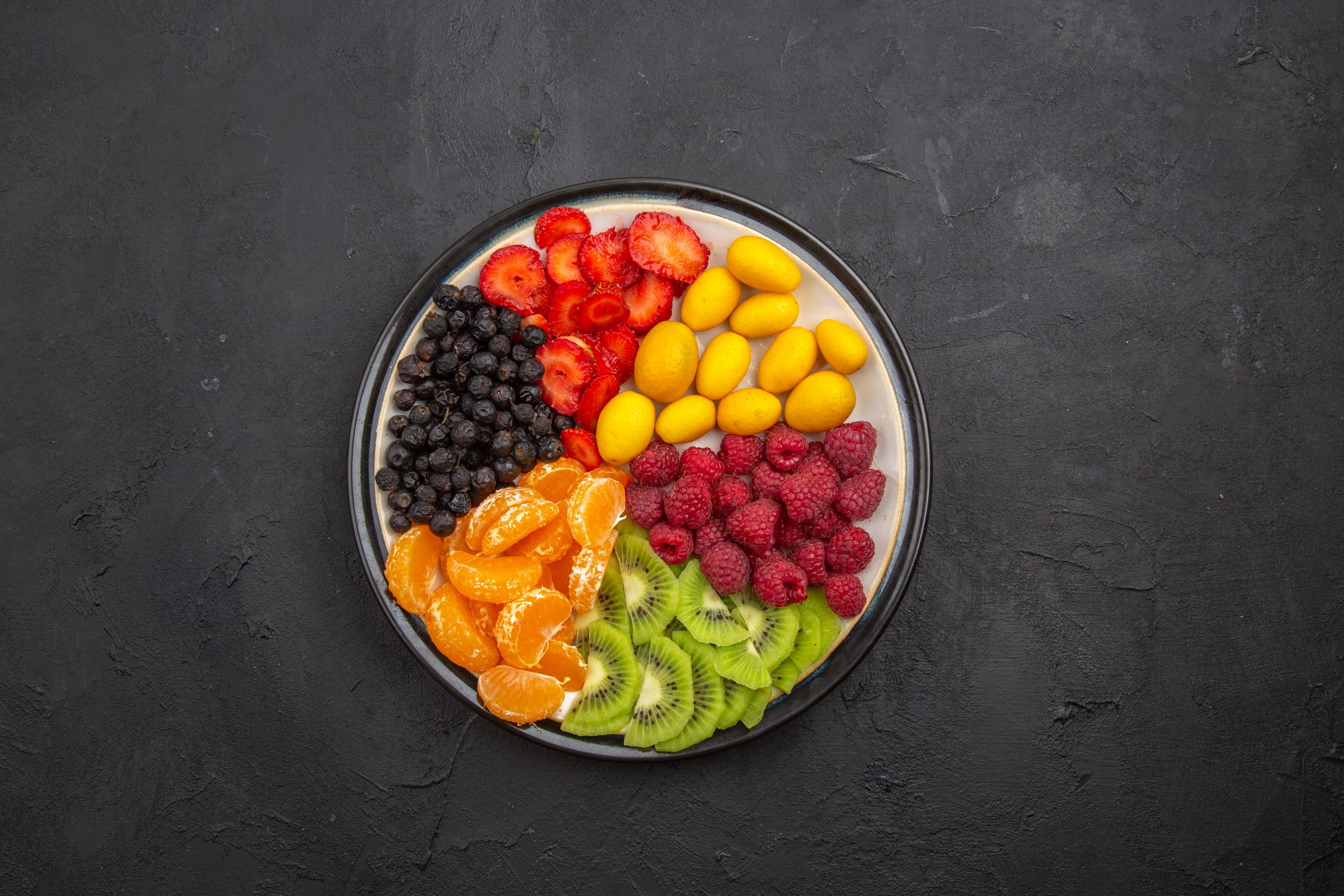
- Whole Fruits: Banana, papaya, pomegranate, apple, or whatever is seasonal and local.
- Soaked Dry Fruits & Seeds: Almonds, chia, flaxseeds, or walnuts for a dose of healthy fats and fiber.
- Coconut Water (optional): Great if you’re prone to acidity.
These are simple foods good for the stomach that prepare your digestive fire without overwhelming it.
Step 3: Wait Before Breakfast
Here’s where patience pays off. Give your system 20–30 minutes before diving into a full meal. This gap helps enzymes activate and reduces bloating.
Remember: healthy food for the morning isn’t just what you eat — it’s also when and how you eat it.
Disclaimer: If you are currently on medication or managing a medical condition, please consult your doctor or healthcare provider before following the morning flow or making any changes to your eating routine. Certain foods — including fruits, seeds, or herbal drinks — may interact with medications or specific health conditions. Always personalize your approach under professional guidance.
Common Morning Habits That Hurt More Than Help
We all have our morning comfort rituals — that steaming cup of chai, a cold smoothie after a run, or a sugary biscuit just to get going. But some of these habits can quietly sabotage your gut and energy levels before the day even begins. Here’s a quick reality check on foods to avoid on empty stomach — and why:
- Coffee or Tea: That caffeine jolt may wake you up, but it also spikes cortisol and stomach acid, leading to acidity, jitters, and even dehydration. Have it after food, not before.
- Citrus Juices: They might seem healthy, but on an empty stomach, the acid can irritate your gastric lining.
- Refined Sugar or Pastries: A breakfast of sugar and carbs sends your blood sugar skyrocketing — and crashing right after.
- Cold Drinks, Energy Drinks, or Smoothies: Your gut thrives on warmth. Cold liquids shock the digestive fire, slowing metabolism.
- Spicy or Fried Foods: Overstimulate acid production and irritate your gut early in the day.
- Excess Water with Meals: Sipping is fine; chugging dilutes digestive enzymes and weakens digestion.
Once you start replacing these with what to eat in an empty stomach — simple, hydrating, and natural foods — you’ll notice steadier energy, better focus, and a stronger gut within days.

From Empty Stomach to Complete Meal: Luke’s Golden Rule
Once your body has gently woken up with fruit or nuts, it’s time to build on that foundation. This is where Luke’s Flow of Eating —shared in the guide—comes in. The principle is simple: eat in a sequence that your body understands. Move from light to heavy, raw to cooked, easy to complex.
Here’s how the flow looks in practice:
- Start with raw salad – Fresh vegetables prep the gut with fiber and enzymes.
- Then add cooked vegetables – Warm food supports digestion and balances the raw component.
- Follow with protein – Dal, pulses, eggs, fish, or tofu to build strength and satiety.
- End with healthy carbs – Rice, millets, or roti to complete your meal.
This simple sequencing improves digestion, stabilizes blood sugar, and keeps energy levels steady for hours.
Think of your meal as a gentle river — light at the source, stronger as it flows. That’s the secret to food good for the stomach and truly healthy food for the morning.
If your system feels heavy after a weekend of indulgence, one gentle way to reset is by going raw till lunch — a short-term practice I personally use after tough eating days. It simply means consuming fruits or raw vegetables (if they suit you) through the morning hours while giving your digestive system a lighter load to handle.
This isn’t a rule or a cleanse — it’s just a mindful break for your gut. Raw foods like papaya, soaked dates, or seasonal fruits are rich in enzymes and fiber, which support natural digestion and elimination. But remember: it’s not for everyone. Always listen to your body. If raw doesn’t suit you, opt for something light and cooked instead.
Quick Morning Flow Example
| Time | Activity | What to Eat / Do | Why It Works |
| 6:30 AM | Hydrate | 1 glass warm water with lemon | Flushes toxins, wakes digestion |
| 6:45 AM | Light Fuel | 1 banana or handful soaked almonds | Gentle energy boost |
| 7:15 AM | Breakfast | Luke’s meal flow — salad → veggies → protein → carbs | Balanced energy, easy digestion |
| 8:00 AM | Post-meal | Sit in Vajrasana or short walk | Improves glucose metabolism |
Disclaimer: If you are currently on medication or managing a medical condition, please consult your doctor or healthcare provider before following the flow or making any changes to your eating routine. Certain foods — including fruits, seeds, or herbal drinks — may interact with medications or specific health conditions. Always personalize your approach under professional guidance.
Why Coffee Can Wait: The Hidden Impact of Early Caffeine
For many people, the day doesn’t start until that first cup of coffee hits. It also interferes with your natural wake-up rhythm, making you dependent on caffeine instead of your body’s own energy.
| Luke Coutinho recommends having coffee 90–120 minutes after waking, never on an empty stomach. First, hydrate. Then, have fruit or a handful of nuts, and only later reach for your brew. |
If you must have your coffee, enjoy it with breakfast — not before. Pair it with healthy fats or protein, skip syrups and artificial sweeteners, and for every cup, drink an extra glass of water.
What Happens When You Nourish Instead of Shock Your System
When you start your day with healthy food for the morning instead of caffeine or processed snacks, your body responds beautifully. Over time, this small act of awareness helps create a ripple effect across your entire system:
- A balanced gut microbiome and smoother bowel movements from choosing food good for the stomach like fruit, seeds, or soaked nuts.
- Sharper focus and sustained morning energy — without depending on caffeine or sugar.
- Stable blood sugar levels through the day, reducing cravings and mood swings.
- A stronger metabolism and better digestion, thanks to how you line your stomach first thing in the morning.
- Improved immunity, since gut health and morning nourishment go hand in hand.
Your morning choices don’t just fuel your body — they shape how you think, feel, and perform through the day.
Final Word: Small Choices, Big Impact
How you begin your morning shapes everything that follows. When you choose healthy food for the morning, you’re not just feeding your stomach — you’re setting the tone for your gut, hormones, energy, and focus for the rest of the day.
Your first meal shouldn’t shock your system with caffeine or acidity. It should nourish it. A glass of water, a bowl of fresh fruit, or a handful of soaked nuts — these simple, natural options are powerful foods good for stomach health. They awaken digestion gently, balance blood sugar, and prepare your body to absorb nutrients better throughout the day.
If you’ve ever wondered what to eat on an empty stomach, start here. Choose clean, hydrating, and whole foods before that first sip of coffee or heavy breakfast. Skip the quick fixes — and instead, give your body what it truly needs to thrive.
Because real wellness doesn’t begin with supplements or shortcuts. It begins in the first few mindful minutes after you wake up.
Ready to Start Your Mornings Right?
Begin with one simple change tomorrow — hydrate, choose clean food good for the stomach, and make your first meal count.
Discover more mindful morning practices and nutrition tips through our Wellness Program.
📞 Set up a one-on-one consultation with our integrative team by reaching out to us at 1800 102 0253 or write to us at consults@lukecoutinho.com.
Your mornings can heal more than just fatigue — they can set the rhythm for your entire day.
Disclaimer
This blog is for educational purposes only and is not a substitute for professional medical advice. Always use common sense, consult your doctor before trying new practices or foods — especially if you have existing medical conditions — and practice moderation in everything you do.

Start Your Wellness Journey
Feeling inspired to take the next step in your wellness journey? Connect with us to explore how our tailored programs can support your health journey. Your transformation is just a conversation away.