

Walk into any gym, scroll through social media about fitness regimes, and one word will keep showing up: creatine. From building strength to increasing energy, enhancing performance, and even improving brain health, creatine benefits are making headlines.
But behind this growing curiosity, there’s also a deeper story.
We’re seeing more and more young adults and even teenagers battling fatigue, hormonal imbalances, and low muscle mass. More couples are turning to assisted fertility options like in vitro fertilization (IVF), not always due to medical infertility, but often because the body just doesn’t feel ‘ready.’ Stress, poor muscle health, and low cellular energy aren’t just fitness problems. They’re lifestyle red flags.
And that’s where creatine comes into the conversation. With so much buzz around it, the real questions remain:
- What is creatine?
- Is it just for bodybuilders, or can it support everyday wellness?
- What about creatine side effects?
- How to take creatine smartly, and more importantly, should you take it at all?
A lot of you, especially parents, teenagers, athletes, and health enthusiasts, have written in with these very questions. So, we’ll break down all these questions.
Let’s begin with one of the most searched questions online today.
What Is Creatine, Really?
Creatine isn’t a steroid, a performance enhancer, or a synthetic muscle hack. It’s a naturally occurring compound found in every human body, mainly in our muscles and brain.
In fact, if you’re alive and breathing, you already have creatine working inside you.
Its primary job?
To help your body create and recycle adenosine triphosphate (ATP), which is the main fuel source for every single cell, especially during periods of intense activity or recovery.
Think of ATP like your mobile battery. When you’re lifting weights, sprinting, or even solving a complex problem, your cells are burning through ATP.
And creatine? It’s like your internal power bank, recharging your system so you can push harder, recover better, and maintain focus.

Creatine is among the most researched in the world. With over 1,000 studies published on its efficacy and safety, creatine continues to hold a strong position in sports and clinical nutrition.
What makes creatine so unique?
- It’s produced naturally by your liver, kidneys, and pancreas using amino acids like arginine, glycine, and methionine.
- Around 95% of the body’s creatine is stored in skeletal muscle, where it plays a critical role in energy production during short bursts of movement, like sprinting, lifting, jumping, or even climbing stairs.
- The remaining 5% is stored in the brain, heart, and other organs, where it’s involved in cellular signaling, cognitive performance, and neuroprotection.
Additionally, every life stage comes with its unique biological shifts. Let’s understand how creatine may support these transitions:
Ages 18–35:
This is typically when physical training is at its peak, whether you’re an athlete or someone who enjoys working out regularly. Creatine may support:
- High-intensity training performance
- Lean muscle growth
- Muscle recovery
- Strength and stamina
Ages 35–50:
This is when subtle changes in muscle mass, metabolism, and hormone levels start showing up, even if you’re doing everything ‘right.’
Creatine may help support:
- Muscle preservation during early sarcopenia
- Workout recovery for busy adults
- Mental clarity and focus under stress
50+ Years and Beyond:
Here, the focus shifts to mobility, independence, and cognitive health. Research is now exploring the use of creatine in older adults for:
- Supporting memory and executive function
- Enhancing mobility and reducing fall risk
- Preserving functional strength during aging
Creatine is even being studied in early stages of Alzheimer’s, Parkinson’s, and other neurodegenerative conditions, although such use should always be guided by a healthcare professional.
Why So Many Are Turning to Creatine Today
Let’s start with this: creatine benefits are not just gym talk or influencer hype. If you’re wondering whether this simple compound helps—yes, it does.
But only when used consciously, not carelessly.
Let’s break it down by what the research says, not assumptions, not trends, but evidence-based findings.
1. Physical Strength and Muscle Preservation
One of the most well-established roles of creatine is in supporting physical performance. Creatine improves muscle strength, power output, and endurance in short-duration, high-intensity activities. It plays a role in post-exercise recovery. By replenishing ATP, creatine supports quicker restoration of cellular energy, reducing post-workout fatigue and enhancing training frequency.

2. Cognitive Function and Brain Health
You’ve probably heard of creatine in the context of gym gains or post-workout recovery. But the conversation around creatine benefits has quietly expanded, and it’s now reaching the brain.
Yes, creatine isn’t just about biceps. It’s increasingly being recognised for its role in mental energy, focus, and neuroprotection, especially in high-demand lifestyles and aging populations. And this isn’t anecdotal. The research is robust and growing.
So, how does it help?
To put it simply, your brain is one of the most energy-hungry organs in your body. It uses ATP, your cellular fuel, at an incredibly fast rate, especially during moments of stress, decision-making, learning, or emotional strain. Creatine, as you may now know, supports ATP production.

Additional research has demonstrated that creatine can significantly improve memory function, especially in older individuals or those under cognitive stress, such as students or shift workers.

A recent systematic review published in Frontiers evaluated both short-term (<4 weeks) and long-term (≥4 weeks) creatine supplementation and found moderate-quality evidence supporting its positive effects on memory. However, for outcomes like processing speed, executive function, and attention, the certainty of evidence remains low, indicating that more rigorous, large-scale trials are still needed.

Source: Front. Nutr., 12 July 2024, Sec. Nutrition, Psychology and Brain Health, Volume 11 – 2024, https://doi.org/10.3389/fnut.2024.1424972
Importantly, no major creatine side effects have been observed in these trials when the supplement is used responsibly. Most studies report a low-to-moderate risk of bias, and no significant publication bias was found. This strengthens the reliability of the emerging data.
3. Resilience and Mood Support
Another emerging area of interest is creatine’s role in mental resilience, not as a mood enhancer, but as a supporter of neurological energy balance. Brain fog, emotional fatigue, and even burnout often stem from energy imbalances at the cellular level, not just external stressors. While more research is needed in clinical populations, a 2021 systematic review in Nutrients suggested that creatine may help buffer mental fatigue and support emotional stability, particularly under cognitive overload or sleep deficit.

This doesn’t make creatine a cure for anxiety or depression, and it should never be treated as one. But it opens a new dimension, how we support brain energy metabolism during challenging phases of life, through science-backed, non-hormonal approaches.
Now, is creatine a replacement for good sleep, a balanced plate, or mindful movement? Absolutely not.
But it’s a tool, a safe, well-researched one, that can work alongside lifestyle practices to protect your muscles, power your brain, and build resilience from the inside out.
Who Should (and Shouldn’t) Use Creatine?
In the evolving world of health and performance, it’s easy to get swept up in trends. But when it comes to creatine, the most important question isn’t what it does, but who it’s actually for.
Creatine May Be Supportive For:
- Athletes and fitness enthusiasts (18+): If you’re regularly strength training, engaging in high-intensity workouts, or pursuing athletic performance goals, creatine can offer a significant edge. Creatine for athletes can be a game-changer. It supports:
- Explosive power and output: By increasing the availability of ATP, creatine allows for stronger, faster muscle contractions, recommended for athletes involved in power-based sports.
- Reduced fatigue: During intense sessions, creatine can delay fatigue, allowing for more reps, better form, and higher quality training.
- Faster recovery: Creatine helps restore muscle energy stores, reduce inflammation, and may support muscle repair post-exercise.
- Muscle preservation: For endurance athletes or those undergoing rigorous training cycles, creatine supports the maintenance of lean muscle tissue, which is essential not just for strength but for injury prevention and metabolic health.
But here’s the key: intention matters.
If you’re not training regularly or intensely, or if you’re largely sedentary, creatine may not serve you, and in some cases, it could unnecessarily tax your kidneys, especially without proper hydration or medical oversight.
Creatine is meant to support your training, not compensate for the lack of it. It amplifies effort; it doesn’t replace it.
So before jumping into a creatine cycle, ask yourself:
- Am I training with purpose and intensity?
- Is my recovery aligned with my output?
- Am I fuelling and hydrating my body adequately?
- Adults over 30 dealing with early muscle loss: After age 30, we naturally begin to lose muscle mass, a process known as sarcopenia. Creatine, when paired with resistance training and adequate protein intake, may help preserve lean muscle and promote healthier aging.

- Vegetarians and vegans: Plant-based foods are powerful. But they tend to be naturally low in creatine, which is predominantly found in red meat, poultry, and fish. For individuals with vegetarian or vegan food habits who are also training or facing muscle loss, low-dose creatine may support both energy and muscle function.
- Professionals under high cognitive load: Executives and professionals under constant mental pressure often experience dips in mental clarity and resilience.
- Older adults aiming to maintain mobility and brain health (under medical supervision): Emerging research suggests that creatine may support cognitive health and neuromuscular function in adults over 50, especially when paired with movement and good sleep hygiene. This needs to be approached carefully and always with a doctor’s guidance.

Image Credits: Freepik

Creatine Is Not Recommended For:
- Children and teens under 18: One of the most frequently asked questions we receive is this:
“My teenager wants to take creatine, should I let them?”
And it’s a valid concern. With the rise of gym culture, social media trends, and peer pressure, more adolescents are becoming curious about supplements like creatine. But when it comes to creatine side effects, especially in growing bodies, science urges us to pause, reflect, and approach it responsibly.
While creatine benefits in adults, especially athletes and individuals over 30, are well-established, the same cannot be said for teens. Current research on creatine use in adolescents is still limited in scope and duration. Most studies that show positive outcomes in adults are not ethically or extensively replicated in younger age groups.

The creatine age limit recommended by most lifestyle and sports health experts is 18 years and above, and only when there’s a clear need, supported by professional guidance.
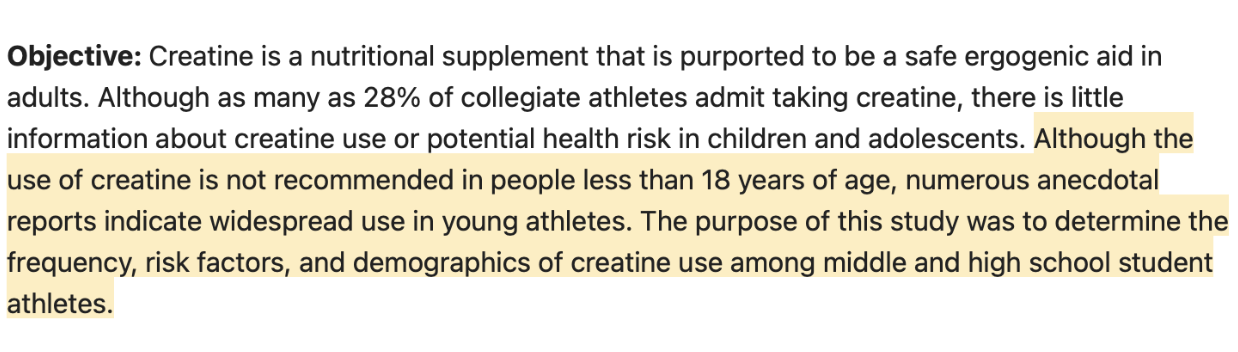
Teens are in a critical phase of hormonal development, brain maturation, and musculoskeletal growth. Introducing supplements like creatine without sufficient research and supervision could pose risks, especially for those with silent kidney issues, undiagnosed hormonal imbalances, or those who are not training appropriately.
Here’s what we recommend instead:
Rather than fast-tracking supplements, guide your teen to build the foundation that will serve them for life:
- Focus on natural strength training with proper form and progression
- Prioritise protein-rich whole foods, like lentils, nuts, seeds, eggs, and balanced meals
- Support recovery with quality sleep and stress management
- Hydrate well and maintain electrolyte balance, especially in active teens
- Get regular movement, not just workouts like walking, playing, and climbing

These are the building blocks. Not just for muscle, but for self-discipline, consistency, and a healthy relationship with the body.
- Individuals with kidney dysfunction: Since creatine is metabolised by the kidneys, anyone with known kidney concerns should avoid it unless their nephrologist gives the green light. Even for healthy individuals, a kidney function test (KFT) is highly recommended before starting.
- Those with hormonal imbalances (e.g., DHT sensitivity, alopecia): Creatine doesn’t directly cause hair loss. But if you already have hormonal imbalances, especially around DHT (dihydrotestosterone), it could potentially exacerbate the issue. If you’re dealing with hair thinning, alopecia, or are on DHT blockers, always speak to your doctor before adding creatine to your regimen.
- Pregnant or breastfeeding women: There is no conclusive data on creatine’s safety during pregnancy or lactation. As a rule of thumb, it’s best to avoid unnecessary supplementation during this sensitive phase, unless guided by your healthcare provider.
- Anyone on long-term or chronic medication: Creatine may interact with certain medications or place added strain on the liver and kidneys when combined with pharmacological agents. If you’re on long-term medication, especially for blood pressure, thyroid, or hormone regulation, consult your medical doctor first.
How to Take Creatine: Dos and Don’ts
If you’re wondering how to take creatine safely and effectively, you’re not alone.
We’ve worked with athletes, busy professionals, postmenopausal women, and even older adults dealing with muscle loss, and across the board, creatine benefits only show up when the foundation is solid: movement, rest, hydration, and nutrition.

The Right Form Matters
Let’s start here: the most researched and safest form of creatine is creatine monohydrate.
It’s simple, bioavailable, and consistently supported by scientific evidence for safety and efficacy. Don’t get distracted by fancy blends or marketing gimmicks; monohydrate works, and it works well.
Dosing Guidelines – Keep It Simple
For most healthy individuals over the creatine age limit (over 18 years), here’s what is recommended:
- Maintenance dose: 3–5 grams per day, preferably after your workout for better muscle uptake. But don’t stress too much, what matters most is daily consistency.
- Loading phase (optional): Some choose to do a short loading phase of 10–20 grams/day, split into 3–4 doses, for 5–7 days. This helps saturate muscle stores faster, but it isn’t essential. If you’re sensitive or new to creatine, skip the loading and begin with a steady 3–5 g/day.
Disclaimer: It’s not one-size-fits-all; therefore, before starting, it’s essential to get your Kidney Function Test (KFT) and Liver Function Test (LFT) done, especially if you have existing medical conditions, take medications, or are unsure about your baseline health. Always keep your qualified healthcare professional in the loop before adding anything new to your wellness routine.
Timing: Is Post-Workout Best?
Research shows that post-workout may be slightly more effective for uptake, as your muscles are more insulin-sensitive. But again, consistency over time is more impactful than exact timing. If your routine is more stable pre-workout or with breakfast, that works too.

Remember, hydration is not optional.
Because creatine draws water into your muscle cells, proper hydration is non-negotiable. Inadequate water intake while using creatine may increase the risk of digestive issues or mild bloating.
The Safe and Smart Checklist
Before adding any supplement, especially creatine, pause and check in with your body and your healthcare team.
| Do | Don’t |
| Get your kidney function test (KFT) & liver function test (LFT) done before starting | Take creatine if you have kidney/liver concerns without clearance |
| Stay hydrated | Overconsume creatine, thinking “more is better” |
| Inform your doctor if you’re on medication | Use creatine if you’re not training or sedentary |
| Track how your body responds | Ignore signs of bloating or digestive discomfort |
Creatine Side Effects
When used with awareness and respect for your body, creatine is remarkably safe. And, yes, creatine benefits are plenty, but blind usage without understanding your body’s baseline can create unnecessary stress.
- Hair Fall: One of the most debated topics is whether creatine causes hair loss. The truth? Creatine doesn’t directly cause hair fall. But in people with pre-existing DHT sensitivity or androgenic alopecia, it may amplify the expression.
- Kidney Function: Creatine is processed through your kidneys. So, if you already have undiagnosed or existing kidney dysfunction, or if your creatinine levels are high, supplementation can add strain. Creatine supplementation does not impair kidney function in healthy individuals over long-term use. However, misuse or megadosing, especially without kidney function tests (KFT), is risky.
- Digestive Discomfort: Another common side effect is gastrointestinal discomfort, bloating, loose motions, or mild nausea, especially during a creatine loading phase. This often happens when individuals jump straight to 10–20g/day without assessing tolerance.
To prevent this:
- Begin with a low maintenance dose (3g–5g/day)
- Avoid taking creatine on an empty stomach
- Stay well-hydrated throughout the day
- Split higher doses into smaller servings if loading
As your gut adjusts, symptoms usually subside. If not, pause and reassess with your integrative expert.
Food Sources of Creatine – What You Can Get from Your Plate
Yes, you absolutely can get creatine from real food. That’s how your body was originally designed to source it, through traditional food rich in animal protein. Creatine is naturally stored in the muscle tissue of animals, which is why meat and fish are among the richest dietary sources.
But if you’re vegetarian, vegan, or even someone eating very little meat due to gut issues or ethical preferences, your dietary creatine intake might be negligible, and this matters if you’re training hard, aging, or trying to preserve muscle and cognitive health.

Creatine Content in Common Foods
(Approximate values per 100 grams of raw food)
| Food Source | Creatine Content |
| Red Meat | 2.0 – 2.5 grams |
| Chicken | 0.9 grams |
| Fish (Herring, Salmon) | 1.0 – 1.1 grams |
These values can vary based on the animal’s age, muscle type, and preparation method, but they provide a good reference.
Now here’s the catch: the moment you cook these foods, some creatine degrades into creatinine, a less bioavailable form. So even if you eat meat regularly, your net creatine intake could be much lower than assumed, especially if you’re not eating large portions.
What About Vegetarian Sources?
While certain plant-based foods like legumes, pumpkin seeds, and dairy may contain trace amounts of compounds that support creatine synthesis (like glycine, arginine, and methionine), they do not naturally contain creatine. This means individuals following a vegetarian or vegan food habit may have up to 50% lower muscle creatine stores compared to omnivores.
This is when creatine monohydrate can help with the right intent and guidance.
But remember, it is always food first. Supplements should fill gaps, not replace meals.
Respect Your Season of Life
You don’t need to use creatine just because others are. If you’re in your 20s and eating well, training smart, and recovering well, maybe you don’t need it yet. If you’re in your 40s and noticing muscle fatigue, longer recovery times, or brain fog, then maybe you do.
There’s no one-size-fits-all.
Respect your body. Build your foundation. Ask the right questions. Test when needed. And if you do choose to add creatine, let it complement your journey, not drive it.
Be educated and not influenced.
To understand more about creatine, watch this:
Disclaimer: This blog is for educational and informational purposes only. It is not intended as a substitute for professional medical advice, diagnosis, or treatment. While creatine is one of the most researched supplements globally, its use must always be personalized based on individual health status, age, medical history, and lifestyle. Please consult your qualified doctor before starting anything new.
If you’re looking to build strength, energy, and mental clarity from the inside out, Luke’s Wellness Programs offers a deeply rooted, lifestyle-based approach.
We don’t chase quick fixes; we work with your body through food, movement, rest, and emotional well-being.
Join us, and take the next step toward real, sustainable health.
Reach out to us at 1800 102 0253 or write to us at consults@lukecoutinho.com.

Start Your Wellness Journey
Feeling inspired to take the next step in your wellness journey? Connect with us to explore how our tailored programs can support your health journey. Your transformation is just a conversation away.