

Every morning, we wake up to the same questions from people across the world:
“Should I have potatoes?”
“Do potatoes make me fat?”
“Will potatoes make my diabetes worse?”
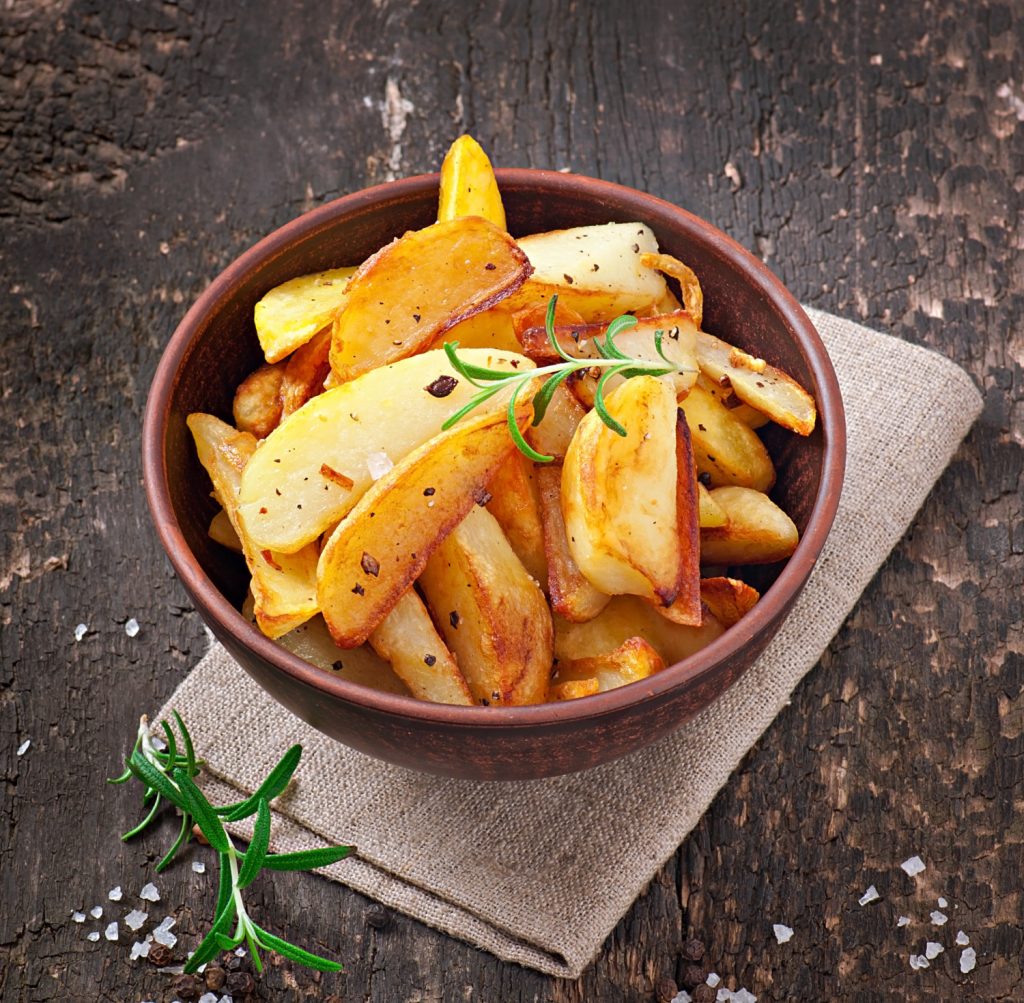
The humble potato has been blamed for everything—from weight gain to blood sugar spikes. It’s often labeled as a “bad carb,” and many people fear it so much that they cut it out of their meals completely.
But here’s the truth: The potato itself isn’t the problem. It’s how we prepare it and how we eat it.
And when prepared in a specific way, the same potato that people fear can become one of the most nourishing foods for gut health, liver function, and even diabetes management.
So, let’s break the myth wide open and learn how to turn the simple potato into a gut-healing, metabolism-supporting, immunity-priming superfood—the way nature intended.
Health Benefits of Potatoes: Why They’re More Than Just a Carb
The potato is one of the most misunderstood foods out there. People blame it for weight gain, sugar spikes, and cravings… but the truth is, the problem is rarely the potato.
It’s not the food, it’s what we do to the food.
Deep-frying it, turning it into chips, loading it with cheese, or overeating it with no fiber or protein—that’s what causes crashes and cravings.
In reality, potatoes are incredibly nutrient-dense:
- Rich in vitamins like Vitamin C and B6
- Packed with minerals, including potassium, magnesium, and manganese
- Electrolyte-supporting (especially potassium for nerve and muscle function)
- A good source of natural fiber, especially when prepared the right way
- Contain polyphenols and resistant starch when cooled properly (we’ll discuss this in-depth)
The health benefits of potatoes shine when you treat them as a whole food—unprocessed, cooked right, paired right, eaten mindfully and moderately.
The Simple Trick: Turning a Potato Into a Superfood
Now that we’ve cleared the confusion around potatoes, let’s get into the part that truly matters — how to transform the potato into a superfood.
Let’s break it down step by step.
Step 1: Boil
- Start by boiling the potato until it’s soft enough to prick easily with a fork.
- Don’t rush this part; you want it cooked well enough that the texture is tender. Whether you’re using one potato or six, the process remains the same.
Step 2: Cool
- Once it’s boiled, take it out, peel it, and let it cool completely.
- This cooling stage is important — wait until the potato is cool enough to comfortably hold in your hand.
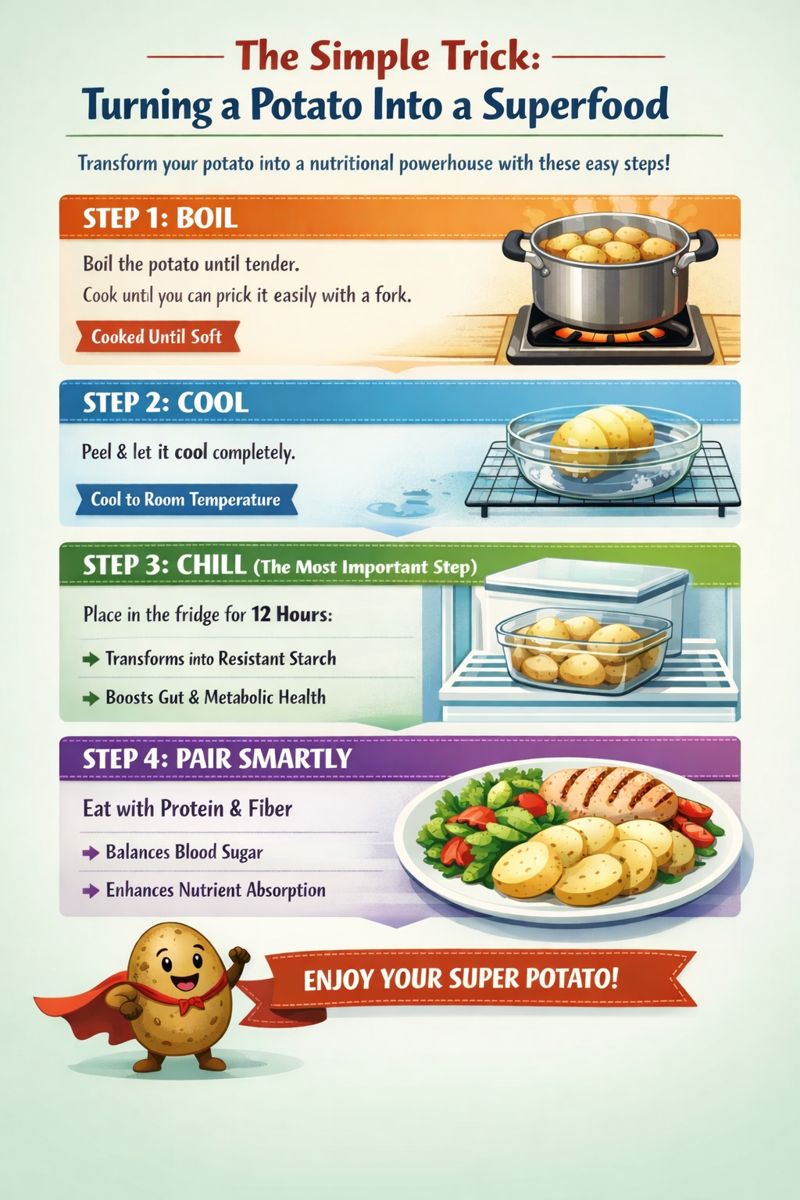
Step 3: Chill (The Most Important Step)
- Place the cooled potato into an airtight glass container and store it in the refrigerator for at least 12 hours.
- This overnight chilling transforms the potato’s digestible starch into resistant starch through a process called retrogradation.
- This simple shift is what turns an ordinary potato into a superfood for your gut and metabolic health.
Step 4: Pair Smartly
- The next day, your potato is ready to eat. But how you eat it matters.
To keep blood sugar stable and improve nutrient absorption, pair your cooled potato with protein and fiber.
Great options include:
- Paneer, tofu, beans, lentils
- Chicken, fish, eggs, steak
- Vegetables, leafy greens, salads
- Nuts and seeds for extra fiber and healthy fats
Just don’t eat the potato on its own, especially if you’re managing blood sugar, because pairing is what helps keep glucose stable.
The Science: How Cooling Creates Potato Resistant Starch
When a potato is eaten hot, most of its starch is digestible, which means your body breaks it down quickly. But once you cool it for at least 12 hours, the structure of that starch changes through a natural process called retrogradation.
During retrogradation:
- The digestible starch molecules reorganize
- They turn into resistant starch
- This resistant starch cannot be broken down in the small intestine
So instead of spiking your blood sugar, it reaches the colon intact, where it becomes fuel for beneficial gut bacteria. This is why cooled potatoes are one of the simplest ways to add natural, food-based prebiotics to your meals.
Why Resistant Starch Is a Gut-Healing Superfood
Once the potato resistant starch reaches the colon, your good bacteria ferment it and produce short-chain fatty acids (SCFAs) — one of the most powerful healing substances for the digestive system.

The key SCFAs created from cooled potatoes include:
- Butyrate – Strengthens the gut lining, calms inflammation
- Acetate – Supports metabolism and overall microbial balance
- Propionate – Helps regulate appetite and blood sugar
The SCFAs:
- Repair and seal the gut barrier
- Support autoimmune conditions like Hashimoto’s
- Help people with Crohn’s and ulcerative colitis
- Reduce gut inflammation
- Ease symptoms like gas, bloating, sensitivity, and abdominal puffiness
This makes potatoes an excellent, natural option among ulcerative colitis foods, and a reliable support for:
- Hashimoto’s
- Leaky gut
- Crohn’s disease
- Ulcerative colitis
- Irritable Bowel Syndrome (IBS) and chronic bloating
In simple words, resistant starch turns the cooled potato into a powerful gut-healing, inflammation-reducing, microbiome-supporting superfood.
Learn more about why you need resistant starch for better gut health.
Potatoes for Diabetes & Metabolic Health: Are They Safe? What Science Says
Freshly cooked potatoes have a high glycemic index (GI 80–90), which means they raise blood sugar quickly.
But once you boil and cool them, the GI drops dramatically to around 50, a game-changing shift for anyone dealing with blood sugar issues.
This makes cooled potatoes a safe, stabilizing option for:
- Diabetics
- Pre-diabetics
- People with insulin resistance
- Anyone trying to keep their glucose curve steady
How it Helps Metabolic Health
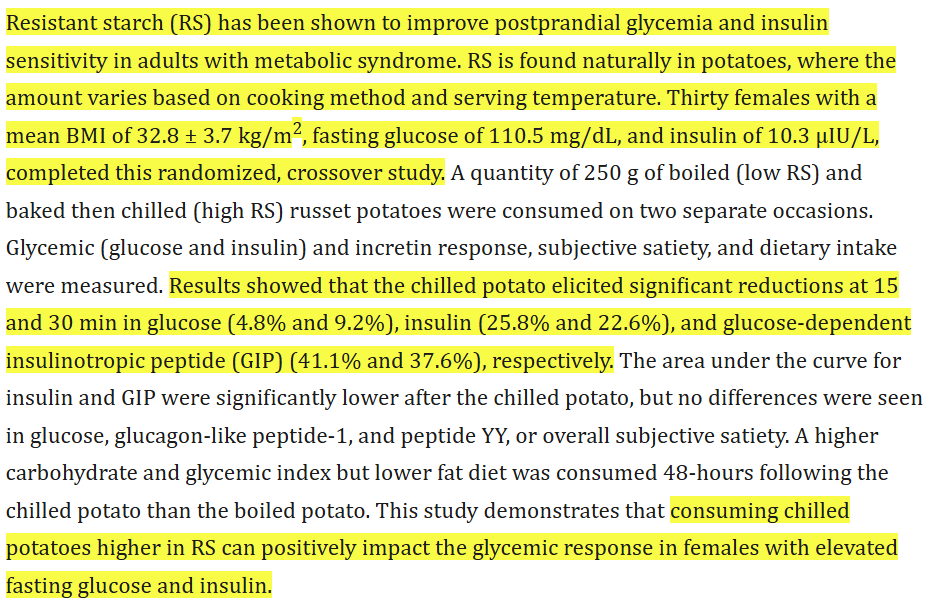
The resistant starch formed during cooling slows digestion and improves glucose handling.
Research and clinical experience show that cooled potatoes can:
- Improve insulin sensitivity by 20–30%
- Prevent sharp glucose spikes
- Support steady energy
- Reduce cravings and overeating
Potato Benefits for the Liver
This process also reduces the load on the liver. A healthier insulin response lowers the risk of non-alcoholic fatty liver disease (NAFLD), now one of India’s fastest-growing metabolic conditions.
Cooled potatoes, when paired with protein and fiber, become a gentle, healing food for anyone wanting to support their liver health, improve metabolic fitness, and stabilize blood sugar naturally.
Looking to strengthen your liver and support long-term metabolic health?
👉 Explore the Liver Rejuvenation Blueprint for a guided, preventive lifestyle approach.
Personal Story: The Goan Village Remedy
Luke often shares this memory because it shaped his entire approach to healing.
“When I was a kid growing up in Goa,” he says, “I had jaundice for about a month, my mom and dad took me to a local village naturopath…and back then we didn’t have fancy diets, supplements, or complicated protocols. We trusted simple foods.”
For one full week, his recovery plan was just:
- Fresh green juice
- Boiled potatoes
And it worked.
This wasn’t just a cultural remedy; it was science in action, long before we had the terminology for it. Those boiled (and naturally cooled) potatoes supported his liver while also giving his colon a gentle, easy-to-digest source of energy.
When you’re healing from jaundice or any liver stress, the last thing your system needs is complicated food.
Disclaimer: This story reflects Luke’s personal childhood experience and the traditional remedies used at that time. It is not a substitute for medical diagnosis or treatment. If you suspect jaundice, liver issues, or any serious condition, please seek guidance from a qualified healthcare professional before making dietary changes.
How to Eat Your Cooled Potato
| What to Do | Why It Helps |
| Boil 5–7 potatoes for the week | Batch prep saves time and helps you stay consistent. |
| Cool completely and refrigerate for 12+ hours | Maximizes resistant starch formation. |
| Store in airtight glass containers | Preserves freshness and starch structure. |
| Eat 1 cooled potato daily | Supports gut, blood sugar, and liver health steadily. |
| Pair with protein + fiber (paneer, tofu, eggs, chicken, fish, beans, veggies, nuts, seeds) | Prevents glucose spikes, improves satiety, balances macros. |
| Add simple flavors (salt, pepper, thyme, oregano, lemon, chilli flakes) | Makes it delicious without affecting health benefits. |
| Great for everyone—kids, adults, elderly | Gentle on digestion, energizing, and nutrient-rich. |
You may want to try this presumptuous side dish/salad made with easily available ingredients: Cold Potato Salad.
What Not to Do
| Avoid These | Why |
| French fries | Deep-frying destroys nutrients and spikes triglycerides. |
| Deep-fried potatoes | Heavy oils → inflammation + blood sugar imbalance. |
| Potato chips | Ultra-processed → addictive, inflammatory, no gut benefits. |
| Overeating potatoes | Even healthy foods cause sugar spikes in excess. |
| Eating potatoes alone (especially for diabetics) | No protein/fiber → glucose rises quickly; poor insulin response. |
These versions do NOT create resistant starch and will work against your goals. These habits can increase:
- Triglycerides
- Blood sugar
- Inflammation
- Cravings
- Weight gain
And What About Sweet Potatoes?
Sweet potatoes are fantastic, rich in antioxidants, fiber, and slow carbohydrates.
But here’s the key difference:
- They do NOT form the same type of resistant starch when cooled.
That means:
- A cooled regular potato supports deeper gut repair through butyrate-producing resistant starch
- A sweet potato supports nutrition and energy, but not the same prebiotic, gut-healing benefits.
Both are good. They just do different jobs in the body.
The Last Word
Do not be afraid of the humble potato. This is something beautiful, something amazing for your system.
And the best part? Anyone can do this — kids, adults, the elderly. No fancy ingredients. No complicated routines.
Just one simple change.
Now it’s your turn to put it into action.
Take a potato. Boil it. Cool it. Eat it. And let your gut do the rest.
Also Watch This
Frequently Asked Questions
1. Can potatoes really help with ulcerative colitis and gut health?
Yes—when cooled, potatoes form resistant starch that produces butyrate, a powerful SCFA that strengthens the gut lining. This makes cooled potatoes one of the simplest ulcerative colitis foods and a gentle support for overall gut health, reducing bloating, irritation, and inflammation.
How does resistant starch in potatoes benefit digestion?
Cooling boiled potatoes triggers retrogradation, turning digestible starch into potato-resistant starch. This passes into the colon, feeds good bacteria, and forms SCFAs that improve motility, repair the gut barrier, and enhance the overall health benefits of potatoes for long-term digestive well-being.
Are potatoes safe for diabetics?
Yes—when prepared correctly. Cooled potatoes have a much lower glycemic index, making them suitable for diabetics when paired with fiber or protein. They help improve insulin sensitivity and support stable sugar levels without spikes seen in fried or hot mashed potato dishes.
Can potatoes reduce inflammation and support liver function?
Cooled potatoes support the production of SCFAs like butyrate, which lowers gut inflammation and helps restore microbiome balance. These benefits extend to metabolic health too, making them a gentle potato for inflammation and a supportive liver food for conditions like fatty liver.
What’s the best way to prepare potatoes for maximum health benefits?
Boil, peel, cool, and refrigerate potatoes for at least 12 hours. This improves resistant starch and enhances the health benefits of potatoes. Eat them the next day with protein and fiber for better blood sugar control, gut support, and overall gut health benefits.
Disclaimer: The information provided here is for educational and informational purposes only. It is not intended as a substitute for professional medical advice, diagnosis, or treatment. Always consult your healthcare provider before making changes to your nutrition, lifestyle, or healthcare regimen, especially if you have existing medical conditions or are taking prescribed medications.
Want personalized guidance on your nutrition goals?
We help you find a way.
Set up a one-on-one consultation with our team or explore our Wellness Programs to optimize your lifestyle goals.
Reach out to us at 1800 102 0253 or write to us at consults@lukecoutinho.com.

Start Your Wellness Journey
Feeling inspired to take the next step in your wellness journey? Connect with us to explore how our tailored programs can support your health journey. Your transformation is just a conversation away.