No products in the cart.
Kidney function symptoms often appear long before a diagnosis, showing up as quiet imbalances in your daily life.
Our kidneys are working around the clock, quietly and efficiently. And when they start to slow down, they don’t send out loud warnings. Instead, they whisper through subtle, everyday changes that are easy to overlook.
That’s why understanding kidney function symptoms matters to build awareness. Because when we know what to look for, we can act early, make informed choices, and support our body before issues become serious.
Globally, the numbers for kidney dysfunction are rising. According to the International Society of Nephrology, over 850 million people worldwide live with some form of kidney disease; that’s roughly 1 in 10 adults.
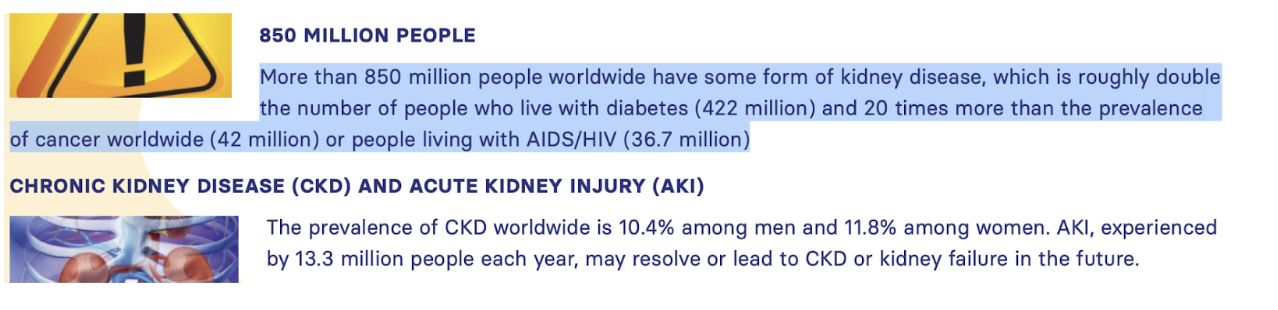
Source: More than 850 Million Worldwide have some form of Kidney Disease: Help Raise Awareness. International Society of Nephrology. https://www.theisn.org/more-than-850-million-worldwide-have-some-form-of-kidney-disease-help-raise-awareness/
A few years ago, a 34-year-old woman reached out to us. A successful professional from the U.S., she had just been diagnosed with Stage 5 CKD. Alongside that, she was battling systemic lupus erythematosus (SLE), chronic inflammation, and an immune system on the brink of collapse.
Her body was sending out distress signals, loud and clear with relentless fatigue and itching.
We created a deeply personalized integrative plan and then her body began responding, slowly.
Look below her results to see the change:

Do you know what she did right?
Therefore, if you or a loved one has started noticing subtle signs like fatigue, brain fog, swelling, changes in urination, it could be your body’s way of nudging you toward attention and care.
Don’t wait for those kidney function symptoms to escalate into something more serious.
Many of the contributors to kidney stress and even chronic kidney disease (CKD) are connected to lifestyle. And that means they’re within our influence.
So, no, this isn’t just about illness. It’s about kidney care as a part of everyday wellness, tuning into our bodies, making small changes consistently, and understanding that prevention starts well before diagnosis.
Why Kidney Function Symptoms Often Go Unnoticed
Your kidneys are silent operators of your health— working 24/7, no holidays, no noise, no complaints.Every single day, these bean-shaped organs filter nearly 50 gallons (around 180 liters) of blood, removing excess waste, fluid, and toxins that would otherwise accumulate and wreak havoc on your system. Here’s what your kidneys are silently doing every single day:
- Filtering toxins and metabolic waste from your bloodstream
- Regulating the body’s fluid balance
- Maintaining optimal levels of essential electrolytes
- Supporting strong and healthy bones through calcium-phosphate balance and activation of vitamin D
- Assisting in the production of red blood cells
- Controlling acid-base balance to prevent acidosis
- Keeping your blood pressure within range through sodium-water balance and hormonal regulation
Among all forms of kidney dysfunction, Chronic Kidney Disease (CKD) is the most prevalent, and one of the most overlooked silent diseases.

Source: More than 850 Million Worldwide have some form of Kidney Disease: Help Raise Awareness. International Society of Nephrology. https://www.theisn.org/more-than-850-million-worldwide-have-some-form-of-kidney-disease-help-raise-awareness/
Why is it so silent?
The kidneys have a remarkable ability to adapt and compensate. Even with up to 60% function lost, you may still feel ‘normal.’ By the time symptoms are clear, the disease has usually progressed to a later stage. That’s why early awareness of kidney function symptoms isn’t optional; it’s critical.
10 Signs Your Kidney Function Might Be Compromised — Especially in Conditions Like CKD
Now that we’ve understood the incredible, behind-the-scenes role your kidneys play every single day, it’s time to shift focus to something just as important: listening. Kidney function symptomsshow up subtly, often in ways we associate with something else, like stress, poor sleep, or dehydration. But these early signs matter, especially when we’re talking about Chronic Kidney Disease (CKD), a condition known for progressing silently.Here are 10 subtle yet significant signs that your kidney function may be declining:
- Persistent Fatigue: When your kidneys struggle, the body can’t produce enough erythropoietin, a hormone that supports red blood cell production. Fewer red blood cells mean less oxygen delivered to tissues, leading to chronic tiredness, even after rest.
- Swelling in Ankles, Feet, or Around the Eyes: Impaired kidney filtration can lead to fluid retention, particularly in the lower limbs and around the eyes. This puffiness is a common but often ignored sign of declining kidney function.
- Changes in Urination Patterns: This includes increased frequency (especially at night), decreased output, foamy or bubbly urine (which could indicate protein leakage), or even blood in the urine. These are among the most overlooked kidney function symptoms, yet also some of the most telling.
- Skin Itching or Dryness: Kidneys help maintain the balance of minerals and eliminate waste. When this function slows, toxins accumulate in the bloodstream, and imbalances in calcium and phosphorus can trigger persistent itching.
- Muscle Cramps or Twitching: Electrolyte disturbances, particularly involving calcium, potassium, or sodium, are common with compromised kidney function and can cause painful nighttime cramps or muscle spasms.
- Loss of Appetite or a Metallic Taste in the Mouth: Uremia, the buildup of waste products in the blood, can alter taste and suppress appetite. Many with early CKD describe a persistent metallic or ammonia-like taste, along with an aversion to protein-rich foods.
- High Blood Pressure: This one is both a cause and a consequence. The kidneys regulate blood pressure, so dysfunction can lead to elevated readings, even in people with no previous history of hypertension.
- Nausea or Vomiting: As waste accumulates in the bloodstream, the gastrointestinal system is impacted. Nausea, especially in the morning or after eating, may indicate rising urea levels.
- Brain Fog or Poor Concentration: Toxins that the kidneys can no longer filter properly can affect cognitive function. If you’re feeling unusually forgetful, foggy, or struggling with focus, it could be more than mental fatigue.
- Shortness of Breath: This can occur when fluid builds up in the lungs or when anemia from reduced erythropoietin affects oxygen delivery. Either way, it’s a symptom that shouldn’t be ignored.
Disclaimer: It’s important to note that there are various types of kidney disorders, and the signs and symptoms mentioned in this section primarily refer to those associated with Chronic Kidney Disease (CKD), in no selected order. Kidney-related symptoms can vary greatly depending on the underlying condition. If you experience any of the symptoms outlined or if you notice any other unusual signs related to your health, it is highly advisable to consult with a healthcare professional. Only a doctor can provide an accurate diagnosis and appropriate guidance tailored to your individual health needs.If more than one or two of these signs feel familiar, it’s not a reason to panic, but it is a call to pay attention. Because your body will signal when something’s off.The good news? Most of these signs don’t appear overnight. And when addressed early with the right awareness, routine lab tests, and kidney care, you can slow and even stall further progression.The key is not waiting until the problem becomes a crisis.
Supporting Kidney Function: Prevention is Your Best Medicine
Kidney function symptoms can often begin with subtle signs that many of us ignore. The issue is, by the time these symptoms become noticeable, the damage to the kidneys may already be well underway. That’s why prevention, not just treatment, is so powerful. You don’t have to wait for symptoms to show up; you can take action today to support your kidneys, andkidney care should be integrated into your lifestyle.
1. Balanced Nutrition (Eat the Right Way)
When it comes to kidney function symptoms, what you eat can make all the difference. Research published in Nephrology Dialysis Transplantation reveals that poor nutrition, particularly high sodium intake, excessive animal protein, and refined carbohydrates, is directly linked to the progression of CKD. A balanced plate supports kidney function and prevents additional strain on these vital organs.
- Reduce excess salt and processed foods: High sodium intake is a leading factor in hypertension, which in turn can damage your kidneys over time.
- Focus on natural diuretics: Cucumber, celery, parsley, and lemon are advisable, if they suit you. These can help improve kidney function by encouraging fluid balance and supporting waste elimination.
- Moderate protein intake: Particularly animal protein (if already been diagnosed with a kidney condition), which can increase the workload of the kidneys. Unless medically advised, it’s best to moderate this to protect kidney function.
- Avoid added sugars and excessive refined carbs: These can contribute to obesity, diabetes, and hypertension, all risk factors for kidney disease.
- Hydrate smartly: Staying well-hydrated supports kidney function by helping flush out waste. But balance is key. Too little water can burden the kidneys, while too much, especially for those already dealing with kidney conditions, can create unnecessary pressure. If you have existing kidney issues, always follow fluid guidelines set by your qualified healthcare expert.
- Limit NSAIDs and unnecessary supplements: Overuse of non-steroidal anti-inflammatory drugs (NSAIDs), popping antibiotics, and certain supplements without expert guidance can have a direct toxic effect on the kidneys. Please, take these only under the guidance of your qualified healthcare provider.
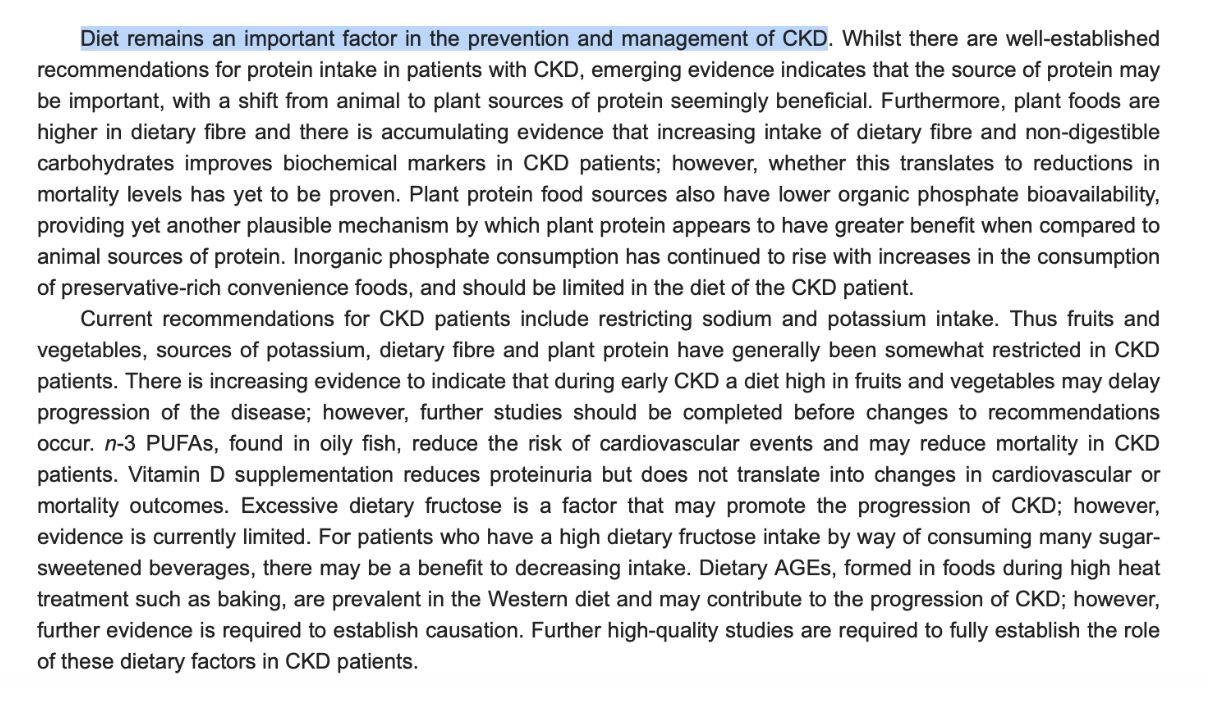
Source: Snelson, M., Clarke, R. E., & Coughlan, M. T. (2017). Stirring the Pot: Can Dietary Modification Alleviate the Burden of CKD? Nutrients, 9(3), 265. https://doi.org/10.3390/nu9030265
2. The Power of Emotional Wellness
It might surprise you to know that emotional health plays a critical role in kidney care. Chronic stress, unresolved emotions, and mental health struggles can manifest physically, often in ways we don’t immediately connect with kidney health.Stress activates the body’s sympathetic nervous system, causing the release of cortisol, which increases blood pressure and inflammation. Both of these factors are known to contribute to kidney damage over time. Chronic stress could accelerate the decline in kidney function in individuals already at risk.
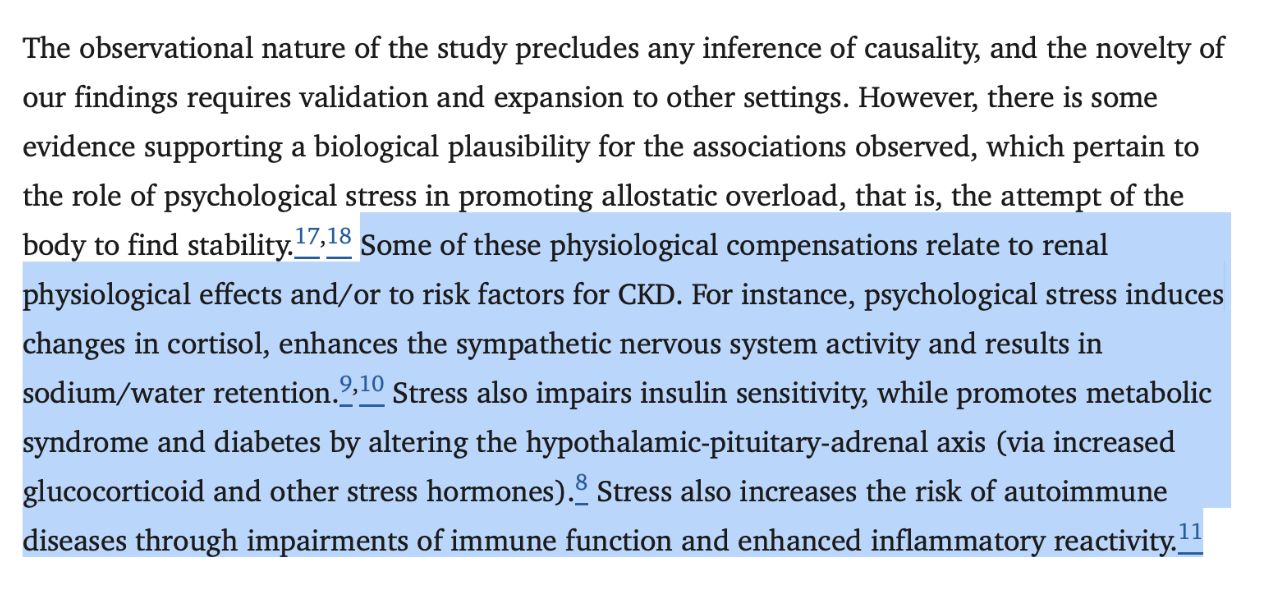
Source: Su, G., Song, H., Lanka, V., Liu, X., Fang, F., Valdimarsdóttir, U. A., & Carrero, J. J. (2021). Stress Related Disorders and the Risk of Kidney Disease. Kidney international reports, 6(3), 706–715. https://doi.org/10.1016/j.ekir.2020.12.032
That’s where emotional wellness comes into play. Addressing mental and emotional health can directly impact your kidneys’ ability to function optimally. Practices such as stillness, journaling, therapy, or spiritual reflection can help reduce stress, improve resilience, and support kidney health.
3. Adequate Movement
We often think of exercise as a tool for weight loss, but it’s also a vital component of kidney care. Regular physical activity promotes better circulation, supports blood pressure management, and helps to eliminate toxins through sweat and improved filtration pathways. Physical inactivity can contribute to obesity and cardiovascular issues, both of which are leading risk factors for kidney disease.Low-impact exercises with all precautions, such as walking, yoga, and swimming, are particularly beneficial for kidney health. They promote blood flow, enhance circulation to the kidneys, and help in managing conditions like hypertension that can impair kidney function.
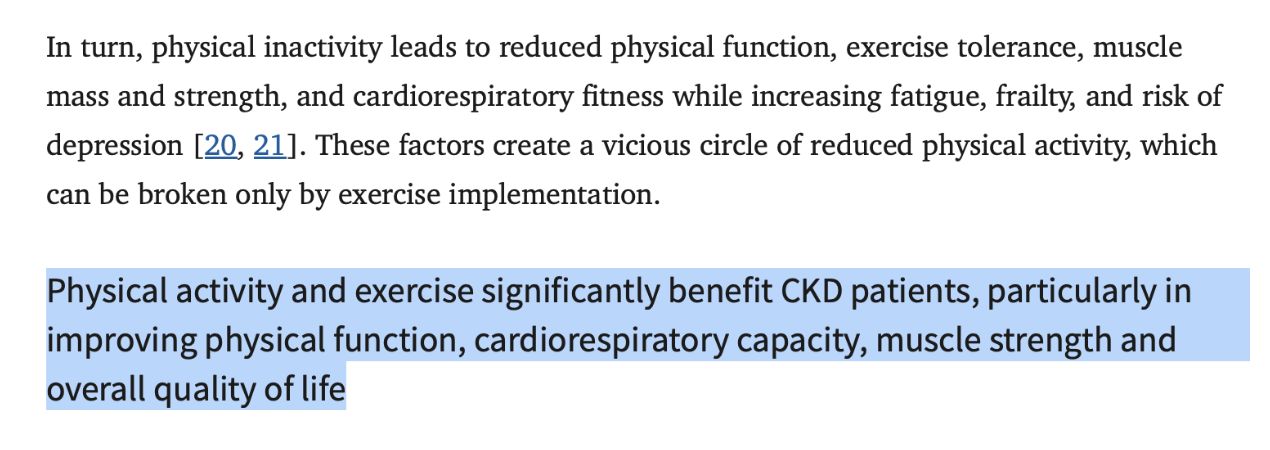
Source: Battaglia, Y., Baciga, F., Bulighin, F., Amicone, M., Mosconi, G., Storari, A., Brugnano, R., Pozzato, M., Motta, D., D’alessandro, C., Torino, C., Mallamaci, F., Cupisti, A., Aucella, F., Capitanini, A., & Working Group of Physical Exercise of Italian Society of Nephrology (2024). Physical activity and exercise in chronic kidney disease: consensus statements from the Physical Exercise Working Group of the Italian Society of Nephrology. Journal of nephrology, 37(7), 1735–1765. https://doi.org/10.1007/s40620-024-02049-9
4. Quality Sleep (Rest and Regenerate)
It’s no secret that a good night’s sleep is essential for overall health, but did you know that it’s crucial for kidney function? Poor sleep has been linked to conditions like hypertension and diabetes, both of which are major risk factors for CKD. When you don’t get enough rest, your kidneys aren’t able to filter the toxins properly.A study published in the Frontiers in Medicine found that poor sleep quality exacerbates kidney function decline, particularly in people with existing risk factors. Prioritize quality sleep to help your kidneys regenerate and prevent further damage.
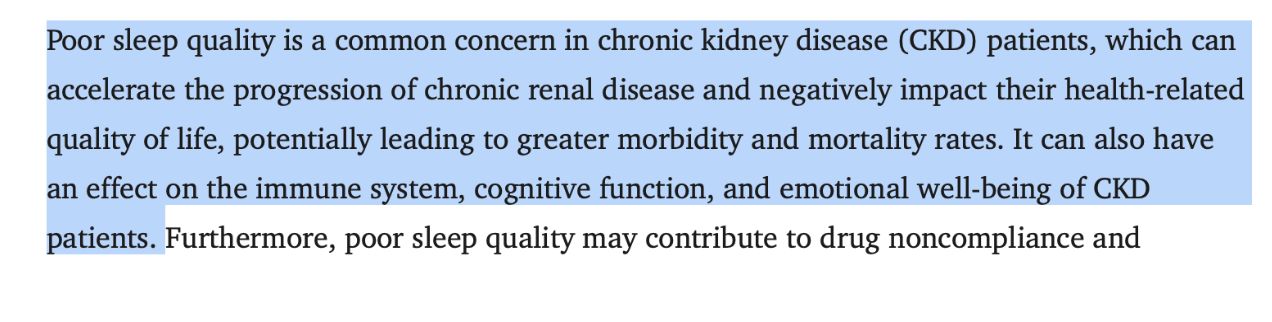
Source: Gela, Y. Y., Limenh, L. W., Simegn, W., Ayenew, W., Chanie, G. S., Seid, A. M., Beyna, A. T., Esubalew, D., Mitku, M. L., Mengesha, A. K., & Melese, M. (2024). Poor sleep quality and associated factors among adult chronic kidney disease patients. Frontiers in medicine, 11, 1366010. https://doi.org/10.3389/fmed.2024.1366010
5. The Power of Vitamin D
Vitamin D is often called the ‘sunshine vitamin,’ and for good reason. It’s essential for overall health, but it also plays a vital role in kidney care. Vitamin D deficiency is linked to faster progression of CKD. Inadequate vitamin D levels can lead to mineral imbalances that affect kidney function.Exposure to sunlight can naturally increase your vitamin D levels. A study in The Journal of Clinical Endocrinology & Metabolism confirmed that safe sun exposure helps support the kidneys by reducing inflammation and boosting immune function. So, get outside, even just ten minutes of morning sunlight exposure a day can make a big difference.
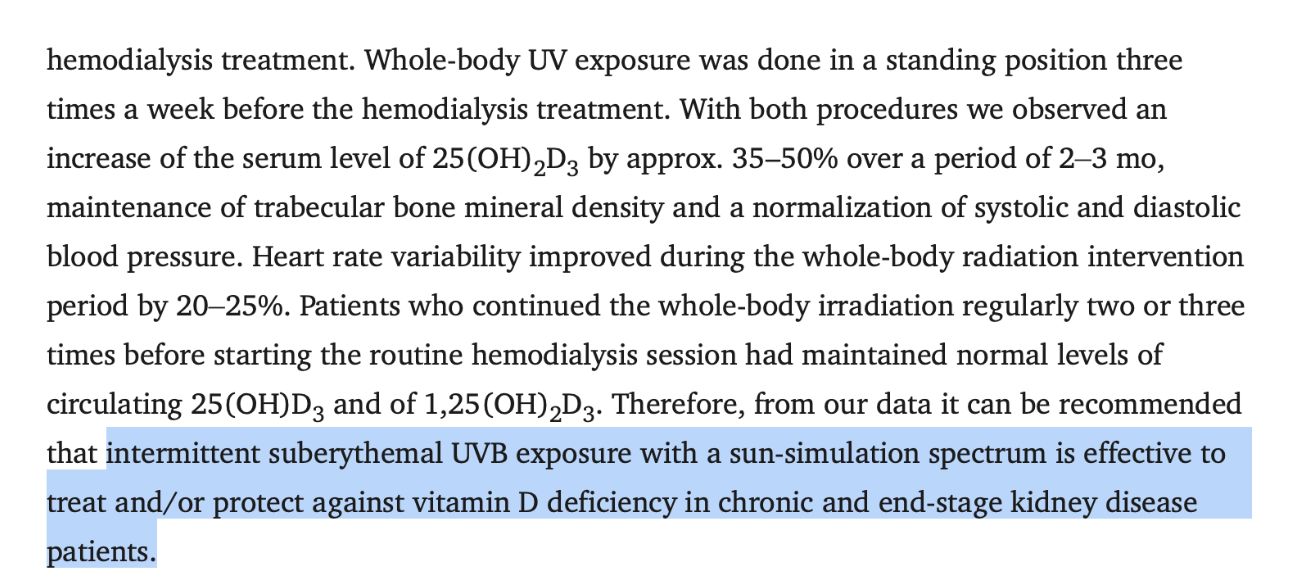
Source: Krause R. (2013). Vitamin D and UV exposure in chronic kidney disease. Dermato-endocrinology, 5(1), 109–116. https://doi.org/10.4161/derm.24539
By integrating these lifestyle changes, you create a sustainable kidney care regimen.
Prevention truly is the best medicine, and as you can see, managing kidney health is not just about avoiding the risks but taking proactive steps that promote overall well-being.
Final Word: Your Kidneys Deserve More Than Silence
Kidney function symptoms often go unnoticed until they reach a critical point, and by then, the damage may already be done. Chronic Kidney Disease (CKD) may go unnoticed, while the body silently bears the burden. But here’s the truth: you don’t have to wait for the sirens to blare.Just as we’ve seen with our countless clients, early awareness and proactive kidney care can make all the difference. Remember, it’s never too early to start caring for your kidneys. Small, consistent steps today can prevent bigger challenges tomorrow. Begin your kidney care journey today.Disclaimer: The information provided in this blog is for educational purposes only and should NOT be considered as medical advice. While the blog offers valuable insights into kidney function symptoms and lifestyle approaches for kidney care, it is important to consult with a qualified healthcare professional for personalized medical advice and treatment. Kidney conditions can vary greatly, and only a doctor can provide an accurate diagnosis and recommend appropriate care.
Your kidney health is too important to ignore.
If you or a loved one is dealing with kidney function symptoms, our Kidney Care Program provides a personalized approach to support long-term health.
Schedule a one-on-one consultation with our experts by calling us at 1800 102 0253 or emailing us at [email protected].