No products in the cart.
When was the last time you paid attention to a pumpkin seed?
For most people, pumpkin seeds don’t get the spotlight they deserve. But here’s the thing: the benefits of pumpkin seeds go far beyond what meets the eye. These little gems, often overlooked and underappreciated, are quietly packed with the kind of nutritional intelligence nature excels at—precise, efficient, and deeply supportive for everyday wellbeing.
Seeds, by nature, are the beginning of life. They are dense nutritional vaults created to give rise to an entire plant. That means every seed contains within it the raw materials needed to sustain life: proteins, minerals, antioxidants, and essential fats. They’re not just snacks. They’re strategies for better health.
We often say in our practice: it’s not always about chasing the next big thing. Sometimes, it’s about returning to the basics. And the benefits of pumpkin seeds are too significant to ignore.
You see, this isn’t just about adding another seed to your pantry. It’s about rediscovering what real, whole food can do when it’s consistently part of your life.
You’ll soon discover why this tiny seed is finally stepping into the spotlight. And more importantly, why it might deserve a permanent place in your daily plate.
What Are Pumpkin Seeds? A Quick Primer
While many of us enjoy pumpkin in soups, curries, or festive desserts, we often discard its most powerful component: the seed.
And yet, the benefits of pumpkin seeds are quietly backed by both ancient wisdom and modern science. These seeds are not new to wellness; they’ve simply been rediscovered.
Pumpkin seeds, botanically known as Cucurbita pepo, are flat, oval-shaped seeds found at the core of pumpkins. You may have come across two types: whole pumpkin seeds with their outer white hull, and pepitas, the green, shell-free version that comes from specific varieties of pumpkin. While both are edible, it’s the green inner seed, rich in bioavailable nutrients, that’s often used in culinary and therapeutic applications across cultures.

Image Credits: Freepik
The history of pumpkin seeds traces back thousands of years. Archaeological findings suggest that Indigenous communities in the Americas used them not just as food but also in rituals and traditional healing practices. Today, these seeds have traveled from ancient Mesoamerican cuisine to modern research labs, where their nutritional value continues to be validated.
From a cultural perspective, pumpkin seeds hold an honored place in both Eastern and Western traditions. In Ayurveda, they are considered nourishing and balya (strength-giving), often recommended for balancing Vata dosha due to their grounding, oily nature. In Latin American cultures, pepitas are used in everything from sauces to folk remedies for intestinal health.
Nutritional Highlights: What Makes Pumpkin Seeds Special
Now, let’s look at what you’re actually consuming in just a tablespoon of these green powerhouses.
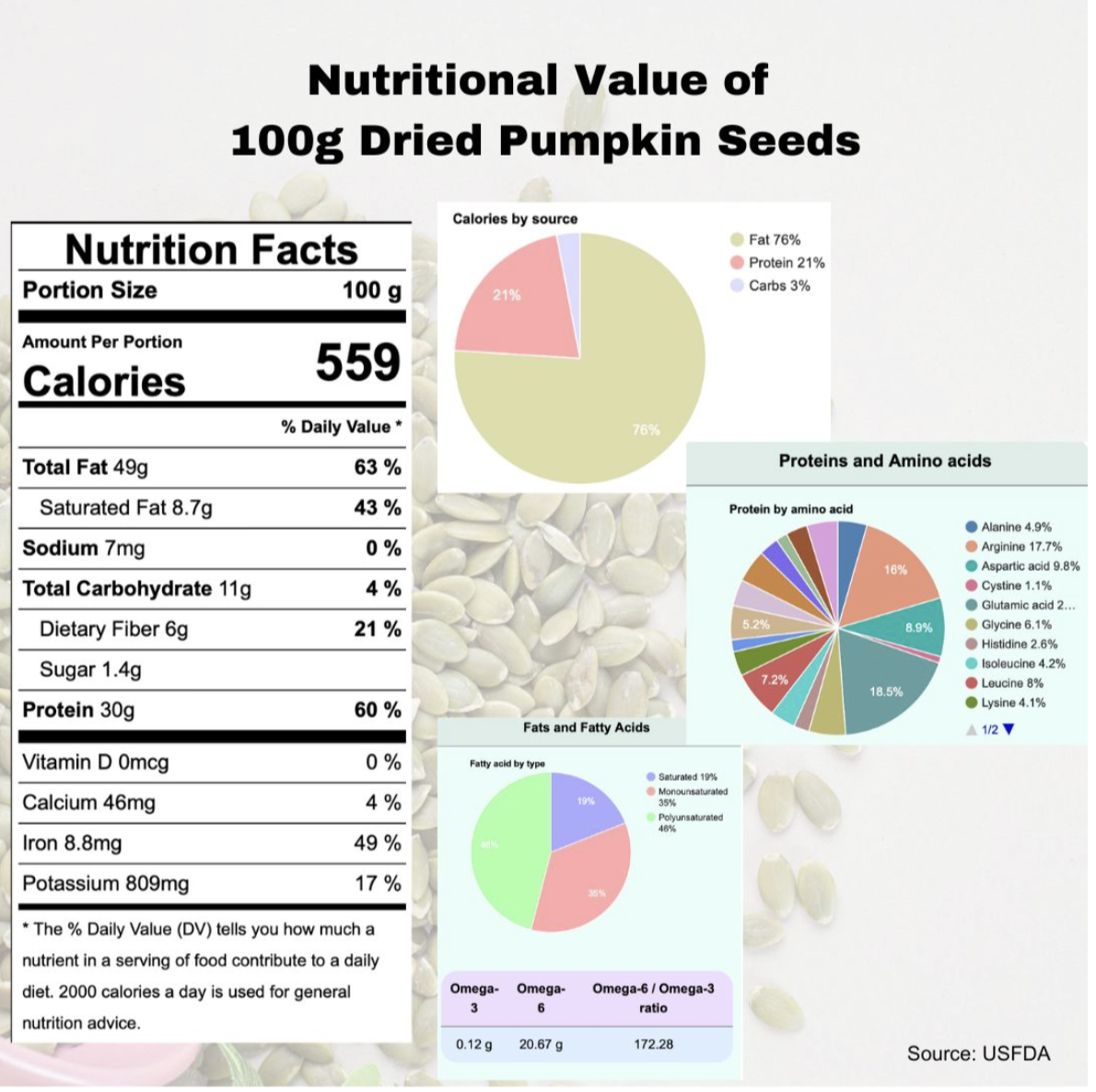
According to the USDA Nutrient Database, one tablespoon of raw pumpkin seeds (approximately 10 grams) contains:
Calories | ~57 kcal |
| Protein | ~2.5 grams |
| Healthy fats | ~4.5 grams (mainly monounsaturated and polyunsaturated fats) |
| Fiber | ~0.8 grams |
| Magnesium | ~80 mg (20% of the daily recommended intake) |
| Zinc | ~1 mg (9–10% of daily needs for most adults) |
| Iron | ~0.9 mg |
| Antioxidants | Including phenolic compounds and vitamin E derivatives |
These nutrients work synergistically, not in isolation, which is exactly how nature designed food to function. Unlike synthetic supplements that offer isolated compounds, pumpkin seeds deliver their benefits in a whole-food matrix, which supports absorption and biological activity.
Let’s take a closer look at what makes them truly special.
- A Complete Plant-Based Protein Source: Unlike many plant foods that fall short on certain amino acids, pumpkin seeds offer all nine essential amino acids. This makes them particularly valuable for individuals looking to maintain muscle mass, regulate satiety, or support overall tissue repair.
- Magnesium: Magnesium is often called the master mineral, and pumpkin seeds are one of the richest natural sources of it. Just a small handful (about 30 grams) can offer between 150–170 mg of magnesium, which is nearly 40–50% of your daily requirement.
- Zinc: One of the standout pumpkin seed benefits is its zinc content. Zinc plays a central role in testosterone metabolism and sperm health, but beyond male reproductive health, it also supports immune function, skin integrity, and wound healing for everyone.
- Healthy Fats: Pumpkin seeds are a concentrated source of beneficial fats, mainly polyunsaturated and monounsaturated fatty acids. They’re particularly rich in linoleic acid (omega-6) and also contain alpha-linolenic acid (a plant-based omega-3). These fatty acids are vital for cell membrane integrity, brain function, mood regulation, and inflammation modulation.
- Tryptophan: Tryptophan is an essential amino acid that acts as a precursor to serotonin, which in turn is converted into melatonin, the hormone responsible for regulating our sleep-wake cycles. Pumpkin seeds provide a generous amount of tryptophan for anyone experiencing restless nights or mild mood fluctuations. Unlike synthetic melatonin supplements, which can often cause grogginess or dependence, the tryptophan from food is released in a more regulated, balanced way by the body.
- Iron and Antioxidants: Pumpkin seeds offer non-heme iron, an essential mineral that supports oxygen transport and energy metabolism. But what makes this even more beneficial is that the iron in pumpkin seeds is accompanied by antioxidants such as vitamin E (especially in the form of gamma-tocopherol) and polyphenols, which protect the cells from oxidative stress and enhance overall absorption.
Benefits of Pumpkin Seeds: A Universal Superfood
The body doesn’t ask for perfection. It asks for consistency, nourishment, and care. The benefits of pumpkin seeds help your body recalibrate, protect, and perform at its best, regardless of your gender or age.
Here’s how pumpkin seeds can support everyday wellbeing for everyone:
- Supports Hormonal Symmetry: Magnesium and manganese act as cofactors in hormone synthesis, playing a role in adrenal, thyroid, and brain-derived hormones. These minerals help the endocrine system stay steady, especially in times of stress.
- Blood Sugar Regulation: The combined effect of fiber, unsaturated fats, and protein helps stabilize blood sugar by reducing glucose absorption and improving insulin sensitivity.
- Immune Intelligence: Natural zinc content enhances white blood cell production and immune signaling. Meanwhile, antioxidants like vitamin E and carotenoids counter oxidative stress that can impair immune function.
- Cardiovascular Support: Polyunsaturated fats and plant sterols present in pumpkin seeds have been shown to support healthy lipid profiles, reduce arterial inflammation, and lower blood pressure when consumed consistently.
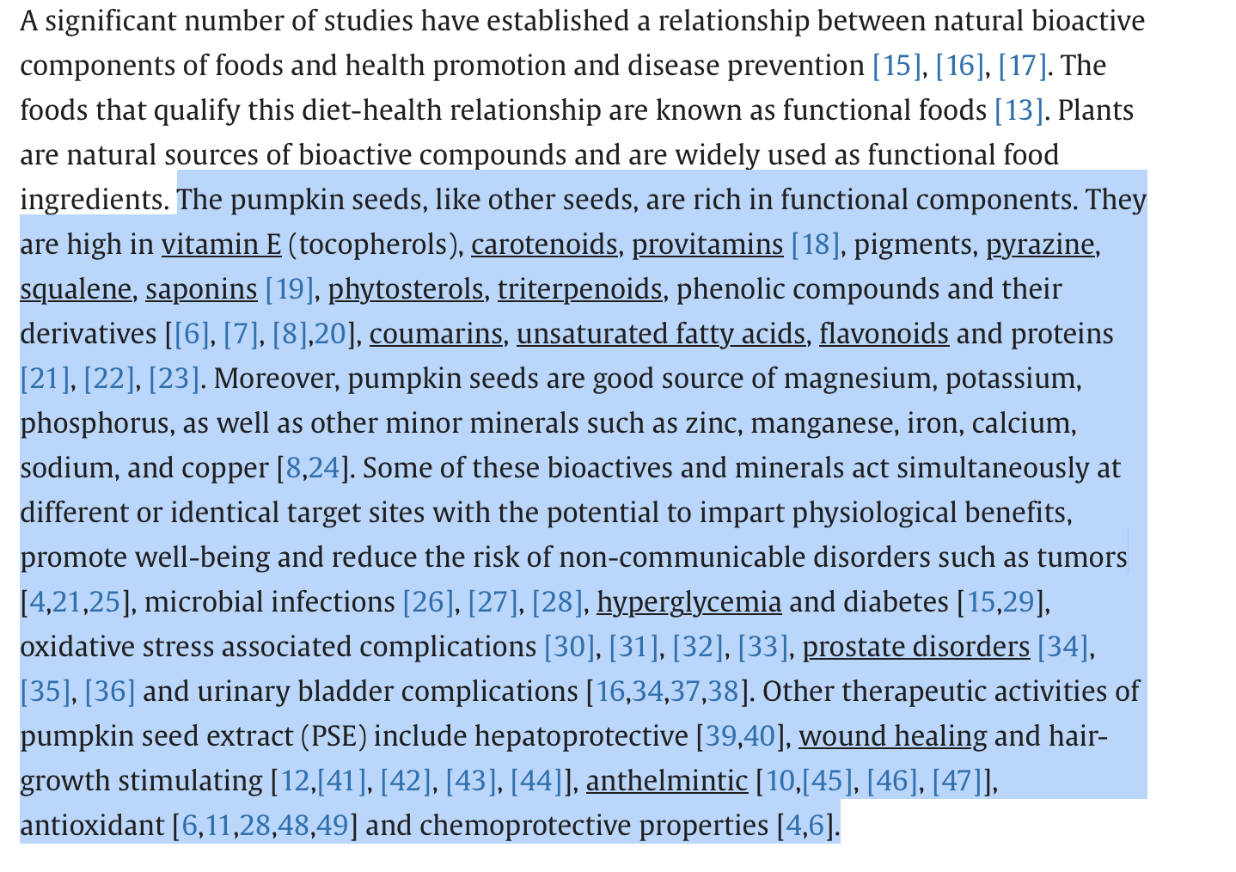
Source: Dotto, J. M., & Chacha, J. S. (2020). The potential of pumpkin seeds as a functional food ingredient: A review. Scientific African, 10(e00575), e00575. https://doi.org/10.1016/j.sciaf.2020.e00575
True wellness isn’t about chasing complexity; it’s about returning to the basics.
Pumpkin Seed Benefits for Men
While pumpkin seeds serve everyone, the way they interact with the male body is unique. In men, the demands of modern life, like stress, poor sleep, environmental toxins, and inconsistent nutrition, can gradually deplete energy.
Let’s explore how the science behind pumpkin seed benefits for men:
- Testosterone and Reproductive Health: Zinc is critical for testosterone metabolism, and pumpkin seeds provide a highly bioavailable source. Magnesium, too, enhances free testosterone levels by reducing sex hormone-binding globulin (SHBG).
- Prostate Health: Pumpkin seeds contain phytosterols, plant compounds known to reduce inflammation in prostate tissue. Consuming pumpkin seed extract resulted in significant improvement in urinary symptoms and quality of life.
- Muscle Performance and Recovery: The amino acid profile of pumpkin seeds supports muscle protein synthesis, while magnesium contributes to muscle contraction, relaxation, and recovery. This is especially relevant for men engaged in physical activity, resistance training, or those managing fatigue.
- Hair and Scalp Nourishment: Nutrients like zinc, selenium, and essential fatty acids support hair follicle health. A study in Evidence-Based Complementary and Alternative Medicine observed that men supplementing with pumpkin seed oil saw improved hair growth after 24 weeks, attributed largely to its anti-inflammatory and hormonal balancing effects.
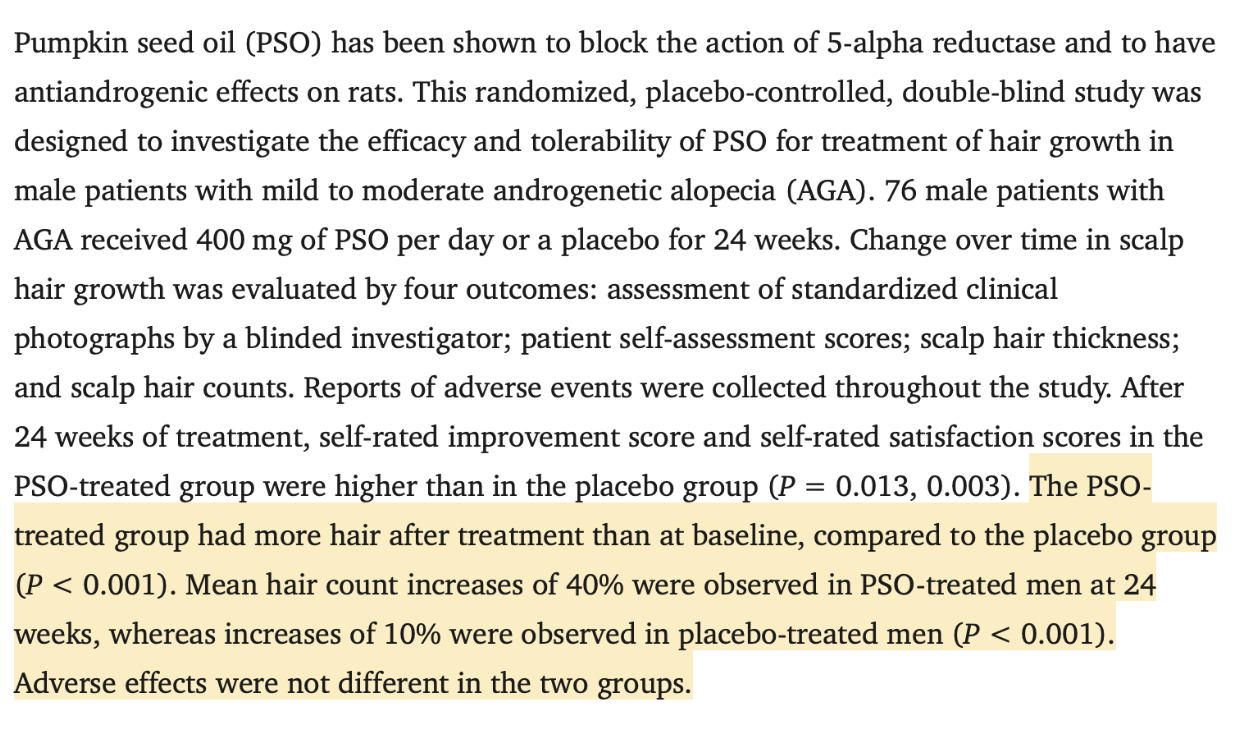
Source: Cho, Y. H., Lee, S. Y., Jeong, D. W., Choi, E. J., Kim, Y. J., Lee, J. G., Yi, Y. H., & Cha, H. S. (2014). Effect of pumpkin seed oil on hair growth in men with androgenetic alopecia: a randomized, double-blind, placebo-controlled trial. Evidence-based complementary and alternative medicine : eCAM, 2014, 549721. https://doi.org/10.1155/2014/549721
Pumpkin Seed Benefits for Women
Just as men benefit from the targeted support pumpkin seeds offer, women, too, have their own deeply personal reasons to embrace this superfood.
Women’s health is beautifully complex, influenced by rhythmic hormonal shifts across the menstrual cycle, pregnancy, perimenopause, and menopause. Through each phase, the body calls for nourishment that doesn’t override its intelligence but gently supports its transitions. That’s where the benefits of pumpkin seeds for women can make a meaningful difference. And this is why they are one of the seeds used in seed cycling.
Pumpkin seeds are rich in minerals and phytonutrients that interact with estrogen pathways, mood regulators, and skin-healing processes. Their nutritional design seems almost intuitively aligned with women’s needs, like:
- Menstrual & Premenstrual Syndrome (PMS) Support: Magnesium in pumpkin seeds plays a powerful role in reducing uterine muscle spasms, irritability, and fatigue, common symptoms of PMS.
- Mood and Sleep Harmony: With tryptophan as a natural precursor to serotonin, and magnesium aiding in Gamma-aminobutyric acid (GABA) activity, pumpkin seeds offer a food-first approach to calming the nervous system. This is especially helpful during the luteal phase of the menstrual cycle, where mood dips and insomnia can become more pronounced.
- Menopause and Hormonal Realignment: Pumpkin seeds contain plant-based phytoestrogens, compounds that gently mimic estrogen in the body.
When and How to Consume Pumpkin Seeds
You don’t need elaborate recipes or complicated protocols. When it comes to the benefits of pumpkin seeds, it’s not just what you eat, but how and when that makes the real difference.
Let’s walk through a few intentional ways to include pumpkin seeds in your daily life in a way that feels natural, sustainable, and effective.
- Best Times to Eat Pumpkin Seeds
While pumpkin seeds can be eaten any time of the day, there are a few windows when your body may benefit most from their nutrient profile:
- Mid-Morning: Adding a tablespoon of pumpkin seeds between breakfast and lunch can help stabilize blood sugar, curb cravings, and provide a gentle energy lift without relying on caffeine or sugar.
- Evening Snack: If you’re someone who struggles with late-night snacking or disturbed sleep, pumpkin seeds can be a beautiful way to wind down. The natural tryptophan and magnesium content support melatonin production and nervous system relaxation.
- Post-Workout: After exercise, your muscles are primed to absorb nutrients. The combination of protein, magnesium, and essential fats in pumpkin seeds can support muscle recovery, reduce inflammation, and replenish depleted stores, especially when paired with a whole carbohydrate like a banana or dates.
Remember, it’s not about being rigid. It’s about being mindful. Let your body’s signals, hunger, energy, and fatigue, guide your timing.
- Soaking or Sprouting for Better Digestion
Like many nuts and seeds, pumpkin seeds contain natural compounds called antinutrients, such as phytic acid, which can interfere with the absorption of minerals like iron and zinc. Soaking or sprouting them helps neutralize these compounds and enhances digestibility.
- How to soak: Simply rinse raw, unsalted pumpkin seeds and soak them in clean water with a pinch of sea salt for 6–8 hours. Drain, pat dry, and store in the refrigerator. You can lightly roast them after drying for added crunch, but avoid high temperatures that degrade sensitive fats.
Soaked seeds are easier on the gut and allow for better absorption of the minerals, especially for those with digestive sensitivities, leaky gut, or mineral deficiencies.
- How Much Is Too Much? Finding the Balance
In nutrition, more isn’t always better. Pumpkin seeds are nutrient-dense, and moderation is key to reaping their full benefits without going overboard.
- Ideal serving size: 1 to 2 tablespoons a day (roughly 10–20 grams) is a safe and effective amount for most people. This provides a substantial dose of zinc, magnesium, healthy fats, and protein, without adding excess calories or fat to your daily intake.
Watch for signs: If you’re consuming large quantities and experience bloating, heaviness, or changes in digestion, it may be time to scale back. As with any whole food, listen to how your body responds. Please consult a qualified healthcare professional before adding pumpkin seeds to your nutrition.
Ways to Include Pumpkin Seeds in Your Daily Life
Once you know their benefits, the next question becomes: How can I make this a part of my life effortlessly?
Let’s explore some ways to bring these powerful seeds into your kitchen:
- Sprinkle the Goodness: Something as simple as a tablespoon of pumpkin seeds sprinkled over a hot bowl of soup, a fresh salad, or your morning smoothie bowl adds crunch, healthy fats, and a mineral boost. It’s quick, easy, and upgrades your meal without extra prep.
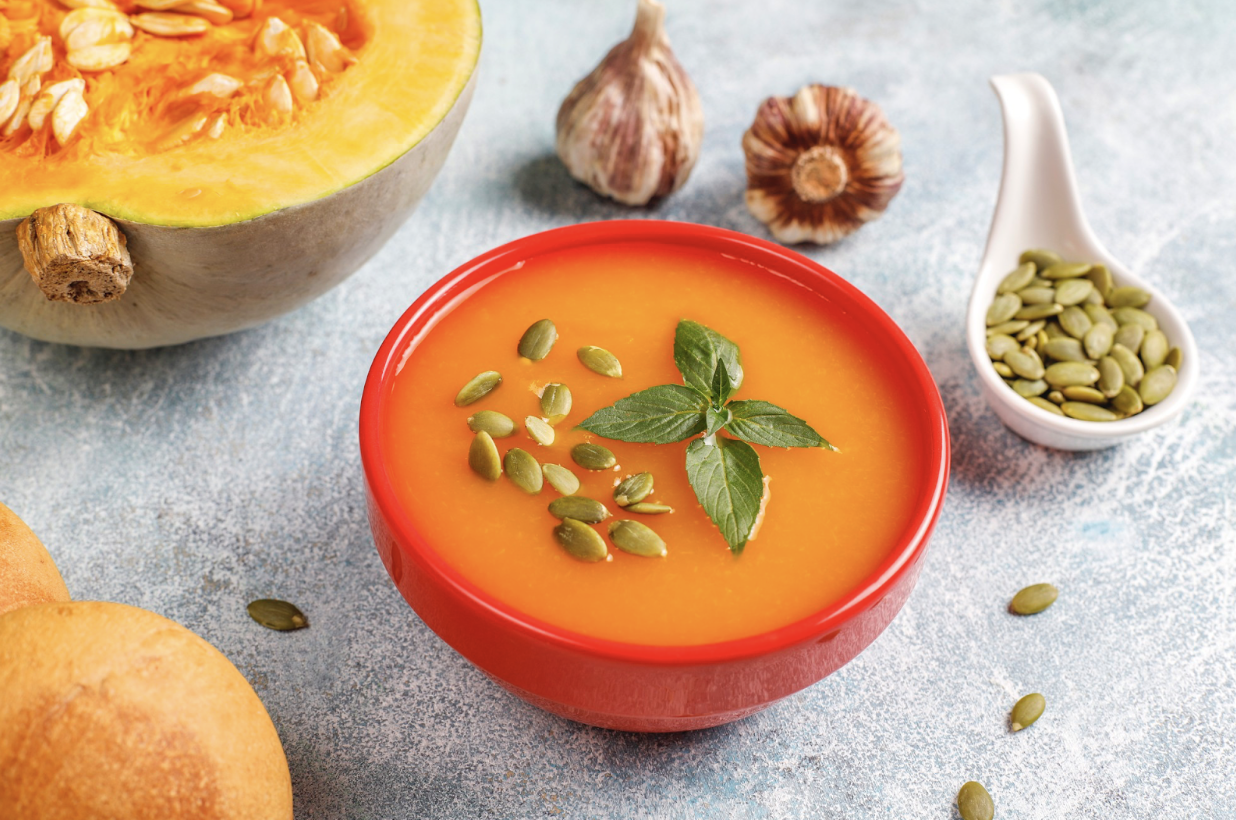
Image Credits: Freepik
2. Add to Gluten-Free Baking: If you’re someone who loves to bake, pumpkin seeds can go into gluten-free flours, breads, crackers, or muffins. Ground or whole, they bring texture and protein without overpowering the dish. Think banana pumpkin seed muffins or seed-crusted savory crackers for your evening tea.
3. Blend into Nut Butters: Pumpkin seeds blend beautifully with almonds, cashews, or peanuts to make creamy seed-nut butters. Just toss them into your food processor with a pinch of pink salt, cinnamon, or even raw cacao for a spread that’s not just tasty, but nourishing at the cellular level.
4. Make Homemade Granola or Energy Bars: DIY granolas and energy bites are perfect vehicles for pumpkin seeds. Their protein, fiber, and zinc content make them ideal for mid-morning slumps or post-workout recharges. Mix them with oats, dates, coconut flakes, and a natural binder like nut butter or jaggery syrup.
5. Pumpkin Seed Chutney: For those who enjoy Indian flavours, here’s a grounding, flavour-packed way to include pumpkin seeds—make chutney! Pumpkin seed chutney isn’t just delicious, it’s also deeply nutritious, balancing taste with functional wellness.
If you’re looking for a tried-and-tested version, try our Power-Packed Chutney, a beautiful fusion of pumpkin seeds, coconut, spices, and herbs. Pair it with rotis, idlis, or even as a dip with raw veggies. This is where functional meets flavour, and science meets tradition.
Who Should Be Cautious? A Gentle Reminder
Even when we talk about something as nutrient-rich and wholesome as pumpkin seeds, it’s important to remember that what works beautifully for one body may not work the same for another. Bio-individuality matters. And as always, nature teaches us the importance of balance and listening inward.
While the benefits of pumpkin seeds are vast and well-studied, there are a few scenarios where mindfulness and moderation go a long way:
- Nut or Seed Sensitivities: If you have a known allergy or sensitivity to nuts or seeds, proceed with caution. Though pumpkin seeds aren’t tree nuts, cross-reactivity can happen in some individuals. Always introduce them slowly and observe your body’s response, especially if you’re prone to histamine issues, hives, or gut imbalances, and with the advice of a qualified healthcare professional.
- If You’re on Iron Supplements: Pumpkin seeds are a source of non-heme iron, which, on its own, is a good thing. However, if you’re already on iron supplements, doubling up can sometimes cause gastrointestinal discomfort or increase iron levels beyond what’s needed. Speak with your doctor if you’re supplementing iron and wish to include pumpkin seeds regularly.
- Digestive Sensitivities or Heaviness: Some people find raw seeds heavy on digestion, especially if consumed in excess or too close to meals. If you ever feel bloated or gassy after consuming them, try soaking or lightly roasting them. Soaking neutralizes natural antinutrients like phytic acid, improving digestibility and mineral absorption.
Remember: your gut is wise. If it feels heavy, sluggish, or bloated after eating something, pay attention. It’s not about eliminating food, it’s about finding the version your body welcomes.
We always say, there’s no one-size-fits-all in health. Whether it’s pumpkin seeds or any other superfood, tune in, slow down, and let your body lead the way.
Common Myths
Myth: Pumpkin seeds cause weight gain.
Fact: This is one of the most common concerns, and it comes from a long-standing fear around fats. The truth is, pumpkin seeds are calorie-dense, yes, but they’re also nutrient-dense.
When eaten in moderation (1–2 tablespoons per day), they actually support weight balance, due to their healthy fats, fiber, and protein. These nutrients promote satiety, stabilize blood sugar, and prevent the overeating that often stems from nutrient deficiencies
Myth: Pumpkin seeds are not safe for kids.
Fact: They are safe when introduced mindfully. Pumpkin seeds are a wonderful source of zinc, iron, and magnesium, which are crucial for growing bodies. For toddlers and younger kids, it’s best to grind them into a fine powder or blend them into nut butters, chutneys, or porridge to avoid choking risks. For older children, they can be lightly roasted and added to meals or trail mix, as long as they’re chewed properly and only if it suits them.
Myth: Roasted pumpkin seeds lose their nutrition.
Fact: While it’s true that high-heat roasting can degrade certain heat-sensitive nutrients, like vitamin E or polyunsaturated fats, gently roasted pumpkin seeds still retain a majority of their core minerals and amino acids, including zinc, magnesium, and protein. Plus, roasting can make the seeds more digestible and palatable, especially for those who struggle with the taste or texture of raw seeds. So if roasting is what helps you stay consistent, it’s a worthy trade-off. Low and slow is the way to go.
A Gentle Note: Don’t let myths or half-truths stop you from exploring the benefits of pumpkin seeds. When used mindfully and consistently, they can be one of the most versatile, cost-effective, and nourishing additions to your daily lifestyle.
In Conclusion, Nourishment in the Palm of Your Hand
Sometimes, it’s not the new supplement, the latest food habits, or the trending superfood that brings the shift. Sometimes, it’s the quiet, consistent choices, the ones we often overlook, that create the most powerful ripple effects in our health and life.
Pumpkin seeds are one such choice.
You don’t need to overhaul your food habits or chase perfection. Let it be your quiet reminder that food, when chosen well, becomes not just fuel but information, support, and care.
Because in the end, health isn’t just about what you add to your plate, it’s about what you add to your life.
If this connected with you, you’ll want to see this
Disclaimer: The information provided in this blog is intended for educational purposes only and is not a substitute for personalized medical advice. Individual responses to food habits and lifestyle changes vary, and if you have a health condition, are pregnant, breastfeeding, taking medications, or working on serious metabolic or hormonal concerns, please consult your healthcare practitioner or an integrative wellness expert before making any significant changes. This content supports informed choices, but your unique needs deserve personalized guidance.
If a simple habit like adding pumpkin seeds can shift your health, imagine what a guided, holistic lifestyle approach can do.
Our personalized Wellness Programs go beyond food; they help you align nutrition, lifestyle, and emotional well-being for long-term results.
Ready to take the next step in your health journey?
Reach out to us at 1800 102 0253 or write to us at [email protected].