No products in the cart.
Some of our fondest childhood memories are tied to food—the steaming bowl of moong dal khichdi when we were sick, the earthy aroma of freshly cooked bhakri after school, or the way rice would fill the house with its familiar comfort as it cooked in a pressure cooker. None of it was complicated. None of it was ‘superfood’ marketed in fancy packaging. It was just real and local food— seasonal, humble—and it quietly nourished us, built our immunity, and grounded us.
But somewhere along the way, that rhythm has slipped. Today, many children reach for packaged snacks that claim to be healthy but leave their bodies confused and their guts inflamed. We see it in our practice every day: younger kids showing signs of poor gut health, weakened immunity, hormonal changes, even lifestyle conditions like obesity and insulin resistance creeping in too soon.
This isn’t just about nostalgia or clinging to tradition for tradition’s sake. It’s about returning to what makes biological and cultural sense. Our local foods—whether it’s ragi in the South, bajra in the North, or kala chana in Central India—are beautifully designed by nature for the climates we live in, the soils we walk on, and the microbes our children need for resilience.
That’s why we created the Bharat School Menu & Lifestyle Plan—to make it easier for parents, schools, and families to come back to this common-sense wisdom. Every menu we release is rooted in our indigenous grains, pulses, greens, and oils—not just because they’re ‘traditional’, but because they are practical, affordable, nutrient-dense, and exactly what growing children need today.
Because the best way to future-proof our children’s health might just be to return to the simple meals that quietly shaped our own.
The First Investment in a Child’s Future? Their Plate.
As Integrative and Lifestyle Medicine experts, we’ve spent years working with adults who are healing from what went unresolved in childhood—nutritionally, emotionally, and physically. That’s why I believe that the most impactful health interventions don’t begin in hospitals or clinics alone. They begin in the kitchen. In school tiffins. On the family dining table.
Today, more and more children across India—rural and urban alike—are struggling with issues that were once considered adult conditions: insulin resistance, poor gut health, early hormonal imbalances, obesity, anxiety. And yet, the solution is right in front of us.
Our Honourable Prime Minister’s ‘Vocal for Local’ vision, backed by ‘Make in India, Heal in India’, inspires us to return to our indigenous roots. That’s why we launched the Bharat School Menu and Lifestyle Plan—to support this vision at the grassroots level. Every month, we release free, practical menus for schools and families that spotlight our local grains, greens, pulses, and oils. From ragi to kala chana, from drumsticks to amaranth, we’re making ancient nutrition child-friendly again.
When we put the right food on their plate, we’re shaping not just healthier bodies—but sharper minds, stronger immunity, and more joyful childhoods.
Across India’s Kitchen: Local Staples with Lifelong Impact
India’s food diversity is its greatest strength. Every region has its own version of nourishing, seasonal staples—each rooted in generations of tradition and resilience. These aren’t just meals; they’re time-tested health strategies passed down from our grandmothers’ kitchens to our own.
In the North, we find bajra khichdi, sarson da saag (mustard greens), and makki ki roti (corn flatbread)—rich in fiber, iron, and warmth for harsh winters.
In the East, dishes like posto-bhaat (poppy seed paste with rice), saag, and sundried lentil dumplings (bori) bring protein, healthy fats, and minerals with local flair.
In the West, children grow up on jowar bhakri, handvo, and thepla —gut-friendly, millet-based, and perfect for sustaining energy in dry climates.
Down South, comfort comes in bowls of rasam, idli, and kootu —fermented, fiber-rich, and brimming with gut-supportive spices.
In Central India, kodo millet, kuttu (buckwheat), and chana sattu make regular appearances—power-packed and affordable options for growing bodies.
These are the foods that helped past generations thrive. Reclaiming them for our children isn’t just about culture—it’s about common sense. They’re simple, regional, balanced, and tailored to our soil, our climate, and our children’s long-term health.
Long-Term Health Starts Early: What Local Foods Really Do
Local and seasonal foods aren’t just tasty—they are biologically aligned with our bodies. Food is information to our genes. We can either have the right information or the wrong information go to our genes, depending on what we choose to feed our kids. They grow in the same soil we live on, face the same climate we do, and carry the microbial and nutritional intelligence of the land we belong to.
When we feed children what’s local, we’re not just offering a plate of food—we’re building their internal ecosystem.
What made those traditional plates so powerful?
- Millets like ragi (finger millet), jowar (sorghum), and bajra (pearl millet) strengthen bones, improve satiety, and regulate blood sugar—helping reduce childhood obesity risk.
- Local greens like amaranth, drumstick leaves, and fenugreek support iron, folate, and immune function.
- Indigenous pulses like moong dal, urad, and kala chana are protein-rich and easy on digestion.
- Cold-pressed oils, regional spices, and natural fermentation promote gut diversity and support hormonal balance in growing children.
By regularly including such foods, we are not just improving energy, digestion, and growth—but also future-proofing our children against lifestyle disorders like insulin resistance, early puberty, and compromised immunity.
This isn’t nostalgia for the past — it’s a reminder that those simple meals were smart, functional, and exactly what modern kids need today.
By celebrating our own food wisdom, we plant the seeds of a healthier tomorrow.
How to Make Local Food Fun for Kids
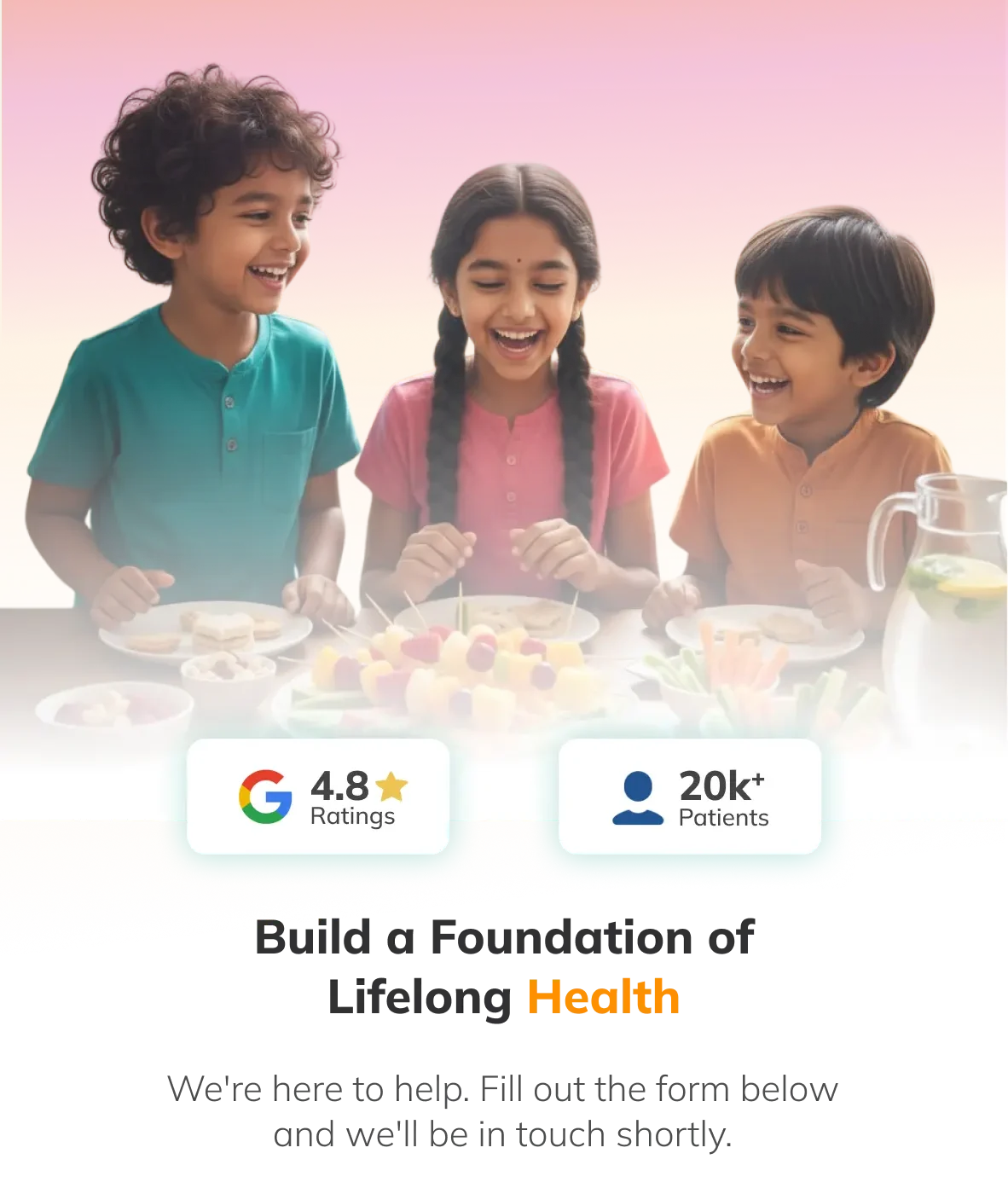
Bringing back local, seasonal foods isn’t just about what’s on the plate — it’s about making the entire experience joyful and memorable for children. When kids feel involved and curious, they naturally start appreciating the food that nourishes them.
Here are simple, fun ways to help them embrace and enjoy eating local:
- Get them involved from the start:
Take children to the market or the local grocer. Let them choose the fresh greens, pulses, or millets. When they have a hand in picking the ingredients, their interest in eating them increases. - Tell them stories:
Share your childhood memories — maybe how your grandmother’s garden smelled in the monsoon or the way she taught you to shell peas. Storytelling makes local food feel alive and connected to their family history. - Invite them into the kitchen:
Even young children can help roll rotis, sprinkle seeds, or peel drumstick leaves. Let them name dishes creatively — ‘superhero saag’ or ‘mighty millet khichdi’ — making meals fun and familiar. - Try growing something together:
A small pot of coriander on the windowsill or a tomato plant on the balcony can make children proud of what they eat. When they see a plant flourish, they connect with the food on a deeper level. - Celebrate seasonal foods with themed days:
Make summer all about mango meals or turn winter into a saag celebration. This helps children learn which foods thrive in which seasons — knowledge that stays with them long into adulthood.
The goal is simple: make local food feel exciting, not old-fashioned. When children associate local food with fun, stories, and pride, they’re more likely to carry those habits forward — not just eating these foods because they’re told to, but because they want to.
Final Word: It’s Not Just About Today — It’s About Building Lifelong Habits
This isn’t only about today’s meals or this week’s lunchboxes — it’s about setting up our children for the long run. When we nourish kids with local, whole foods, we’re doing more than feeding them. We’re helping them build a relationship with their plate, their land, their seasons, and their roots.
These early habits shape more than their physical health. Kids raised on real food, who know where their ingredients come from, tend to grow into adults with better food awareness, appreciation, and balance. Their metabolism, immunity, digestion, and even emotional well-being will carry the quiet strength of those early years spent eating mindfully and locally.
It’s one of the simplest yet most profound gifts we can give: not just good nutrition, but wisdom about how to care for themselves, their bodies, and their traditions — for life.
Ready to help your children build a stronger, healthier relationship with food — and with their own roots? Download our Bharat School Menu & Lifestyle Plan.
Wondering how to teach your kids why these choices matter? Attend The Bharat Nutrition and Lifestyle Classroom — a free monthly session designed to help children learn about nutrition, lifestyle habits, and making healthier decisions in a fun, interactive way. Register here.
Set up a one-on-one consultation with our integrative team of Child Nutrition Experts to create a balanced food and lifestyle protocol.
Call us on 1800 102 0253 or write to us at [email protected]
Disclaimer: This article is for general information only and is not a substitute for medical or nutritional advice. Please consult a qualified health professional before making significant dietary changes for your child, especially if they have specific health conditions or allergies.