No products in the cart.
We’re taught how to care for our bodies—what to eat, how to move, which supplements to take.
But how often do we truly pause and care for our inner world—our mental well-being?
Our emotions, thoughts, subconscious wounds, and invisible energy fields—these are the roots from where both healing and disease begin. And yet, this is often the most overlooked part of health.
Over the years, I’ve learnt one thing: no matter how perfect your nutrition or workout routine is, if your mind is chaotic or emotionally drained, true healing stays out of reach.

Image Source: Freepik
Today, health issues like anxiety, depression, and sleep disturbances are on the rise.
But here’s the good news: the solution doesn’t always lie in a pill or a complicated protocol. Often, it lies in simple, daily choices—choices that improve your mental health through a holistic, integrative lens.
I’ll walk you through science-backed and experience-tested practices that have worked for countless clients—simple mental health tips and daily improvement activities that you can begin right now.
Whether you’re struggling with stress or just want to feel more centered and balanced, these tools are practical, sustainable, and powerful.
Why Daily Mental Health Practices Matter
When people come to us struggling with anxiety, burnout, low energy, or even chronic physical conditions like hormonal imbalance, autoimmune disorders, or gut issues—our first question isn’t, “What medication are you on?”
It’s, “What’s going on in your mind? What’s the quality of your thoughts? How do you respond to stress?”
Why? Because the mind and body are not separate. What the mind suppresses, the body expresses.
Stress, suppressed emotions, and unhealed trauma don’t just remain ‘invisible’ — they often translate into physical symptoms.
In fact, research shows that long-term stress can rewire the brain, shrink the hippocampus (the area responsible for memory and learning), and inflame the nervous system. That’s not just an emotional problem. That’s a physiological one.
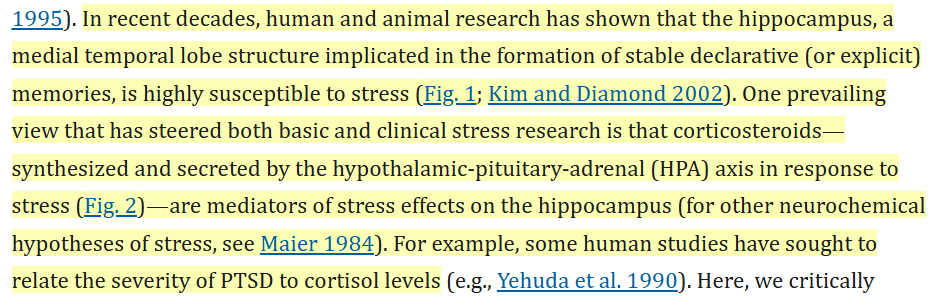
Image Source: Kim EJ, Pellman B, Kim JJ. Stress effects on the hippocampus: a critical review. Learn Mem. 2015 Aug 18;22(9):411-6. doi: 10.1101/lm.037291.114. PMID: 26286651; PMCID: PMC4561403.
Rooted in the Subconscious: What’s Beneath the Surface
Over the years, I’ve learned that true healing often lies beneath the surface.
We can eat clean, exercise, and meditate… but if there are unresolved emotions or limiting beliefs buried deep within the subconscious mind, they’ll keep showing up—through anxiety, chronic fear, guilt, and even physical illness.
The subconscious mind stores every experience, belief, and emotion you’ve ever felt—especially the ones you didn’t fully process.
- That fight you had as a child.
- That fear of not being good enough.
- The grief you suppressed.
- The shame you’ve carried silently.
All of it lives in your system if it’s not addressed. And it starts to run the show without you even realizing it.
I’ve seen this with so many clients:
- A young man with obsessive thinking patterns, stuck in loops of doubt and checking, only to discover deep-rooted fears of failure and disappointing his parents.
- A woman with chronic guilt and anxiety, constantly over-apologizing and people-pleasing. Her subconscious was holding on to childhood trauma where she felt unsafe to express anger or say no.
- A teenager battling panic attacks, triggered by exam pressure. Digging deeper revealed unresolved grief after losing a sibling—never talked about, just buried.
“What we suppress doesn’t disappear. It simply waits in the dark, finding ways to express itself through the body, behavior, or emotions.”That’s why I often say that emotional well-being begins in the subconscious.Learn more about the subconscious mind and practical steps to reprogram it in our online educational course. Click here.
When we start reprogramming these patterns—through awareness, therapy, breathwork, inner child healing, or forgiveness work—we begin to release the weight we’ve been unknowingly carrying.
That’s why I emphasize simple and sustainable mental health improvement activities. You don’t need to meditate for an hour or go off to the Himalayas. Sometimes, five minutes of conscious breath, a heartfelt journal entry, or simply saying ‘no’ to what drains you is enough to begin the healing process.
We work with people from all walks of life—CEOs, homemakers, athletes, cancer warriors, teenagers—and the ones who see the most transformation are not the ones who do everything perfectly. They’re the ones who stay consistent with the basics:
- Sleep
- Breath
- Movement
- Emotional awareness
- Clean eating
- Purpose
- Stillness
Because at the end of the day, your mental health is your responsibility. Not your therapist’s, not your doctor’s, not your partner’s. You can—and should—seek support. But true transformation begins with you showing up for your mental well-being every single day, with small steps.
And that’s exactly what we’ll cover next—simple mental health tips that work.

Image Source: Freepik
Simple Tips to Improve Mental Health
When it comes to mental health improvement, I don’t believe in complexity. In fact, what has consistently helped my clients—whether they’re homemakers, executives, students, or athletes—is the simplest tools, practiced daily with consistency.
Here are six mental health tips that have transformed lives from the inside out.
Nourish Your Gut
One of the most important mental health tips is to support your gut for your mental clarity and mood.
How to implement it:
- Cut down on sugar, ultra-processed food, and excess caffeine—they fuel anxiety and inflammation.
- Prioritize magnesium-rich foods (like pumpkin seeds, leafy greens), omega-3s (chia seeds, fatty fish), and adaptogens (ashwagandha, tulsi).
- Eat your meals on time—irregular eating patterns can spike or crash blood sugar, affecting mood.
- Add fermented foods like yogurt, kefir, or sauerkraut to support your gut flora.
Why it works:
Your gut is your second brain. Over 90% of serotonin—the ‘feel good’ neurotransmitter—is made in the gut. An inflamed or imbalanced gut affects mental clarity, mood, focus, and energy. I’ve seen clients experience better emotional balance within days of correcting their eating habits.
Sleep Like It’s Medicine
Prioritize deep, quality sleep to support emotional and mental resilience.
How to implement it:
- Fix your sleep-wake cycle—even on weekends.
- Switch off from screens at least 90 minutes before bedtime.
- Sip on chamomile tea, take a warm shower, or stretch gently to unwind.
- Keep your room dark, cool, and gadget-free.
Why it works:
When you’re sleep-deprived, even the smallest stress feels like a mountain. Quality sleep helps your brain cleanse, reset, and regulate hormones. Many people have transformed their focus, patience, and energy by simply prioritizing sleep hygiene practices.
Move for Joy, Not Punishment
Use movement to clear mental fog, release stress, and uplift your mood. I have been recommending this mental health tip to almost everyone.
How to implement it:
- Move your body for at least 30 minutes daily—walk, dance, swim, trek, or stretch.
- Do what feels good. Joyful movement keeps you consistent.
- Mix it up to stay engaged.
Why it works:
Movement releases endorphins (your natural feel-good chemicals) and lowers cortisol, the stress hormone. People feel emotionally lighter and more optimistic just by walking barefoot on grass every morning. Movement is one of the simplest mental health improvement activities available to us.
Release Emotions, Don’t Suppress Them
Honor your emotions and give them a healthy outlet.
How to implement it:
- Journal your thoughts—especially before bed.
- Allow yourself to cry or vent—it’s not weakness, it’s release.
- Talk to someone you trust.
- Practice forgiveness as a gift to yourself.
Why it works:
Unexpressed emotions don’t disappear—they settle in the body and create inner blocks. When you create space to feel, reflect, and release, you build resilience, clarity, and calm. Many of my clients feel lighter—both mentally and physically—after consistently expressing rather than bottling up emotions.
Connect with Something Greater
Rebuild your connection with self, purpose, or higher energy.
How to implement it:
- Spend 5 minutes daily in silence or prayer.
- Watch a sunrise, sit in nature, or reflect on your ‘why.’
- Read or listen to something that feeds your soul.
Why it works:
You don’t need a religion to feel connected. You need stillness and space. A lack of purpose or disconnection often shows up as mental fatigue. Spiritual connection brings grounding, peace, and a return to your center. Our Sangha community thrives on this kind of nourishment.
Reclaim the Present with Conscious Breathing
Using conscious breath as your anchor in stressful or scattered moments.
How to implement it:
- Practice box breathing: inhale-hold-exhale-hold for 4 counts each.
- Try Anulom Vilom (alternate nostril breathing).
- During stressful moments, place a hand on your belly and focus on deep, slow breathing.
Why it works:
Your breath is your most accessible and free healing tool. It brings you back into the present, lowers stress, and quiets mental chatter. I’ve had clients stop panic attacks in their tracks using nothing but breath. It’s a powerful mental health tip.
Daily Wellness Activities for Mental Health Improvement
We don’t need to wait for a breakdown to start working on our mental well-being. It’s the tiny, intentional actions we take every single day that help us stay grounded, present, and emotionally balanced.
Here are some of my go-to daily activities that may seem simple, but when practiced consistently, they’re powerful allies in improving mental health.
| Activity | How to Practice It | Why It Helps Your Mental Health |
| 🌞 Morning sunlight exposure | Step out within 30 minutes of waking; 10–15 minutes is enough | Regulates circadian rhythm, supports serotonin and vitamin D |
| 🧘 5-Minute breathwork or meditation | Practice deep breathing, box breathing, or stillness | Lowers cortisol, brings focus and calm to the nervous system |
| 📝 Gratitude journaling | Write 3–5 things you’re grateful for daily | Shifts focus from lack to abundance, rewires thought patterns |
| 👣 Nature walk or grounding | Walk barefoot on grass or sand; take mindful walks outdoors | Reduces inflammation, increases vitality and energy |
| 🎨 Engage in creative hobbies | Paint, sketch, dance, cook, play an instrument | Activates flow state, reduces mental clutter and overthinking |
| 📴 Digital breaks | Schedule 1–2 hours daily without screens or notifications | Clears mental fog, reduces anxiety from overstimulation |
| 🍲 Cook a mindful meal | Be present as you prep, cook, and eat your food | Nourishes both body and mind; enhances mindfulness |
| 🔔 Practice a pause ritual | Pause for 30 seconds before reacting or responding | Builds self-awareness and emotional regulation |
| 🙏 Say a morning intention or prayer | Speak or write a small intention at the start of your day | Creates clarity, direction, and inner alignment |
| 📚 Feed your mind consciously | Read or listen to something uplifting daily | Protects your energy field, inspires optimism and learning |
| 💧 Stay hydrated with awareness | Sip water throughout the day—don’t gulp | Hydration improves cognitive clarity and mood |
| 🧍 Stretch or move midday | Take a 5-minute stretch break between tasks | Releases tension, improves blood flow to the brain |
| 🗓️ Set boundaries for mental space | Say ‘no’ without guilt; carve out ‘you time’ | Preserves energy, reduces overwhelm and resentment |
Need more inspiration to improve your mental health daily? My book The Calm Prescription offers 75 simple, science-backed mental health improvement activities—no gadgets, just practical tools to shift you from stress to healing. Grab your copy and begin your calm journey today.
Create Your Personalized Mental Health Strategy
I often tell my clients this: Don’t wait for rock bottom to start listening to yourself.
You don’t need a breakdown to build a breakthrough.
When it comes to mental well-being, there is no one-size-fits-all manual. Your emotions, your wounds, your joys—they’re personal. So why shouldn’t your healing be?
So here’s what I want you to do:
- Listen in. What activity from the list above feels right? Not sounds good—but feels true in your body?
- Experiment. Start with two. Play with them. Mix them up. Morning walk + journaling. Breathwork + unplugged evenings. Observe what shifts.
- Notice patterns. What days feel lighter? When does your breath slow down? When do you feel most yourself?
- Adapt and evolve. This isn’t a to-do list. It’s a living practice. Some days, your tool might be stillness. Other days, it’s tears, movement, or music. It’s all valid.
- And yes—find your people. Whether it’s a therapist, a conscious friend, or an online tribe. Healing multiplies when witnessed.
You’re not trying to ‘fix’ yourself. You’re learning to partner with yourself. That’s real healing.
And the best part? You already have the wisdom. I’m just reminding you to trust it.
The Last Word
Remember, the magic isn’t in grand gestures but in showing up for yourself every day, even when it feels small or hard.
If ever you feel overwhelmed or stuck, don’t hesitate to reach out—to a trusted friend, a mentor, or a professional. Asking for help is a sign of courage, not weakness.
So today, take that first step. Pick one small habit, one moment of kindness for your mind, and begin. Invest in your mental health with intention, compassion, and faith.
Frequently Asked Questions
What are some effective daily mental health tips?
Some effective mental health tips include early morning sunlight, journaling, breathwork, nature walks, and mindful eating. These daily rituals support emotional balance, reduce stress hormones, and create mental clarity. They’re not quick fixes—they’re sustainable practices that help create lasting inner calm and resilience in a fast-paced world.
Are there simple mental health improvement activities I can try at home?
Yes! Some powerful mental health improvement activities you can do at home include barefoot grounding, gratitude journaling, digital detoxes, deep breathing, or even cooking a mindful meal. These activities are proven to calm the nervous system, improve sleep, and shift your state from anxiety to calm—without needing fancy tools.
How do I know which mental health tips are right for me?
Start by tuning into what your body and mind need. Test 2–3 mental health tips—like breathwork, journaling, or digital breaks—and observe how they impact your mood, sleep, or focus. Mental health isn’t one-size-fits-all. The right path to mental health improvement is one that works for you.
Why is consistency important in mental health improvement activities?
Because the brain and body thrive on routine. Practicing mental health improvement activities consistently rewires neural pathways, lowers stress, and builds emotional resilience. Just like exercise or nutrition, mental wellness is a daily investment. A few minutes each day can make a big difference in how you feel and heal.
Disclaimer: The content provided in this blog is for educational purposes only and should not be considered as a substitute for professional medical or psychological advice. Always consult with qualified healthcare professionals regarding any mental health concerns or conditions.
Looking for holistic and integrative guidance on mental health improvement?
We help you find a way.
Set up a one-on-one consultation with our life coaches and emotional wellness counselors by reaching out to us at 1800 102 0253 or writing to us at [email protected].