No products in the cart.
We’ve all heard about the incredible benefits of pomegranates, berries, and walnuts. We snack on them, add them to smoothies, or sprinkle them over our salads, but what if I told you that these familiar foods are more than just nutritious?
Imagine them as raw ingredients, waiting to be transformed by your body into something truly remarkable.
Among so many compounds that exist, one has recently captured scientific attention for its potential role in supporting graceful aging: Urolithin A.
Urolithin A: The Microbial Alchemist of Your Gut
Imagine a molecule that could help protect your muscles, support your energy, and promote cellular health, but it doesn’t come from a pill or a supplement. It comes from the foods you eat, transformed by the incredible ecosystem in your gut. This molecule is called Urolithin A (UA).
UA is not found directly in foods. Instead, it is produced when your gut bacteria break down compounds in everyday foods like pomegranates, walnuts, and berries. These compounds, known as ellagitannins and ellagic acid, begin a fascinating journey through your digestive system, eventually becoming UA through the work of your gut microbes.
The Biochemical Journey to Urolithin A
- Ingestion of Polyphenols: Upon consuming foods rich in ellagitannins or ellagic acid, these compounds enter the gastrointestinal tract.
- Hydrolysis in the Small Intestine: In the small intestine, ellagitannins are hydrolyzed into ellagic acid by enzymes.
- Microbial Conversion in the Colon: The ellagic acid then reaches the colon, where specific gut bacteria, such as Gordonibacter species, metabolize it into urolithins, including UA.
- Absorption and Systemic Distribution: Once produced, UA is absorbed through the intestinal wall into the bloodstream, where it can exert various health effects.
However, not everyone produces UA with the same efficiency. Your ability to generate this molecule depends largely on the diversity and balance of your gut microbiome.
A vibrant gut rich in beneficial bacteria, like Lactobacillus and Bifidobacterium, enhances UA production. Scientific studies support this connection. Research published in Trends in Molecular Medicine shows that individuals with a more diverse gut microbiome convert ellagic acid into UA more efficiently. Conversely, a study in Nutrients highlighted that lower microbial diversity correlates with reduced UA production.
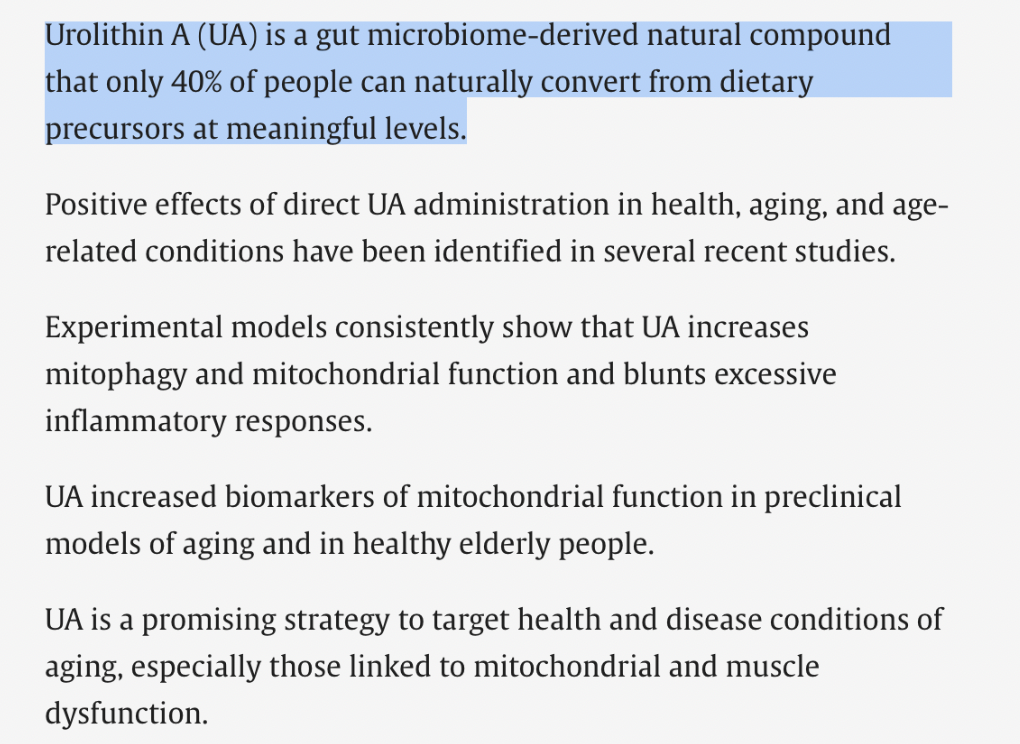
Source: D’Amico, et. al. (2021). Impact of the natural compound urolithin A on health, disease, and aging. Trends in Molecular Medicine, 27(7), 687–699. https://doi.org/10.1016/j.molmed.2021.04.009
Factors Impeding Urolithin A Production
Several factors can hinder your gut’s ability to produce urolithin A:
- Antibiotic Use: Antibiotics can disrupt the balance of your gut microbiota, reducing the number of beneficial bacteria needed for UA production.
- Gut Infections: Infections can alter the composition of your gut microbiome, potentially leading to a decrease in UA-producing bacteria.
- Low Microbial Diversity: If your plate is lacking in fiber-rich foods can lead to a less diverse gut microbiota, which is crucial for the production of various metabolites, including UA.
Urolithin A: The Gut-Activated Molecule That Powers Your Cells, Muscles, and Mind
Our bodies are remarkable machines, but over time, wear and tear can affect how efficiently they operate. While UA is not directly present in food, a healthy gut can produce it from dietary polyphenols, unlocking a range of benefits, like:
- Muscle Strength and Endurance: Energizing from Within
Every movement, from climbing stairs to lifting weights, depends on mitochondria, the powerhouses of your cells. As we age, these cellular engines can become less efficient, leading to fatigue, muscle weakness, and slower recovery.
UA enhances mitophagy, a natural process that clears out damaged mitochondria and replaces them with healthy ones. Clinical studies have shown that UA improves muscle endurance and strength in middle-aged and older adults, making it particularly valuable for combating sarcopenia (age-related muscle loss), chronic fatigue, COPD, and fibromyalgia. By revitalizing muscles at the cellular level, UA helps restore energy and performance naturally.
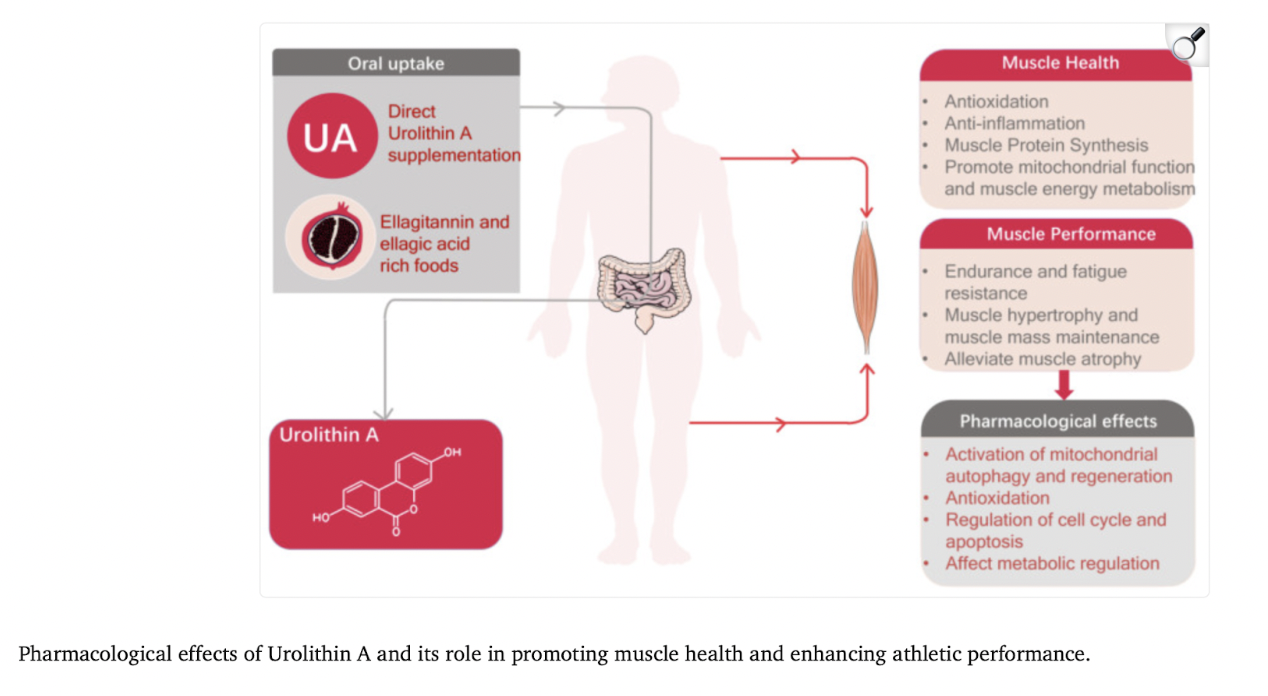
Source: Zhao, H., Song, G., Zhu, H., Qian, H., Pan, X., Song, X., Xie, Y., & Liu, C. (2023). Pharmacological Effects of Urolithin A and Its Role in Muscle Health and Performance: Current Knowledge and Prospects. Nutrients, 15(20), 4441. https://doi.org/10.3390/nu15204441
2. Cellular Health and Longevity: Protecting Your Core
UA works as a cellular guardian, maintaining mitochondrial quality and ensuring your cells function optimally. This process supports not just muscle cells but every cell in your body, promoting resilience and longevity. Studies in both animal models and humans indicate that UA can improve mitochondrial gene expression and overall cellular metabolism, suggesting it may help slow some aspects of age-related cellular decline.
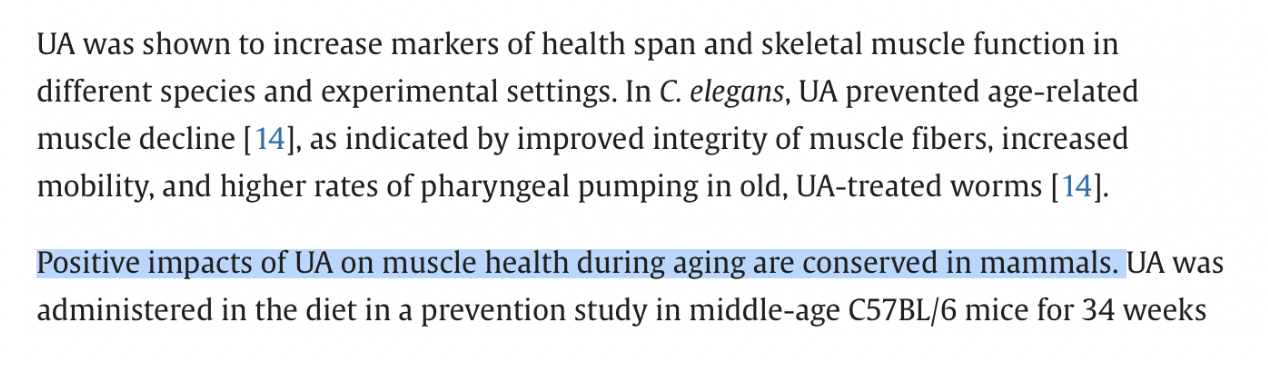
Source: D’Amico, et. al. (2021). Impact of the natural compound urolithin A on health, disease, and aging. Trends in Molecular Medicine, 27(7), 687–699. https://doi.org/10.1016/j.molmed.2021.04.009
3. Brain Health and Neuroprotection: Strengthening Your Mind
Your brain is highly vulnerable to oxidative stress and inflammation, which can contribute to neurodegenerative conditions such as Alzheimer’s and Parkinson’s. UA supports cognitive health by enhancing mitochondrial function in neurons, reducing oxidative damage, and modulating key proteins involved in neurodegeneration. Research has shown that UA can protect dopaminergic neurons, reduce amyloid-beta accumulation, and support memory and learning, making it a valuable ally for maintaining mental clarity and brain resilience as we age.
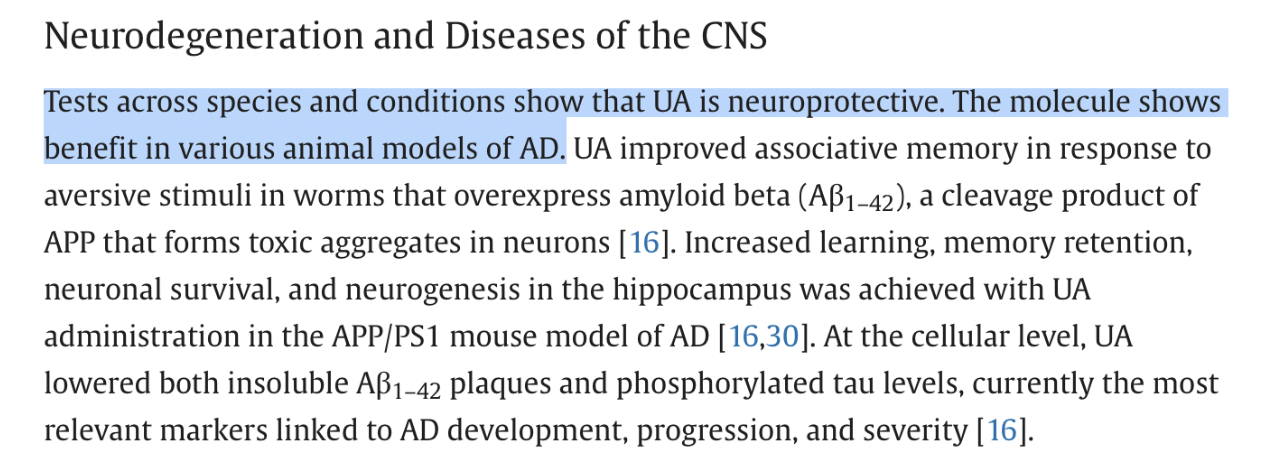
Source: D’Amico, et. al. (2021). Impact of the natural compound urolithin A on health, disease, and aging. Trends in Molecular Medicine, 27(7), 687–699. https://doi.org/10.1016/j.molmed.2021.04.009
4. Heart and Vascular Support: Keeping Your Engine Strong
A healthy heart and blood vessels are critical for overall wellness. UA improves endothelial function, helping blood vessels remain flexible and efficient. Clinical and preclinical studies show that UA reduces arterial stiffness, stabilizes atherosclerotic plaques, and limits inflammation in the cardiovascular system. By supporting healthy circulation, UA can help protect against heart disease and maintain optimal cardiovascular performance.
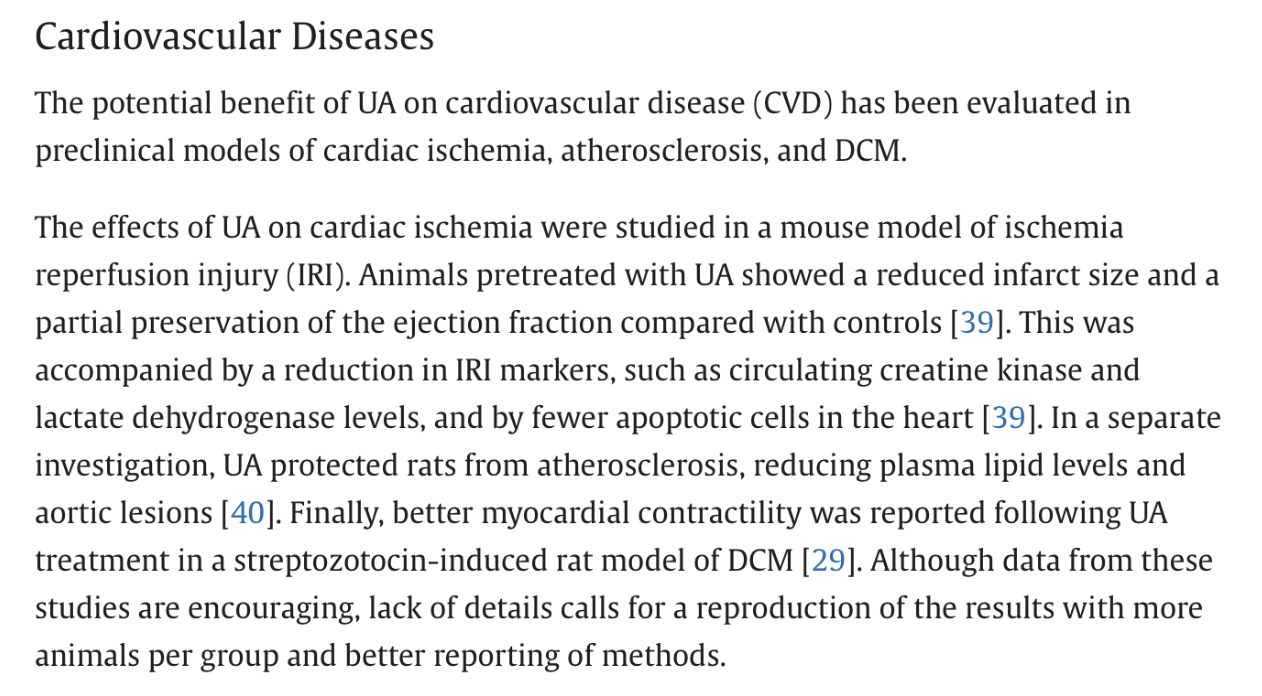
Source: D’Amico, et. al. (2021). Impact of the natural compound urolithin A on health, disease, and aging. Trends in Molecular Medicine, 27(7), 687–699. https://doi.org/10.1016/j.molmed.2021.04.009
5. Metabolic Balance and Anti-Inflammatory Benefits
Chronic inflammation and metabolic imbalance are often silent contributors to conditions like type 2 diabetes, fatty liver disease, and obesity. UA helps regulate blood sugar, improve insulin sensitivity, and support lipid metabolism. It also reduces systemic inflammation by modulating immune pathways and lowering pro-inflammatory molecules. These combined effects not only improve metabolic health but also support overall energy, resilience, and well-being.
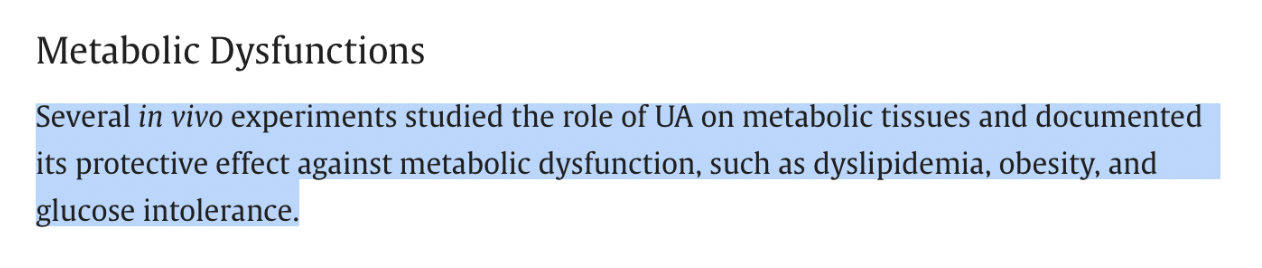
Source: D’Amico, et. al. (2021). Impact of the natural compound urolithin A on health, disease, and aging. Trends in Molecular Medicine, 27(7), 687–699. https://doi.org/10.1016/j.molmed.2021.04.009
6. Gut Health: The Key to Unlocking UA’s Power
The benefits of UA depend on a healthy gut microbiome. Certain gut bacteria are essential for converting ellagic acid from foods into UA, and differences in microbial diversity can greatly influence production. Supporting your gut with fiber-rich foods, probiotics, and prebiotics enhances your natural ability to generate UA, creating a powerful synergy between nutrition, gut health, and cellular vitality.
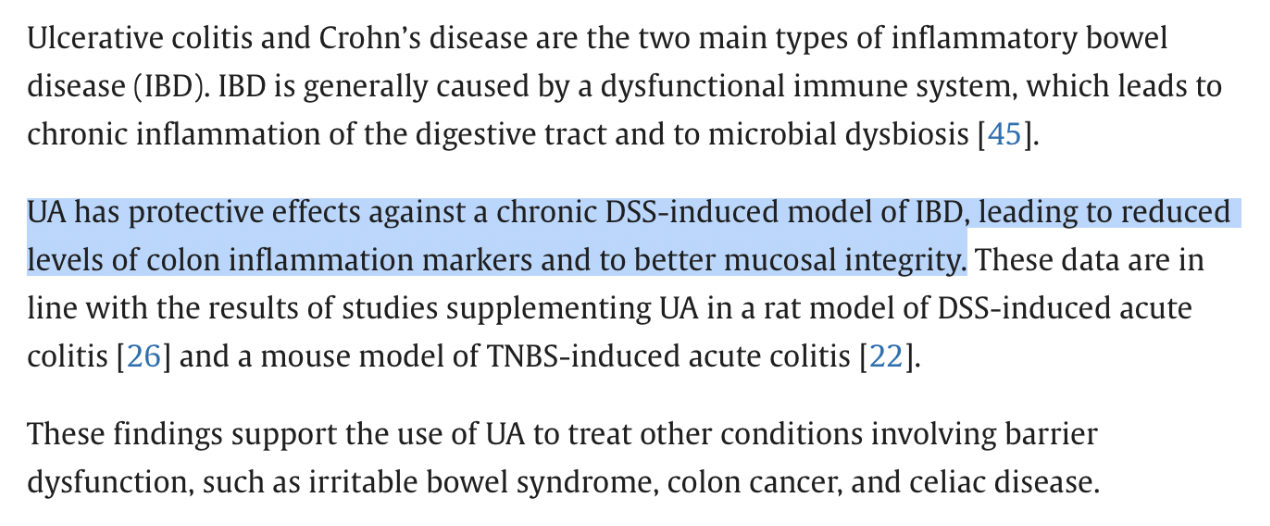
Source: D’Amico, et. al. (2021). Impact of the natural compound urolithin A on health, disease, and aging. Trends in Molecular Medicine, 27(7), 687–699. https://doi.org/10.1016/j.molmed.2021.04.009
Additional Benefits
Emerging research suggests that UA may also:
- Reduce fatigue and support recovery in chronic conditions associated with low mitochondrial function.
- Enhance skin health and cellular repair by promoting mitochondrial efficiency.
- Support overall immune function through its anti-inflammatory effects.
Urolithin A-Rich Foods That Fuel Your Cells and Muscles
Foods rich in ellagic acid and ellagitannins serve as natural precursors for the production of Urolithin A (UA) in the gut.
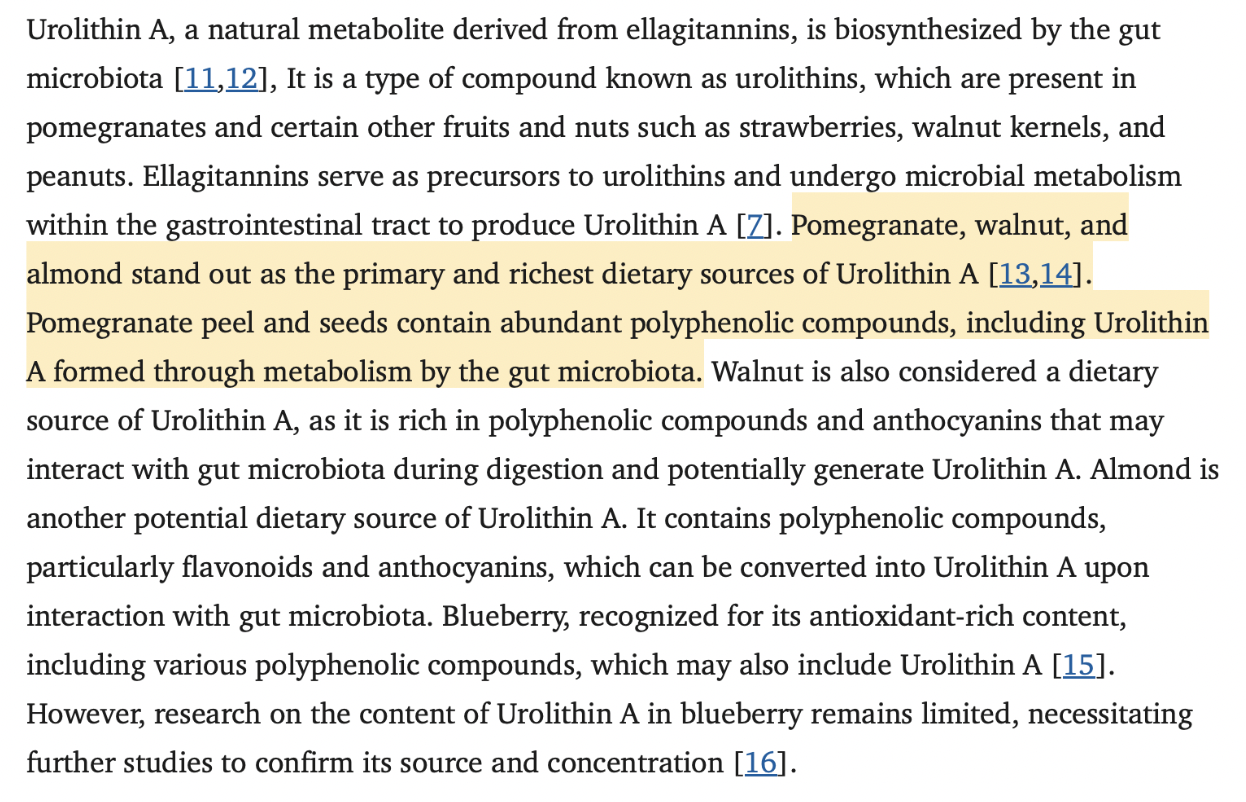
Source: Zhao, H., Song, G., Zhu, H., Qian, H., Pan, X., Song, X., Xie, Y., & Liu, C. (2023). Pharmacological Effects of Urolithin A and Its Role in Muscle Health and Performance: Current Knowledge and Prospects. Nutrients, 15(20), 4441. https://doi.org/10.3390/nu15204441
Following are the food sources rich in Urolithin A:
- Pomegranates: Nature’s Ellagitannin Powerhouse
Pomegranates are packed with ellagitannins, which your gut bacteria convert into UA. Beyond supporting UA production, pomegranate consumption positively influences gut microbial metabolism, lipid balance, and overall gut health, making it a potent ally for healthy aging.
2. Berries: Delicious Cellular Support
Raspberries and strawberries are rich in ellagic acid. Including a variety of berries in your plate can help sustain UA production, supporting cellular energy, muscle performance, and overall well-being.
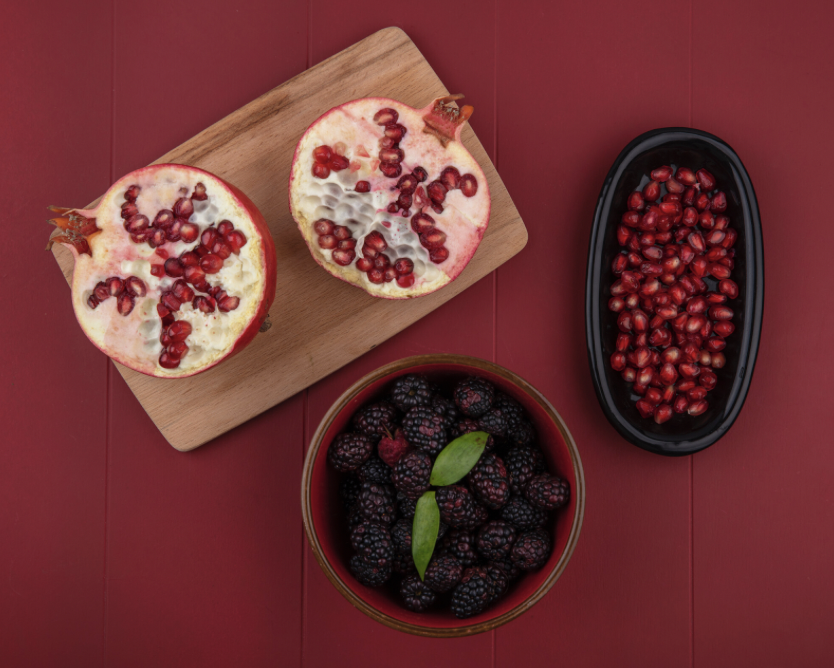
Image Credits: Freepik
3. Walnuts: A Nutritious Boost for Your Gut
Walnuts provide another excellent source of ellagitannins. Studies indicate that regular walnut consumption can enhance gut microbiota composition and increase UA metabolite levels, particularly in individuals with a favorable gut microbial profile. This means walnuts can help amplify your body’s natural production of UA while contributing to heart and metabolic health.
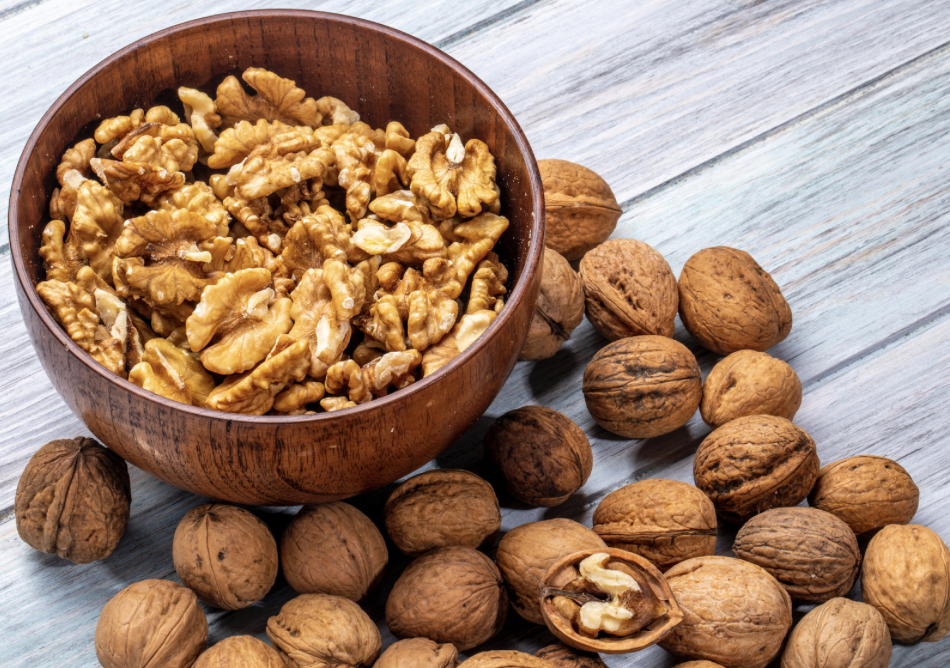
Image Credits: Freepik
4. Green and Black Tea: Gut-Friendly Polyphenols
While not direct sources of ellagic acid, polyphenols in green and black tea can enhance the gut microbiota’s capacity to produce UA. To get the full benefit, it’s best to enjoy these teas without milk or added sugar, as these can interfere with polyphenol absorption. A simple cup of plain green or black tea daily can complement other UA-rich foods and support cellular and mitochondrial health.
A Day in Practice: Simple Ways to Increase UA Naturally
- Breakfast: Yogurt topped with pomegranate seeds.
- Midday: Green tea with a handful of walnuts.
- Evening: A bowl of fresh raspberries as a snack.
This approach isn’t about perfection; it’s about consistency. Every meal you plan to support UA production strengthens the connection between your food choices, gut microbiome, and long-term wellness.
Supplements vs Food: Should You Use Urolithin A Capsules?
When it comes to Urolithin A, many people wonder: Is it better to get this compound through supplements or just rely on food and gut health?
Food-First Approach: Why It’s Still Vital
Foods containing ellagic acid and ellagitannins, pomegranates, berries, walnuts, almonds, are the natural sources of urolithin A precursors. When your gut microbiome is healthy, eating these foods consistently can induce UA production. The benefit of this approach is synergy: you get fiber, antioxidants, micronutrients, and support for microbiome diversity all at once.
Also, studies show that people with efficient ‘urolithin metabotypes’ (those whose microbiomes naturally convert dietary precursors well) achieve benefits even without supplementation. Food plus gut health can thus be enough for many.
Who Might Benefit Most from Urolithin A Supplementation
From the human trials, these groups appear to gain more from capsules:
- Older adults (65+) with declining mitochondrial function or muscle strength.
- Individuals whose gut microbiome is compromised (after antibiotic use, chronic illness, or low microbial diversity).
- Those unable to consume sufficient UA precursor-rich foods due to food restrictions or access issues.
Benefits and Limitations of Urolithin A Capsules
Benefits:
- They bypass the variability in how well your gut converts ellagitannins into UA. Some people’s microbiomes simply don’t produce UA efficiently from food.
- In older individuals or those with impaired gut microbiota (due to age, disease, or antibiotic use), supplements achieve measurable effects in clinical contexts (muscle endurance, mitochondrial biomarkers).
- Standardized doses make it easier to study and to produce predictable responses.
Limitations:
- Short-term studies: Most trials last a few weeks to months. Long-term benefits (years) are not yet well-established.
- High dose cost & accessibility: 500–1000 mg/day is used in many studies; getting this amount reliably via supplements may have cost or availability barriers.
- Supplements don’t replace lifestyle: Nutrition, exercise, sleep, stress management still matter greatly. Supplements are aides, not anchors.
Dose References
While Urolithin A is naturally produced in the gut from dietary polyphenols found in foods, the amount generated can vary significantly among individuals due to differences in gut microbiota composition. To achieve consistent and higher levels of UA, some choose to supplement with Urolithin A directly.
Clinical trials have typically administered 500–1000 mg per day of Urolithin A (UA) to observe measurable effects on muscle endurance and mitochondrial biomarkers.
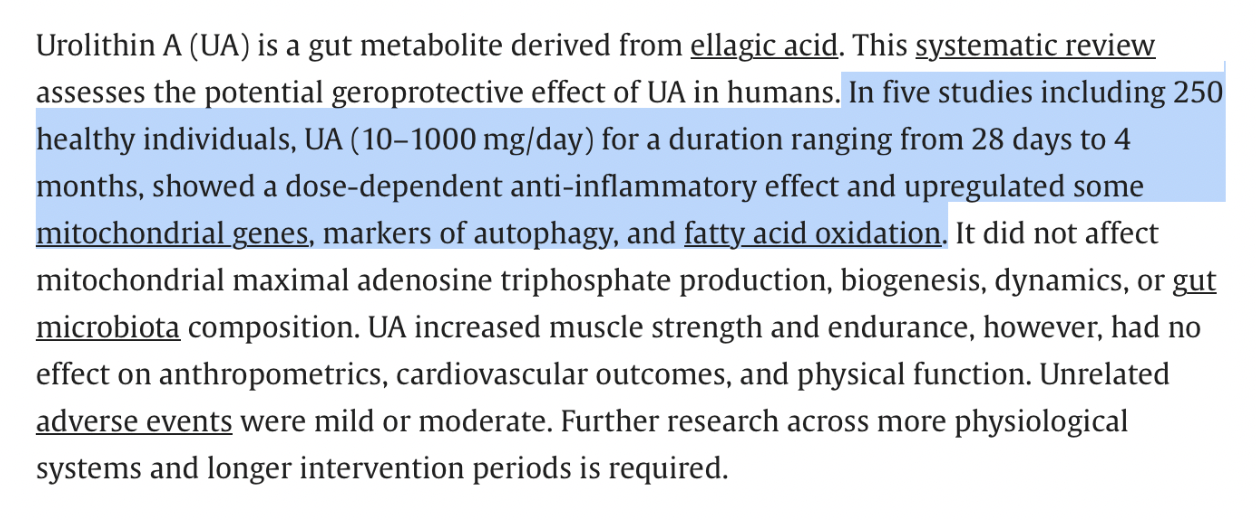
Source: Kuerec, et al. (2024). Targeting aging with urolithin A in humans: A systematic review. Ageing Research Reviews, 100(102406), 102406. https://doi.org/10.1016/j.arr.2024.102406
Some people may experience nausea, stomach cramps, or bloating with capsule forms. Overuse provides no added Urolithin A benefits, since the body only absorbs and utilizes a limited amount.

Source: Kuerec, et al. (2024). Targeting aging with urolithin A in humans: A systematic review. Ageing Research Reviews, 100(102406), 102406. https://doi.org/10.1016/j.arr.2024.102406
Disclaimer: Before considering Urolithin A supplementation, it’s crucial to consult with a healthcare professional, especially if you have underlying health conditions or are taking other medications. Supplements should not replace balanced food habits. Whole foods remain the best source of nutrients, and a nutrition rich in fruits, nuts, and vegetables supports overall health and well-being.
Who should be cautious with the supplements
- Pregnant or breastfeeding women (due to lack of long-term data).
- Those on blood thinners or with very low blood pressure, since UA supports vascular health.
- Individuals with severe gut dysbiosis should first rebuild gut health with fiber, probiotics, and fermented foods before relying on UA supplements.
Conclusion: Safety, Smart Use, and Knowing Your Limits
Remember, balance is the key.
The true value of Urolithin A benefits lies not in abundance, but in precision, using it wisely, in harmony with food and lifestyle, to create health that lasts rather than quick fixes that fade.
Be educated, not influenced.
If you resonated with this, then watch:
Disclaimer: The content in this blog is intended for educational and informational purposes only and is based on current scientific research. It is NOT a substitute for professional medical advice, diagnosis, or treatment. Always consult a qualified healthcare professional before making changes to your nutrition, lifestyle, or supplement routine, especially if you have underlying health conditions, are pregnant or breastfeeding, or are taking prescription medications.
Need personalised guidance with Urolithin A?
We help you find a way.
Set up a one-on-one consultation with our integrative team or explore our Gut Care Program to optimize your lifestyle goals.
Reach out to us at 1800 102 0253 or write to us at [email protected].