No products in the cart.
When we discuss eating right, most people immediately ask me, “Luke, what’s the best source of protein?”
And while there are many, chicken has stood out as one of the most versatile, accessible, and widely consumed lean sources of protein in the world.
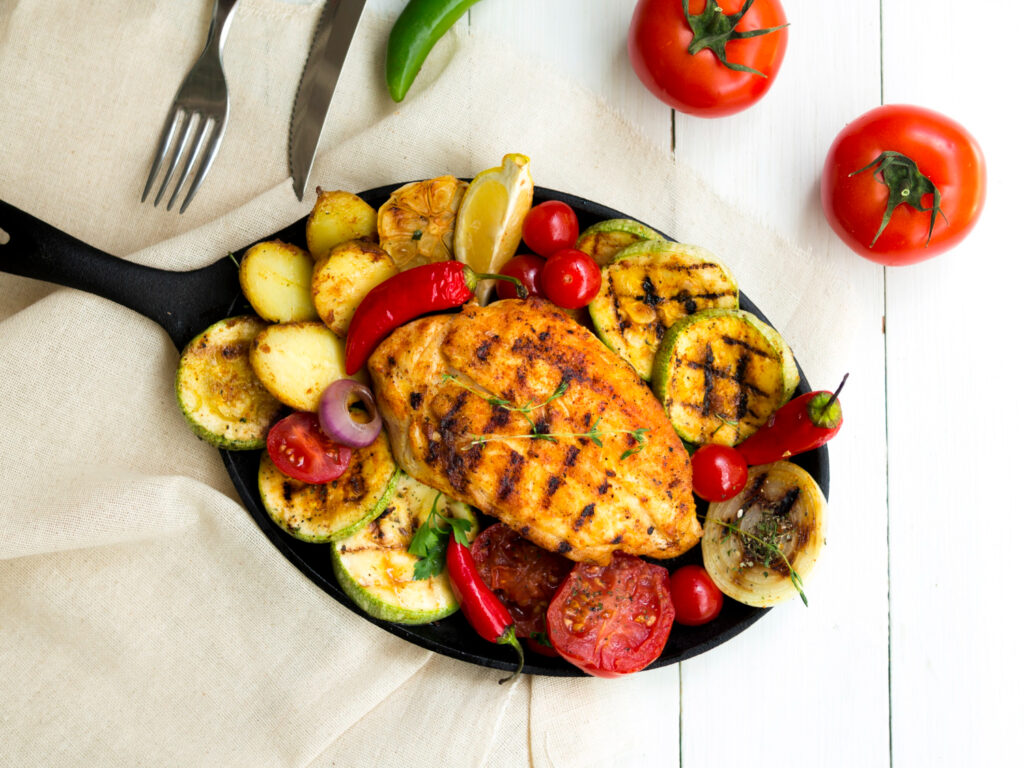
Image Credits: Freepik
Why does this matter? Because protein in chicken is what we call a complete protein — it has all the essential amino acids your body needs to repair cells, recover after exercise, support immunity, and even balance hormones.
Now, here’s something I’ve spoken about before: It’s not enough to just say ‘eat chicken for protein.’
You need to know the difference between cuts — like chicken breast protein versus chicken thigh protein, or even drumsticks and wings.
Each has its own nutrition profile and purpose. You also need to understand how skin-on vs. skin-off, and the way you cook it, can dramatically change the calories, fat, and nutrient quality.
That’s exactly what we’ll break down here. By the end, you’ll learn:
- How much protein do different cuts (breast, thigh, drumstick, wings) actually provide?
- The real chicken benefits for health go beyond just protein — from satiety and metabolism to vitamins and minerals.
- Smart cooking strategies and portion examples to make chicken truly a lean source of protein in your meals.
So, let’s go beyond the plate and look at chicken not just as food, but as a powerful, balanced tool for health and wellbeing.
Protein in Chicken
Whenever we map out our clients’ nutrition, one of the first things I look at is whether they’re getting enough complete protein. Why? Because your muscles, your enzymes, your hormones, even your immune cells — they all need amino acids, the building blocks of protein, to function and repair.
Now, not all protein sources are equal. Some are incomplete, meaning they lack certain essential amino acids.
But protein in chicken is what we call a complete protein.
- It has all nine essential amino acids that your body cannot make on its own.
- This makes chicken one of the most reliable foods for muscle repair, satiety, and metabolic health.
Science backs this up.
A study shows that high-quality proteins, like lean poultry, stimulate muscle protein synthesis more effectively than lower-quality proteins.
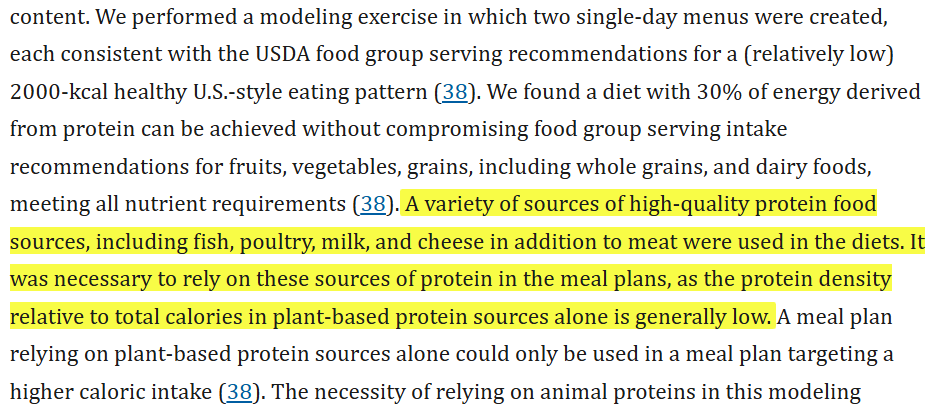
Source: Wolfe RR, Church DD, Ferrando AA, Moughan PJ. Consideration of the role of protein quality in determining dietary protein recommendations. Front Nutr. 2024 Nov 13;11:1389664. doi: 10.3389/fnut.2024.1389664. PMID: 39606577; PMCID: PMC11598328.
This is why chicken has become a go-to food for athletes, fitness enthusiasts, and even those simply looking to maintain lean body mass as they age.
But here’s what I remind people all the time: protein is not just for bodybuilders.
- Even if you’re a homemaker, a student, or a senior citizen, your body constantly breaks down and rebuilds protein.
- Getting enough helps with everything from better energy to stronger immunity and improved recovery after everyday stress.
Chicken’s Macro Profile at a Glance
The beauty of chicken is that it’s not just high in protein; it’s also incredibly adaptable. Different cuts give you the flexibility to tailor your meals to your health goals:
| Cut (Cooked, Skinless) | Protein (per 100 g) | Calories (per 100 g) | Best Suited For |
| Chicken Breast | ~31–32 g | ~165 kcal | Lean muscle gain, weight management |
| Chicken Thigh | ~24–25 g | ~210 kcal | Rich flavor, higher calorie needs |
| Drumstick | ~24 g | ~185 kcal | Family meals, moderate protein |
| Wings | ~24 g | ~250+ kcal (skin-on) | Occasional indulgence, moderation |
As you can see, the chicken benefits for health are clear — you can choose breast if you want a lean source of protein, or thighs and drumsticks if you need more calories and flavor. Wings are great once in a while, but keep them light on sauces and frying.
Holistic Tip
Protein never works in isolation. If you eat chicken with just white bread or deep-fried fries, you miss out on balance. Pair chicken with:
- Fiber: Colorful vegetables or salads to support digestion and gut health.
- Healthy fats: A drizzle of olive oil, a handful of nuts, or avocado to improve nutrient absorption.
- Whole grains or legumes: Quinoa, brown rice, or lentils for sustained energy.
That’s how you turn chicken from just ‘protein on your plate’ into a truly balanced, health-supporting meal.
Chicken Protein by Cut
One of the questions I often get is: “Luke, should I eat chicken breast, thigh, or drumstick? Which is better?” The truth is, there’s no one-size-fits-all. Each cut has a slightly different balance of protein, fat, and calories — and depending on your goal, you can choose the cut that works best for you.
Chicken Breast Protein
If you’re looking for the leanest, most precise option for muscle building or weight loss, chicken breast protein is the clear winner.
- Nutritional profile: ~31–32 g protein, ~165–170 kcal, and just 3–4 g fat per 100 g cooked (skinless).
- Best suited for: Athletes, fitness enthusiasts, people on calorie-controlled diets, or anyone tracking macros closely.
- Cooking tips: Grill, bake, poach, or sauté with minimal oil. Avoid overcooking — dryness is the main reason people find chicken breast ‘boring.’
Chicken Thigh Protein
For those who want more flavor and juiciness in their meals, chicken thigh protein is an excellent choice.
- Nutritional profile: ~24–25 g protein, ~210 kcal, and 8–9 g fat per 100 g cooked (skinless).
- Best suited for: People with higher calorie needs (athletes in bulk, kids, or those on low-carb diets), and anyone who wants taste without compromising nutrition.
- Cooking tips: Roast, braise, or air-fry. Go skinless or trim visible fat if you’re watching calories.

Image Credits: Freepik
Other Cuts – Drumsticks & Wings
- Drumsticks: ~24 g protein, ~185 kcal, ~7–8 g fat per 100 g cooked.
- Great for family-style meals. Moderate in protein and calories.
- Go for baked or grilled versions rather than deep-fried.
- Wings: ~24 g protein, but the catch is ~250+ kcal and ~15–16 g fat per 100 g (skin-on).
- Delicious, but best enjoyed occasionally.
- Swap heavy sauces and frying for spice rubs and air-frying.
Now here’s something interesting I want you to know. In Eat to Beat Disease, Dr. William Li, a Harvard scientist and physician, shares how chicken thighs and drumsticks are especially healthy choices—and not just for taste.
Science spotlight from Dr. Li’s book:
Dark chicken meat contains vitamin K2 (menaquinone), a fat-soluble vitamin with powerful anti-angiogenic properties (meaning it can cut off blood supply to abnormal cells and tumors).
Research shows K2 may:
- Suppresses growth of colon cancer cells (Kayashima et al., Cancer Letters, 2009).
- Inhibits both angiogenesis and prostate cancer growth (Samykutty et al., Evidence-Based Complementary and Alternative Medicine, 2013).
- Support for heart health—The Rotterdam Study found that people who ate more K2-rich foods had 57% lower risk of dying from heart disease and a 52% lower risk of severe artery calcification (Geleijnse et al., Journal of Nutrition, 2004).
Remember, moderation and cooking style make all the difference.
Chicken Benefits for Health
Let’s jump into the good stuff—beyond the macros—why chicken is a powerhouse for health.
Here’s how chicken really helps your body, backed by science:
1. Muscle Recovery & Repair
- Chicken’s complete amino acid profile is ideal for supporting muscle recovery, especially after training or stress.
- Lean poultry protein helps kickstart muscle protein synthesis, ensuring your muscles repair and rebuild efficiently.
2. Satiety & Weight Management
- High-protein meals are well-known for curbing hunger, increasing the thermic effect of feeding (the calories your body uses to digest food), and helping preserve lean mass during calorie deficits.
- Studies show that leaning on chicken as a primary source of dietary protein can help with favorable body composition and fat loss in overweight individuals.
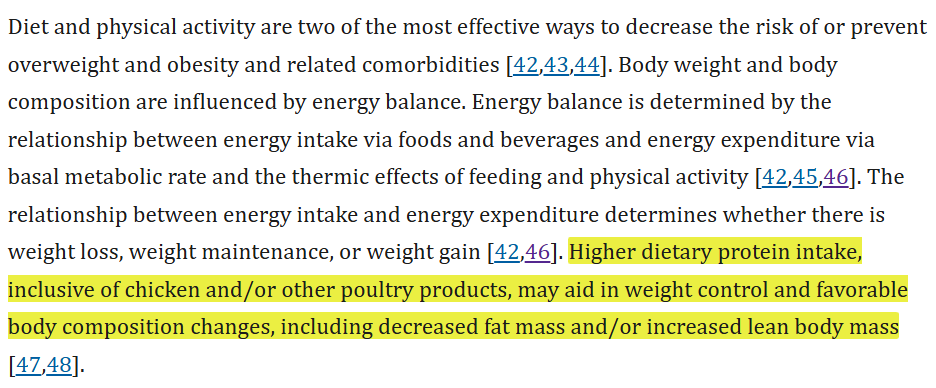
Source: Connolly G, Campbell WW. Poultry Consumption and Human Cardiometabolic Health-Related Outcomes: A Narrative Review. Nutrients. 2023 Aug 11;15(16):3550. doi: 10.3390/nu15163550. PMID: 37630747; PMCID: PMC10459134.
3. Cardiometabolic Health
Eating lean unprocessed chicken appears to have neutral or potentially beneficial effects on factors linked to cardiovascular disease (CVD) and type II diabetes (T2DM)—especially when it’s part of a balanced, whole-food–rich meal.

Source: Connolly G, Campbell WW. Poultry Consumption and Human Cardiometabolic Health-Related Outcomes: A Narrative Review. Nutrients. 2023 Aug 11;15(16):3550. doi: 10.3390/nu15163550. PMID: 37630747; PMCID: PMC10459134.
4. Micronutrient Powerhouse
Chicken isn’t just about protein. It provides:
- B Vitamins (B6, niacin, pantothenic acid) — Crucial for energy metabolism, brain function, and red blood cell health
- Minerals like selenium, zinc, iron, and phosphorus — Important for thyroid health, immune function, antioxidant defenses, and bone strength
Removing even a small portion of lean poultry from your diet can reduce intake of these key nutrients by over 10%.

Source: Agarwal S, McCullough KR, Fulgoni VL 3rd. Nutritional Effects of Removing a Serving of Meat or Poultry from Healthy Dietary Patterns-A Dietary Modeling Study. Nutrients. 2023 Mar 31;15(7):1717. doi: 10.3390/nu15071717. PMID: 37049558; PMCID: PMC10096845.
5. Immune & Antioxidant Support
- Selenium — a key trace mineral in chicken — activates selenoproteins like glutathione peroxidase, which helps neutralize free radicals and support thyroid hormone activation.
Even though this is chicken-derived selenium (not supplements), it contributes meaningfully to your antioxidant and immune balance.
6. Practical Benefits at the Table
- Versatility: Whether you’re grilling breasts, roasting thighs, or air-frying drumsticks, chicken adapts to any taste and dietary preference.
- Accessibility: Affordable and shelf-stable when frozen, chicken fits easily into weekly meal prep plans.
- Adaptable nutrition: You can tailor your meals—lean for fat loss or flavorful for higher-energy needs.
Quick Reference Table: Key Chicken Benefits for Health
| Benefit Area | Why It Matters |
| Muscle & Recovery | Supports muscle repair with complete amino acids |
| Satiety & Weight Management | Keeps you full longer, supports fat loss and preserves lean mass |
| Cardiometabolic Health | May lower risk of CVD & T2DM when unprocessed |
| Micronutrient Boost | Rich in B-vitamins, selenium, zinc, iron, phosphorus |
| Immune & Antioxidant Support | Selenium supports thyroid health and antioxidant defenses |
| Practical Lifestyle Fit | Versatile, accessible, and easily tailored to diverse meals |
When I say ‘chicken benefits for health,’ I truly mean it: muscle, metabolism, immunity, and everyday practicality. It’s not just protein—it’s smart nutrition that’s easy to make part of your life.
Lean Source of Protein – How to Choose & Cook
When it comes to chicken, it’s about matching what you eat to your goals, then cooking it in ways that keep you healthy, not sacrificing flavor. Here’s how I’d walk you through it:
Choose Smart: Cuts for Your Goals
Here’s a quick decision tree we discussed earlier to guide your choice:
- Breast – Ultra-lean, high-protein. Perfect if you’re trimming body fat or tracking macros closely.
- Thigh – Juicy and flavorful, with slightly higher fat. A great pick for balanced meal enjoyment or higher energy needs.
- Wings (and drumsticks) – Tasty and comforting, best enjoyed occasionally. Use healthier cooking styles to keep them from sabotaging your diet.
Cook Smart: Better Methods, Better Results
Here are a few cooking techniques I trust and recommend:
| Cooking Method | Why It’s Smart |
| Poaching/Steaming | Gentle and moist, locks in nutrients, avoids added fats. |
| Baking/Roasting | Uses moderate heat, preserves nutrition, generates fewer harmful compounds. |
| Air-frying | Uses hot air for crispness, minimal oil, fewer indoor pollutants. |
| Grilling/Broiling | Adds flavor but beware of HCAs/PAHs; proper marinating helps minimize those. |
| Avoid Deep Frying | Adds unhealthy fats, toxic compounds, and destroys vitamins. |
Why Frying Isn’t Worth the Risk
Deep-frying significantly increases calorie and harmful compound exposure—like acrylamide, advanced glycation end products (AGEs), and oxidized fats that damage cells and raise disease risk over time.
Flavor Without the Guilt: Simple Hacks
You don’t need creamy sauces to get taste. Use these flavor boosters instead:
- Yogurt marinades – Tenderize with tang, probiotics, and protein.
- Citrus and vinegar – Bright acids balance richness and help reduce carcinogen production when grilling.
- Spices & herbs – Garlic, turmeric, paprika, rosemary—they add all the flavor with zero grease.
- Gentle searing & finishing in the oven – Crispness up front, then finish slowly to preserve juiciness.
The most important tool isn’t your grill or oven—it’s knowing how your cooking method affects both nutrition and health.
Portion Guidance & Meal Ideas
When it comes to chicken, the question I often get is: “How much is the right portion for me?” The answer isn’t one-size-fits-all—it depends on your activity level, protein needs, and health goals. But here’s a simple framework:
What’s a Smart Portion?
- Adults: Around 90–120 g cooked chicken per meal (about the size of your palm).
- Athletes or high-activity individuals: May need a little more, based on training load and total protein targets.
- Children: Smaller palm-sized portions work best, always paired with fiber-rich sides.
Pro tip: Always measure cooked weight, since raw chicken loses about 25% water when cooked.
Every meal should carry fiber, protein, healthy fat, and color. That means chicken should never stand alone—it works best when it’s part of a complete, colorful plate that supports digestion, satiety, and nutrient absorption.
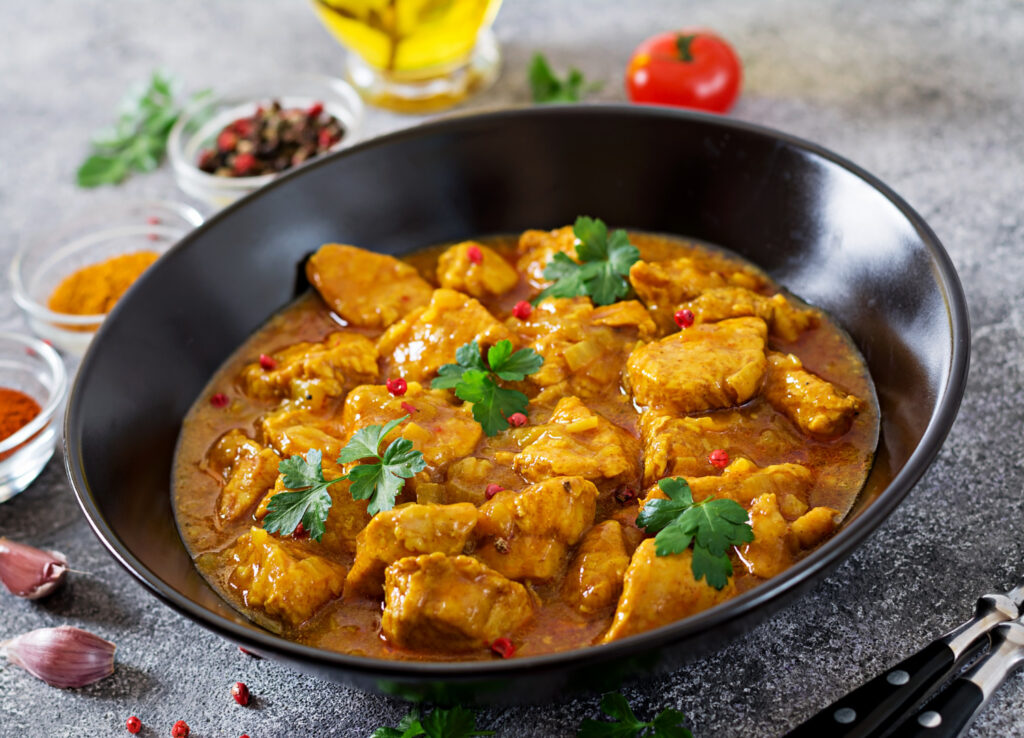
Image Credits: Freepik
Balanced Meal Ideas with Chicken
Here are some combinations by Team Luke:
- Chicken Curry – Perfect weeknight dinner goals.
- Chicken Salad – Versatile taste evolving from succulent pieces of chicken along with vegetable combinations.
- Soulful Chicken Elixir – This nourishing and comforting dish not only helps to keep you warm and hydrated but also provides vital nutrients to bolster your immune system.
- One-Pot Chicken and Vegetable Curry – With tender chicken, hearty vegetables, and millet, this one-pot chicken can be customized with various spices and ingredients to suit different tastes.
- Special Chicken Khichdi – Easy to digest one-pot meal, relished from babies to senior citizens.
If you enjoy experimenting, you’ll love how these recipes make chicken both healing and delicious.
Safety, Quality & Sourcing
Whenever we talk about protein in chicken, we also need to talk about how safe, clean, and responsibly sourced that chicken is. Remember—no matter how high the protein, if the quality is poor or contaminated, it can do more harm than good.
Food Safety Basics You Can’t Skip
- Cook thoroughly: Always cook chicken to an internal temperature of 75°C (165°F) to destroy harmful bacteria like Salmonella and Campylobacter.
- Prevent cross-contamination: Use separate cutting boards and knives for raw chicken. Wash your hands and utensils thoroughly.
Storage Guidelines
| Step | Best Practice |
| Refrigeration | Store at ≤4°C (≤40°F); use within 1–2 days. |
| Freezing | At -18°C (0°F) or below; safe for months, but best flavor within 3–4 months. |
| Thawing | Thaw in the fridge (never at room temp) to reduce bacterial growth. |
| Leftovers | Refrigerate within 2 hours of cooking; consume within 3–4 days. |
Quality Matters: What to Look For
Not all chicken is the same. The way it’s raised, fed, and processed makes a difference:
- Antibiotic-free & hormone-free: Overuse of antibiotics in poultry farming is linked to resistant bacteria and health concerns. Choosing antibiotic-free ones helps reduce this risk.
- Minimal processing: Fresh or minimally processed chicken > processed forms like nuggets or deli meat (which often contain sodium, preservatives, and fillers).
- Organic or free-range (if accessible): These often come from chickens fed naturally, without unnecessary chemicals.
Buy fresh, good-quality chicken where possible. Cook it well, handle it with hygiene, and store it smartly.
The Last Word
At the end of the day, it’s not about chicken breast versus thighs, or white meat versus dark meat—it’s about balance, quality, and intention. Choose clean, well-sourced poultry. Cook it safely. Pair it with fiber, healthy fats, and colorful vegetables.
Remember, food is not just about calories and macros—it’s information for your cells. Whether it’s the lean protein from breast, or the Vitamin K2 and flavor from thighs, chicken can be a powerful ally when eaten mindfully and in moderation.
I always remind my clients—don’t chase perfection on your plate. Chase consistency, balance, and quality. That’s where real health transformations happen.
Frequently Asked Questions
How much protein in chicken breast is there?
A 100 g serving of cooked, skinless chicken breast provides around 31 g of protein and just 165 kcal. Chicken breast protein is lean, making it ideal for athletes, weight loss, or anyone needing high protein without excess fat.
What are the chicken benefits for health?
Chicken supports muscle repair, weight management, and energy thanks to its complete amino acid profile. Rich in B vitamins, selenium, and phosphorus, it boosts immunity and metabolism. Research shows chicken benefits for health go beyond protein—it contributes to balanced nutrition when paired with vegetables, grains, and healthy fats.
Is chicken really a lean source of protein?
Yes, chicken is considered one of the best lean sources of protein. Skinless chicken breast is especially low in fat, providing high-quality protein for muscle building and satiety. Opting for grilled or baked chicken enhances its role as a lean source of protein without extra calories.
How much chicken thigh protein is there compared to breast?
Cooked, skinless chicken thighs provide around 24–25 g protein per 100 g, slightly less than chicken breast protein but with more fat and flavor. Thighs are still a healthy option, especially for those needing extra calories or preferring richer taste while maintaining a good protein intake.
What’s better for fitness: chicken breast protein or thighs?
Chicken breast protein is leaner with fewer calories, making it ideal for weight loss and muscle gain. Chicken thigh protein offers juiciness and Vitamin K2, supporting heart and bone health. Both cuts are beneficial—your choice depends on taste preference, calorie needs, and fitness goals.
Disclaimer: This blog is intended for informational and educational purposes only and is not a substitute for professional medical advice, diagnosis, or treatment. Always consult your physician or a qualified healthcare provider before making any changes to your lifestyle or medication, especially if you have an existing medical condition.
Struggling to figure out what’s truly healthy for your body?
We help you find a way.
Set up a one-on-one consultation with our integrative team or explore our Wellness Programs to optimize your lifestyle goals.
Reach out to us at 1800 102 0253 or write to us at [email protected].