No products in the cart.
You push hard at the gym. You show up consistently. You don’t skip leg day. You count your reps, load the bar, and break a sweat.
And yet… something isn’t adding up.
The scale won’t move. The definition won’t show. You’re tired all the time, and your motivation is slowly disappearing.
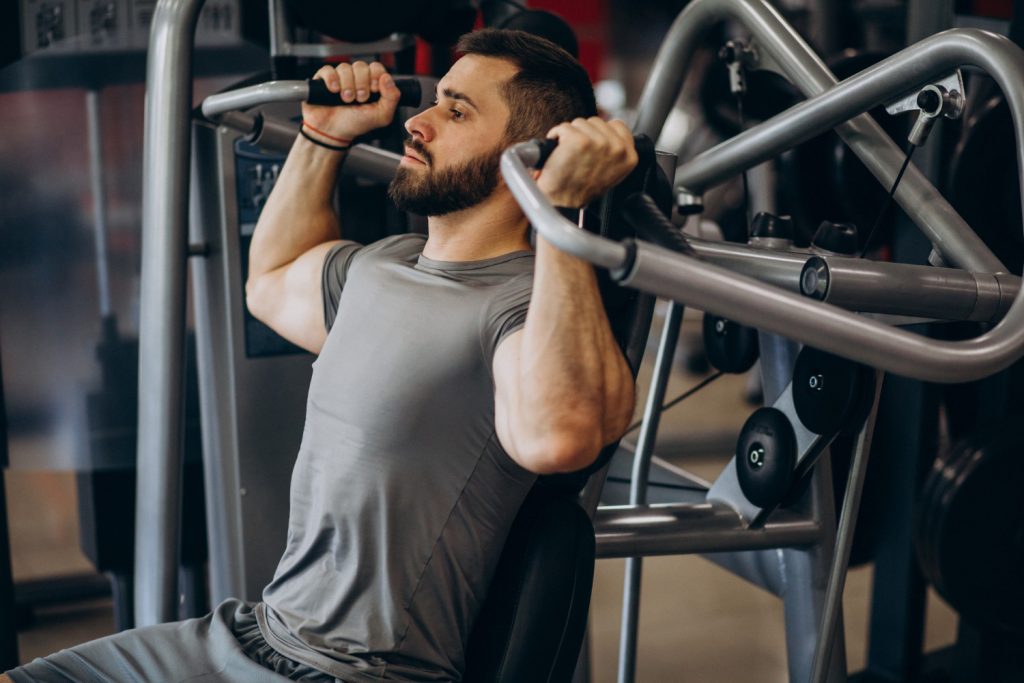
Image Credits: Magnific
Here’s what nobody tells you early enough: the gym breaks your body down. Recovery builds it back up.
That’s not a motivational quote. That’s physiology.
The Recovery Lesson Nobody Expected
Picture this.
Less training. Less intensity. More movement. More space.
No new supplements. No new program. No fancy protocol.
And yet, the result? Feeling stronger, looking leaner, the body feeling better than it had in a while.
What changed? Just one thing: recovery.
This is not an isolated experience. Clients report the same thing all the time. They get sick, take five to seven days off, come back, and say: “I look better. What happened?”
What happened is simple. The body finally got what it needed.
The Biggest Myth in Fitness Today
We have been sold a very specific story about fitness:
- More workouts = more results
- More volume = more gains
- More sweat = more progress
- “No days off” = dedication
This culture has made intensity the hero of the fitness story.
But science tells a completely different story.
- Training breaks the body down. Recovery builds it back stronger.
That’s the actual equation. And when you ignore the second half, you pay for it.
What Really Happens When You Train
Let’s talk about real physiology, without the jargon.
Every time you train hard, here’s what happens inside your body:
| What Gets Created | What It Means |
| Micro-tears in muscle fibers | Structural damage that needs repair |
| Nervous system fatigue | Your brain-muscle communication slows down |
| Cortisol spike | Your body enters a stress response |
| Inflammation | Your immune system gets activated |
None of that is growth.
That is damage.
The gym gives your body the stimulus. Recovery is where the actual magic happens.
Growth Only Begins After Training
This is the part most people miss entirely.
During the muscle recovery window after your workout, your body does something extraordinary:
- Muscle protein synthesis kicks in, repairing torn fibers and building them back thicker
- Glycogen stores refill, restoring your energy reserves
- Cortisol drops, signaling the body it’s safe to rebuild
- The nervous system resets, improving muscle activation for your next session
- Growth hormone is released, especially during deep sleep
This is when you actually get stronger, leaner, and more defined.
Not during the workout. After it.
A study confirmed that adequate recovery time between sessions is one of the most significant predictors of long-term muscle growth and performance improvement. The training stimulus matters. But without recovery, you simply don’t adapt.
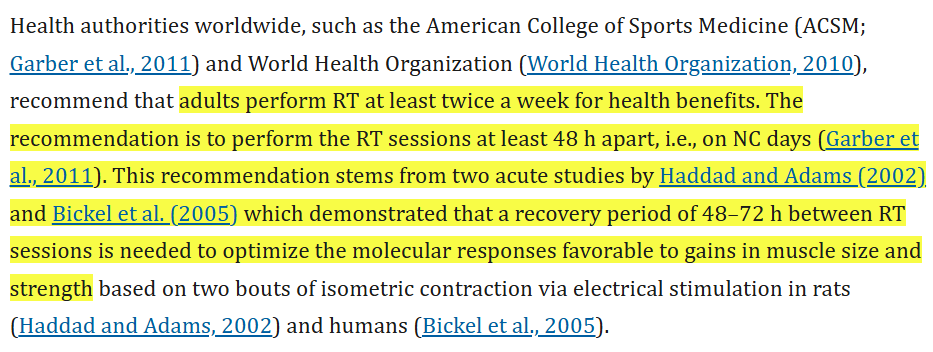
Source: Yang, Y., Bay, P. B., Wang, Y. R., Huang, J., Teo, H. W. J., & Goh, J. (2018). Effects of Consecutive Versus Non-consecutive Days of Resistance Training on Strength, Body Composition, and Red Blood Cells. Frontiers in physiology, 9, 725. https://doi.org/10.3389/fphys.2018.00725
Why People Look Better When They Stop Working Out
Let’s revisit that common experience.
Someone gets sick. Takes five to seven days off. Comes back.
They look better. Why?
Here’s the breakdown:
- Inflammation dropped: Less puffiness. A tighter, more defined look almost immediately.
- Cortisol reduced: Less water retention. The body stops holding onto excess fluid as a stress response.
- Muscles fully repaired: Better tone. Fuller muscle bellies. More shape.
- Nervous system recovered: Better muscle fiber activation. More force production.
- Sleep improved: More growth hormone released. Deeper recovery at the cellular level.
This is not magic. This is your body doing exactly what it was designed to do, when you finally gave it the room to do it.
Overtraining: The Silent Problem Nobody’s Talking About
People are not lazy anymore. That is no longer the problem.
The new problem is the opposite.
People are stacking:
- Strength training
- Cardio
- HIIT classes
- Sports and recreational activity
- Early morning workouts after late nights
And then wondering why they are not improving.
Overtraining is real. And it’s more common than ever.
Research estimates that up to 60% of elite athletes experience overtraining syndrome at some point. But you don’t need to be an elite athlete to feel its effects. Recreational exercisers hit it too, often without realizing it.

OTS: Overtraining Syndrome | Source: Cheng, A. J., Jude, B., & Lanner, J. T. (2020). Intramuscular mechanisms of overtraining. Redox biology, 35, 101480. https://doi.org/10.1016/j.redox.2020.101480
Signs You Are Under-Recovered
Check this list honestly:
- Constant muscle soreness that doesn’t go away
- Poor sleep quality or trouble falling asleep
- Fat loss plateau despite consistent effort
- Irritability, mood swings, low patience
- Frequent colds, infections, or feeling run-down
- Low motivation or dreading workouts you used to enjoy
- Decreased performance over time
If you’re checking three or more of those boxes, your body is not asking for more training.
It’s asking for recovery.
Recovery Is Not Doing Nothing
This is where most people get the concept wrong.
Recovery does not equal laziness.
Recovery is a strategy. A deliberate, intelligent, physiologically necessary strategy.
There are multiple forms of recovery, and each one serves a different purpose:
Active Recovery
Light movement that keeps blood flowing without adding stress.
- Walking
- Swimming at an easy pace
- Light yoga or mobility work
Passive Recovery
Complete rest that allows full system shutdown and repair.
- Rest days with minimal activity
- Sleep (the most underrated recovery tool in existence)
Nervous System Recovery
Calming the brain-body stress response.
- Breathwork (box breathing, 4-7-8 technique)
- Meditation
- Time in nature
Muscular Recovery
Targeted support for muscle tissue.
- Stretching
- Foam rolling
- Professional massage
Lifestyle Recovery
The foundation that makes everything else work.
- Morning sunlight exposure
- Clean, whole-food nutrition
- Adequate hydration
- Consistent sleep schedule
All five of these matter. Skipping any one of them slows the entire process down.
The One Thing That Cancels Your Recovery
This needs to be said clearly.
Recovery does not mean:
Stop training + start eating poorly
That cancels everything you built.
Recovery works only when:
- Movement decreases intentionally
- Nutrition stays clean and supportive
Your body needs protein to repair muscle fibers. It needs micronutrients to regulate hormones. It needs hydration for cellular processes to run efficiently.
Junk food during a recovery phase is like stopping construction and removing bricks at the same time. Nothing gets built.
At Team Luke, this is what we call foundational medicine. Sleep, movement, nutrition, and emotional health are not add-ons. They are the architecture that everything else is built on.
Recovery is not separate from health. Recovery is health.
Sleep: The Most Powerful Recovery Tool You’re Not Using Enough
Let’s give sleep the spotlight it deserves.
During deep sleep:
- Growth hormone secretion peaks, driving muscle repair and fat metabolism
- Cortisol drops to its lowest point, allowing tissue healing
- The brain consolidates motor learning, improving movement patterns
- The immune system does its repair work
Studies show that athletes who sleep less than seven hours per night have significantly higher injury rates, slower reaction times, and slower strength gains compared to those sleeping eight or more hours.
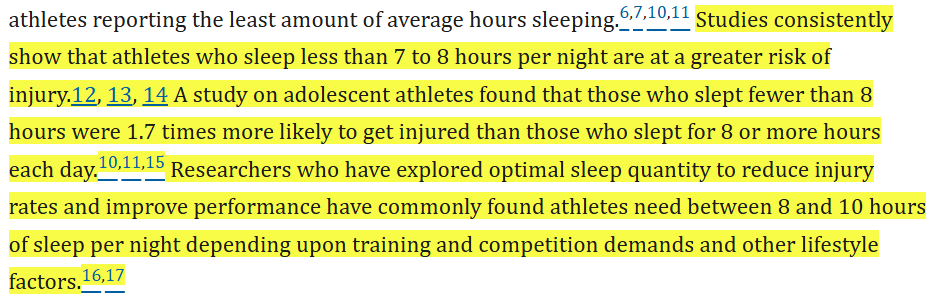
Source: Haskell, B., Eiler, A., & Essien, H. (2025). Sleep Quality and Cognitive Skills Impact Neurocognitive Function and Reduce Sports-Related Injury Risk. Arthroscopy, sports medicine, and rehabilitation, 7(2), 101077. https://doi.org/10.1016/j.asmr.2025.101077
You can do everything else right. But if you are sleeping five to six hours and calling it fine, you are leaving the most important recovery mechanism on the table.
Sleep is not the reward at the end of a good day. It is the non-negotiable foundation of muscle growth recovery.
The Real Formula for Results
Forget “train harder.”
The actual formula looks like this:
Train -> Recover -> Adapt -> Repeat
Each phase is essential. Skip recovery, and adaptation never happens. You just keep breaking the body down, over and over, without ever letting it build back up.
Results don’t come from what you do in the gym.
They come from what your body can recover from.
Practical Recovery Strategies to Start This Week
You don’t need to overhaul everything. Start here:
Sleep
- Aim for 7 to 9 hours
- Keep a consistent sleep and wake time, even on weekends
- Reduce screens 60 minutes before bed
Nutrition
- Prioritize protein at every meal (0.7 to 1g per pound of body weight)
- Include anti-inflammatory foods: turmeric, ginger, berries, leafy greens
- Stay hydrated throughout the day, not just around workouts
Movement on Rest Days
- Walk 20 to 30 minutes in sunlight
- Do 10 minutes of light stretching or yoga
- Avoid high-intensity anything on designated recovery days
Stress Management
- Five minutes of breathwork in the morning
- Limit caffeine after noon
- Protect your sleep environment: cool, dark, and quiet
Training Structure
- Schedule at least one to two full rest days per week
- De-load every four to six weeks (reduce intensity and volume intentionally)
- Listen to your body, not just your program

Image Credits: Magnific
The Last Word
You’ve been told that the grind is the goal.
But the real goal is the adaptation. And adaptation only happens in recovery.
The gym is just the trigger. Sleep, nutrition, rest, and intentional recovery are where your body actually changes.
Stop measuring your effort only by how hard you trained.
Start measuring it by how well you recovered.
That’s when everything changes.
Disclaimer: This blog is intended for educational and informational purposes only and should not be used as a substitute for professional medical advice, diagnosis, or treatment. Always seek the guidance of your qualified healthcare provider before making any changes to your medications or lifestyle.
Looking for support in your health transformation? You don’t have to figure it out alone.
We help you find a way.
Set up a one-on-one consultation with our foundational medicine experts or explore our Wellness Programs to optimize your lifestyle goals.
Reach out to us at 1800 102 0253 or write to us at [email protected].