No products in the cart.
Endometriosis is one of the most misunderstood and under-discussed conditions. I’ve worked with several women who’ve lived through the pain, fatigue, bloating, mood swings, and emotional ups and downs that this condition brings. It’s not just a physical health issue — it impacts every aspect of life.
Too many women are told to “just deal with it,” when in reality, their bodies are asking for attention and care.
Image Credits: Freepik
Through my practice, I have seen that endometriosis is not caused by a single factor. It’s a complex interplay of inflammation, hormonal imbalance (especially excess estrogen), toxin accumulation, poor gut health, and emotional stress. All of these together can disrupt the body’s natural balance.
So, let’s understand:
- What endometriosis really is, and the different types and stages of endometriosis
- The causes of endometriosis and how hormones play a key role
- And most importantly, how holistic and natural remedies for endometriosis can complement medical care to support overall healing
I’ve always believed that the body has intelligence and is built on certain foundations. When we create the right environment and nurture these foundations — through food, movement, sleep, emotional balance, and mindfulness — the body knows how to heal.
Let’s begin by understanding what endometriosis really is and what’s happening inside the body.
What Is Endometriosis? Understanding the Condition
When we look at endometriosis, it’s important to understand that it’s not just a reproductive health issue — it’s a whole-body condition influenced by hormones, inflammation, immunity, and even emotional health.
From a physiological standpoint, endometriosis occurs when tissue similar to the uterine lining (endometrium) grows outside the uterus — commonly on the ovaries, fallopian tubes, pelvic lining, bladder, or intestines.
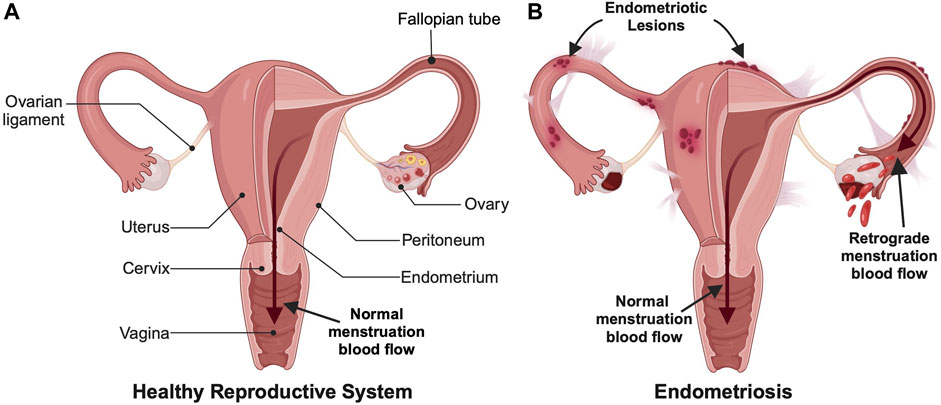
Source: Sahni Maneesha, Day Emily S. Nanotechnologies for the detection and treatment of endometriosis, Frontiers in Biomaterials Science, Volume 2 – 2023, 2813-3749. DOI=10.3389/fbiom.2023.1279358
Every month, this misplaced tissue responds to the same hormonal signals as the uterus — it thickens, breaks down, and bleeds during the menstrual cycle. But because this tissue has no way to leave the body, it leads to:
- Internal bleeding and inflammation
- Pelvic pain and cramping
- Heavy periods
- Bloating and digestive discomfort
- Fertility challenges
According to research, endometriosis is now recognized as a chronic inflammatory condition driven by hormonal imbalance, immune dysfunction, and oxidative stress.
Studies show that women with endometriosis have elevated levels of inflammatory cytokines (like IL-1β, IL-6, and TNF-α) and reactive oxygen species (ROS) that worsen pain and tissue damage over time.
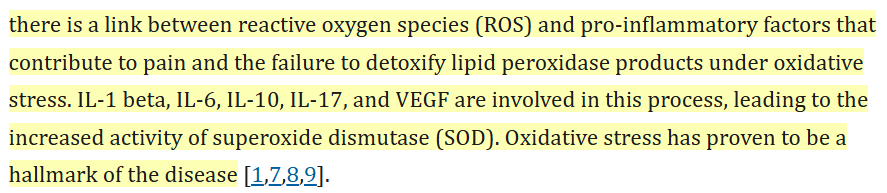
Source: Oală IE, Mitranovici MI, et al. Endometriosis and the Role of Pro-Inflammatory and Anti-Inflammatory Cytokines in Pathophysiology: A Narrative Review of the Literature. Diagnostics (Basel). 2024 Jan 31;14(3):312. doi: 10.3390/diagnostics14030312. PMID: 38337827; PMCID: PMC10855755.
Endometriosis and Hormones
When we talk about endometriosis, we can’t ignore hormones—they sit right at the heart of this condition.
Your hormones—especially estrogen, progesterone, and cortisol—communicate constantly with one another. When one goes off track, the others follow, creating a domino effect that can show up as pain, fatigue, mood swings, or irregular cycles.
Estrogen
Estrogen is essential. It gives women their vitality, bone strength, mood balance, and reproductive health. The problem isn’t estrogen itself—it’s estrogen dominance.
- Estrogen dominance happens when there’s too much estrogen in relation to progesterone, or when the body struggles to metabolize and eliminate estrogen efficiently.
- Excess estrogen promotes the survival and growth of endometrial tissue outside the uterus, increasing inflammation and pain.
Now, why does this happen?
Because our lifestyles often overload the body’s cleansing pathways. Think xenoestrogens (estrogen-like chemicals from plastics, cosmetics, and pesticides), poor liver function, gut imbalances, and chronic stress—all of which reduce the body’s ability to clear out excess estrogen.
Progesterone
Progesterone is your body’s natural calming and balancing hormone. It keeps estrogen in check and helps maintain a sense of calm and emotional stability.
- But experts say that many women with endometriosis experience progesterone resistance—meaning their cells don’t respond well to it. When that happens, estrogen dominates the scene, and inflammation, pain, and fatigue intensify. (Source: Tang HC, Lin TC, Wu MH, Tsai SJ. Progesterone resistance in endometriosis: A pathophysiological perspective and potential treatment alternatives. Reprod Med Biol. 2024 Jun 7;23(1):e12588. doi: 10.1002/rmb2.12588. PMID: 38854774; PMCID: PMC11157498.)
This is where lifestyle again plays a key role—sleep, relaxation, nourishment, and stress management directly influence how sensitive your cells are to progesterone.
Cortisol
Now, here’s something many women overlook: Chronic stress can make endometriosis worse.
When your body is in constant ‘fight or flight’ mode, cortisol (the stress hormone) remains elevated. High cortisol over time:
- Increases estrogen production
- Suppresses progesterone
- Triggers inflammation
In simple words, stress doesn’t just stay in your mind—it changes your hormonal chemistry.
That’s why in our practice, we work deeply on adrenal health and nervous system balance—because once stress hormones are regulated, sex hormones begin to find their rhythm too.
Causes of Endometriosis: Inflammation, Immunity, and Lifestyle Factors
When we talk about the causes of endometriosis, we need to understand that this isn’t a one-dimensional condition. It’s not caused by just one thing going wrong — it’s a multifactorial imbalance involving your hormones, immune system, environment, and lifestyle.
Let’s break this down.
Estrogen Dominance
One of the primary causes of endometriosis is estrogen dominance — when estrogen levels are high relative to progesterone. We discussed this earlier.
Chronic Inflammation
Inflammation is at the root of most chronic diseases, and endometriosis is no exception.
Women with endometriosis often have higher levels of pro-inflammatory cytokines — chemicals that cause pain, swelling, and fatigue. As we discussed earlier, markers like IL-6, TNF-alpha, and CRP are consistently elevated in women with this condition.
Now, what fuels inflammation?
- Meals high in refined sugars, processed foods, and trans fats
- Low antioxidant intake from fresh fruits and vegetables
- Chronic stress and sleep deprivation
- Sedentary lifestyles
When inflammation persists, the immune system goes into overdrive, attacking healthy tissue and worsening endometrial lesions. This is why an anti-inflammatory lifestyle — rich in whole foods, omega-3s, movement, and quality rest — is foundational in endometriosis management.
Environmental Toxins
We live in a world filled with chemicals that our bodies were never designed to handle. Plastics, air fresheners, cleaning products, perfumes, and even some personal care items contain endocrine-disrupting chemicals (EDCs) that mimic estrogen.
- These toxins confuse your body’s hormonal receptors, leading to estrogen dominance and inflammatory stress.
Simple changes like switching to glass containers, natural skincare, and fragrance-free cleaning products can significantly reduce your toxic load.
Gut Dysbiosis
Your gut isn’t just about digestion — it’s also one of the main regulators of hormones.
- The gut microbiome, specifically the estrobolome (collection of all genes from bacteria in the gut that can metabolize estrogens), plays a role in estrogen metabolism.
- When the gut is inflamed or imbalanced, it can’t break down estrogen efficiently, leading to higher circulating estrogen levels and worsening symptoms.
This is why I always emphasize gut repair — through fiber-rich foods, probiotics, hydration, and stress management — as part of any endometriosis management plan.
Emotional and Physical Stress
You can’t separate the mind from the body. Emotional trauma, chronic stress, or even constant overthinking can directly influence hormones and inflammation.
When cortisol (the stress hormone) stays high, it suppresses progesterone and increases estrogen — a perfect setup for worsening endometriosis.
Endometriosis Stages and Types — Understanding What’s Happening Inside Your Body
Understanding the stages and types of endometriosis can help you and your healthcare team make informed choices for diagnosis, treatment, and lifestyle management.
The Four Stages of Endometriosis
Based on the American Society for Reproductive Medicine (ASRM) classification, endometriosis is divided into four stages depending on how much tissue has spread, where it’s located, and how severe the adhesions are.

Source: Mishra A, Modi D. A Primer on Clinical Classification and Pathophysiology of Endometriosis. Fertil Sci Res. 2024;11:7. doi: 10.25259/FSR_7_2024
- Stage I – Minimal: Tiny spots or lesions appear on the pelvic lining or peritoneum. You might feel mild discomfort or cramps that seem ‘normal,’ but these are early warning signs the body is giving.
- Stage II – Mild: The tissue implants are deeper, possibly on the ovaries or fallopian tubes. There may be some scarring or inflammation, and pain levels may rise, especially during periods or intercourse.
- Stage III – Moderate: Here, cysts known as endometriomas (or ‘chocolate cysts’) start forming. Adhesions (bands of scar tissue) can bind pelvic organs together, often leading to increased pain and fertility challenges.
- Stage IV – Severe: In the most advanced stage, there’s extensive tissue growth, deep adhesions, and often bowel or bladder involvement. Many women at this stage also face difficulty conceiving.
Types of Endometriosis — Not All Are the Same
Understanding the types of endometriosis can further guide how we approach healing and management.
- Superficial Peritoneal Endometriosis: This is the most common type, where endometrial tissue grows on the surface of the pelvic lining. It’s often seen in early stages and can still cause significant pain and inflammation despite being ‘superficial.’
- Ovarian Endometriomas (Chocolate Cysts): These are fluid-filled cysts that develop on the ovaries when trapped blood from endometrial tissue oxidizes over time, giving them a dark, chocolate-like appearance. They can interfere with ovulation and fertility if not addressed in time.
- Deep Infiltrating Endometriosis (DIE): This form penetrates deeper into pelvic organs such as the bladder, rectum, or uterosacral ligaments. It’s one of the most painful endometriosis types because it affects nerve-dense areas and can cause chronic pelvic pain and bowel issues.
- Adenomyosis: Although technically a related condition, adenomyosis occurs when endometrial tissue grows inside the muscle wall of the uterus. It leads to heavy bleeding, clots, and severe cramps. Many women with adenomyosis also experience coexisting endometriosis.
Whether you’re managing mild or deep infiltrating endometriosis, remember:
- Your stage doesn’t define your strength.
- Your pain is valid, even if scans show little.
- And your healing potential is limitless when lifestyle, medicine, and emotional wellness come together.
As I often remind my clients, “The goal isn’t perfection. It’s progress — step by step, layer by layer, helping your body find its balance again.”
Holistic Lifestyle Fixes for Endometriosis Management
When we talk about endometriosis management, we’re not just talking about suppressing symptoms — we’re talking about creating an internal environment where this condition cannot thrive.
Let’s look at how a holistic lifestyle approach, backed by science and experience, can help manage endometriosis naturally.
Anti-Inflammatory and Hormone-Balancing Nutrition
I’ve seen incredible changes in women who simply began cleaning up their nutrition — reducing processed foods, sugars, and trans fats, and adding natural anti-inflammatory foods that help balance estrogen.
Here’s what I often recommend:
- Cruciferous vegetables like broccoli, cauliflower, kale, and cabbage contain a compound called DIM (Diindolylmethane), which helps the liver break down excess estrogen.
- Flaxseeds and sesame seeds are rich in lignans, natural compounds that support estrogen detox.
- Omega-3-rich foods like walnuts, chia seeds, and fatty fish reduce inflammation and pain.
- Turmeric, ginger, and garlic are potent anti-inflammatory agents that help calm the inflamed tissue.
Gut-Brain Support
Your gut health directly affects your hormonal health. I’ve spoken about this countless times — when your gut is inflamed, even the best supplements or medicines can’t do their job properly.
Here’s how to support your gut:
- Add probiotic-rich foods like yogurt, kefir, and sauerkraut.
- Eat enough fiber — it binds to excess estrogen and helps eliminate it through stool.
- Avoid chronic constipation, which recirculates estrogen into the body.
- Eat mindfully — chew slowly and eat in a calm state to aid digestion.
Stress Buffering and Emotional Healing
This is a big one — and often the most neglected. Many women tell me they started noticing flare-ups after emotionally stressful periods — grief, relationship issues, burnout, or long work hours. And, chronic stress increases inflammatory mediators that worsen endometrial growth.
Here’s what truly helps:
- Meditation, prayer, or silent time to calm the nervous system.
- Yoga, breathwork, or tai chi — these lower cortisol and improve hormonal communication.
- Adequate sleep (7–8 hours) to reset hormone production.
- Journaling or therapy for emotional release — because repressed emotions manifest in the body.
Movement and Circulation
Movement is medicine. A sedentary lifestyle worsens hormonal imbalance and stagnation in the pelvic region. Gentle, consistent movement improves circulation, lymphatic drainage, and reduces inflammation.
The key is balance:
- Walking daily — simple, natural movement does wonders.
- Try low-impact exercises like swimming, stretching, or Pilates.
- Avoid overtraining, as it spikes cortisol and worsens fatigue.
Even five minutes of mindful movement a few times a day can make a difference. Consistency is more powerful than intensity.
Liver and Cleansing Support
Your liver plays a major role in managing estrogen. When it’s overloaded with toxins, processed foods, or alcohol, it can’t break down estrogen effectively — leading to estrogen dominance.
I encourage women to:
- Stay hydrated and eat fresh fruits and vegetables daily.
- Limit unnecessary medication where possible (always under medical guidance).
- Avoid plastics, artificial fragrances, and parabens.
- Use simple alternatives like coconut oil for moisturizing and steel or glass bottles instead of plastic.
True endometriosis management means addressing the root causes — inflammation, stress, poor gut health, and toxin overload — and nurturing your body through food, movement, rest, and emotion.
Image Credits: Freepik
Integrating Lifestyle Medicine with Conventional Treatment
When it comes to endometriosis management, I always remind women that this is not about choosing between medicine and lifestyle — it’s about bringing both together.
Medical science is a blessing. In many cases, hormonal therapies, pain management, or even laparoscopic surgeries are necessary and can be life-saving. But what happens after the procedure or medication ends?
That’s where lifestyle medicine steps in — to help you build an internal environment that no longer supports inflammation, cyst growth, or hormonal chaos.
See, medicine can treat the symptom, but it’s your lifestyle that determines whether that symptom comes back. You can’t out-medicate a poor lifestyle. If the root causes of endometriosis aren’t corrected, it keeps finding its way back.
That’s why I encourage the integrative approach. When both systems — modern medicine and lifestyle medicine — come together, healing doesn’t just happen faster; it becomes sustainable.
Inspiring Journey of Recovery
Let me share another incredible story that captures the essence of integrative healing.
A 39-year-old businesswoman came to us after battling endometrial cysts for almost two years.
- She had two cysts — one measuring 5 cm and another 2 cm — and had nearly scheduled a laparoscopy.
- That’s when she stumbled upon our post on ovarian cysts and decided to enroll in our wellness program.
When she joined, her symptoms were intense — dizziness, abdominal pain, cramping, chest tightness, palpitations, and even panic attacks that required anti-anxiety medication. Her doctors had advised her to simply ‘wait and track’ the cysts, which hadn’t changed in size for almost a year.
Our integrative team focused on a 360° approach — balancing hormones, reducing inflammation, rebuilding gut health, and calming the mind.
- Within three months, her smaller cyst disappeared, and the larger one had shrunk by half.
- Her energy levels improved, her mood stabilized, her sleep became deeper, and her periods became regular and less painful.
Know about her journey:
https://www.instagram.com/p/C3FmP-8I5YS/?utm_source=ig_web_copy_link
What worked for her doesn’t have to work for you. Each of us is a bio-individual with unique needs. Our protocol was designed keeping in mind her condition and goals. None of what is mentioned can replace medical advice. Always keep your doctor in the loop before trying anything new. Make an informed choice.
The Last Word
If you’re struggling with hormonal or reproductive issues, don’t lose hope. You’re not broken — your body is simply asking for balance. Give it what it needs, and it will respond in ways that will surprise you.
Frequently Asked Questions
What are the main causes of endometriosis?
The causes of endometriosis are multifactorial — involving hormonal imbalances, inflammation, poor liver detoxification, and immune dysfunction. Research shows that estrogen dominance and lifestyle factors like stress, poor nutrition, and toxin exposure can worsen the condition. Understanding these root causes helps create effective endometriosis management plans.
What are the different stages of endometriosis?
Endometriosis stages range from I (minimal) to IV (severe). They’re based on the extent of tissue growth, cyst formation, and adhesions. Interestingly, pain levels don’t always match the stage — which is why personalized endometriosis management focusing on inflammation, hormones, and lifestyle is more effective than stage-based treatment alone.
What are the main types of endometriosis?
There are four main endometriosis types — superficial peritoneal, ovarian endometriomas (chocolate cysts), deep infiltrating endometriosis (DIE), and adenomyosis. Each type affects different pelvic organs and requires an integrative management plan that addresses inflammation, endometriosis hormone balance, and natural remedies for long-term relief.
Can endometriosis be managed naturally?
Yes, endometriosis natural remedies — including anti-inflammatory foods, gut repair, stress management, and improved sleep — can significantly ease symptoms. When combined with medical care, these lifestyle changes help reduce estrogen dominance, support hormone balance, and enhance overall endometriosis management. Always integrate both medical and lifestyle approaches.
How are hormones linked to endometriosis?
Endometriosis hormones like estrogen and progesterone play a major role. Excess estrogen promotes tissue growth, while low progesterone worsens inflammation. Chronic stress increases cortisol, further disrupting hormones. Supporting hormonal balance through nutrition, movement, sleep, and emotional well-being forms the foundation of natural endometriosis management.
Disclaimer: This blog is intended for educational and informational purposes only and should not be used as a substitute for professional medical advice, diagnosis, or treatment. Always seek the guidance of your qualified healthcare provider, urologist, or fertility specialist before making any changes to your medications or lifestyle.
Looking for holistic and integrative guidance for infertility? We help you find a way.
Set up a one-on-one consultation with our integrative team or explore our Wellness Programs to optimize your lifestyle goals.
Reach out to us at 1800 102 0253 or write to us at [email protected].