

Food Pairing: The Lost Art of Eating Right
Remember the comforting smell of ghee-laced dal chawal wafting through your childhood home? Or how your grandmother would gently remind you to squeeze some fresh nimbu over your palak sabzi before you took that first bite? These weren’t just family traditions or flavor hacks—they were subtle acts of wisdom, rooted in generations of intuitive eating. What we now label as food pairing was simply second nature in our kitchens.
Let’s say you’ve done the hard work. You’ve cleared the processed foods from your kitchen. You’ve added more greens, swapped refined grains for whole ones, and focused on protein-rich meals.
But here’s the question no one’s asking: Are your food combinations helping your body absorb those nutrients or unknowingly blocking them?
This is where the concept of food pairing or food combination comes in.
It’s not a modern health trend.
In fact, it’s both ancient and scientific.
Ayurveda has spoken about viruddha ahara, foods that may be healthy individually but become incompatible when consumed together. And modern nutritional science now has the clinical evidence.
Why Food Pairing (Food Combination) Matters
Let’s get real for a moment, eating healthy isn’t just about piling your plate with food. It’s also about how those foods interact inside your body.
Food pairing or food combination influences how well your body absorbs, assimilates, and uses nutrients.
Imagine your digestive system as a high-functioning lab. To do its job efficiently, it needs three things:
- The right inputs (nutrients in their bioavailable form),
- The right sequence (the order and timing of consumption),
- And the right environment (digestive enzymes, optimal pH, and motility).
But when foods that conflict with each other biochemically are combined, what we call incompatible or worst food combinations, you may unknowingly disrupt this delicate balance.
When two or more nutrients compete for the same absorption pathways, such as calcium and iron, the body often absorbs less of both. So while a spinach salad (rich in iron) and a dairy-based dressing (rich in calcium) might sound like a wholesome combo, it could actually be nutritionally counterproductive.
On the other hand, synergistic food combinations can make the same meal nourishing. A classic case is turmeric and black pepper.
Even the digestive enzymes required to break down different macronutrients, proteins, fats, and carbohydrates, vary. When incompatible foods are eaten together, enzyme activity can get disrupted. For example, animal proteins need an acidic environment, while starches require more alkaline conditions.
Poor food combinations can lead to:
- Malabsorption of key vitamins and minerals
- Gastrointestinal discomfort like gas, bloating, and acid reflux
- Inflammation due to undigested food particles triggering immune responses
- Fatigue and brain fog, even when calorie and nutrient needs are being met
The right food pairings, however, support:
- Enhanced bioavailability of nutrients
- Optimal gut microbiota balance
- Reduced inflammation and oxidative stress
- Greater satiety and energy throughout the day
So, before we look at the best food combinations to supercharge your health and the worst food combinations you might want to avoid, ask yourself this:
Am I truly feeding my body—or just filling my stomach?
Top 5 Best Food Combinations (With Recipes & Science)
Sometimes it’s not about eating more, but eating smarter. That’s the power of intentional food pairing. When you match the right foods, you don’t just enhance flavor, you unlock nutrients, improve absorption, and create synergy at a cellular level.
Let’s explore 5 of the best food combinations you can start with today:
1. Turmeric + Black Pepper
Curcumin, the active compound in turmeric, has poor bioavailability. But when combined with piperine from black pepper, its absorption increases by up to 2000%.
A clinical study by Foods found that piperine significantly improves curcumin’s serum concentration and bioavailability. This is due to piperine’s ability to inhibit hepatic and intestinal glucuronidation, allowing curcumin to stay active longer in the system.

2. Iron-Rich Foods + Vitamin C
Plant-based iron (non-heme iron) is harder to absorb, but pairing it with Vitamin C can increase absorption. Vitamin C converts ferric iron (Fe³⁺) to its more absorbable ferrous form (Fe²⁺), enhancing uptake in the intestinal mucosa.

3. Rice + Lentils (Complete Protein Pairing)
Rice is low in lysine but high in methionine, while lentils are high in lysine and low in methionine. Together, they form a complete protein, supplying all nine essential amino acids.
Therefore, strategic food pairing of cereals and legumes can provide high-quality vegetarian protein comparable to animal sources.

4. Carrots + Healthy Fats
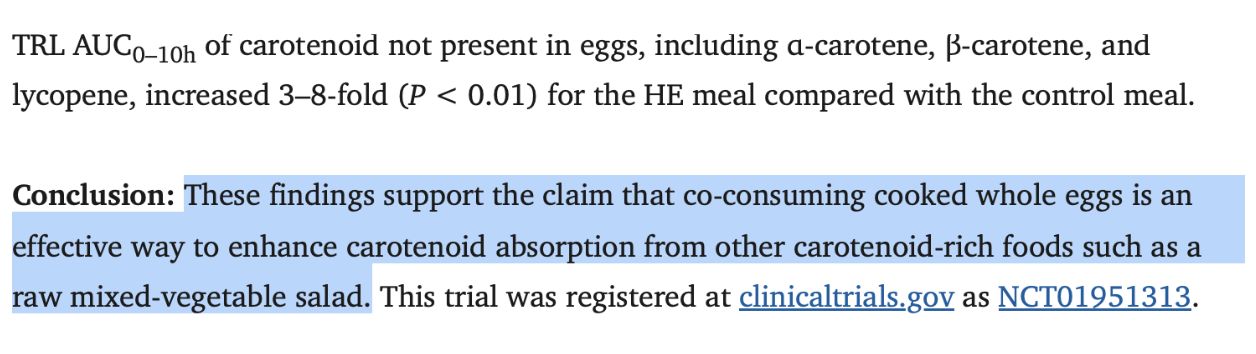
Beta-carotene (the precursor to Vitamin A) is a fat-soluble compound, which can dissolve in fat and not water. Therefore, without dietary fat, it passes through the gut without being absorbed efficiently. Beta-carotene absorption from raw vegetables increases when paired with a small amount of fat.
5. Vegetables + Cold-Pressed Oils (for Fat-Soluble Vitamins)
Vitamins A, D, E, and K are fat-soluble. Without fat, your body cannot properly absorb them. Cooking vegetables with healthy oils like olive oil improves their bioavailability and antioxidant release.
The absorption of fat-soluble carotenoids like lutein and beta-carotene was significantly higher when salads were consumed with full-fat dressing compared to low-fat versions.

Disclaimer: While food pairing and food combination principles are backed by science, every individual is unique. Digestive strength, metabolic flexibility, lifestyle, and gut health all influence how your body responds to different food combinations. What may not suit one person could work well for another. Always consult with a qualified healthcare provider before making major changes in nutrition, especially if you have pre-existing digestive or metabolic conditions.
Top 5 Worst Food Combinations (To Avoid or Space Out)
Just because individual foods are healthy doesn’t mean they’re healthy together. You may be ticking all the boxes, greens, protein, calcium, fruit, but still feeling bloated, fatigued, or undernourished.
Why?
Because the food combination you’re following might be working against your digestive intelligence.
Let’s decode the worst food combinations that can interfere with absorption, cause digestive stress, and drain energy, even when the plate looks clean:
1. Calcium-Rich Foods + Iron-Rich Foods
Calcium and iron share common absorption pathways in the intestine. When consumed together in the form of paneer-spinach curry, rajma with yogurt, A2-sourced milk with iron supplements, calcium inhibits non-heme (plant-based) iron absorption by competing for the same transporters in the duodenum.
Calcium can reduce iron absorption by up to 60%, especially when both are consumed in significant quantities at the same meal.

2. Fruit with Meals or Right After Eating
Fruits digest quickly, usually within 20–30 minutes. When consumed after heavier meals, they get delayed in the digestive tract, leading to fermentation, bloating, and altered gut microbiota.
Delayed gastric emptying caused by mixed macronutrients can lead to fermentation of fructose in the colon, contributing to symptoms like gas, distension, and post-meal fatigue.
3. Tea or Coffee with Iron-Rich Foods
Tannins and polyphenols in tea and coffee can bind non-heme iron in the digestive tract, reducing its absorption drastically.
A cup of tea consumed with an iron-rich meal can inhibit iron absorption by up to 85%.

Therefore, keep a minimum 90-minute gap between caffeinated beverages and iron-rich meals. Instead, pair iron sources with Vitamin C-rich ingredients like lemon, amla, or capsicum for optimal absorption.
4. High-Protein + High-Starch Meals
Protein and starch require different digestive environments—proteins need an acidic medium (pepsin, HCl), while carbohydrates digest best in an alkaline environment (amylase). When consumed together like chicken with mashed potatoes, cheese-stuffed parathas, paneer with potatoes in heavy amounts, they can impair enzymatic efficiency.
Meals combining high protein and starch can delay gastric emptying and reduce nutrient breakdown.
Food pairing tip: If you enjoy both protein and starch, simplify your combinations. For example, a light dal with rice or chicken with sautéed vegetables works better than dense mixes of both macronutrients.
5. Milk + Citrus Fruits
Citrus fruits are acidic. When combined with milk in the form of orange or pineapple milkshakes, milk with strawberries, lemon-milk desserts, they can cause milk proteins (like casein) to coagulate or curdle prematurely in the stomach. This can disturb digestion and lead to gas, heaviness, or even nausea in sensitive individuals.
The pH drop caused by citrus acids initiates protein denaturation and casein precipitation. While not harmful for everyone, this combination can be problematic in individuals with weak digestion or lactose intolerance.
If you love fruits with milk, opt for plant-based alternatives like almond or oat milk, which don’t curdle in the same way and are often easier to digest.
Understanding the science of food pairing goes beyond what’s on your plate, it’s about how your body breaks it down.
These examples of the worst food combinations are not about fear, they’re about awareness. Just like best food combinations support your goals, poor pairings can quietly hinder them.
So the next time you prep a meal, pause. Ask yourself not just what you’re eating—but how you’re pairing it.
Smart Swaps for Better Digestion and Absorption
When it comes to food pairing and food combination, the wrong pairings can slow digestion, hinder nutrient absorption, and even lead to discomfort.
But making a few simple swaps can improve how your body absorbs nutrients, improves energy, and helps with digestion.
| Instead of… | Try This… | Why It Works | |
| Tea with poha | Poha with lemon Water | Vitamin C from lemon enhances the absorption of non-heme iron in poha. | |
| Banana after lunch | Banana mid-morning with ethically sourced nut butter | Eating banana with nut butter helps balance blood sugar levels by adding healthy fats and proteins. | |
| Palak paneer | Spinach chana with lemon | Chickpeas (rich in plant protein) help enhance iron absorption when paired with spinach, while lemon boosts absorption. | |
| Fruit + curd smoothies | Fruit + coconut milk smoothies | Dairy can cause bloating in some people, especially when paired with fruit. Coconut milk aids in fat-soluble vitamin absorption. | |
| Milk + rajma chawal | Rajma with lemon water, A2-milk later | Calcium competes with iron for absorption. Spacing out the two helps maximize the bioavailability of both. |
Meal Timing Tips to Maximize Absorption
The timing of when you eat certain foods is just as important as how you combine them. Below are some meal timing tips to optimize your nutrient absorption:
- Fruits: Best consumed mid-morning or as a snack. Avoid having fruits immediately after a meal, as their high sugar content can slow digestion.
Optimal Fruit Timing Guide
| Fruit | Best Time to Eat | Why |
| Papaya | Early morning* or mid-morning | Rich in papain, supports gut health and digestion on an empty stomach. |
| Banana | Mid-morning or pre-workout | Provides sustained energy; pairs well with nut butters. |
| Apple | Mid-morning or afternoon | High in fiber (pectin); helps stabilize blood sugar. |
| Melons (watermelon, muskmelon) | Alone, between meals | Digests very fast—eating with other foods can cause fermentation. |
| Citrus fruits (orange, sweet lime) | First thing in the morning* or mid-morning | Enhances vitamin C absorption; stimulates digestion. |
| Berries | Morning snack or afternoon | Packed with antioxidants; light and easy to digest. |
| Grapes | As a snack, not with meals | High in sugar; best alone for clean digestion. |
| Pineapple | Mid-morning or before meals | Contains bromelain, which helps break down protein; great as a digestive. |
| Mango | Mid-morning or early afternoon | Natural sugar spike—best timed when metabolism is higher. |
| Guava | Morning* or snack time | High in vitamin C and fiber; best before a heavy meal. |
*Avoid eating fruit first thing in the morning if you’re dealing with conditions like diabetes and eat what suits you.
- Iron-Rich Meals: To get the maximum benefit from iron, consume iron-rich foods like legumes, greens, and lentils in the middle of the day, and keep them separate from tea, coffee, or dairy.
- Calcium-Rich Foods: Best enjoyed in the evening or at bedtime. This not only supports better calcium absorption but also aids in restful sleep.
- High-Protein Meals: To ensure optimal digestion, space high-protein meals three to four hours apart. This will give your digestive system enough time to process each meal effectively.

By focusing on both food combinations and meal timing, you can enhance your body’s ability to absorb essential nutrients, reduce discomfort, and improve your overall well-being.
The next time you’re planning your meals, keep these swaps and tips in mind for a smarter, more efficient digestion process.
Disclaimer: The suggestions around fruit timing are based on general digestive principles and the enzymatic nature of fruits, which may not apply universally. Each body digests differently, and factors like gut health, underlying conditions, and personal metabolism can influence how and when fruits are best consumed. Please consult with your healthcare provider or nutritionist before applying these recommendations, especially if you have digestive concerns, diabetes, or food intolerances.
Food That Loves You Back: Wholesome Recipes to Try Today
Try these simple recipes that are crafted with mindful food pairings that work with your body, not against it, and they’re easy to enjoy, every single day.
- Tonic Shots to Anti-Inflammatory Bombs: Unleashing the Magic of Yellow Gold (Turmeric)
Try out powerful turmeric shots that go beyond just immunity.
Explore here now - Hummus Recipes You Need to Try Today
Rich in good fats, protein, and gut-loving ingredients.
Check out the recipes - From Kanji to Kimchi: 4 Easy Probiotic Recipes You Can Make at Home
Support your gut and immunity naturally — start with simple fermentation.
Try these at home - Sabja Refresher to Sattu Shikanji: Must-Try Summer Thirst Quenchers
Hydrate and nourish with refreshing, mineral-rich drinks.
Cool off with these - Khichdi — A Simple, Powerful Comfort Food
Light on digestion, and deeply nourishing.
Know the recipe here
Do you want to know more simple recipes?
Browse our full recipe corner here
Final Thoughts: Start Eating Smart—Not Just Healthy
Food pairing is about more than just choosing healthy ingredients; it’s about making sure those ingredients work in harmony with your body. A little mindfulness can go a long way. Start with one meal a day. One better combination.
Your body is already listening, are you giving it the right message?
Disclaimer: The information provided in this blog for food pairing is for educational and informational purposes only. It is NOT intended as medical advice, diagnosis, or treatment. Nutrient absorption and digestion vary from person to person, so it’s important to listen to your body and make adjustments based on your individual needs especially with certain food combinations. If you have any existing health conditions, please consult a healthcare professional before making significant changes to your plate. Always prioritize your personal health and well-being.
Everyone’s journey to optimal wellness is different.
With Luke’s Wellness Program, you’ll get expert guidance, personalized support, and tailored plans that make achieving your health goals easier and more accessible.
Start today and discover how small, steady adjustments can lead to significant improvements in your life.
Book a one-on-one consultation with our specialists by calling 1800 102 0253 or email us at consults@lukecoutinho.com.

Start Your Wellness Journey
Feeling inspired to take the next step in your wellness journey? Connect with us to explore how our tailored programs can support your health journey. Your transformation is just a conversation away.