

Hand-pounded rice benefits are often overlooked in our fast-paced, modern food culture. Imagine two bowls of rice in front of you. One is gleaming white, fluffy, polished, picture-perfect. The other is rustic, slightly brownish, with uneven grains and the earthy aroma of the soil it came from.
One is crafted for the eye.
The other?
For the body.
This isn’t just a comparison of grains, it’s a reflection of how our food system slowly traded depth for surface. Over time, we began choosing aesthetics and shelf life over nutrition, digestion, and gut integrity.
And now, is it time we returned to the kind of rice that served our ancestors—unrefined, nutrient-rich, and deeply aligned with how the human body is designed to thrive.
What Is Hand-Pounded Rice?
When we talk about hand-pounded rice benefits, we’re not just referring to a traditional grain; we’re talking about rice that still holds onto its identity.
Hand-pounded rice is processed using age-old methods like wooden pestles or stone grinders, which gently remove only the inedible outer husk. This keeps the nutrient-dense bran and germ layers intact, something modern milling often strips away in favor of speed, uniformity, and shelf life.
Unlike industrial milling, which uses high-speed rollers and friction that generate heat and cause nutrient degradation, hand-pounding is a slow, deliberate process. And that makes all the difference.
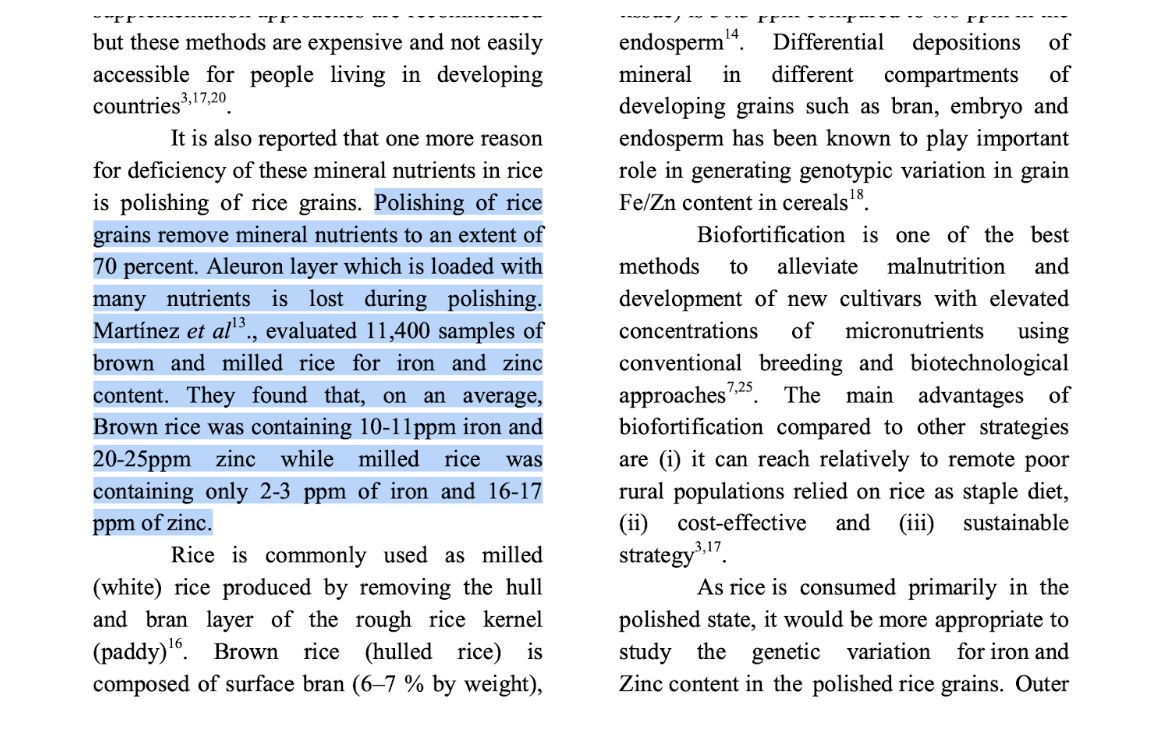
This brings us to the comparison of polished rice vs unpolished rice. When rice is polished, the bran (which houses fiber) and the germ (which holds essential fatty acids and antioxidants) are removed. What remains is primarily starch, quick to digest and quick to spike blood sugar. On the other hand, hand-pounded rice offers a slower glycemic response and sustained energy release. It feeds not only your body but also your gut microbiome, thanks to the retained fiber and natural polyphenols.
So, when people ask, “Is polished rice good for health?”—the answer depends on what you’re looking for. If it’s aesthetics and quick cooking, polished rice might serve. But if you’re looking at how much nutrition is in rice, the difference is staggering.
With hand-pounded rice, you’re eating a grain that remembers where it came from—whole, rich, and alive. And when food is alive, it does more than just fill you—it supports you.
Nutritional Comparison: Polished Rice vs Unpolished Rice

Why Is Polished Rice Nutritionally Empty?
We’ve been made to believe that the cleaner, whiter, shinier the rice, the better it must be. But here’s the truth: the process that gives polished rice its aesthetic appeal strips away the very parts that support your health. And what we’re left with is a grain high in starch but low in substance.
Let’s break it down:
What gets removed during polishing?
- Bran (the fiber-rich outer layer)
- Essential for digestion, gut microbiota balance, and blood sugar control.
- Its absence contributes to constipation, bloating, and low satiety.
- Germ (the living part of the grain)
- Rich in healthy fats, vitamin E, and B-complex vitamins (B1, B3, B6).
- Plays a role in energy metabolism, brain health, and immune support.
- Micronutrients like iron, zinc, and magnesium
- These are needed for red blood cell production, enzyme function, and metabolic processes.
- More than 70% of these minerals are lost during the polishing process.
Did You Know?
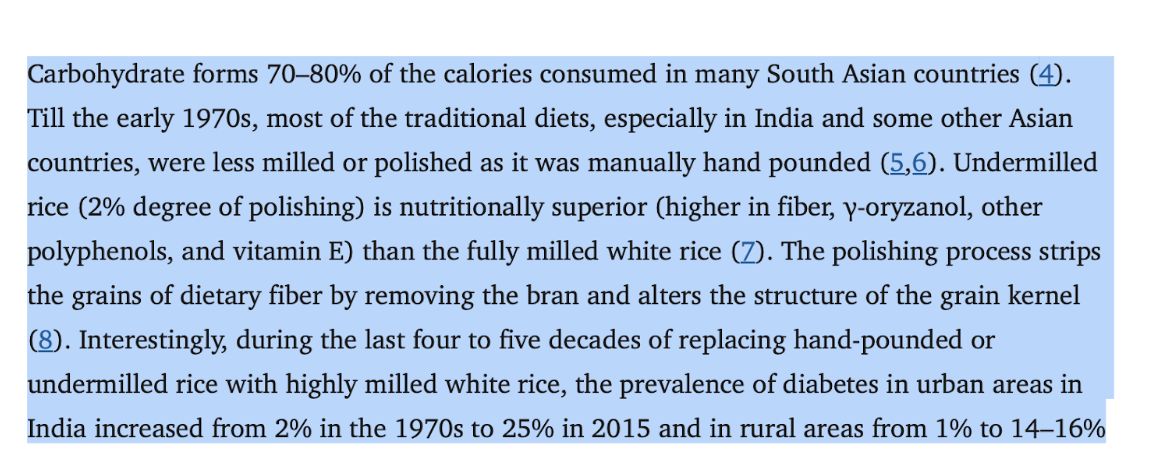
Communities that consume hand-pounded or traditional rice varieties have lower rates of diabetes and metabolic diseases, even when rice is a staple part of their diet.
The Forgotten Power of Hand-Pounded Rice: 5 Key Health Benefits
Hand-pounded rice has been gaining well-deserved attention for its remarkable health benefits. Let’s know how:
1. Rich in Fiber – Supports Gut & Digestive Health:
One of the most significant hand-pounded rice benefits is its high fiber content. Unlike polished rice, which is stripped of its bran (where most of the fiber resides), hand-pounded rice retains this essential layer. Fiber plays a critical role in digestive health by promoting bowel regularity and helping to regulate blood sugar levels. Fiber also has a prebiotic effect, feeding beneficial gut bacteria, which in turn supports overall gut health and immune function. This fiber-rich composition helps reduce bloating, inflammation, and the risk of chronic conditions like constipation and diverticulosis.
2. Lower Glycemic Index – Ideal for Diabetes Management
Unlike polished rice, which has a high glycemic index (GI), hand-pounded rice releases glucose slowly into the bloodstream. This slow release results in more stable energy levels and fewer sugar crashes. The glycemic index of hand-pounded rice is significantly lower, meaning it doesn’t cause the rapid spikes and dips in blood sugar associated with polished rice. This makes it an excellent choice for those managing diabetes, insulin sensitivity, or anyone seeking better blood sugar control. Additionally, foods with a lower glycemic index help in managing weight by promoting satiety and reducing the likelihood of overeating.
3. High in Essential Minerals – Primes Immunity and Energy
Hand-pounded rice is packed with essential minerals that are vital for maintaining good health. These minerals, including magnesium, zinc, and iron, are often stripped away during the polishing process. Magnesium supports heart health and proper nerve function, while zinc is critical for immune function, wound healing, and maintaining a healthy metabolism. Iron, on the other hand, is vital for transporting oxygen throughout the body and preventing fatigue.
4. Rich in Natural Antioxidants – Fights Inflammation
The bran and germ in hand-pounded rice contain a wealth of antioxidants, such as polyphenols and flavonoids, which help protect the body against oxidative stress. Oxidative stress is linked to the development of chronic diseases like heart disease, cancer, and neurodegenerative conditions. By combating this oxidative damage, hand-pounded rice helps protect cellular health and support the body’s natural defense mechanisms.
5. Sustainable & Environmentally Friendly
Hand-pounded rice isn’t just beneficial for health; it’s also a more sustainable choice for the environment. Traditional milling techniques require minimal water usage and avoid the chemical processing often used in mass rice production. This process also helps preserve local milling traditions, supporting small farmers and promoting biodiversity. As we move toward a more sustainable future, choosing unpolished rice can be a small yet meaningful step toward environmental conservation and supporting local agricultural practices.
Disclaimer: The information is intended for general informational purposes only and should not be considered as medical advice. While hand-pounded rice benefits are ample, individual health conditions and dietary needs may vary. For personalized nutrition or health recommendations, it is always best to consult with a healthcare professional
Common Myths About Hand-Pounded Rice
Let’s address some common myths about hand-pounded rice and clear up the confusion once and for all:
Myth: It’s just like brown rice.
Fact: While it’s true that both polished rice vs unpolished rice retain their bran and germ, they are not identical. Hand-pounded rice is semi-polished, meaning it retains more of the vital nutrients than regular white rice, but with a gentler texture compared to brown rice. This semi-polished nature makes hand-pounded rice easier to digest, particularly for individuals who may find the high fiber content in brown rice challenging to tolerate.
Myth: You need white rice for quick energy.
Fact: The idea that white rice is your go-to source for fast energy is misleading. While polished rice may provide a quick burst of glucose, this rapid sugar release comes with a sharp spike followed by a crash, leading to fatigue and hunger shortly afterward. In contrast, hand-pounded rice provides sustained energy due to its slower glycemic response. This gradual energy release helps keep blood sugar stable, which supports overall energy levels without the crashes associated with refined grains.
Myth: It’s hard to cook.
Fact: Another myth that needs debunking is the idea that hand-pounded rice is difficult to prepare. In fact, cooking this rice is no more complicated than cooking any other variety. The key is to soak it for 4–6 hours, which helps soften the grain and reduce cooking time. Once soaked, it cooks just like regular rice and can be seasoned with spices and ghee for enhanced flavor. While hand-pounded rice may require a little more patience, it’s hardly difficult to prepare.
Just because hand-pounded rice takes a bit longer doesn’t mean it’s harder to cook. Sometimes, taking a little extra time results in a meal that’s more nourishing and sustainable. Choosing unpolished rice like hand-pounded rice isn’t about speed, but about making smarter, healthier food choices that support your long-term well-being.
By dispelling these myths, we better understand why hand-pounded rice is not just a healthy alternative, but a practical and sustainable choice for those looking to improve their diet. So next time you consider your grain choice, remember the hand-pounded rice benefits and the lasting impact it can have on your body and health.
How to Include Hand-Pounded Rice in Your Diet
Where to Buy?When looking for hand-pounded rice, it’s important to choose trusted organic retailers to ensure you’re buying a high-quality product. To further guarantee purity and authenticity, you can rely on products with the Pink Tiger stamp on our You Care Lifestyle site. When you see this emblem, you know the product has been verified through rigorous third-party lab tests, just like a tiger’s watchful eye. It’s your assurance of quality and trust.
You can choose varieties like Navara, Kullakar, Indrayani, and Gobindobhog. These varieties ensure you’re getting the full hand-pounded rice benefits—packed with nutrients that modern milling methods remove.
Cooking Tips:
For optimal texture and flavor, soak hand-pounded rice for four to six hours before cooking. This softens the grain and reduces cooking time while preserving its natural nutrients. Unlike polished rice, which loses most of its nutritional content during processing, hand-pounded rice retains its bran and germ, offering a more wholesome meal.
Delicious Ways to Enjoy Hand-Pounded Rice:
- Khichdi with moong dal and ghee – A comforting, easy-to-digest meal packed with nutrients
- Stir-fried rice bowls – Add veggies, nuts, and a splash of sesame oil for a complete, flavorful dish
- Coconut milk rice – A great choice for kids or a creamy side dish
- Porridge or payasam with jaggery – A warm, sweet, and nutritious dessert
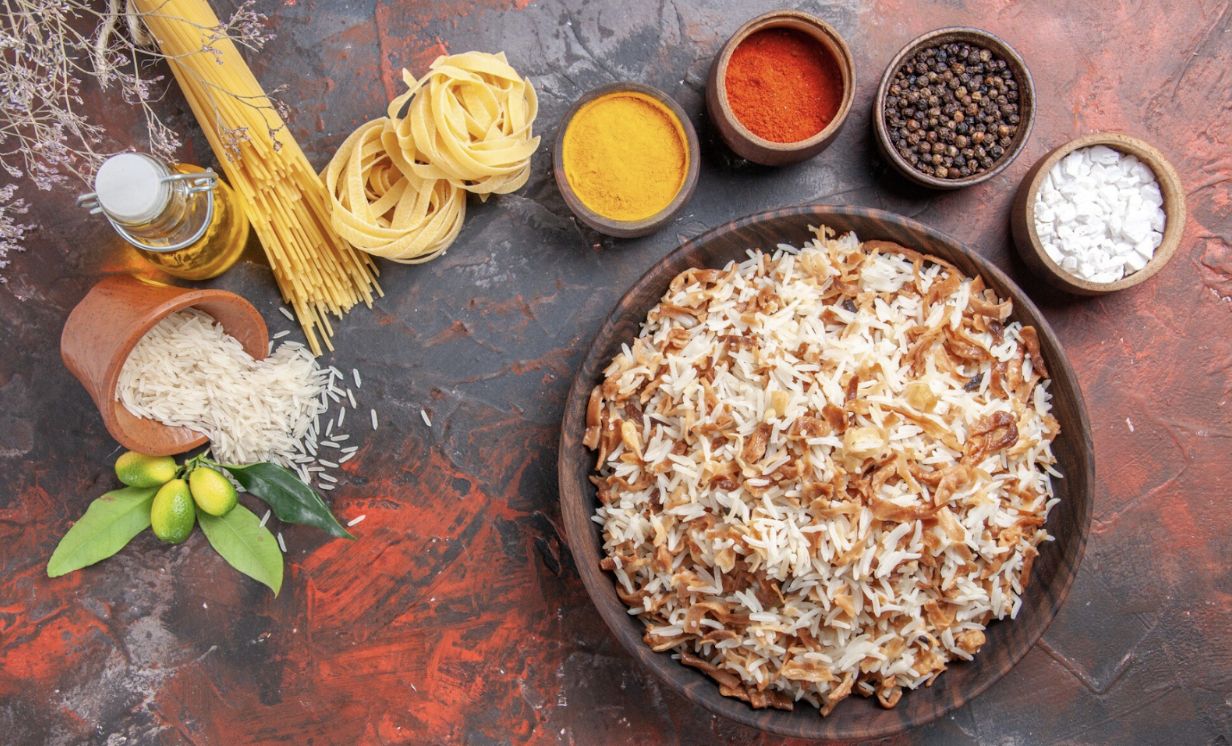
Pair Smart: Combine hand-pounded rice with dal or lentils and fermented foods like curd or kanji for a digestive boost. Enhance your meal with spices like cumin, ginger, turmeric, and ajwain, which aid digestion and improve overall health.
Potential Side Effects:Though hand-pounded rice offers numerous health benefits, it is still a carbohydrate. For individuals managing conditions like diabetes or aiming to reduce carbohydrate intake, it’s best to enjoy hand-pounded rice in moderation. Also, as it’s higher in fiber than polished rice, those sensitive to fiber may experience mild bloating or digestive discomfort.
A Balanced Approach
Incorporating hand-pounded rice into your diet is about making informed, health-conscious decisions. It’s not about giving up your favorite foods but upgrading them with more wholesome, nutrient-rich options. The hand-pounded rice benefits go beyond just taste; it’s about providing your body with the essential nutrients it needs for long-term wellness.
Disclaimer: The information on polished rice vs unpolished rice provided in this article is for educational purposes only and should not be considered as medical or dietary advice. While hand-pounded rice offers numerous health benefits, individual nutritional needs may vary. It is always recommended to consult with a healthcare professional or registered dietitian before making significant changes to your diet, especially if you have specific health conditions or dietary restrictions.
It’s time to reconnect with real, wholesome nutrition.
Join Luke’s Wellness Program and discover how embracing balanced, whole-food choices can nourish your body and support long-term health.
Schedule a one-on-one consultation with our experts by calling us at 1800 102 0253 or emailing us at consults@lukecoutinho.com.

Start Your Wellness Journey
Feeling inspired to take the next step in your wellness journey? Connect with us to explore how our tailored programs can support your health journey. Your transformation is just a conversation away.