


Whether you struggle with bloating, ulcers, or inflammation, exploring the mastic gum benefits might just be the missing link in your wellness routine. Many are also now experimenting with mastic gum in food, supplements, and traditional remedies. But before you dive in, it’s essential to understand what is mastic gum, how to use it correctly, and whether there are any mastic gum side effects to watch out for. Let’s break it down.
What is mastic gum?
To answer what is mastic gum in simple terms, it’s a time-tested resin with a rich history of medicinal use. It is a resin from the Mastic or Pistacia lentiscus tree found in the Mediterranean region. It has been widely used throughout civilizations for its medicinal properties.
The list of mastic gum benefits spans across digestive, oral, and even liver health, making it an incredibly versatile remedy. We have been using the power of this amazing resin successfully for the last 13 years for our clients. For those exploring traditional Mediterranean remedies, understanding what mastic gum is can open doors to various natural health tools.
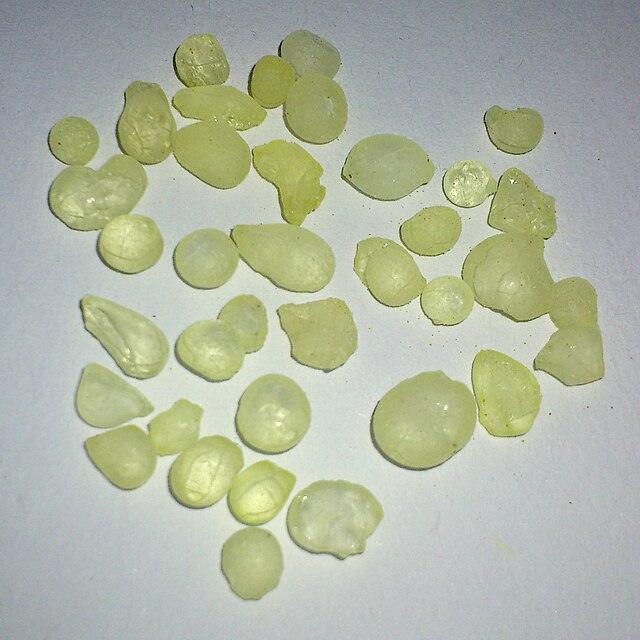
What does mastic gum look like?
You get them in small granules or even in supplement form. Opt for the supplement form only under the guidance of an expert or if prescribed by your doctor. Otherwise, you can choose the little granules.
It is effective in cases of:
Now that you know what is mastic gum, let’s explore its potential benefits for gut and digestive health.
- H.pylori
- Depleting mucosal linings in the gut especially when people have a peptic ulcer or a stomach ulcer
- Those with poor digestion
- For those who could enjoy lots of foods but after a while realize they aren’t tolerant of them anymore and face acidity, bloating, discomfort, and IBS-like symptoms.
Did you know there is one commonality in each of these cases? Those going through it lose the integrity of the mucosal lining in the gut. And this is where mastic gum can play a powerful role.
These are just some of the known mastic gum benefits when it comes to restoring gut function.
Mastic gum for H.pylori
What is H.pylori? Helicobacter pylori (H. pylori) is a type of bacteria that infects the stomach. It is a common cause of peptic ulcers or stomach ulcers and can lead to various gastrointestinal problems if left untreated.
It can happen when you have low stomach acid or you have bacteria that create low stomach acid in excess. Its symptoms may include abdominal pain, bloating, nausea, loss of appetite, frequent burping, and unexplained weight loss.
When you have low stomach acid, you cannot break down protein into amino acids or absorb nutrients from the food that you eat. Today, H.pylori bacteria is also considered a carcinogen and can increase your risk of certain cancers in the body.
It is why the moment you’re detected with an H. Pylori infection, you need to go to your doctor who will then put you on a 7, 14, or 21-day course of antibiotics. Take these diligently because you’re better off without the bacteria than with it.
Alongside your antibiotics, you can use mastic gum. Among the many mastic gum benefits, its antibacterial action makes it particularly helpful in managing H. pylori infections. It will be prescribed to you in the form of a supplement, especially if you’re on an antibiotic. But if not, you can have it in the granule form and chew on it.
The best way to take mastic gum alongside antibiotics is in supplement form, as guided by your doctor. If you’re already on antibiotics, consult your doctor to ensure there are no interactions or mastic gum side effects to be cautious about. Remember, mastic gum cannot and should not replace your ongoing medication or treatment for H.pylori. Keep your doctor in the loop before adding it to your recovery plan.
Once you have finished the antibiotic course, I suggest you continue with mastic gum for at least a month. Because in some cases people who may have taken too many antibiotics become antibiotic-resistant. And they think the antibiotic has killed the H.pylori bacteria when it hasn’t.
Look out for the symptoms. Get a stool test or a breath test done to see if you have H.pylori.
Mastic gum to strengthen your mucosal lining
One of the often-overlooked mastic gum benefits is its ability to protect and rebuild the mucosal barrier, essential for nutrient absorption and immune support. The reason I chew mastic gum and recommend it is for its digestive benefits and because it can help strengthen and build the mucosal lining in your intestine. Although rare, some users report mild mastic gum side effects such as nausea or an upset stomach when taken on an empty stomach.
What destroys your mucosal lining?
Excess stomach acid. How do we get too much stomach acid?
Some, among many other reasons, could be:
- Overeating
- Snacking/grazing all the time
- Binging on processed and junk foods
- A poor and sedentary lifestyle
- Side-effects of certain medications
How to have mastic gum?
The best way to take mastic gum for beginners is to start with two granules, chew until it forms a gum, and discard after 20–30 minutes. Do not swallow it. You can do this once or twice a day.
In Greece and Cyprus, it’s common to find mastic gum in food — especially in ice creams, yogurts, and pastries — for its subtle flavor and digestive perks. Just like we in India, chew on ajwain (carom seeds), jeera (cumin seeds), and saunf (fennel seeds), they do so with mastic gum. The use of mastic gum in food reflects its cultural significance and culinary value beyond medicinal uses. For those on the go or new to it, your expert may guide you on the best way to take mastic gum in supplement form.
Mastic gum for oral health
Part of knowing what is mastic gum includes its traditional use in Mediterranean cultures to support oral and gum health. Mastic gum is highly antibacterial and antimicrobial. It can also help you with excess plaque buildup in your mouth, cavities, bad breath, germs, gum issues, and so on. It is not a replacement for medicine or dental treatment. But it can help build your oral microbiome.
Used in chewing gum form, it can stimulate saliva production, which is beneficial for oral hygiene.
Note: If you’ve had recent dental work, consult your dentist first to avoid unexpected mastic gum side effects like gum irritation or dislodging fillings.
Mastic gum for digestive issues
From easing heartburn to alleviating food intolerance symptoms, mastic gum benefits are particularly valuable for those with compromised digestion. If you struggle with acid reflux, chewing mastic gum will help you. It may not solve your problem, but it can alleviate it slightly. It’s great for those with indigestion and can relieve symptoms such as heartburn, stomach pain, and bloating. It may also work for those struggling with food intolerances due to the loss of integrity of their mucosal lining. If you’re using it for bloating or acid reflux, the best way to take mastic gum is 30 minutes before meals to ease digestion. Start with a small amount, as some people may experience mastic gum side effects like bloating or cramping if taken excessively.
Mastic gum for your liver
It’s great for your liver because it is considered to possess hepatoprotective properties. It’s not a replacement for your medication, but sometimes if your SGOT or your SGPT levels, liver enzymes, go up, chewing on mastic gum can also lower them. While you do this, remain mindful of mastic gum side effects and always use it alongside other necessary interventions.
Some Mediterranean cultures also include mastic gum in food preparations believed to support liver function naturally. If you’re drinking alcohol and you have deranged liver enzymes, mastic gum will not help. Stopping or minimizing alcohol is going to help you with that. But I’m talking about jaundice patients with dengue, patients who have gone through a lot of steroids and heavy medication, which in turn is creating higher liver enzymes.
Mastic gum for inflammation
Mastic gum contains antioxidants that help neutralize free radicals, potentially reducing oxidative stress and lowering the risk of chronic diseases. It has anti-inflammatory properties that may help reduce inflammation in various conditions, including arthritis and inflammatory bowel disease. Adding small amounts of mastic gum to food can be a flavorful and beneficial way to integrate it into an anti-inflammatory eating routine. Even though it’s anti-inflammatory, mastic gum side effects can include dizziness or headaches for sensitive individuals.
Regular gums vs mastic gum
Unlike commercial gums with hidden sugars, colors, and artificial ingredients, mastic gum is natural and flavorless. Yes, some brands around the world are now making mastic gum into cubes you can chew and they have spearmint and other flavours added to them but I like to keep things simple.
FAQs
-
What is mastic gum, and how does it support gut health?
Mastic gum is a natural resin extracted from the Pistacia lentiscus tree, traditionally used to support digestion, fight H. pylori bacteria, and soothe the gut lining. If you’re wondering what is mastic gum good for, gut health is one of its most researched benefits.
-
What are the top mastic gum benefits for daily health?
Mastic gum benefits range from improving digestion and oral hygiene to supporting liver function and reducing inflammation. It’s especially useful for those dealing with acid reflux, ulcers, or food sensitivities.
-
Are there any mastic gum side effects I should be aware of?
Yes. While generally safe, potential mastic gum side effects may include mild headaches, stomach upset, dizziness, or allergic reactions in rare cases. Always start with a small amount and consult your doctor if you have existing conditions.
-
What is the best way to take mastic gum for digestion or H. pylori?
The best way to take mastic gum is to chew two small granules for 20–30 minutes and spit them out, once or twice a day. For those taking antibiotics or under treatment for H. pylori, a supplement form may be advised by a healthcare professional.
-
Can I use mastic gum in food or recipes?
Yes, you can use mastic gum in food, particularly in Mediterranean cuisine, to impart a distinctive piney, resinous flavor. It’s ideal for desserts like ice cream, yogurts, baked goods, and herbal infusions, and may support digestion when used traditionally. Use small amounts of food-grade mastic gum, finely ground or infused, to avoid bitterness, and store it properly in an airtight container.
-
How long should I take mastic gum to see its benefits?
Depending on the purpose, people may chew it daily for a few weeks to notice mastic gum benefits, particularly for gut lining repair or post-antibiotic recovery. Just make sure to monitor for any mastic gum side effects during prolonged use.
Final word
Always research mastic gum benefits and consult your expert before trying any new natural aid, especially if you have existing health conditions or are taking other medications. Though generally safe, you should still be aware of potential mastic gum side effects like gastrointestinal discomfort, dizziness, or allergies. Don’t use mastic gum if you are pregnant or breastfeeding.
Moderation is key. Don’t overdo it. To minimize side effects, start with a small amount under professional guidance. Source mastic gum from a brand you trust.
If you’re still wondering what is mastic gum and how it fits into your lifestyle, start small and observe how your body responds.
Learn about the gifts that nature gives us and use them the right way.
Need personalized help to rebuild your gut health? We help you find a way.
Know more about our Gut Program here
Set up your one-on-one chat with our wellness advisors by calling 1800 102 0253 or writing to us at info@lukecoutinho.com.
Shortcode:

Start Your Wellness Journey
Feeling inspired to take the next step in your wellness journey? Connect with us to explore how our tailored programs can support your health journey. Your transformation is just a conversation away.