No products in the cart.
That tub of popcorn at the movies? It could be a light, guilt-free whole grain… or the caloric equivalent of a fast-food burger. The difference? Just how you make it — and how much you eat.
Popcorn has a unique place in our food culture — it’s as likely to show up at a movie theatre drowned in butter as it is in a health enthusiast’s snack bowl, air-popped and seasoned with just a pinch of salt. How do you like yours — plain and airy, with a dash of olive oil, or coated in caramel, cheese, and the dozens of flavourings now available in every store?
Nutritionally, popcorn is simply a whole grain — the same food group as brown rice or oats. Air-popped, it’s naturally low in calories (about 30–35 calories per cup), rich in fibre, and contains small amounts of vitamins and minerals like magnesium and zinc. But the picture changes quickly when oil, butter, sugar, or processed seasonings enter the mix — adding hundreds of calories, sodium, and sometimes artificial additives.
So, is popcorn a healthy snack or a hidden calorie trap? The answer lies less in the corn itself and more in how it’s prepared and portioned.
Popcorn 101: From Ancient Fields to Flavoured Buckets
Popcorn may feel like a modern snack, but its story is thousands of years old. Archaeologists have found evidence of popcorn in caves in New Mexico dating back over 5,000 years — ancient civilizations like the Aztecs and Native Americans didn’t just eat it; they also used it for decoration and rituals. All it took was heat to make the kernels burst, and it quickly became both food and spectacle.
In the late 1800s, the first commercial popcorn machine was invented in the United States, making it a cheap and popular street snack. By the 1930s, it had found its forever home in cinemas — a treat that was easy to make, affordable, and perfect for long movies.
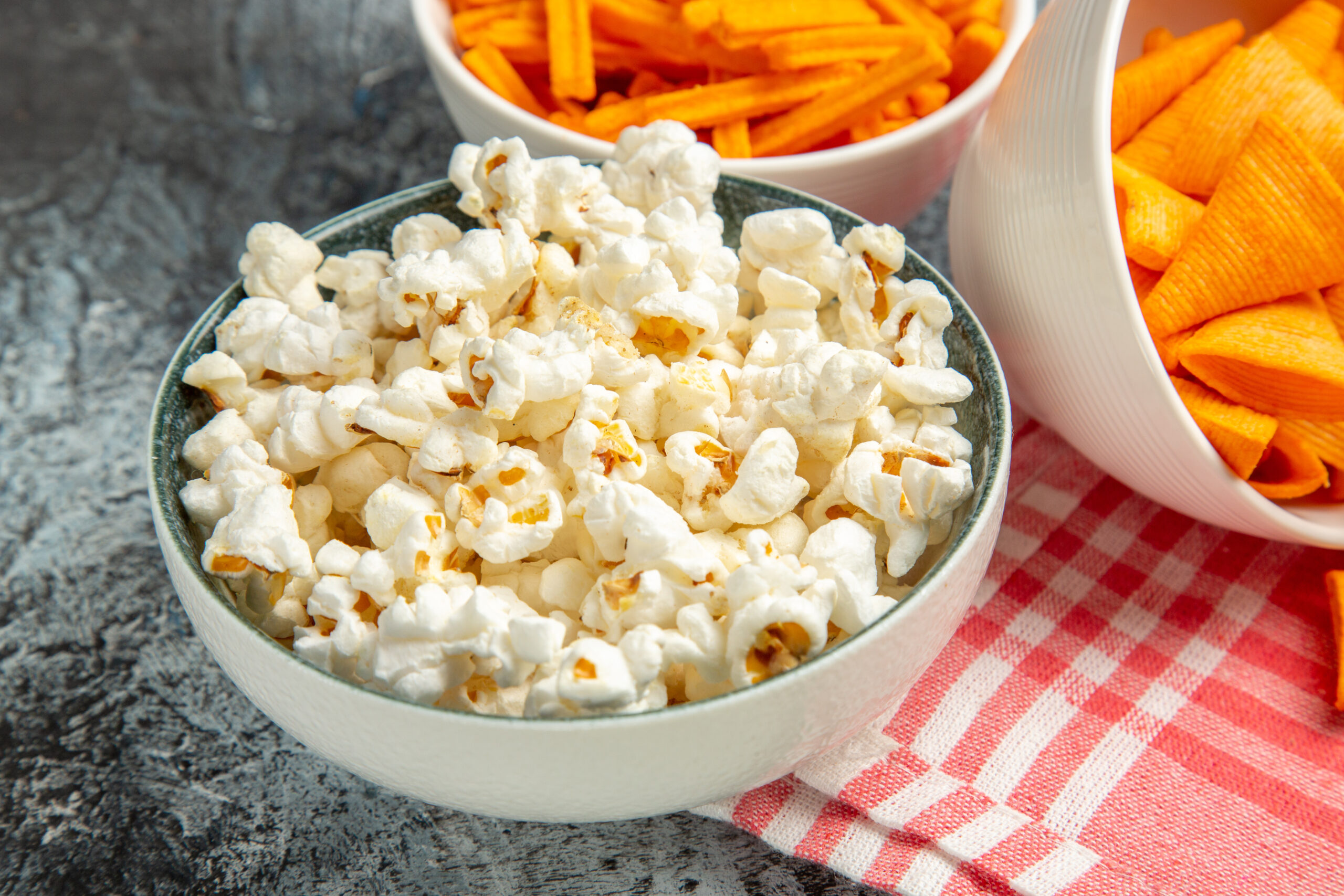
Image by Freepik
Popcorn’s arrival in India came through two routes — Western fast food culture and home cooking adaptations. While plain salted popcorn was once the norm, flavoured varieties like caramel, cheese, masala, peri-peri, and even chocolate soon took over, mirroring the trend worldwide. Today, what started as a humble whole-grain kernel has morphed into a snack that can be as wholesome or as indulgent as you make it — depending on what’s added after it pops.
Popcorn Nutrition Facts: What’s Inside the Kernel
Before it’s coated in butter, sugar, or cheese powder, popcorn is actually one of the cleanest and simplest snacks you can eat. At its core (literally), it’s just a whole grain — meaning the bran, germ, and endosperm are all intact. This is where its fibre, vitamins, minerals, and natural antioxidants come from.
Here’s what you’ll find in approximately 3 cups (about 24 grams) of air-popped popcorn:
- Calories: ~90–100 kcal
- Carbohydrates: ~18–20 g (primarily complex carbs)
- Fiber: ~3.5–4 g — around 14% of the daily recommended intake for adults
- Protein: ~3 g
- Fat: ~1–1.5 g (naturally occurring)
- Sugars: <1 g (naturally occurring)
Micronutrients in notable amounts:
- Magnesium: Supports muscle function, nerve health, and energy metabolism
- Phosphorus: Important for bone health and energy production
- Manganese: Plays a role in bone formation and antioxidant function
- Zinc: Supports immune health and wound healing
- Iron: Helps transport oxygen in the blood
- Polyphenols: Antioxidant plant compounds concentrated in the hull
Popcorn is naturally gluten-free and contains no cholesterol in its plain form. Its macronutrient profile is mostly carbohydrate-based, with a respectable amount of plant-based protein and minimal fat — making it a versatile base that can swing toward healthy or indulgent depending on preparation.
Popcorn Benefits: When This Snack Works in Your Favour
When made the right way, popcorn can be more than just a casual movie-night snack — it can actually tick quite a few nutritional boxes. Here’s how it can serve you well:
- Supports Digestive Health
Popcorn is a natural source of dietary fibre, which helps maintain healthy bowel movements and supports gut health. A few cups of air-popped popcorn can contribute meaningfully to your daily fibre intake without feeling heavy.
- A Whole-Grain Win
Whole grains aren’t just about carbs — they also provide trace minerals like magnesium, manganese, and phosphorus, which play roles in bone health, energy production, and muscle function. Because popcorn is a 100% whole grain in its purest form, it’s a simple way to boost your intake.
- Weight Management Ally
The combination of fiber and volume makes popcorn surprisingly filling for its calorie content. Studies suggest that snacks with a high satiety index (like plain popcorn) can help regulate appetite and reduce overall calorie intake — as long as you keep the toppings in check.
- Rich in Antioxidants
Popcorn contains polyphenols, plant compounds with antioxidant properties that help combat oxidative stress in the body. Interestingly, research shows the concentration of polyphenols in popcorn’s hull (the outer shell) can be higher than in many fruits and vegetables — though this doesn’t mean it should replace them.
- Gluten-Free and Versatile
For those with gluten sensitivity, popcorn offers a naturally gluten-free snacking option that can be seasoned to suit both savoury and sweet preferences. You can make it your own with herbs, spices, nutritional yeast, or even a sprinkle of cinnamon without tipping into unhealthy territory.
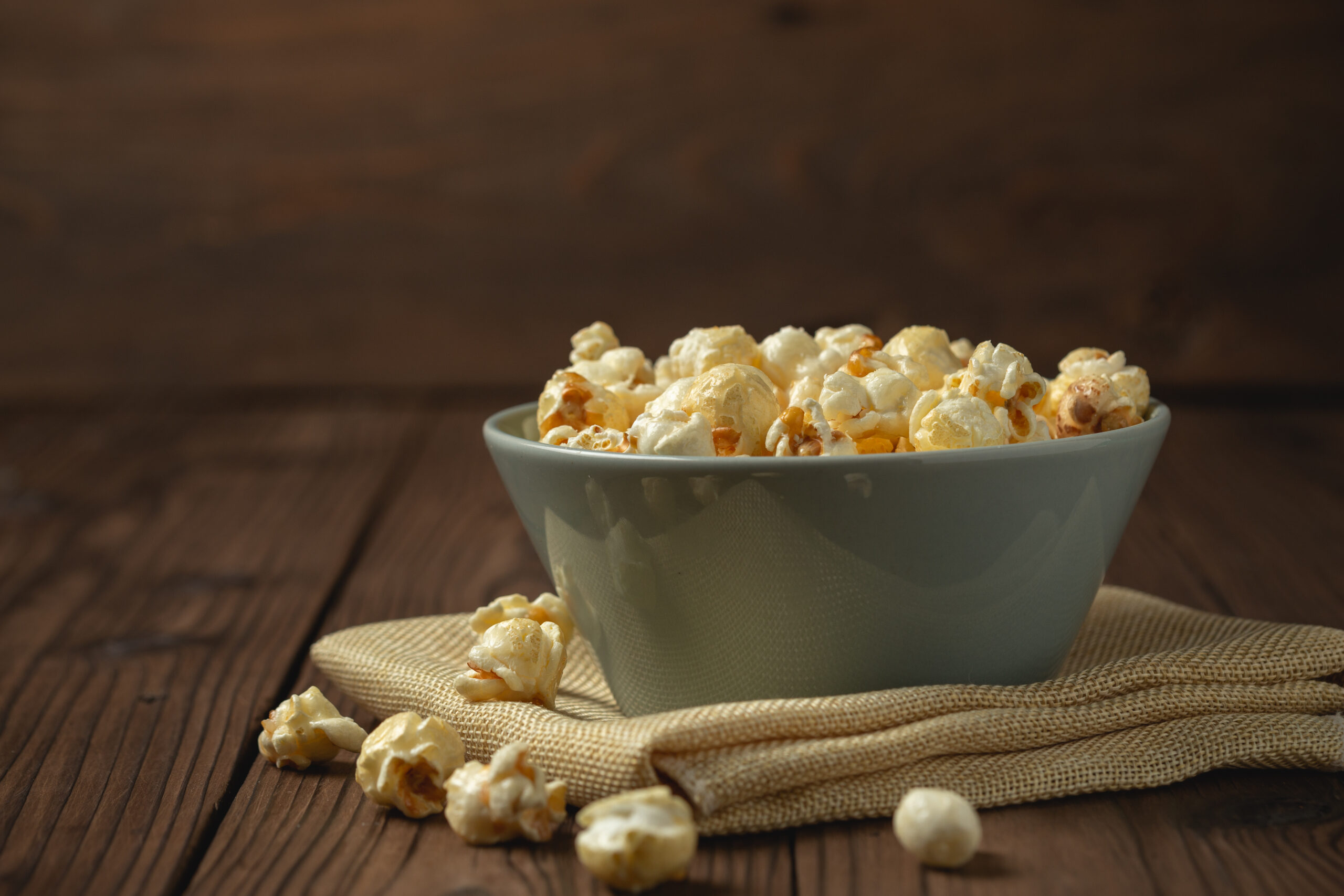
Image by Freepik
When to be mindful:
Popcorn’s benefits disappear quickly when it’s cooked in excessive oil, loaded with butter, or smothered in sugary coatings. Even so-called ‘light’ flavoured varieties can hide a surprising amount of sodium or artificial additives. If weight management or heart health is your goal, preparation is everything.
In short, popcorn can be a high-fibre, antioxidant-rich snack that fits into a healthy eating plan, but only if you control what’s going on it, and how much you’re eating.
Popcorn for Weight Management and Fat Loss: Friend or Foe?
Popcorn can absolutely fit into a weight management and fat loss plan — but the difference lies in how it’s made and how much you eat.
When it works for fat loss:
- Choose the Right Base
Opt for air-popped popcorn or stovetop methods with minimal healthy fats like coconut oil, olive oil, or ghee — and even then, in moderation.
- Keep Flavours Clean
Skip artificial seasonings. Instead, use herbs, spices, nutritional yeast, cinnamon, or chilli powder for flavour without empty calories.
- Control Portions
Serve in a small bowl and avoid endless refills — especially while distracted. Use a small bowl instead of a family-sized container, and treat popcorn as a planned snack rather than a bottomless activity food.
- Support Fibre with Fluids
Drink enough water so the fibre in popcorn works for you, not against you.
- Pair for Balance
If you need more satiety, add a small handful of nuts or seeds for protein.
- Go Homemade
Home-popped corn beats cinema tubs and pre-packaged bags for both freshness and nutrient control.
A few mindful tweaks can keep it light, nourishing, and satisfying.
When it works against you:
- Movie-style tubs dripping with butter or oil, where a single serving can exceed 500–600 kcal
- Caramel-coated or sugar-laden flavours that can pack in 3–4 teaspoons of sugar per cup, spiking blood sugar and triggering further cravings
- Cheese powders and savoury coatings that add excess sodium, unhealthy saturated fats, and flavour enhancers, often leading to mindless overeating
- Eating directly from large bags or buckets while distracted — making portion control nearly impossible
The moment you add oils, butter, caramel, chocolate, or cheese powder, the nutritional profile changes drastically. Flavoured packaged popcorns often contain added sugars, artificial flavour enhancers, and preservatives — turning what was once a wholesome whole grain into a highly processed snack.
While popcorn’s image swings between health food and junk snack, the real difference lies in how it’s made. Here’s a quick comparison of the most common types:
| Type of Popcorn | Average Calories (per 3 cups) | Fat Content | Sodium | Other Notes |
| Air-Popped (No Oil) | ~90 kcal | 1g | 0mg | Pure whole grain, high in fibre, no additives |
| Homemade Stovetop (With 1 tsp ghee or coconut oil) | ~120 kcal | 5g | 50–80mg | Healthy fats, better flavour control, nutrient retention |
| Microwave (Flavoured) | 200–300 kcal | 10–15g | 300–500mg | Often contains trans fats, preservatives, and artificial flavours |
| Cinema Popcorn (Medium Tub) | 600–900 kcal | 40–60g | 800–1200mg | Very high in calories, saturated fat, and sodium; portion size is the main trap. |
So, popcorn nutrition depends entirely on preparation. Air-popped at home? Great. Drenched in flavor syrups or oils? That’s where it starts tipping toward a calorie trap.
Disclaimer: While popcorn can be a supportive snack for weight management and fat loss when prepared simply, it should not be overindulged in or relied on as a primary weight-loss tool. Sustainable fat loss comes from an overall lifestyle approach — pairing balanced nutrition with adequate sleep, regular movement, emotional wellness, breathwork, and self-connection. Support your metabolism with adequate vitamin C and vitamin D, consistency, and discipline across all pillars, not just one snack choice.
Popcorn Side Effects: What You Should Know
Popcorn can be a light, nourishing snack in its plain form — but depending on how it’s prepared and eaten, there are a few watch-outs to keep in mind.
- Digestive Discomfort
- Popcorn’s high fibre content can be a blessing for satiety, but for those with compromised gut health, it may trigger bloating, gas, or discomfort.
- People with IBS or diverticulitis may need to keep portions small or choose softer, easier-to-digest whole grains.
- Additive Overload
- Many commercial microwave popcorn varieties contain preservatives, artificial flavours, and unhealthy trans fats that dilute its natural benefits.
- These additives can contribute to inflammation, disrupt gut balance, and add unnecessary calories.
- Excess Sodium
- Heavily salted popcorn can quietly push sodium intake well above healthy limits, increasing the risk of high blood pressure.
- Flavored versions often hide extra sodium in cheese or seasoning powders.
- Dental Risks
- Unpopped kernels can crack teeth or lodge between gums, leading to discomfort if not removed quickly.
- Those with dental restorations or braces should be extra cautious.
- Mindless Overeating
- Popcorn is easy to overconsume when distracted — large tubs at the movies or endless grazing at home can quickly turn into a calorie surplus.
- High-calorie toppings like caramel, cheese, or butter drizzles multiply the risk.
Tip for Enjoyment: Keep popcorn as a snack, not a meal replacement. Serve it in a small bowl, season it lightly (a touch of ghee and Celtic sea salt is a great choice), and enjoy it slowly enough to actually taste it. Even a healthy snack loses its benefits when eaten mindlessly. Respect portion sizes, avoid turning it into a flavour-laden sugar or fat bomb, and remember — it’s just one part of your overall eating pattern.
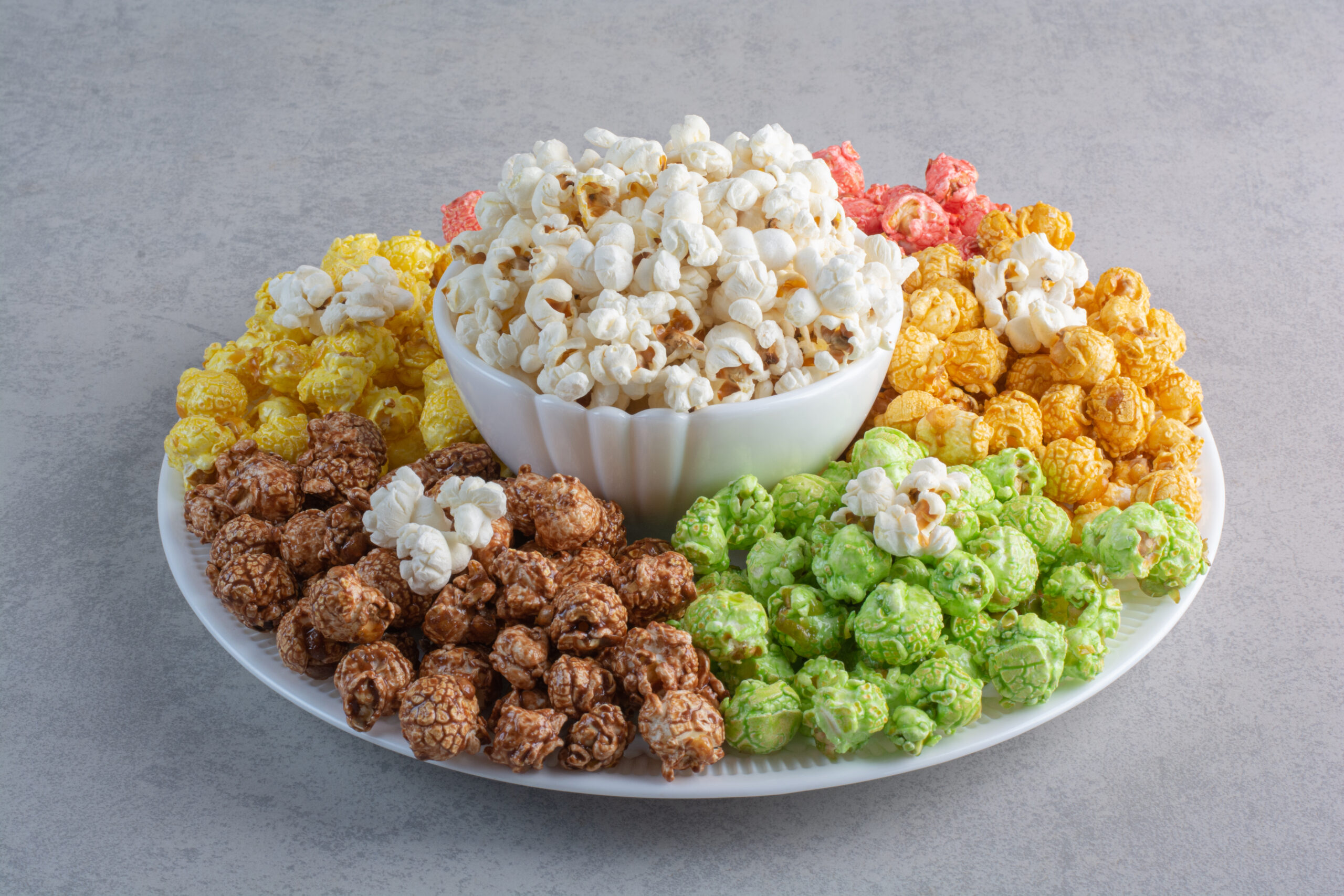
Image by Freepik
Popcorn Alternatives for a Healthier Crunch
If you love the ritual of snacking but want options that go beyond popcorn, there are some wholesome swaps that deliver flavor, crunch, and better nutrition — without the additives and excess oils common in packaged snacks.
Here are our top picks — each rooted in nutrient density and mindful eating.
One of India’s most underrated superfoods, makhana has been a part of our traditional diets for generations. Locally grown and supporting rural livelihoods, it perfectly fits into the vision of our Hon’ble Prime Minister Shri Narendra Modi ji — Make in India, Heal in India. Nutritionally, makhana is rich in magnesium, phosphorus, and plant-based protein, making it heart-friendly, good for bone health, and filling enough to prevent overeating. Light roasting on a dry pan or with just a teaspoon of ghee transforms it into a wholesome, travel-friendly snack.
Packed with plant protein and fibre, roasted chickpeas are a smart swap when you want something crunchy that also stabilises blood sugar. Their nutty flavor pairs well with Indian spices like cumin, turmeric, or paprika, and they provide slow-releasing energy that keeps hunger pangs in check.
Pumpkin, sunflower, and flax seeds may be tiny, but they are nutrient giants. Rich in healthy fats, zinc, magnesium, and antioxidants, they support hormonal balance, brain health, and immunity. Light toasting enhances their flavor, making them a satisfying handful for in-between meals.
- Homemade Vegetable Chips
Thinly sliced vegetables like sweet potato, beetroot, or zucchini roasted with minimal healthy fat provide a colourful, vitamin-rich alternative. Unlike packaged chips, these are free from preservatives and excessive sodium, offering crunch with real nourishment.
Nutrition Profile: Popcorn vs. Healthy Alternatives (per 100g)
| Snack | Calories (kcal) | Protein (g) | Fat (g) | Carbohydrates (g) | Fibre (g) | Key Nutrients |
| Air-popped Popcorn | 387 | 12.9 | 4.5 | 77.9 | 14.5 | Polyphenols, manganese |
| Makhana (Fox Nuts) | 347 | 9.7 | 0.1 | 76.9 | 14.5 | Magnesium, phosphorus, potassium |
| Roasted Chickpeas | 364 | 19.3 | 6.0 | 60.2 | 17.4 | Folate, iron, magnesium |
| Pumpkin Seeds | 559 | 30.2 | 49.0 | 10.7 | 6.0 | Zinc, magnesium, omega-3s |
| Sweet Potato Chips | 450* | 3.0 | 20.0* | 72.0* | 5.0 | Beta-carotene, vitamin C |
Final Word: Snacks Should Nourish, Not Just Fill
Popcorn can absolutely have its place in a balanced lifestyle — but like most foods, it’s the how and how much that makes the difference. When prepared mindfully, it can be a light, fibre-rich snack. When drowned in caramel, cheese, or synthetic flavouring, it quickly tips into a calorie trap with little to offer your health.
If you’re serious about long-term well-being, think beyond one snack. Rotate your choices — maybe it’s popcorn one day, makhana the next, or roasted chickpeas in the middle of a busy work week. By embracing nutrient-dense, minimally processed options, you’re not only managing your weight and energy better but also giving your body the raw materials it needs to function at its best.
Food is never just about taste or calories — it’s information for your cells. And when you choose wisely, you send your body the message to repair, strengthen, and thrive. Pair smart snacking with the other pillars of good health — movement, quality sleep, breath, emotional wellness, and self-connection — and you’ll see how even small changes can have a big impact.
If you’re looking to create a food plan that works for your body — one that supports weight management, fat loss, and long-term vitality without the extremes — our Wellness Program can help.
With over 14 years of experience and a team of experts, we create personalized nutrition and lifestyle plans that go beyond calorie counts to strengthen every pillar of your health.
Book your consultation today: Call us on 1800 102 0253 or email [email protected].
Disclaimer: This article is for educational purposes only and is not a substitute for medical advice, diagnosis, or treatment. Always consult a qualified healthcare provider before making significant changes to your diet or lifestyle, especially if you have existing health conditions or dietary restrictions.