
Before you scroll, answer these five questions:
|
Most people confidently say yes to the first four.
The fifth is where the answer quietly turns into a no, especially when it comes to consistency.
You’re doing everything right.
The turmeric latte in the morning.
The ginger tea at night.
Berries, flaxseeds, clean meals, and all the right anti-inflammatory foods fill your plate.
And yet, the inflammation markers don’t budge.
The joints still feel stiff.
You wake up tired and stay exhausted through the day.
It’s not because you’re doing the wrong things.
It’s because you’ve been given the right tools, but the engine was never switched on.
There’s no debate about the anti-inflammatory properties of foods like turmeric, ginger, berries, olive oil, and seeds.
Food provides instructions. But what decides whether those instructions are actually followed?
It is sleep.
Human beings are the only species that knowingly sacrifices sleep, despite it being the very process that keeps the body alive, balanced, and capable of repair. A cat sleeps close to 18 hours a day to function optimally. Other mammals rest for long, uninterrupted periods because their biology demands it.
Most adults, on the other hand, proudly say, “I sleep four hours and I’m fine.”
Yet their inflammation markers are rising.
Their hormones are dysregulated.
Their body is quietly paying the price.
Feeling ‘okay’ is not the same as being biologically well.
And inflammation is often the first place where that cost shows up.
We see this truth clearly at the very start of life. Newborns sleep for most of the day, not by chance, but by design. Sleep is essential for their rapid physical and mental development. During these long hours of rest, the brain grows, neural connections strengthen, memory pathways form, and the immune system is built from the ground up. Sleep is how infants learn, grow, and develop to their fullest potential.
Nothing changes about that requirement as we age, only our respect for it does.
Burning the midnight oil might sound really inspiring on paper and in some cases or phases of life especially academics, it might be so. But chronic sleep deprivation is not a badge of honor. Success cannot come at the cost of your health.
Inflammation Is Not Just a Food Problem
Most people approach inflammation the same way they approach cholesterol or weight, by fixing the plate first.
Nutrition matters, absolutely.
Inflammation is a repair imbalance, and food alone cannot correct that.
Inflammation is the body’s intelligent response to a perceived threat, like injury, infection, psychological stress, metabolic overload, or immune activation. In a healthy system, it rises, does its job, and then switches off. The challenge today is not inflammation itself, but the fact that resolution often never fully occurs.
So when people ask, can sleep reduce inflammation?
The answer is yes.
Decades of sleep and immunology research show that sleep reduces inflammation by regulating the systems that decide whether inflammatory signals persist or shut down.
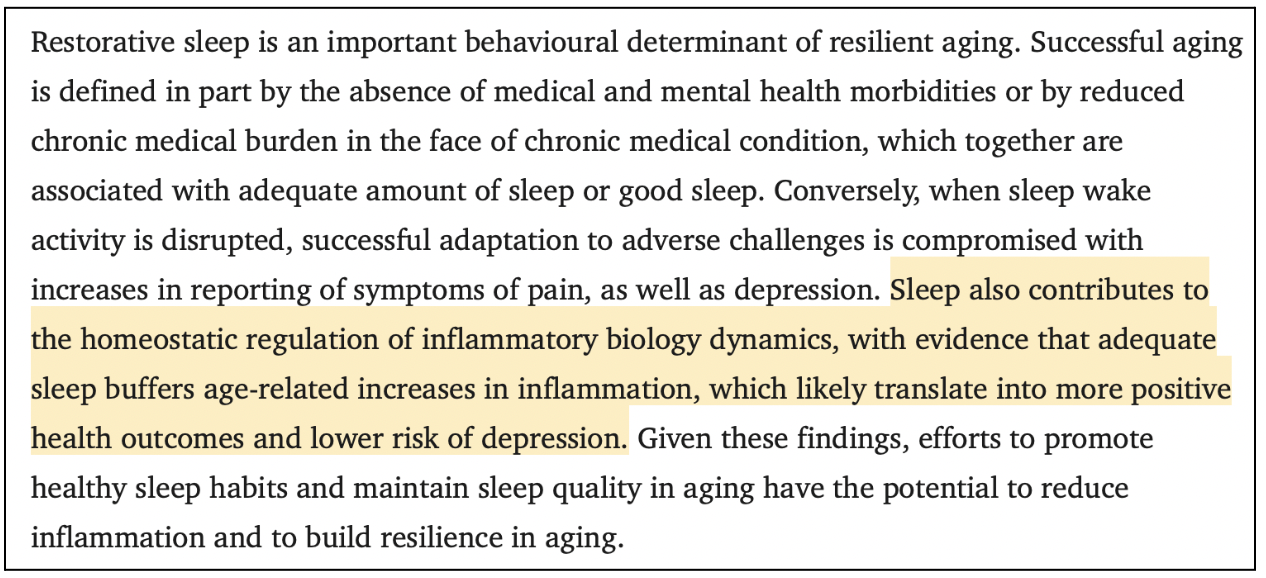
When sleep is disrupted or inconsistent, inflammatory pathways remain activated, even in people eating well.
During restorative sleep, immune balance is restored, stress hormones follow their natural rhythm, and the body finally gets the signal to repair. These processes cannot be fully accessed during waking hours, no matter how disciplined nutrition may be.
Sleep also regulates inflammatory markers in the bloodstream. When sleep is adequate and consistent, these markers move toward equilibrium.
Hormonal activity during sleep reinforces a repair environment. Growth hormone release supports tissue repair and metabolic balance, while insulin sensitivity improves overnight.

This is why modern medicine increasingly places sleep alongside nutrition and movement when discussing lifestyle changes for inflammation.
Food provides the building blocks. Sleep decides whether repair actually takes place.
Large population studies consistently show higher inflammatory markers in individuals with short or irregular sleep, independent of food quality. In simple terms, inflammation persists not because people are eating poorly, but because the biological window for repair is repeatedly missed.
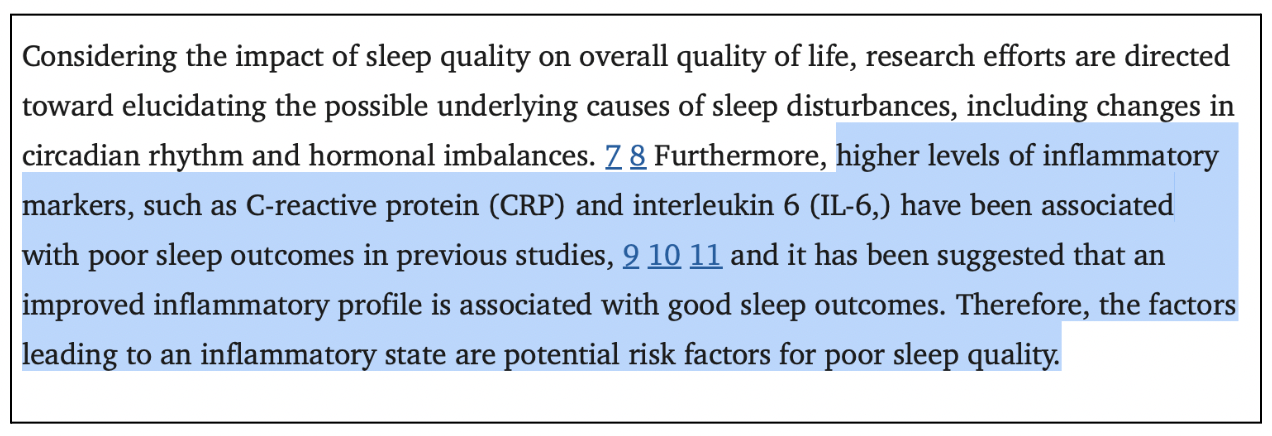
Why Inconsistent Sleep Keeps Inflammation Alive
Most people don’t struggle because they never sleep.
They struggle because their sleep has no rhythm.
One night it’s early.
Another night it’s very late.
The next night, somewhere in between.
From the outside, this looks harmless. Inside the body, it creates confusion.
The human body runs on internal clocks that regulate immune activity, hormone release, digestion, and cellular repair. These clocks rely on consistency. When sleep timing keeps shifting, the body never receives a clear signal to enter repair mode.
- Irregular sleep timing alters immune signaling even when total sleep duration appears adequate. In simple terms, the body may be asleep, but repair remains incomplete.
- Stress hormones are among the first systems affected. Instead of rising and falling predictably, they remain elevated later into the day, promoting low-grade inflammation and interfering with immune resolution. This is why timing matters just as much as duration when we ask whether sleep can reduce inflammation.
- Melatonin, another key player, is also disrupted by inconsistent sleep. Beyond helping us fall asleep, it plays a direct role in immune regulation and antioxidant defense. When its release becomes erratic, inflammatory pathways remain more active overnight.
- Immune timing follows the same pattern. Without predictable sleep, inflammatory signals stay elevated longer than they should, while repair signals are delayed. This is why sleep reduces inflammation only when sleep follows a regular rhythm.
Sleep Consistency Matters More Than Sleep Perfection
We’ve been conditioned to chase a number.
Eight hours.
Seven and a half if we’re being realistic.
When we don’t hit that number, we assume we’ve failed. But biology doesn’t work on perfection. It works on rhythm.
What matters most is sleep consistency and quality.
The body is designed to anticipate patterns. Just as fixed meal timings improve digestion and blood sugar regulation, fixed sleep and wake times at least 5 out of 7 days a week may improve inflammatory control. Regular sleep timing strengthens internal rhythms, allowing immune and metabolic processes to occur when they are meant to.
Deep Sleep, Not Just More Hours
Not all sleep is equal.
Deep sleep is the phase most closely linked with physical repair and immune regulation. During this stage, inflammatory signaling is actively regulated, tissues recover, and metabolic waste is cleared efficiently. This is why someone sleeping six hours with stable timing and deep sleep may recover better than someone sleeping eight hours with fragmented or irregular sleep.
Fragmented sleep repeatedly pulls the body out of repair mode. Even when total sleep time looks sufficient, inflammation remains elevated because repair cycles never fully complete.
Deep sleep is where:
- Cellular repair accelerates
- Hormonal balance stabilises
- Cleansing systems function efficiently
These processes depend on uninterrupted sleep cycles, not simply spending more time in bed.

Can the Sleep Hype of Gummies and Supplements Replace Real Rest?
Sleep has become a marketplace.
Magnesium gummies.
Melatonin sprays.
Herbal blends promising ‘deep sleep in 20 minutes.’
And it’s understandable. When sleep is poor, people want relief—fast.

But supplements don’t make you fall asleep. They can only support the conditions required for sleep.
Sleep is a neurological and hormonal process regulated by circadian rhythm, light exposure, nervous system balance, and timing. No gummy can override a dysregulated internal clock.
Do Sleep Supplements Work?
Some supplements can be helpful in specific situations, but they are not universal solutions. Additionally, never self-prescribe as it can be more harmful than good. Always consult with your qualified doctor before trying anything new.
- Melatonin may help shift sleep timing in cases of jet lag, shift work, or delayed sleep phase syndrome. However, long-term or high-dose use can blunt the body’s natural melatonin production and disrupt circadian signaling.
- Magnesium may support relaxation in individuals with deficiency or high stress, but it does not fix inconsistent sleep schedules or late-night stimulation.
- Herbal compounds such as chamomile may promote relaxation, but their effects are mild and highly individual.
Supplements may improve sleep onset slightly, but they do not restore sleep architecture, deep sleep quality, or circadian alignment when lifestyle factors remain unaddressed.
Who Should Be Cautious With Sleep Supplements?
Sleep aids, especially over-the-counter melatonin, are often perceived as harmless. They are not risk-free.
Extra caution is needed for:
- Children and adolescents, whose circadian systems are still developing
- Individuals with autoimmune conditions or hormonal imbalances
- People experiencing anxiety, depression, or mood disorders
- Those already on psychiatric, blood pressure, or hormonal medications
In these cases, unsupervised supplementation can worsen sleep timing, mood stability, or hormonal regulation.
More is not better. And long-term self-prescription often masks the real issue rather than correcting it.
Struggling with poor sleep and chronic inflammation?
👉 Learn how to address the root cause in our course
When Is It Time to See a Doctor?
Supplements should never be the first step when sleep is chronically disturbed.
Medical evaluation is important if:
- Sleep problems persist beyond 3–4 weeks despite good sleep hygiene
- There is frequent night waking, gasping, or snoring
- Daytime fatigue is severe despite adequate sleep opportunity
- Sleep issues are accompanied by mood changes, memory problems, or weight gain
In such cases, sleep disorders such as insomnia, sleep apnea, restless leg syndrome, or circadian rhythm disorders need to be ruled out. Prescription support may be necessary, not to sedate, but to stabilise sleep while underlying causes are addressed.
A qualified physician can determine whether short-term medication, cognitive behavioural therapy for insomnia (CBT-I), or targeted treatment is appropriate.
Remember, no supplement can compensate for:
- Inconsistent sleep timing
- Excessive nighttime stimulation
- Chronic stress without nervous system recovery
- Ignoring morning light and daily rhythm
Sleep does not respond to shortcuts. Supplements may support the process when used thoughtfully and temporarily. But the foundation remains rhythm, timing, and consistency.
The Most Common Sleep Mistakes
Most people don’t sabotage their sleep intentionally. They do it unknowingly, through habits that feel harmless but quietly disrupt the body’s repair systems. When these mistakes repeat night after night, inflammation doesn’t get the signal to switch off, no matter how clean they eat.
Here are the most common sleep mistakes to watch out for:
- Chasing hours instead of rhythm: Going to bed at wildly different times and trying to ‘make up’ sleep later confuses the circadian clock. The body values predictability far more than occasional long nights.
- Late-night screen exposure: Phones, TVs, and laptops emit blue light that suppresses melatonin release. When melatonin drops, not only does sleep quality suffer, but the body also loses a powerful antioxidant and immune-regulating signal.
- Heavy or late dinners: Eating close to bedtime keeps digestion active when the body should be repairing. This delays deep sleep and can increase nighttime inflammation and blood sugar instability.
- Using alcohol as a sleep aid: Alcohol may help you fall asleep faster, but it fragments deep sleep and REM cycles, leaving the body less restored and more inflamed the next day.
- Over-reliance on sleep supplements or gummies: Supplements can support sleep, but they cannot replace rhythm. Masking poor sleep habits with pills often delays addressing the real issue, timing and consistency.
- Irregular weekends: Drastic shifts in sleep timing between weekdays and weekends create ‘social jet lag,’ disrupting hormonal and immune rhythms that regulate inflammation.
- Ignoring morning light exposure: Skipping natural light in the morning weakens circadian alignment, making it harder to fall asleep at night and complete restorative sleep cycles.
- Stimulating the nervous system late at night: Intense workouts, emotionally charged conversations, or stressful work close to bedtime keep the nervous system in fight-or-flight mode instead of repair mode.
- Sleeping in a bright, noisy, or warm environment: Light leaks, noise, or excess heat prevent the brain from entering and sustaining deep sleep, where inflammation resolution actually happens.
Lifestyle Changes To Reset Your Body’s Clock
The most effective reset begins with alignment.
Here is what you can start with:
- A fixed bedtime and wake time (even if total sleep hours are not perfect): It will help to stabilize sleep timing and improve inflammatory regulation independent of sleep duration.
- Regular meal timings: Peripheral clocks in the liver and gut respond strongly to feeding schedules. Irregular eating patterns increase inflammatory markers, even with calorie control.
- Predictable fasting windows, if fasting is practiced: Consistency matters more than duration. Aligned feeding–fasting cycles support immune balance and metabolic repair.
- Morning light exposure: Natural light anchors the central circadian clock, improving cortisol rhythm and melatonin onset later at night. This timing directly influences inflammatory control.
- Reduced stimulation late at night: Lower evening light and mental stimulation protect melatonin release.
Together, these habits create an internal environment where the body starts to repair itself.
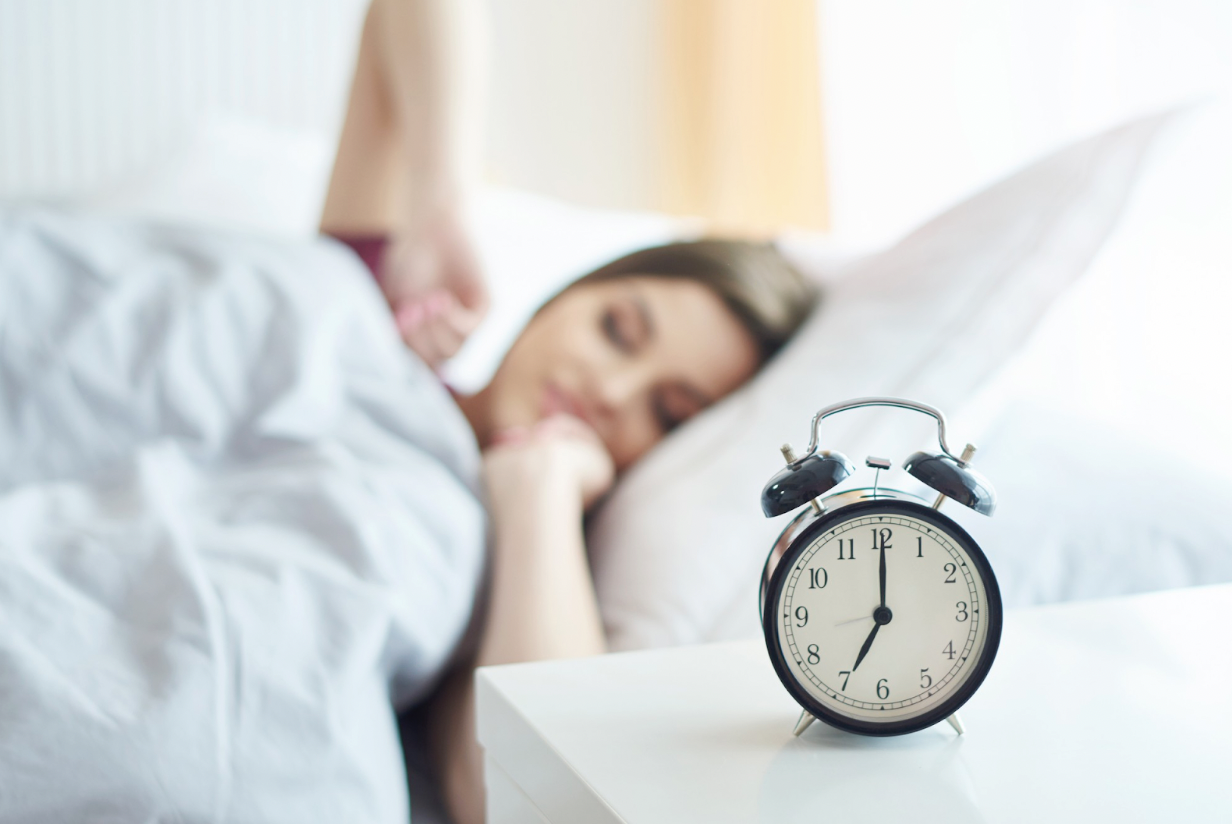
Reset Your Sleep in 7 Days
This 7-day sleep reset plan is designed to guide your body back into rhythm.
| Day | Focus | Morning | Afternoon | Evening/Night |
| Day 1 | Create the Ideal Sleep Environment | Expose yourself to sunlight for 15 min | Limit caffeine intake after 2 PM |
|
| Day 2 | Fix Sleep-Wake Timing | Wake at same time, morning sunlight | Short walk or light movement |
|
| Day 3 | Nutrition & Eating Habits | Light breakfast with protein + healthy fats | Avoid caffeine; balanced lunch |
|
| Day 4 | Digital Detox & Mindful Relaxation | Morning sunlight | Short walk or stretch |
|
| Day 5 | Reinforce Circadian Rhythm | Wake & expose to sunlight at same time | Avoid long naps >30 min; balanced lunch |
|
| Day 6 | Mindful Evening Routine | Morning sunlight | Short movement session |
|
| Day 7 | Reflection & Adjustment | Note how rested you feel | Evaluate routine, adjust timing or evening habits |
|
Quick Tips
- Consistency > Perfection: Your body responds to patterns, not perfect hours.
- Rhythm first: Deep sleep, not just time in bed, drives repair and reduces inflammation.
- Support with food: Anti-inflammatory foods like turmeric, berries, flaxseeds, and omega-3s work best when sleep aligns.
- Gentle wins: Even small daily adjustments compound over time for measurable improvements in sleep quality and overall health.
Bringing It All Together
Turmeric is powerful.
Ginger is helpful.
Berries are protective.
Their value as anti-inflammatory foods is real and well-supported by science.
But sleep is not optional. It is an important foundation.
Be educated, not influenced.
If this hits home, don’t just read, experience it here: The One Habit That Transformed My Sleep Forever 😴 #BetterSleep #SleepTips
You can read our ebook titled The New Way of Living – Circadian Rhythm for FREE. It is designed to help you translate these principles into everyday life, sleep timing, eating windows, light exposure, and recovery, without overwhelm.
Disclaimer: The content in this blog is intended for educational and informational purposes only. It is NOT a substitute for professional medical advice, diagnosis, or treatment. Always consult a qualified healthcare provider for guidance tailored to your individual health needs, especially if you have chronic conditions, are on medication, or experience persistent symptoms. Individual results may vary, and consistency is key. This blog does not promote instant fixes or guarantees.
Want personalized guidance on sleep related issues?
We help you find a way.
Set up a one-on-one consultation with our team or explore our Wellness Programs to optimize your lifestyle goals.
Reach out to us at 1800 102 0253 or write to us at consults@lukecoutinho.com.

Start Your Wellness Journey
Feeling inspired to take the next step in your wellness journey? Connect with us to explore how our tailored programs can support your health journey. Your transformation is just a conversation away.