No products in the cart.
Melatonin for sleep is everywhere today: gummies, sprays, dissolvable tablets, even cute “sleepy-time” candies for kids. It’s being marketed as the quick, harmless shortcut to deeper sleep, faster sleep, and stress-free nights.
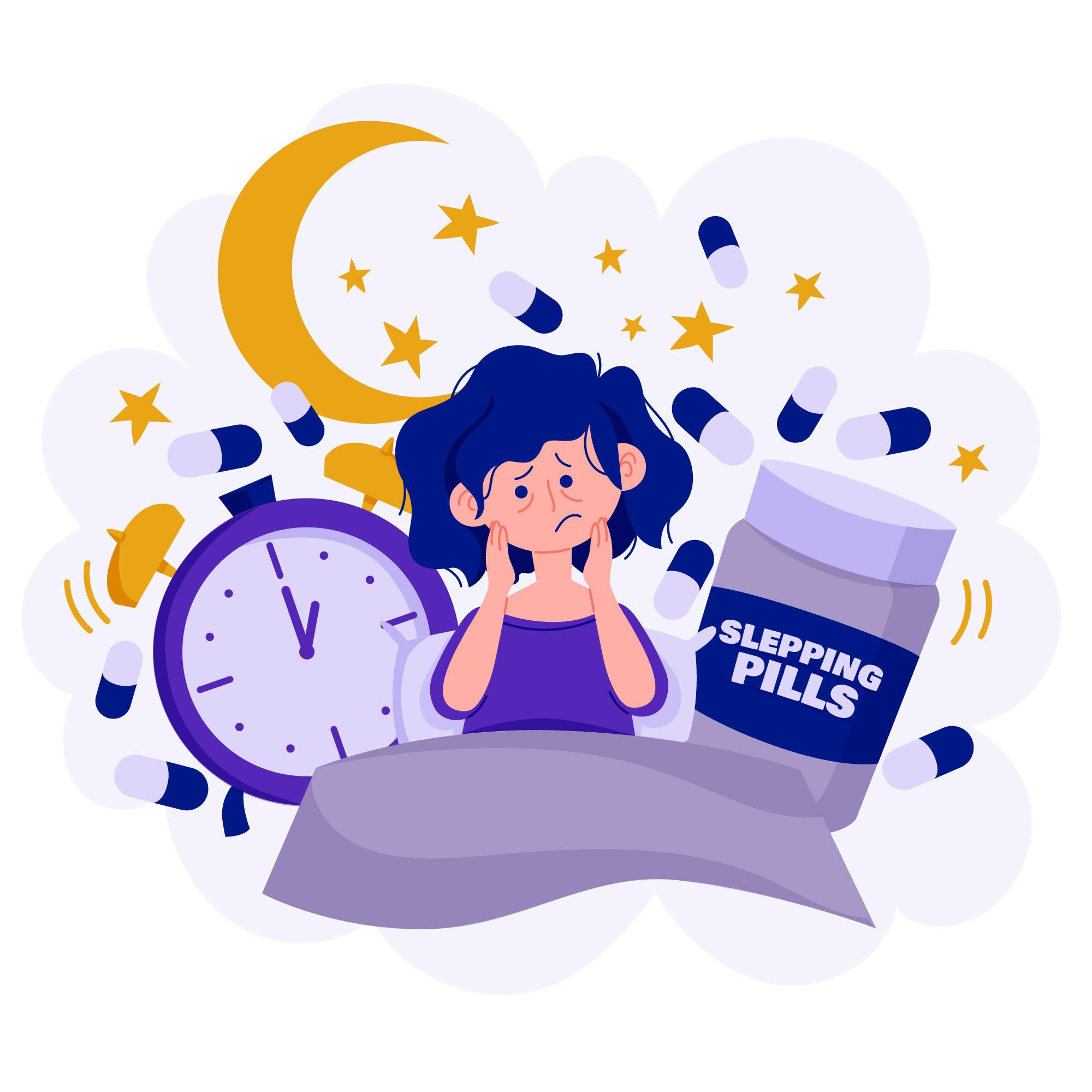
Image Credits: Freepik
And yes, melatonin does have real benefits. But before we blindly trust what’s being sold to us, we need to pause and understand what’s actually happening.
Because the truth is this: The science around melatonin is changing faster than ever.
Some of it is excellent. Some of it isn’t very objective. And in a world where supplement companies can pour money into guiding the outcomes of research, we need to be more aware than ever.
This isn’t about fear, it’s about awareness.
We’ll dive deeper into the real melatonin benefits, the safe melatonin dosage, who should truly be using it, the melatonin side effects you’re not hearing enough about, and powerful sleep natural remedies that can help you restore your circadian rhythm, without relying on pills.
Let’s understand melatonin the right way:
Not as a magic sleep pill, but as a tool, one that must be used wisely, consciously, and only when truly needed.
When Science Gets Influenced: The Truth Behind Supplement Marketing
First, let’s understand something very important, because this applies not only to melatonin, but to almost every supplement on the market today.
Science can be influenced.
Research can be guided.
Outcomes can be ‘designed’ to look favorable.
This isn’t a conspiracy, it’s reality.
Supplement companies aren’t just making products…
- They’re funding studies, sponsoring experts, shaping narratives, and deciding which findings reach the public.
- They highlight the benefits, amplify them through marketing, and then quietly bury the concerns that don’t support sales.
And melatonin is no exception.
When you see glowing claims like “Improves sleep by 50%!” or “Perfectly safe for kids!” — you must pause. Because behind those statements, there might be studies designed with small sample sizes, limited durations, or selective reporting.
Research done today isn’t the absolute truth, it’s only the truth based on the data available right now. And the moment new, unbiased research emerges, everything can flip.
Newer studies are already questioning:
- Long-term use
- Effects on heart patients
- Disruption of deep sleep
- Hormonal imbalance
- High-dose dependency
So yes, melatonin has its pros, and we’ll talk about them. But it also has cons. Like everything in the world.
When you separate real science from influenced science, you begin to see melatonin for what it truly is: a powerful hormone, not a casual sleep gummy.
Melatonin Benefits: What Is Melatonin and How Does It Actually Work?
Before we even talk about supplements, let’s understand what melatonin truly is, beyond the marketing, beyond the hype.
Melatonin is a natural hormone produced by your pineal gland, and it plays one primary role:
It tells your body when it’s time to wind down.
That’s it.

Image Credits: Freepik
It’s not a sedative. It’s not a tranquillizer. It’s a signal, not a sleeping pill.
Your melatonin levels depend heavily on your lifestyle:
- Your exposure to natural light in the morning
- Your exposure to blue light at night
- Your stress levels
- Your circadian rhythm alignment
- Your meal timings and nighttime routine
When these are out of sync, melatonin production drops, and your sleep suffers.
Is Melatonin Safe? Yes, But Only at the Right Dose
Melatonin can be helpful. We’ve recommended it in very specific cases for jet lag, shift workers, or medically diagnosed insomnia.
But here’s the truth no supplement company will tell you:
Safety depends entirely on the dose.
New research is now raising concerns, especially for heart patients. Some long-term, high-dose melatonin use may interfere with cardiovascular function and blood pressure regulation.
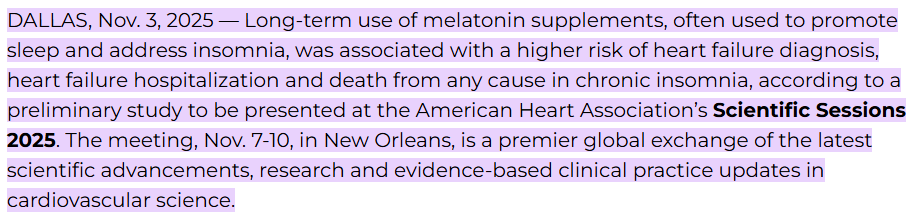
Source: American Heart Association Scientific Sessions 2025, Abstract MP2306. Long-term use of melatonin supplements to support sleep may have negative health effects. Published: November 03, 2025.
If you’re on blood thinners, BP meds, or have a cardiac history, please speak to your cardiologist before touching melatonin.
Melatonin is a hormone. Not a multivitamin. Not a “natural sleeping pill.”
Please treat it with the respect it deserves.
Your Brain Makes Less Than 1 mg, So Why Are We Taking 5–10 mg?
Your pineal gland naturally produces only 0.3–0.9 mg of melatonin at night.
Now look at what the market is selling:
- 1 mg
- 3 mg
- 5 mg
- 10 mg gummies for kids
When melatonin first became mainstream, 1–3 mg was the upper limit. Today, brands push 5 mg and 10 mg because higher doses create:
- Stronger knockout effect
- Psychological dependency
- Repeat purchases
If your body naturally makes less than 1 mg, why overwhelm it with ten times the amount?
This is why we always remind people: don’t confuse “more” for “better.”
Why High-Dose Melatonin Can Backfire
Yes, high-dose melatonin helps you fall asleep faster — but here’s the catch:
You fall asleep…but you don’t heal.
Excessive doses can:
- Reduce slow-wave (deep) sleep, the phase responsible for repair, cleansing, growth hormone release, immunity, and cellular recovery.
- Slightly increase REM by 1–2%, which means nothing if deep sleep is compromised.
- Leave you groggy, foggy, and irritable the next morning.
- Disrupt your circadian rhythm, especially when taken late at night.
And taking melatonin at 1 or 2 AM?
That’s the fastest way to damage your sleep-wake cycle instead of fixing it.
This is exactly why so many people say,
“Melatonin helps me sleep, but I feel exhausted the next day.”
The RIGHT Way to Use Melatonin (If You Need It at All)
If you genuinely need melatonin for sleep, or you’ve been medically advised, here’s how to use it correctly to get the benefits without the side effects.
- Ideal timing: 2.5–3 hours before midnight
- Ideal dose: 1 mg or 2 mg (max 3 mg for short-term use)
Use melatonin only in situations where the circadian rhythm is truly disrupted, such as:
- Long flights/jet lag
- Shift work
- Cancer patients travelling for treatment
- Chemo-related anxiety and sleeplessness
- Certain neurological conditions (under supervision)
Never take melatonin continuously. Never take it because you’re “stressed” or “tired.” Never take it as a casual natural sleeping pill.
Your body already knows how to sleep. We just need to support it, not override it.
Melatonin Side Effects: The Hidden Impact on Deep Sleep & Next-Day Energy
Most people take melatonin for sleep, thinking it will “knock them out” and solve their insomnia.
But here’s what we want you to truly understand:
Falling asleep is NOT the same as getting restorative sleep. And this is where high-dose melatonin begins to quietly damage your sleep architecture.
Image Credits: Freepik
It Reduces Slow-Wave (Deep) Sleep, Where Real Healing Happens
Deep sleep is the single most important phase of sleep. This is where your body:
- Repairs muscles
- Consolidates memory
- Reduces inflammation
- Performs cellular clean-up
- Strengthens immunity
Now here’s the concerning part:
High-dose melatonin reduces slow-wave sleep.
So yes, you may fall asleep faster, but you wake up feeling unrefreshed, because your deep sleep was compromised.
It Slightly Increases REM — But Not Enough to Matter
Many brands highlight that melatonin enhances REM sleep. True, but only by 1–2%, which is not physiologically meaningful.
- Improved REM means nothing if deep sleep, the powerhouse of recovery, is going down.
The Next-Day Crash Is Real
If you’ve ever felt the “melatonin hangover,” you know what I’m talking about.
Common melatonin side effects include:
- Morning grogginess
- Feeling like a zombie
- Headaches
- Vivid, intense dreams
- Confusion or fogginess
- Daytime fatigue despite “sleeping”
- Your brain feels sedated, not rested
Drug Interactions You Should Not Ignore
Melatonin is a hormone that will interact with certain medications. Especially:
- Blood pressure medications
- Heart medications
- Blood thinners
- Sedatives
- Antidepressants
This is why we always advise:
If you’re a heart patient, do NOT take melatonin without speaking to your cardiologist.
Misusing Melatonin Worsens Circadian Rhythm
Taking melatonin at the wrong time, especially close to 1–2 AM, disrupts your natural melatonin curve and confuses your internal clock.
Instead of correcting your rhythm, melatonin starts hijacking it.
When Children Take Melatonin, the Risk Is Bigger
This is the part that truly concerns me.
Today, we see parents handing out melatonin gummies to kids as casually as candy. It may help them fall asleep, but it does not help them sleep well, and the long-term risks are far more serious for a developing brain.
Children are not small adults. Their brains, hormones, circadian rhythms, and nervous systems are still forming.
Kids depend heavily on deep sleep and REM to build learning pathways, improve immunity, and regulate mood. When we override this with a pill or gummy, we interfere with the very systems that help them grow.
These gummies are still candy. They often come packed with sugar, flavors, colors, and additives that further disrupt sleep and blood sugar stability, especially at night.
So now it’s not just melatonin affecting them, it’s sugar too.
But here’s the bigger problem:
- Gummies don’t teach children how to sleep.
- They create dependency.
Children need skills, not supplements.
And unless medically advised, children should never be placed on melatonin as a behavioral sleep fix.
Fix the Root, Not the Symptom: Build Natural Sleep Cycles
You cannot outsource your circadian rhythm to a pill, not even melatonin.
Yes, melatonin benefits exist. But if you’re struggling with melatonin for insomnia, melatonin dosage confusion, or melatonin side effects, the real issue isn’t the hormone.
The real issue is the lifestyle that is suppressing your body’s natural sleep rhythm.
Your sleep–wake cycle is a biological masterpiece. When you realign it, sleep becomes effortless. When you fight it, no supplement, natural or otherwise, can save you.
This is why we always encourage people to rebuild sleep from the inside out, not from the bottle down.

Image Credits: Freepik
Natural Sleep Remedies: How to Improve Sleep Without Relying on Pills
Instead of jumping straight to melatonin for sleep, consider safer, long-term alternatives that work with your biology, not against it.
Safer natural supports include:
- Magnesium glycinate: Helps calm the nervous system. Found in pumpkin seeds, spinach, almonds, and cashews.
- Glycine: Supports deeper, restorative sleep. Found in bone broth, chicken, and fish.
- Inositol: Great for anxiety-driven insomnia. Found in citrus fruits, beans, and whole grains.
- L-theanine: Reduces mental chatter and helps wind down. Found in green tea and matcha.
They gently help the body relax — without the dependency, dosage issues, or melatonin side effects many people struggle with.
The Sleep Habits That Matter More Than Any Supplement
If you truly want to fix melatonin for insomnia, improve natural melatonin production, and avoid unnecessary melatonin dosage increases, here are the sleep habits that work every single time:
- Consistent timing: Sleep and wake at the same time 5–6 days a week, this alone resets 70% of your circadian rhythm.
- Darkness: Use a pitch-dark room or a good sleep mask. Darkness = melatonin activation.
- Screen cutoff: Stop screens 30–60 minutes before bed. Blue light is a melatonin killer.
- Calm the mind before bed: Choose one or two:
- Yoga Nidra
- Gentle meditation
- Soft music
- Deep breathing
- Light reading
- Gratitude journaling
- Make a to-do list: This simple habit reduces overthinking and settles the prefrontal cortex before sleep.
- Focus on emotional regulation: Most insomnia isn’t physical, it’s emotional. Address the stress, the trauma, the unresolved thoughts.
The goal is to teach your body how to sleep again.
Here’s a quick hack to sleep like a baby!
The Circadian Rhythm Reset Method
This is one of the most powerful sleep techniques we teach: simple, science-backed, and unbelievably effective when done with discipline. If your sleep cycle is broken, this is how you reset it without relying on melatonin, pills, or shortcuts.
Your brain only needs 3–5 days of consistency to rebuild its natural melatonin curve. Here’s exactly how to do it:
| Step | What You Do | Why It Works |
| 1. Fix Your Bedtime | Choose a set time (e.g., 10 PM) and lie down at the same time every night. | Trains your brain to release melatonin at a predictable hour. |
| 2. Don’t Worry If You Don’t Fall Asleep | Even if you fall asleep at 11 PM, midnight, or later, stay consistent with your bedtime. | Your circadian rhythm adjusts based on routine, not perfection. |
| 3. Fix Your Wake-Up Time | Wake up at the same time (e.g., 6 AM) no matter what — even after a poor night’s sleep. | Builds sleep pressure and teaches the body when morning truly begins. |
| 4. No Naps | Avoid daytime naps completely for 3–5 days. | Forces your internal clock to consolidate all sleep into the night. |
| 5. Let Sleep Pressure Build | You’ll feel sleepy earlier by day 2–3. | Sleep pressure resets your natural drive to sleep. |
| 6. Rhythm Resets by Day 3–5 | Stay consistent for 3–5 days. | Your circadian rhythm realigns and melatonin starts releasing naturally. |
Why This Method Works So Beautifully
Your body is designed for rhythm. When you give it a predictable schedule, your natural melatonin curve rebuilds itself. This method helps:
- Reduce dependency on supplements
- Fix insomnia naturally
- Improve deep and REM sleep
- Stabilize energy through the day
- Strengthen mood and emotional balance
This is the foundation of healthy sleep: gentle, effective, and sustainable.
To learn more about the practical steps for syncing with the circadian rhythm, enroll in our online educational course:
👉 Circadian Rhythm: A New Way of Living Beyond Medicine.
Melatonin Is a Crutch, Not a Lifestyle
At the end of the day, melatonin is not the enemy — misuse is.
Just because something is “nature-based” doesn’t mean it’s safe to use without guidance.
Even natural hormones can disrupt the system when taken in the wrong dose or for too long.
Here’s the truth I want you to hold on to:
- Melatonin benefits are real — but so are melatonin side effects.
- It can help you fall asleep — but it cannot fix your deep sleep.
- It can support you temporarily — but it cannot replace a healthy circadian rhythm.
Your goal should never be to depend on a pill for sleep. Your goal should be to help your body remember how to sleep.
Also Watch This:
Frequently Asked Questions
What is melatonin, and how does it help with sleep?
Melatonin is a natural hormone made by the pineal gland that signals your body it’s time to sleep. It regulates circadian rhythm but doesn’t create deep, restorative sleep by itself. Light exposure, stress, and lifestyle strongly influence your natural melatonin levels and overall sleep quality.
Who should use melatonin for sleep issues?
Melatonin is helpful only in specific cases: jet lag, shift work, medically diagnosed insomnia, or cancer patients traveling for treatment. It should be short-term and ideally prescribed. It’s not meant for daily use, stress-related sleeplessness, or children. Most people benefit more from fixing their lifestyle and sleep hygiene.
How much melatonin is safe to take daily?
The body naturally makes just 0.3–0.9 mg, so safe supplementation usually stays around 1–2 mg, max 3 mg for short-term needs. Higher doses like 5–10 mg can disrupt circadian rhythm, reduce deep sleep, and cause next-day grogginess. Always take it under medical guidance.
What are the common side effects of melatonin?
Common side effects include morning grogginess, headaches, vivid dreams, nausea, and confusion. High doses can reduce deep sleep, disrupt circadian rhythm, and interact with heart or blood pressure medications. Long-term use, especially without supervision, increases risks significantly. Children are more vulnerable to adverse effects.
Are there natural alternatives to improve sleep without pills?
Yes, lifestyle works better than any supplement. Fix sleep and wake timings, reduce screens before bed, use a dark room, calm the mind with yoga nidra or breathwork, and manage stress. Natural supports like magnesium glycinate, glycine, inositol, and L-theanine can help without dependency.
Disclaimer: This blog is for educational and informational purposes only and is not a substitute for professional medical advice, diagnosis, or treatment. Always seek the advice of your physician or qualified healthcare provider with any questions you may have regarding a medical condition or sleep disorder.
If you’re struggling with sleep issues, don’t wait.
Set up a one-on-one consultation with our team or explore our Wellness Programs to optimize your sleep.
Reach out to us at 1800 102 0253 or write to us at [email protected].