
When was the last time you laughed so hard with a friend that all your stress seemed to melt away? Think about that moment—it probably didn’t involve a supplement, a gym session, or a fancy diet plan. It was just the power of connection.

The importance of friendship in our lives cannot be underestimated.
Science has repeatedly shown that strong, meaningful social bonds reduce stress, enhance resilience, and even increase longevity. From lowering anxiety to priming our immune system, the advantages of friendship extend far beyond simply having someone to talk to; they are deeply intertwined with our emotional and physical well-being.
In my years of practice, I’ve often said: True wellness is not just about nutrition, exercise, or sleep. It’s also about relationships.
Human connection is medicine for the mind, body, and soul. When we consciously prioritize spending time with friends, we don’t just feel happier, we build stronger mental and emotional foundations that support every other aspect of our health.
Let’s walk through why friendships are so powerful, the real benefits for mental health, and simple, practical ways to nurture and deepen these bonds, even in our busy lives.
The Importance of Friendship
If there’s one thing I’ve seen over and over again in my work, it’s this: no matter how disciplined you are with food, exercise, or sleep, if you feel lonely or disconnected, your health will eventually suffer.
That’s the importance of friendship—it gives us something that no supplement, no medication, and no fitness routine can provide: a sense of belonging, meaning, and emotional support.
Friends are our safe space.
- They are the ones we turn to when life feels heavy, when we need perspective, or when we simply want to share a moment of joy.
- Just knowing that someone truly ‘gets you’ can buffer stress, reduce anxiety, and lift your mood in ways nothing else can.
Now, let me be clear—it’s not about how many friends you have.
- Quality always matters more than quantity.
- You could have hundreds of contacts in your phone, but if you don’t have even two or three people you can truly rely on, it won’t make a difference.
- A few close, authentic relationships are far more powerful than dozens of superficial ones.
Now, let’s zoom out to the bigger picture. There’s a well-researched concept called Dunbar’s number or the circles of friendship. It suggests that while we may know hundreds of people, our brains are wired to maintain meaningful relationships in layers:
- 5 closest friends or family – your inner circle, the ones you share everything with.
- 15 good friends – people you trust, spend time with, and lean on.
- 50 social friends – regular connections like colleagues, neighbors, or extended family.
- 150 acquaintances – people you know but may not be close to.

Here’s the key insight: the deepest friendship advantages for mental health come from those inner circles—the 5 to 15 people you can truly be yourself with. They’re the ones most likely to reduce stress and give you the strength to face life’s challenges.
But like all areas of health, friendships too need care. Early signs that a bond needs attention can show up as:
- Inconsistent communication
- One-sided effort
- Feelings of comparison
- Quiet resentment
If you notice these, it doesn’t always mean the friendship is over—it might just mean it’s time for a conscious conversation, some space, or new boundaries.
I often remind people that mindful living is not just about eating slowly or breathing deeply—it’s also about how we show up in our relationships.
One of the most touching learnings I took from my podcast with Dr. Jonathan Fisher, a distinguished cardiologist, was his reflection on the importance of friendship. He shared:
“What I’ve learned over the last month, I think what I’m focusing on now is friendship. Friendship. You know, it sounds strange.
But I really, as I’m getting older and as I’m seeing life change, there’s nothing more important than finding friends with whom we feel comfortable enough sharing our true selves and who provide us with a sense of belonging. And I think that not just those of us who are, let’s say, caring for children or caring for a loved one who’s sick, but also remembering that we have to be friends to ourselves. We also want to have at least one good friend with whom we can share life’s burdens but also joys.”
Friendship Advantages for Mental Health
When we look at health, we often measure it in terms of nutrition, fitness, or sleep. But what about the importance of friendship? Time and again, research proves that our social bonds directly influence how well we cope, how strong we feel, and even how long we live.
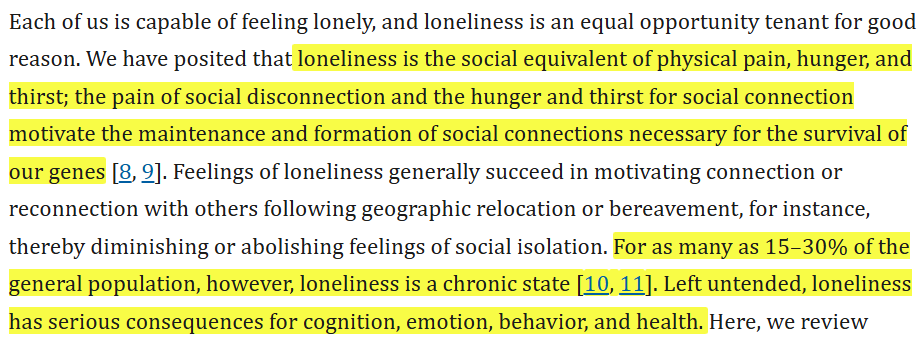
Studies show that loneliness isn’t just an emotion; it has a physiological impact.
- It raises stress hormones, disrupts sleep, increases inflammation, and weakens immunity.
- On the other hand, strong friendships can literally rewire the brain and body toward healing. That’s how powerful human connection is.
One of the most fascinating areas of research is around β-endorphins, neurotransmitters in our brain that are part of the body’s natural opioid system.
Now, don’t confuse this with artificial opioids—these are your body’s own ‘feel-good’ chemicals. They are far more powerful than morphine in their ability to reduce pain and stress, and they play a huge role in the reward we feel from spending time with friends.
Here’s what happens when you connect with a close friend:
- Your brain releases β-endorphins, which calm down your stress response (the hypothalamic-pituitary-adrenal axis).
- You feel safe, supported, and relaxed—almost like a natural painkiller and mood enhancer rolled into one.
- These endorphins create a sense of warmth, trust, and belonging, which is why even a hug, laughter, or shared meal can instantly shift your mood.
This is why isolation hurts so deeply—it’s not just emotional pain, it’s the absence of these powerful chemicals that keep our brain and body in balance.
Here are some key friendship advantages that directly improve mental health and resilience:
- Reduces loneliness and depression: Having friends to talk to buffers against isolation and lowers the risk of mood disorders.
- Builds emotional resilience: Supportive friends help us bounce back faster during setbacks, grief, or life changes.
- Improves self-worth: True friends remind us of our strengths and help us see our value when we forget it ourselves.
- Encourages healthy behaviors: Friends often nudge us toward exercise, better eating, and timely health check-ups—subtle but powerful influences.
- Creates joy and motivation: Shared laughter, hobbies, and accountability bring a sense of purpose and excitement to daily life.
From my experience working with clients, I’ve noticed that those who had a supportive friend or community by their side found it easier to embrace lifestyle changes.
- Whether it was quitting sugar, sticking to a workout, or managing stress, spending time with friends made the journey lighter and more sustainable.
And here’s a different perspective I often talk about: Friendships are also mirrors.
- The people we surround ourselves with reflect to us the energy we give.
- If your circle uplifts you, you rise.
- If your circle drains you, your growth slows down.
- Choosing the right friendships is just as important as nurturing them.
So, when you think about the benefits for mental health, remember this: it’s not just about preventing loneliness. It’s about creating a support system that strengthens your mind, body, and spirit every single day.
Spending Time with Friends—What Actually Helps
A lot of people tell me, “Luke, I know the importance of friendship, but I’m just too busy. Between work, family, and commitments, I don’t have the time.”
And I always remind them—it’s not about how much time you have, but how you use it.

Friendships don’t thrive on intensity; they thrive on consistency.
Even small, regular interactions can release those powerful β-endorphins we spoke about earlier—chemicals that lower stress, improve mood, and strengthen social bonds. That means you don’t always need long meet-ups or grand plans.
Sometimes a quick check-in or shared laugh is enough to remind your brain: I belong, I’m supported.
Here are some simple, intentional ways you can make spending time with friends more meaningful:
- Routine touchpoints: Schedule weekly walks, tea sessions, or a workout together. Rituals make connection effortless.
- Micro-connections: Send a voice note, make a 5-minute call, or meet for a quick coffee. Small actions have a big impact.
- Shared hobbies: Join a book club, cooking class, or hobby group with friends—learning together strengthens bonds.
- Digital done right: Use digital apps or social media to coordinate and support, but don’t let endless scrolling replace real conversations. Set intentional times for online connection.
- Accountability buddies: Whether it’s fitness, meditation, or healthy eating, friends make lifestyle changes easier—and sustainable.
Think about it. A walk with a friend is not just movement for the body—it’s therapy for the mind. A quick call is not just a chat—it’s stress relief in disguise. When we build these little practices into our lives, friendships stop being something ‘extra’ and become part of our everyday wellness routine.
So, the next time you feel overwhelmed, don’t just reach for coffee or your phone. Reach out to a friend. That small connection may be exactly what your mind and body need.
Building and Keeping Friendships as Adults
I get it. As adults, life gets busy—work, family, responsibilities, deadlines. But here’s the truth: the busier life gets, the more we need friendships.
Why? Because the importance of friendship grows as stress and responsibilities increase. Friends become our anchors, reminding us of who we are outside of our roles and routines.
Remember how easy it was as kids? You’d meet someone on the playground, share a swing or a cricket bat, and within minutes you were ‘best friends.’
As adults, that innocence fades. Now we carry fears of rejection, old wounds, and the illusion that everyone else already has their circle figured out.
That’s why building friendships in adulthood requires intention and courage. It means being willing to step out of your comfort zone, to start conversations, to show vulnerability.
So how do we actually build and keep friendships as adults? Let me share some simple but powerful practices:
- Be the initiator: Don’t wait for others to reach out. A simple, “Hey, it’s been a while—let’s catch up this week,” can open doors. Consistency matters more than waiting for the “perfect time.”
- Blend friendships with life: If you’re too busy, weave connections into what you’re already doing. Grocery shopping? Invite a friend along. Have a morning walk? Turn it into a catch-up.
- Create mini-rituals: It doesn’t have to be Sunday brunch every week. It can be a monthly potluck, an annual trek, or even a shared journaling challenge. Rituals give friendships something to look forward to.
- Practice friendship skills: Most people think friendships just happen, but like any relationship, they need skills—active listening, empathy, expressing gratitude, and setting healthy boundaries. These deepen trust and prevent misunderstandings.
- Expand your circle consciously: Volunteer, join a wellness group, or take a skill-based class. Many of my clients found lasting friendships when they joined communities centered on health, meditation, or hobbies. Shared values form stronger, deeper bonds.
- Invest in quality, not quantity: Remember Dunbar’s circles? You don’t need to connect with everyone. Protect your energy for the few who truly uplift you. That’s where the real friendship advantages lie.
In my own life and through my clients, I’ve seen this again and again: stepping out of your comfort zone is what keeps friendships alive. Send that message, join that group, try that new activity. Growth—in health, in life, and in relationships—always begins with conscious effort.

Mental Health Warning Signs
Just as you notice symptoms in your physical body—like a fever or stomach pain—you must also pay attention to emotional red flags. Mental health is health. Ignoring early signals is like ignoring chest pain and hoping it goes away on its own.
When it comes to friendships and social connections, here are a few signs to watch out for:
- Energy drainers: If every interaction with a friend leaves you feeling anxious, judged, or low, that’s not a healthy connection—it’s emotional exhaustion. Friendships are meant to uplift, not constantly drain.
- Consistent sadness after socializing: Occasional misunderstandings happen, but if spending time with certain people regularly triggers sadness or anxiety, that’s a red flag.
- Persistent isolation or withdrawal: Wanting alone time is normal. But if you or someone you care about consistently avoids connection, cancels plans, or prefers complete isolation, it may point to depression or deeper struggles.
- Loss of interest in meaningful connections: When even close, nurturing friendships no longer bring joy, it’s time to pause and reflect.
Early recognition of withdrawal, sadness, or anxiety in relationships can prevent escalation into more serious mental health conditions.
Self-awareness is a powerful prevention tool.
In my experience, the biggest breakthrough comes when individuals learn to treat emotional well-being with the same seriousness as nutrition, exercise, or sleep. This means:
- Checking in with yourself daily—“Did this interaction uplift or drain me?”
- Setting boundaries without guilt. Protecting your energy isn’t selfish; it’s self-respect.
- Seeking professional support when needed. Just as you’d see a doctor for chest pain, reaching out to a therapist or counselor is strength, not weakness.
Remember, the goal is not to have perfect friendships or perfect mental health—it’s to stay conscious.
Awareness is the first step toward healing and growth. And every time you honor those signals, you strengthen both your mental resilience and your capacity to build meaningful, uplifting relationships.
My Connection Routine (Practical Framework)
| Connection Practice | How to Do It | Why It Works |
| The 2-Minute Gratitude Call | Call or voice-note one friend daily to thank them for something small. | Gratitude enhances oxytocin and strengthens bonds. Research shows expressing gratitude improves both mood and relationship satisfaction. |
| Friendship Walk & Talk | Schedule a walk with a friend instead of a sit-down coffee. | Movement + socializing = double benefit. Walking reduces cortisol while conversation elevates β-endorphins. |
| Digital Detox Hour with Friends | Create a weekly ritual where you and a friend meet with phones off—just presence. | Removes distractions, increases dopamine from real eye contact, and builds trust. |
| Micro-Rituals | A shared ritual: e.g., sending each other a daily sunrise/sunset photo. | Shared consistency deepens connection without requiring long hours. Rituals create belonging and predictability. |
| Accountability Buddies | Pair up for a health or habit goal (sleep, workout, journaling) and check-in weekly. | Social accountability increases success rates in habit formation by up to 65%. |
| Friendship Book Club | Read or listen to the same book/podcast, then discuss over a short call. | Shared learning creates mental stimulation and deeper conversation beyond small talk. |
| Circle of Five Check-in | Pick your closest 5 people (Dunbar’s inner circle) and rotate check-ins weekly. | Prevents losing touch with your most meaningful friendships; research shows closeness drops without regular maintenance. |
| Celebration Calendar | Keep track of birthdays, milestones, small wins and acknowledge them with a quick message or surprise. | Being remembered creates dopamine ‘reward hits’ in the brain and strengthens emotional bonds. |
The Last Word
Friendship is not a luxury. It’s a necessity—just like sleep, movement, or nutrition. The right people in your life can hold space for your emotions, remind you of your strength when you forget it yourself, and help you grow into the best version of who you can be.
So as you finish reading this, I’d encourage you to pause and ask yourself:
- Who are the people who truly light up your life?
- When was the last time you reached out just to check in, with no agenda?
- What’s one small action you can take today to nurture a bond that matters?
Because sometimes, the most powerful medicine is not found in a pill, a superfood, or a supplement—it’s found in a warm smile, a deep conversation, or the laughter you share with a friend.
Stay connected. Stay human. Stay well.
Frequently Asked Questions
Why is the importance of friendship so high for mental health?
The importance of friendship lies in the emotional support, belonging, and stress relief it provides. Strong friendships reduce loneliness, lower anxiety, and improve resilience. Research shows that people with close friends live longer, healthier lives, proving that connection is as vital as nutrition or exercise.
What are some key friendship advantages for emotional well-being?
Friendship advantages include improving self-worth, encouraging positive habits, and providing accountability in difficult times. Friends often inspire healthier behaviors like exercise and mindful eating. They also offer a safe space for laughter, vulnerability, and encouragement—powerful tools for emotional balance and sustainable mental health.
How does spending time with friends improve overall happiness?
Spending time with friends releases feel-good neurotransmitters like oxytocin and beta-endorphins, which reduce stress and enhance mood. Whether through a walk, a coffee catch-up, or shared hobbies, these bonds foster joy and meaning, making life more fulfilling and supporting long-term emotional and psychological health.
Can friendship provide benefits for mental health during tough times?
Yes. Friends are emotional anchors who help buffer stress, anxiety, and even depression. The benefits of mental health gains from friendship include resilience, perspective, and comfort. By talking, sharing, or simply being present, friends remind us we’re not alone—making challenges easier to navigate and overcome.
How can adults strengthen the importance of friendship in busy lives?
Adults can nurture the importance of friendship by creating intentional routines—weekly check-ins, hobby meetups, or even short voice notes. Consistency builds trust and connection. Friendships don’t need grand gestures; simple, mindful interactions create powerful friendship advantages that sustain joy, reduce loneliness, and improve overall mental health.
Looking for holistic and integrative guidance on emotional well-being and mental health?
We help you find a way.
Set up a one-on-one consultation with our integrative team to optimize your lifestyle goals.
Reach out to us at 1800 102 0253 or write to us at consults@lukecoutinho.com.

Start Your Wellness Journey
Feeling inspired to take the next step in your wellness journey? Connect with us to explore how our tailored programs can support your health journey. Your transformation is just a conversation away.