No products in the cart.
Every organ, muscle group, and system in your body is designed with a purpose. Nothing is random. The human body is not a collection of isolated parts — it’s an intelligent, interconnected design. Your breath affects your digestion. Your posture affects your mood. Your gut talks to your brain. And nestled deep within this intricate system is the pelvic floor — a group of muscles most people only hear about when something goes wrong.
I’ve worked with hundreds of clients who came in complaining of chronic back pain, bloating, sexual discomfort, or even anxiety. And as we explored deeper, we often found one common thread: their pelvic floor was under strain — tight, weak, or disconnected.
This area is doing vital work every single day, often in silence. And yet, most of us never even think about it.
What Is the Pelvic Floor?
Your pelvic floor is exactly what it sounds like — the floor of your pelvis. Think of it as a hammock or sling made up of muscles and connective tissues. This dynamic structure holds and supports some of your body’s most vital organs: your bladder, uterus (or prostate), and rectum. It stretches from the tailbone to the pubic bone, and from one sitting bone to the other.But it does far more than just hold things up.The pelvic floor works in harmony with your diaphragm and deep core muscles. Every time you breathe, cough, laugh, or lift something heavy, this system engages to manage pressure, maintain continence, and support your spine. It plays a key role in posture, digestion, urination, bowel movements, childbirth, and sexual pleasure.
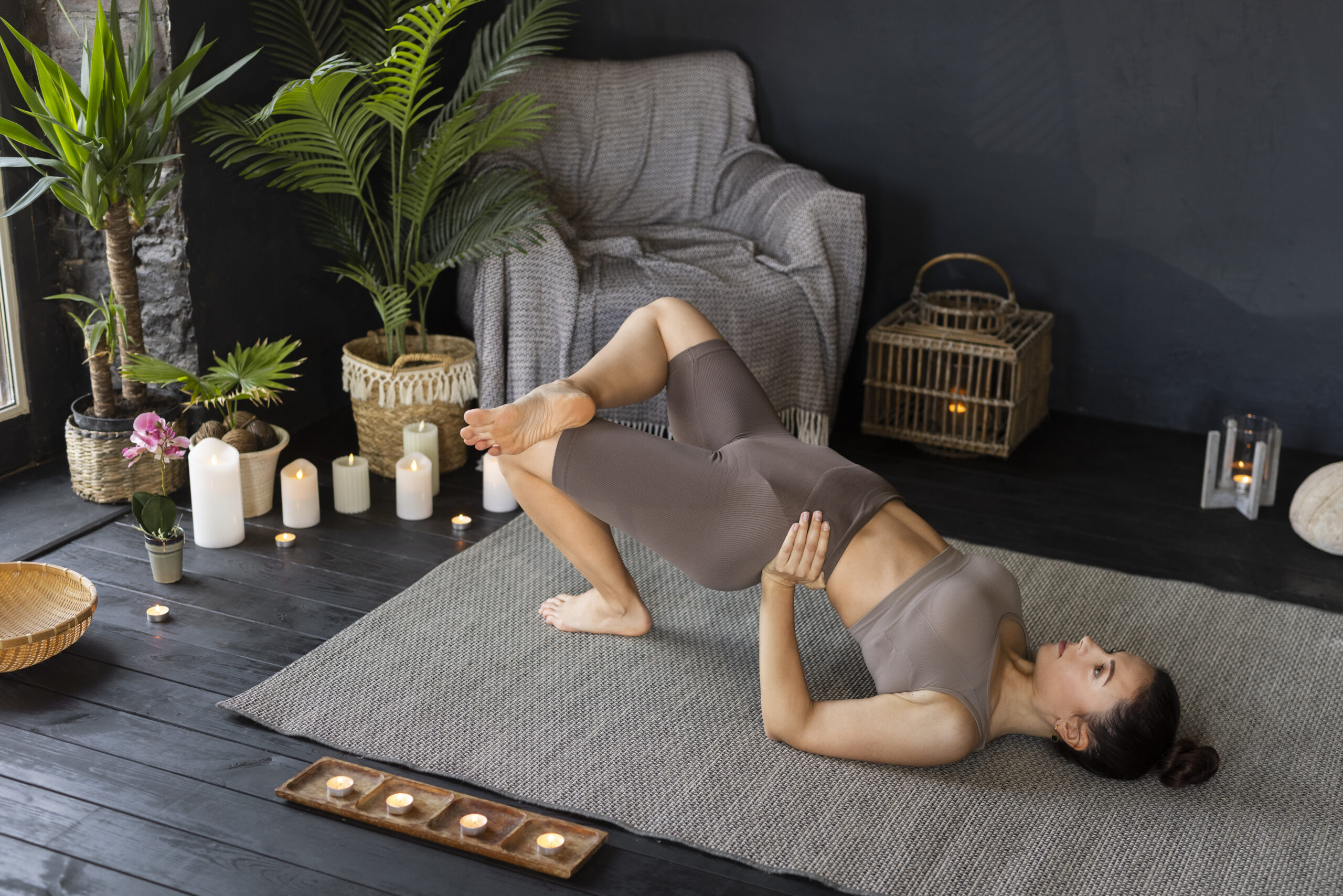
Image by Freepik
This isn’t just a women’s health topic. Men have pelvic floors too — and they matter just as much. The pelvic floor performs many of the same essential functions in both men and women, but there are also some gender-specific roles due to anatomical differences. Whether you identify symptoms or not, understanding what this muscle group supports can help you reconnect with an area that’s foundational to your everyday well-being — from digestion and stability to sexual health and confidence.
Here’s a simple comparison to help you see how the pelvic floor functions in both men and women:
| Pelvic Floor Function | Women | Men |
| Organ Support | Supports the bladder, uterus, and rectum | Supports the bladder and rectum |
| Continence Control | Controls urine and bowel movements; especially important post-childbirth | Maintains urinary and fecal continence; crucial post-prostate surgery |
| Sexual Function | Enhances arousal, lubrication, and orgasm; supports vaginal tone | Contributes to erection, ejaculation, and orgasmic control |
| Core and Postural Stability | Works with deep abdominal and back muscles to stabilize the spine | Same role — essential for balance, lifting, and core strength |
| Breathing Coordination | Coordinates with the diaphragm and core to regulate intra-abdominal pressure | Same function — impacts breath efficiency and nervous system balance |
| Reproductive Support | Plays a vital role in pregnancy, labor, and postnatal recovery | Supports prostate function and pelvic blood flow |
| Emotional Holding Patterns | May hold tension related to trauma, fear, or shame | Also stores emotional tension — often linked to performance pressure |
When this group of muscles is working well, you don’t notice it. You feel supported, grounded, and in flow. But when it’s under strain or dysfunction, the ripple effects show up in everyday life — sometimes quietly, sometimes painfully.
Signs Your Pelvic Floor May Be Struggling
You don’t have to wait for a diagnosis to start paying attention.I’ve met countless men and women who lived with symptoms for years — brushing them off as normal aging, side effects of childbirth, or stress. But the truth is, many of these discomforts are your body’s way of whispering for help.Here are some common signs — in both men and women — that your pelvic floor may need support:In Women:
- Leaking when you cough, laugh, sneeze, or lift
- Pain or discomfort during intimacy
- Heaviness or pressure in the pelvic area (a sign of early prolapse)
- Constipation or feeling like you can’t fully empty the bowels
- Urgency or frequent urination
- Vaginal dryness, loss of sensitivity, or recurring infections
- Pelvic, sacral, or lower back pain
In Men:
- Difficulty starting or stopping urination
- Dribbling or leakage, especially after urinating
- Erectile dysfunction or reduced sexual sensation
- Constipation or incomplete evacuation
- Pelvic pain or groin discomfort
- Post-prostate surgery incontinence
Emotionally:
- Shame, low confidence, fear of intimacy
- Feeling disconnected from your core or your body
These are not life sentences. They’re signals — and the body always gives us a chance to listen, support, and rebuild.Disclaimer: If you’re experiencing any of these symptoms, don’t ignore them or brush them off. Always speak to your doctor or a qualified pelvic health specialist. Early attention can make a world of difference — and help you feel supported, understood, and on the track to healing.
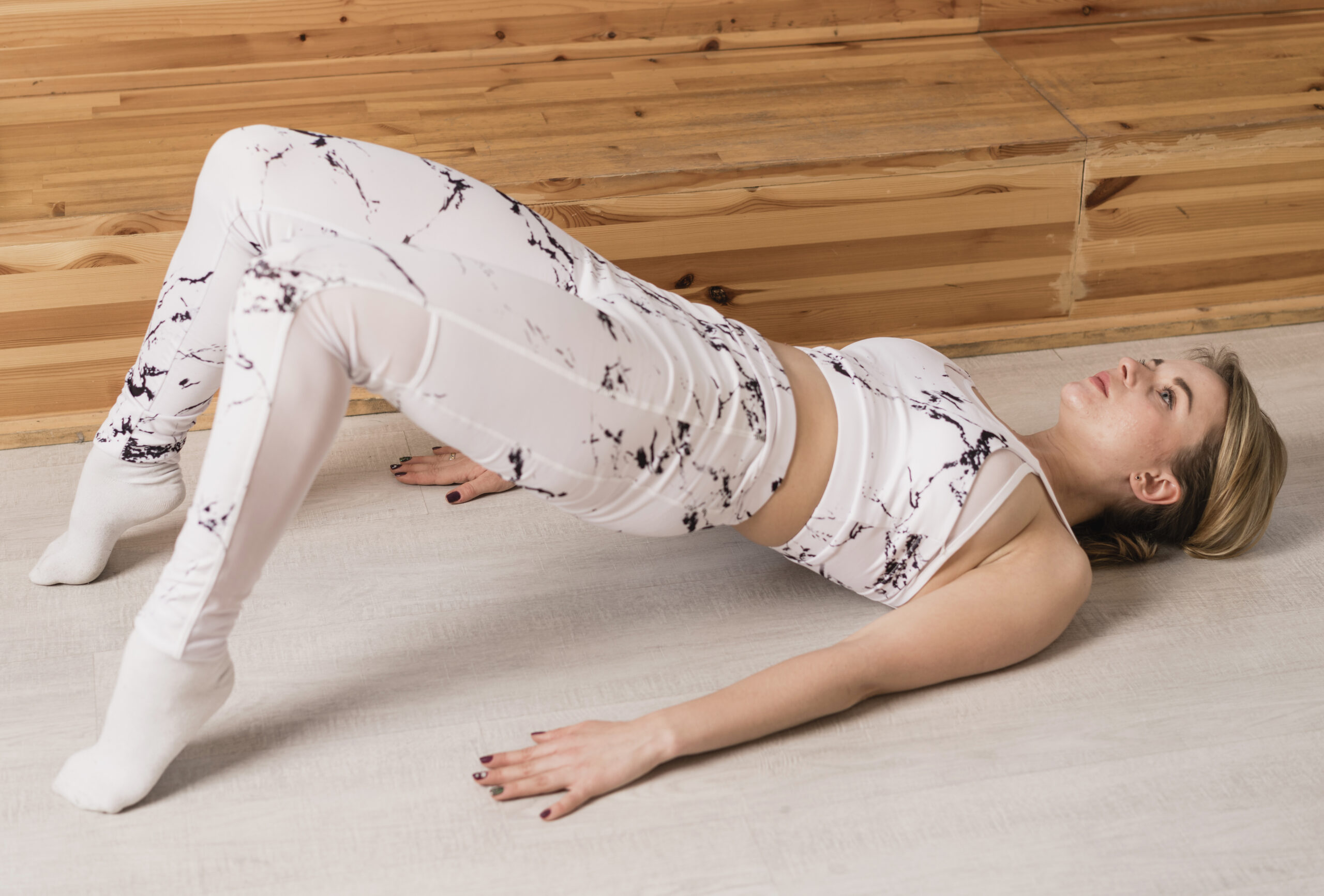
Image by Freepik
What Causes Pelvic Floor Dysfunction?
Pelvic floor issues rarely come from one big incident. More often, they’re the result of cumulative stress over time — physical, emotional, and postural.
Here are some common contributors:
- Chronic sitting or slouching posture
- Pregnancy and childbirth — vaginal or even C-section deliveries
- Obesity, pelvic surgeries, or internal trauma
- Straining on the toilet, poor lifting habits
- Unprocessed emotions — fear, shame, grief often get stored in the pelvic region
It’s important to note: Not all dysfunction comes from weakness. Sometimes, the pelvic floor is overactive — clenched and unable to relax. That too can cause pain, urgency, and pressure.Both underactive and overactive pelvic floors need awareness, gentleness, and retraining — not force. Retraining from Within: Breath and Movement Our yoga expert, Taarika Dave, Holistic Life Coach and Vertical Head – Yoga, has seen this time and again:“Some clients come in with a pelvic floor that’s too tight — often because of unprocessed stress their body is physically holding on to. Others have a weak, unsupported base that needs conscious strengthening. Both patterns can lead to symptoms, and both need a different approach.”
- Taarika Dave, Holistic Life Coach and Yoga Expert, Vertical Head – Yoga
If the pelvic floor is overly tight, the focus is on relaxation. These clients often describe tension in their lower belly, hips, or even pain during intimacy or elimination. Their body is in a state of holding. For them, Taarika recommends:
- Progressive Muscle Relaxation (PMR): Gently tensing and releasing muscle groups to invite ease
- Shavasana (Corpse Pose) with prep: A structured unwind for the nervous system
- Diaphragmatic breathing: On inhale, the pelvic floor gently releases; on exhale, it subtly lifts — this resets pelvic-core synergy
For those with weakened or disconnected pelvic floor muscles, we focus on gentle engagement and re-education:
- Setu Bandhasana (Bridge Pose): Activates glutes and core while supporting pelvic lift
- Moola Bandha (Root Lock): Rhythmic contraction of the perineum for deeper awareness
- Ashwini Mudra: Pulsing the anal sphincter in a seated, grounded posture to build tone
Movement here isn’t about intensity — it’s about intelligence. Every breath becomes an exercise. Every gentle asana becomes an invitation to reconnect with a part of your body that may have been ignored for too long.Yoga, when practiced with breath and intention, becomes both diagnostic and therapeutic. It helps you listen to your body’s cues — when to soften, when to support.You don’t need fancy tools. You need a mat, your breath, and a willingness to tune in.
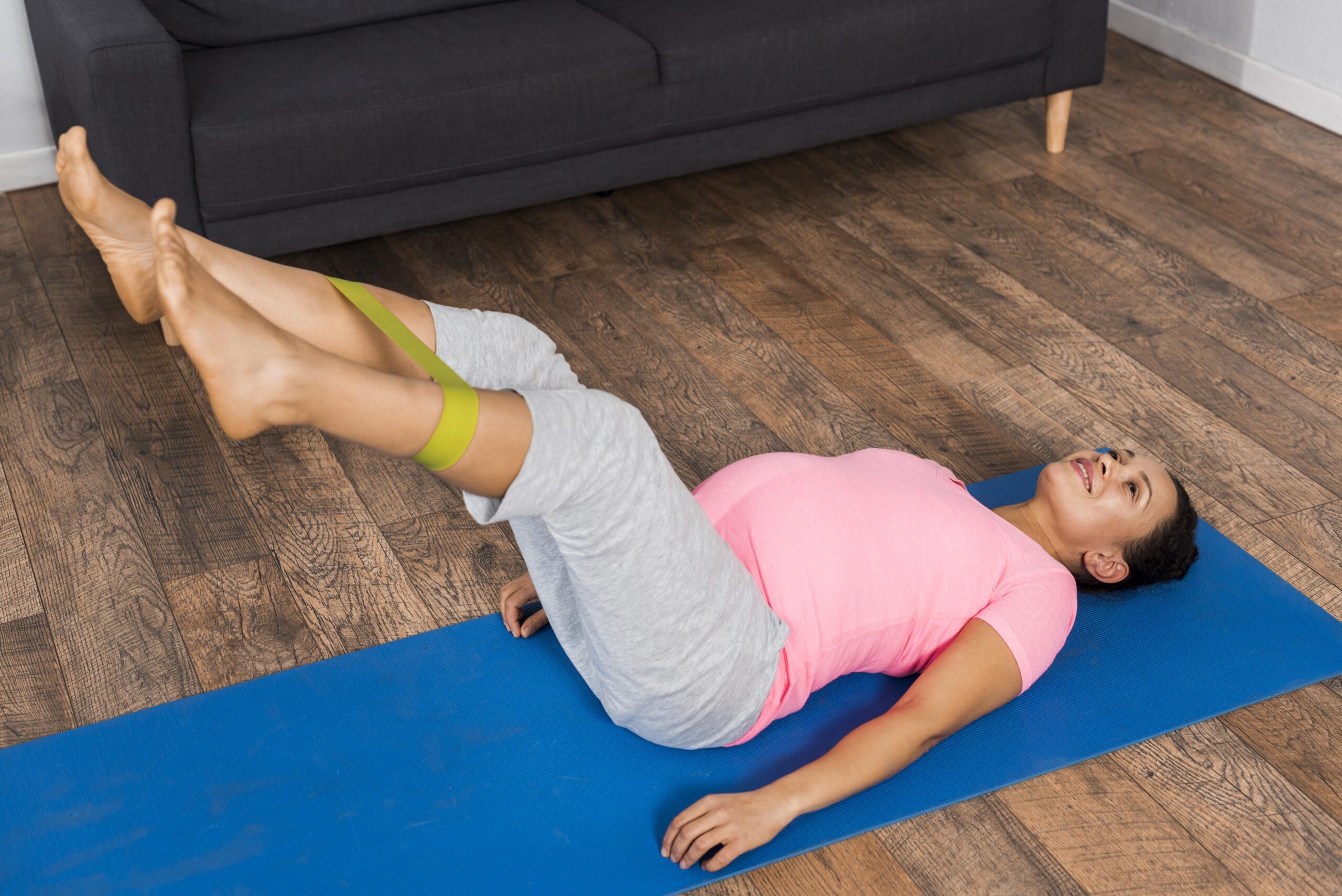
Image by Freepik
Emotional Holding and the Pelvic Floor
We often forget that the body holds onto what the mind cannot express — and for many people, stress, fear, and trauma can settle into the pelvic region.This might show up as over-tightness, pain during intimacy, or even anxiety around elimination. You may not have words for it — just a felt sense that something is off or hard to let go.Please know this: You don’t need to power through or pretend.The pelvic floor isn’t just physical. It’s emotional. And it deserves your compassion, not shame.Gentle ways to begin releasing:
- Journaling your emotions, uncensored
- Body scans to locate hidden tension
- Breath-led meditations that invite softening
You can also explore somatic movement — a gentle, intuitive approach where you allow your body to move in response to internal sensation, not performance. This is especially helpful when you don’t have words for what you feel but can sense it in your body. Slow swaying, rocking, or curling inwards and outwards while breathing can begin to restore safety and softness in the pelvic space.Another beautiful tool we often use in our emotional wellness sessions is EFT tapping (Emotional Freedom Technique). It combines cognitive affirmation with acupressure by gently tapping on meridian points — including the side of the hand, collarbone, and under the eye — while voicing emotions like fear, shame, or grief.Tapping helps calm the nervous system and offers a safe release for stored emotional energy.These are small, powerful ways to say to your body: I hear you. I’m here for you. We can let this go.
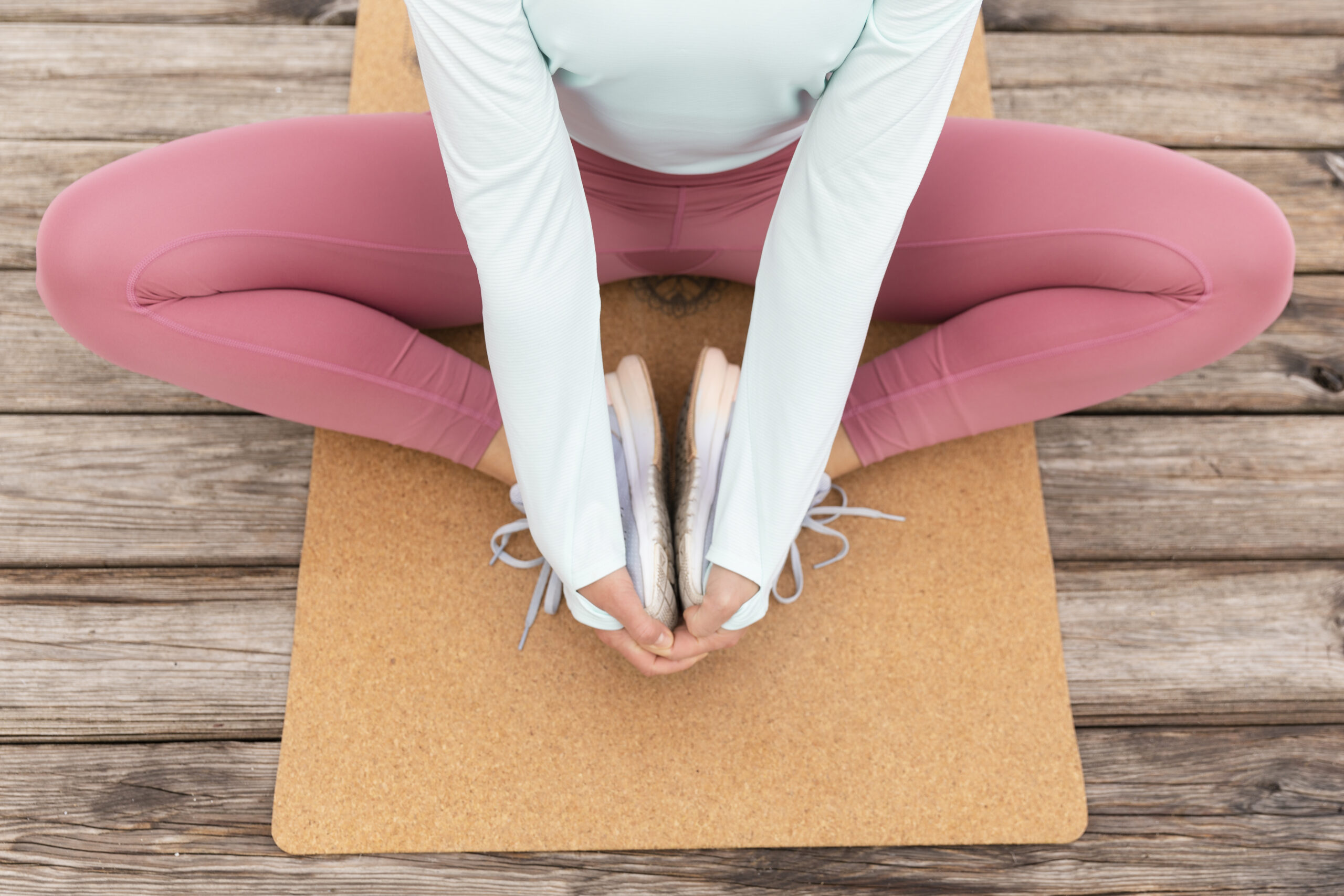
Image by Freepik
When to Seek Professional Support
You don’t have to fix this alone — and you shouldn’t have to.If you’re experiencing persistent pain, leaking, pressure, difficulty post-birth or after surgery, please know that help exists. Pelvic floor physiotherapy isn’t a last resort — it’s a powerful, proactive step in healing.A qualified therapist can guide you through breath retraining, posture alignment, gentle manual release, and awareness-based movement. You’ll also learn how to understand and work with your body — not against it.
Final Word: Your Foundation Deserves Your Attention
Your pelvic floor is not just about avoiding leaks or easing pain during intimacy — it’s your foundation. A silent, powerful support system that holds your organs, your breath, your posture, your strength, and even your emotional well-being together.When it works well, you don’t feel it — and that’s the beauty of it. But when it struggles, the ripple effects are felt everywhere.And yet, so many people dismiss the early whispers — a little leak, a bit of pressure, mild discomfort. We tell ourselves it’s aging, childbirth, work stress, or ‘just something that happens.’We delay that consultation. We push through the signs until the body can’t stay silent anymore.But what if we didn’t wait?What if we honoured our body’s early signals with curiosity instead of fear? What if we made small, consistent choices — like daily walks, stretching, sitting tall, eating real food, getting deep rest, and managing stress — knowing these little things help keep our core strong?Body awareness is one of the most powerful forms of self-care. And when you tune in, you’ll begin to understand: the way your body moves, breathes, eliminates, holds tension — it’s all connected. And it’s all speaking to you.If you suspect something’s off — even if you can’t quite name it — please don’t brush it aside. Seeing a trained pelvic health professional isn’t about being broken. It’s about preventing something small from becoming something big. It’s about reclaiming confidence, strength, and trust in your body.You deserve to feel safe, supported, and strong in your own body — not just sometimes, but every day.
Looking to Rebuild Strength from the Core — Gently and Intelligently?
Whether you’re navigating pelvic floor symptoms, postnatal recovery, pain, or simply seeking better body awareness — our integrative team is here to support you.
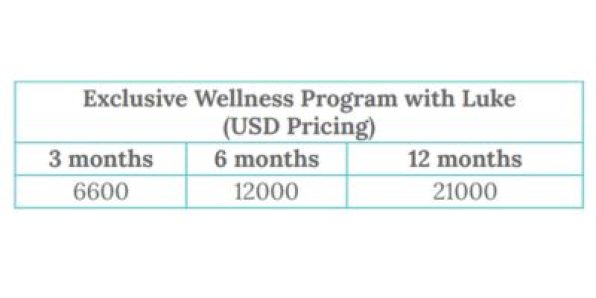
Join our Wellness Program for a personalized plan that aligns breath, movement, nutrition, and emotional wellness — designed for your body and your life stage.
Still have questions?
📞 Call us on our toll-free number: 18001020253
📩 Or write to us at: [email protected]
Let’s work together to bring your body back to balance — from the inside out.
Disclaimer: This blog is intended for informational purposes only and is not a substitute for professional medical advice, diagnosis, or treatment. If you are experiencing persistent symptoms, discomfort, or distress, please consult a qualified healthcare provider or pelvic health specialist for personalized support.