

Have you ever felt inexplicably tired, emotionally on edge, or mentally foggy, even when everything around you seems under control? You’re eating okay, you’re showing up to work, you’re getting through your days, yet something still feels off, like your inner battery’s drained without warning.
Sometimes, what feels like burnout or overwhelm isn’t just about stress. It might be your body whispering for something as fundamental and often overlooked as magnesium deficiency.
Magnesium is not just another supplement to stack in your body. Think of magnesium as a spark plug, invisible to the eye, yet essential to over 300 enzymatic reactions that keep your body and brain in sync. Without adequate levels, these processes don’t stop entirely, but they start running less efficiently. Over time, this can quietly shape how you feel, think, sleep, and function.
Research has shown that a significant percentage of the global population may not be meeting the recommended daily dose of magnesium, especially due to modern food processing, soil depletion, and chronic stress. It’s not always about what you’re eating but about whether your food is still a reliable source of magnesium in the first place.

First, let’s know:
What Is Magnesium and Why Does It Matter?
Magnesium isn’t just important, it’s essential. The magnesium benefits we often hear about aren’t just surface-level perks. They are deeply embedded in how life operates inside our cells, every moment of every day.
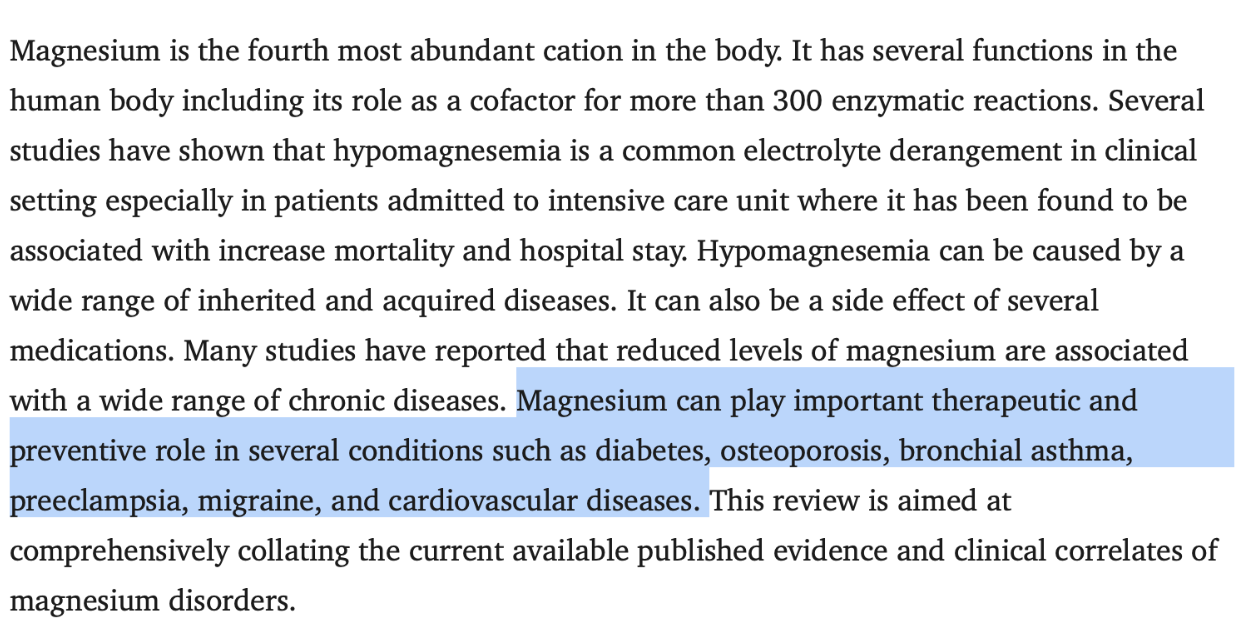 Source: Al Alawi, A. M., Majoni, S. W., & Falhammar, H. (2018). Magnesium and Human Health: Perspectives and Research Directions. International journal of endocrinology, 2018, 9041694. https://doi.org/10.1155/2018/9041694
Magnesium is a critical trace mineral present in every cell of the human body. Without it, key systems in your body start to misfire. Here’s what makes magnesium irreplaceable:
- Magnesium is the co-pilot in cellular energy production: Every cell in your body produces energy in the form of ATP (adenosine triphosphate). But ATP is only biologically active when bound to magnesium, forming Mg-ATP. Without magnesium, your cells cannot access or use their own energy reserves effectively. That means fatigue, even when you’re sleeping well or eating right, might trace back to low intracellular magnesium.
- It supports DNA repair and protein synthesis: Magnesium regulates the enzymes responsible for DNA transcription and replication. This makes it foundational to how your body maintains itself, from healing tissue to building hormones to protecting cells against everyday wear and tear.
- It governs your nervous system’s rhythm: Magnesium helps regulate calcium movement in nerve cells, which influences how your brain and body respond to stress, pain, and even noise. When magnesium is adequate, the nervous system functions with calm precision. When it’s deficient, overstimulation, restlessness, and irritability can creep in, often without a clear cause.
 Source: Al Alawi, A. M., Majoni, S. W., & Falhammar, H. (2018). Magnesium and Human Health: Perspectives and Research Directions. International journal of endocrinology, 2018, 9041694. https://doi.org/10.1155/2018/9041694
Are You Getting Enough Magnesium?
It’s one thing to know that magnesium matters. It’s another to ask, “Am I actually getting enough of it each day?”
According to the National Institutes of Health (NIH, 2023), the recommended daily dose of magnesium varies based on age, gender, and physiological demands. Here’s a quick look at the general guidelines:

These numbers represent what’s required for the body to function optimally, to produce energy, regulate mood, support muscles, and maintain steady heart rhythms.
Symptoms of Magnesium Deficiency (Hypomagnesemia)
Have you had a yawn in the middle of the afternoon, a twitch in the leg, an irritable mood you can’t explain? These might not seem like red flags.
But they could be quiet signals pointing to magnesium deficiency.
While magnesium benefits span hundreds of functions within the body, even a mild drop in levels can cause noticeable shifts in how you feel, function, and process stress. The body is intelligent; it compensates for as long as it can.
Let’s break down the symptoms:
Early Signs of Magnesium Deficiency
These may appear with mild to moderate deficiency, and often go overlooked or are misattributed to ‘just stress’ or ‘overworking.’
- Fatigue and low energy, even after adequate rest: As magnesium is essential for ATP production, when the levels drop, it can result in fatigue.
- Frequent headaches or persistent brain fog: Magnesium helps modulate nerve function and cerebral blood flow. Low levels have been associated with migraines and reduced cognitive clarity.
- Muscle cramps, tightness, or twitching: One of the earliest and most common signs. Magnesium supports muscle relaxation after contraction. Without it, spasms may increase.
- Anxiety or mood instability: Magnesium is a natural regulator of the stress response and influences neurotransmitters like Gamma-aminobutyric acid (GABA) and serotonin. Deficiency may heighten emotional reactivity.


Image Credits: Freepik
- Sleep disturbances: Trouble falling or staying asleep can be linked to low magnesium, which helps calm the nervous system and promotes melatonin production.
- Unusual sugar cravings: Craving chocolate or sweets can sometimes signal low intracellular magnesium, as the body tries to replenish its stores.
- Constipation: Magnesium supports peristalsis, the rhythmic contraction of the bowel. A deficiency may contribute to slower gut motility.
- Menstrual cramps and hormonal imbalances: In menstruating individuals, low magnesium may contribute to more intense premenstrual syndrome (PMS) symptoms and uterine muscle cramping.
- Tingling or numbness in extremities: Magnesium influences nerve signaling. A deficiency can lead to sensory disturbances, especially in the hands or feet.
Chronic or Severe Deficiency Symptoms
When left unaddressed, magnesium deficiency (also known as hypomagnesemia) may begin to affect deeper systems in the body. These symptoms are often more pronounced and may require clinical intervention:
- Abnormal heart rhythms or palpitations: Magnesium is vital for electrical stability in the heart. A deficiency can lead to arrhythmias and irregular beats, particularly in those with existing cardiovascular concerns.
- Seizures or heightened nerve excitability: In severe cases, magnesium deficiency can lead to uncontrolled nerve firing, contributing to seizures or neuromuscular instability.
- Insulin resistance and blood sugar dysregulation: Magnesium is involved in insulin receptor function. Chronic deficiency has been linked to poor glucose control and metabolic imbalance.
- Increased risk of osteoporosis: Without magnesium, Vitamin D, and calcium, metabolism can’t function optimally. Long-term deficiency may weaken bones.
- Persistent high blood pressure: Magnesium helps relax blood vessels and regulate vascular tone. Its absence may contribute to chronic hypertension.
- Restless leg syndrome or nighttime agitation: Neuromuscular irritability due to low magnesium may worsen symptoms like leg discomfort or twitching at night.
Natural Sources of Magnesium: Reconnect with What Nature Offers
Now that you understand just how vital magnesium is, from cellular energy to emotional balance, the next question is a simple but powerful one: Where can I get it from?
The truth is, your best source of magnesium is always food, especially when it’s whole, local, seasonal, and as close to its natural state as possible. While supplementation has its place (especially in clinical deficiencies or when medically advised), magnesium from food is more bioavailable, better tolerated, and part of a much bigger nutritional synergy.
Let’s explore some of the most reliable and abundant sources of magnesium:
Top Natural Food Sources of Magnesium
These foods are not only rich in magnesium but also come packed with fibre, phytonutrients, and antioxidants, making them true functional foods.
- Seeds: Pumpkin seeds, sunflower seeds, flaxseeds, and chia seeds are among the most concentrated magnesium-rich foods. Just 1 tablespoon of pumpkin seeds can offer around 74 mg of magnesium, a powerful boost in a small bite.
- Nuts: Almonds, cashews, Brazil nuts, and walnuts are not only a healthy fat source but also excellent magnesium contributors. A handful (28–30g) of almonds provides approximately 76 mg of magnesium.
- Whole Grains: Brown rice, quinoa, buckwheat, oats, and amaranth are some of the most underrated staples. When consumed in their whole, unrefined form, they retain their magnesium-rich bran layers, unlike polished or bleached versions.
- Leafy Greens: Spinach, kale, moringa, and amaranth leaves are chlorophyll-rich foods, the molecule that gives plants their green colour. A cup of cooked spinach can offer up to 157 mg of magnesium.
- Legumes: Lentils, black beans, chickpeas, edamame, and kidney beans not only bring plant protein and fibre to the table but also carry a strong magnesium profile. One cup of cooked black beans has roughly 120 mg of magnesium.
- Vegetables: Avocados, okra, sweet corn, and beet greens are subtle yet dependable sources of magnesium, especially when eaten fresh and with minimal processing.
- Dark Chocolate (70% or higher): Unprocessed dark chocolate is a surprising but potent source of magnesium, about 64 mg in a 1-ounce (28g) serving. Just be mindful of added sugars and aim for the least processed variety.

So, How Do You Make This Practical?
You don’t need to count milligrams or micromanage every bite. Instead:
- Rotate your greens — each one offers something unique.
- Snack smarter — keep a trail mix of seeds and nuts handy.
- Soak and sprout legumes and grains to increase magnesium bioavailability and reduce anti-nutrients.
- Avoid over-polished foods — the whiter the grain, the lower the magnesium.
- Add magnesium-rich foods to what you already eat, instead of overhauling your food.
It’s not about more effort. It’s about conscious nourishment, and tuning into what nature has always offered us, even when modern living made us forget.
Can You Have Too Much Magnesium?
If magnesium is so beneficial, it’s natural to wonder, can more be better? The answer, like many things in health, lies in balance. While deficiency is far more common in the general population, it is also possible to consume too much magnesium, particularly through supplements or certain medications.
But before we jump to conclusions, let’s clarify this: magnesium from food is rarely, if ever, a problem. The body has an innate ability to regulate and excrete excess dietary magnesium through the kidneys. That’s why when people focus on their source of magnesium through whole foods, the risk of excess remains extremely low.
The concerns mainly arise when magnesium is taken in high doses from supplements or medicinal preparations, especially without professional guidance.
When Too Much Becomes a Concern
Magnesium toxicity, also known as hypermagnesemia, is rare but can occur under certain conditions, especially when the kidneys are unable to excrete excess magnesium efficiently.
According to the National Institutes of Health (NIH, 2023), the Tolerable Upper Intake Level (UL) for supplemental magnesium is:
- 350 mg/day from supplements or medications for adults
This does not include magnesium obtained from food sources, as natural dietary magnesium does not pose toxicity risks in healthy individuals.
Who Should Be Cautious?
There are specific situations where magnesium supplementation should be closely monitored or even avoided unless medically prescribed:
- Individuals with Kidney Dysfunction: When kidney function is compromised, the body struggles to eliminate excess magnesium. This can lead to elevated blood levels and, in extreme cases, cause toxicity.
- People Taking Magnesium-Containing Laxatives or Antacids: Prolonged or excessive use of over-the-counter magnesium-based products, such as milk of magnesia, can unintentionally lead to high intake.
- Individuals on Certain Medications: Magnesium can interact with diuretics, antibiotics (like tetracycline and ciprofloxacin), and medications used for heart conditions. These interactions may either increase or decrease magnesium levels or affect how the drug is absorbed.
Possible Symptoms of Excess Magnesium
When magnesium levels rise too high in the blood, symptoms may develop gradually, and may include:
- Nausea or vomiting
- Diarrhoea
- Muscle weakness
- Low blood pressure
- Slowed heart rate or abnormal rhythms
- In very rare and severe cases: difficulty breathing or cardiac arrest
However, these symptoms are extremely rare in people with normal kidney function who are mindful of their intake.
When to Test, Who Should Be Careful, and When to Seek Help
While most people with mild imbalances can restore magnesium through food and lifestyle, there are times when a simple test and a professional’s guidance can offer deeper insight and clarity.
A magnesium test isn’t routinely offered during regular checkups, but there are valid reasons to take the test ONLY under professional guidance, especially if:
- You experience frequent muscle cramps, twitching, or irregular heartbeats
- You struggle with persistent fatigue, even after good rest
- You deal with frequent migraines or tension headaches
- You notice increased anxiety, restlessness, or panic without clear triggers
- You’re managing conditions like diabetes, hypertension, IBS, or PCOS
- You’re on medications that affect magnesium levels (e.g., PPIs, diuretics, antibiotics)
Most commonly, blood magnesium is tested through serum magnesium levels, but it’s worth noting that only about 1% of the body’s magnesium is present in the blood. So even if serum levels appear ‘normal,’ a person may still have a functional deficiency. Your doctor might consider RBC magnesium tests or even clinical evaluation based on symptoms and history to get a fuller picture.
Disclaimer: This blog does not promote any form of self-diagnosis or self-treatment, and it does not claim to cure or treat any disease. The intention is to empower you with credible knowledge so you can make informed decisions in partnership with your qualified health professional.
Who Needs to Be More Mindful About Magnesium Intake?
Some individuals are more vulnerable to depletion and may need a higher degree of attentiveness:
- Athletes and those with physically demanding routines: Sweat loss, muscle activity, and higher metabolic turnover all increase magnesium demand.
- People under chronic stress or poor sleep patterns: Stress hormones deplete magnesium, and low magnesium, in turn, increases stress reactivity.
- Women during pregnancy, menstruation, or perimenopause: Hormonal fluctuations, especially estrogen dominance, can shift magnesium metabolism. Pregnancy also increases daily requirements.
- Those with digestive disorders: Conditions like Irritable Bowel Syndrome (IBS), Crohn’s disease, or chronic diarrhoea may impair absorption and increase magnesium loss.
- Older adults: With age, absorption efficiency may decline, and kidney magnesium conservation may be reduced, leading to a higher risk of deficiency over time.
Final Thoughts: Why Magnesium Deserves a Place in Everyday Wellness
In the larger conversation around health, it’s easy to overlook the role of foundational nutrients, especially those that don’t make headlines. Magnesium is one such mineral. Understanding your body’s relationship with magnesium isn’t about tracking numbers or following trends. It’s about recognising how modern lifestyles, stress, soil depletion, and food habits may be influencing your baseline, and then making informed, sustainable choices to support your needs.
Watch the video below
Disclaimer: The content of this blog is intended for educational and informational purposes only. It is NOT a substitute for professional medical advice, diagnosis, or treatment. While the information shared is based on current scientific research, individual needs may vary. Always consult your healthcare provider or a qualified medical professional before making changes to your food habits, supplement routine, or lifestyle, especially if you have an existing medical condition, are pregnant, breastfeeding, or taking prescribed medications.
If you’re ready to go beyond surface-level fixes and start understanding what your body truly needs, our Wellness Programs are here to guide you.
Rooted in science and built around simplicity, they help you reconnect with your health in a way that feels sustainable and personal.
Ready to take the next step in your health journey?
Reach out to us at 1800 102 0253 or write to us at consults@lukecoutinho.com.

Start Your Wellness Journey
Feeling inspired to take the next step in your wellness journey? Connect with us to explore how our tailored programs can support your health journey. Your transformation is just a conversation away.