No products in the cart.
Feeling unusually thirsty? Or finding yourself more tired than usual, even after a full night’s sleep? It might be more than just a hectic week or the changing weather. Sometimes, these small everyday changes are actually your body’s way of flagging something deeper—early signs of diabetes that shouldn’t be ignored.
Today, type 2 diabetes is one of the fastest-growing health challenges globally, and India holds the unfortunate title of being the diabetes capital of the world. Studies show that over 77 million Indians live with diabetes, and many more experience diabetes symptoms in adults without even realizing it—remaining undiagnosed until complications arise. In fact, a large number of cases are first detected only after a cardiac event, vision problem, or nerve damage.
But here’s the hopeful part: diabetes warning signs offer us a powerful turning point.
Early symptoms of diabetes are often subtle, blending into the background of busy, modern lives.
Detecting markers like elevated blood sugar, insulin resistance, or prediabetes gives us the chance to take proactive steps, guided by simple yet powerful diabetes prevention tips—to slow progression, protect health, and maintain a great quality of life.
In my experience helping clients with various health issues, we observed 10 early symptoms of diabetes that showed up. Let’s understand how to recognize them, and what steps you can take to manage them.
Because your body speaks long before a diagnosis does.
Listening early empowers you to manage your health better—and live stronger.
Understanding Diabetes: A Quick Overview
At its core, diabetes is a metabolic disorder where the body struggles to regulate blood sugar effectively—either because it doesn’t produce enough insulin or because it can’t use insulin properly. When blood sugar stays high over time, it quietly impacts every organ system: your heart, kidneys, nerves, eyes, and even your emotional health.There are a few major types of diabetes to understand:
| Type | What Happens | Key Features |
| Prediabetes | Blood sugar levels are higher than normal, but not yet diabetic. | No obvious symptoms; recognizing early signs of diabetes can often prevent progression with timely diabetes prevention tips. |
| Type 1 Diabetes | Autoimmune destruction of insulin-producing cells. | Usually diagnosed in childhood or adolescence; requires lifelong insulin. However, making healthier choices can help improve the quality of life. |
| Type 2 Diabetes | The body becomes resistant to insulin or doesn’t produce enough. | Often linked to lifestyle, early diabetes symptoms in adults can be reversed or managed with the right interventions. |
Because the early stages of diabetes, especially prediabetes and Type 2, can develop silently, it’s easy to dismiss the first subtle diabetes warning signs. Many people attribute fatigue, thirst, or mood changes to a hectic lifestyle, stress, or age. But being tuned into these signals matters.Here’s the empowering truth: When we recognize the early signs of diabetes and act mindfully, we can manage blood sugar better, protect emotional well-being, and drastically improve long-term outcomes. Proactive awareness, supported by simple yet impactful diabetes prevention tips, can help avoid future complications.Paying attention is not just prevention—it’s the foundation for stronger, healthier living.
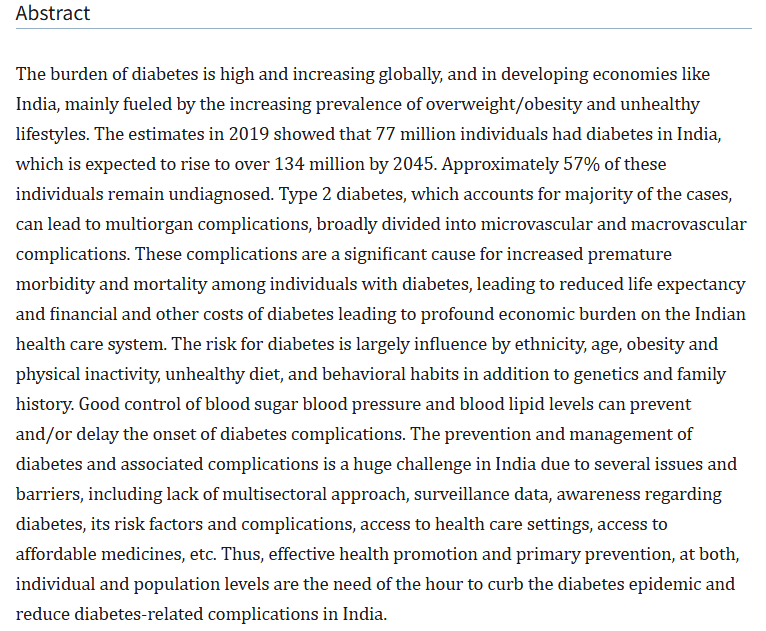
Source: Pradeepa R, Mohan V. Epidemiology of type 2 diabetes in India. Indian J Ophthalmol. 2021 Nov;69(11):2932-2938. doi: 10.4103/ijo.IJO_1627_21. PMID: 34708726; PMCID: PMC8725109.
10 Early Signs of Diabetes: Diabetes Symptoms in Adults
When it comes to diabetes, the body whispers before it shouts. Often, early signs are easy to dismiss, but recognizing them can be the difference between early intervention and long-term complications. Let’s understand 10 symptoms that need your attention:
#1 Frequent Urination (Polyuria)
Needing to urinate more often—especially waking up multiple times at night—is a pattern many people overlook until it becomes too disruptive. But when the body carries excess glucose in the bloodstream, the kidneys work overtime to filter and flush it out through urine. As a result, you may find yourself visiting the bathroom far more frequently than usual, even if your fluid intake hasn’t changed.That said, frequent urination can also happen for less serious reasons, like drinking a lot of water close to bedtime, experiencing a urinary tract infection, or heightened anxiety. However, when increased urination persists day after day, especially alongside other symptoms like constant thirst or fatigue, it deserves medical attention.You don’t need to panic at the first extra bathroom trip. Instead, observe the pattern: is it persistent, disruptive, and linked to other body changes? If yes, it’s worth having a conversation with your doctor. In many cases, frequent urination is one of the body’s earliest early signs of diabetes—and catching it early is an essential diabetes prevention tip.
#2 Increased Thirst (Polydipsia)
Occasionally feeling thirsty after a salty meal or during hot weather is completely normal. But if you find yourself chronically thirsty throughout the day—waking up with dry mouth, craving water constantly, or needing to sip fluids all the time—it could be more than just dehydration.In the context of diabetes, excessive thirst often follows frequent urination. As the kidneys pull extra glucose out of the blood, the body loses more fluids, triggering an internal call for replenishment. This cycle of dehydration and thirst becomes continuous unless the underlying blood sugar imbalance is addressed.Of course, thirst can have other benign causes too: new medications, dry indoor air, higher temperatures, or simply drinking too little water. But when persistent thirst appears alongside signs like frequent urination, fatigue, or blurred vision, it’s important not to dismiss it.Chronic thirst is not always harmless—sometimes it’s your body’s sign of a deeper imbalance. Monitoring these diabetes symptoms in adults and acting on them with diabetes prevention tips like regular screening and hydration awareness can make a difference.Rather than self-diagnosing, gently notice the patterns, and if multiple signals persist, let a professional guide you.
#3 Unexplained Weight Fluctuations (Especially Weight Loss)
Weight naturally shifts over days or weeks, depending on factors like hydration, stress, and daily activity. But sudden, noticeable weight loss—especially without any conscious change in eating habits, exercise, or illness—should never be brushed aside.In the early stages of diabetes, when the body struggles to move glucose into cells for energy, it begins to break down fat and muscle stores to compensate. This unintended catabolism results in weight dropping, sometimes even when calorie intake remains the same or increases. Among early signs of diabetes, this is one of the more alarming yet often misunderstood diabetes symptoms in adults.You might notice your clothes getting looser even though your meals haven’t changed. You might feel hungrier, but paradoxically lighter. This is because your body is losing its nutritional reserves, not optimizing them.Of course, weight loss can also occur with conditions like thyroid imbalances, gastrointestinal disorders, chronic infections, depression, or high stress levels. That’s why it’s critical not to jump to conclusions based on weight alone.If unexplained weight loss is paired with other diabetes warning signs, it’s time to involve your healthcare provider. Acting early and following evidence-based diabetes prevention tips can help improve your health.
#4 Extreme Hunger (Polyphagia)
Some days, a bigger appetite is normal—after a workout, missed meals, or stress. But persistent, overpowering hunger, especially when you’re eating regular meals, is one of the early signs of diabetes that often goes unnoticed. In diabetes, the body’s cells are unable to absorb and use glucose properly. Despite plenty of sugar circulating in the blood, the body perceives starvation at the cellular level, which triggers relentless hunger, known as polyphagia—a classic diabetes symptom in adults.
Left unchecked, this excessive hunger often leads to patterns like binge eating, intense late-night cravings, and reaching for quick, high-sugar, or processed foods. Research published in the American Journal of Clinical Nutrition and Diabetes Care shows a strong link between cravings for refined carbs and the early onset of insulin resistance, highlighting the critical nature of diabetes warning signs.Of course, intense hunger can sometimes stem from thyroid issues, sleep deprivation, emotional stress, or restrictive eating patterns. That’s why tracking patterns matters: if you’re experiencing constant cravings along with thirst, frequent urination, or unexplained fatigue, it’s a sign to seek medical help. Recognizing this cycle early—and acting on diabetes prevention tips like mindful eating and blood sugar awareness—can protect long-term health and quality of life.
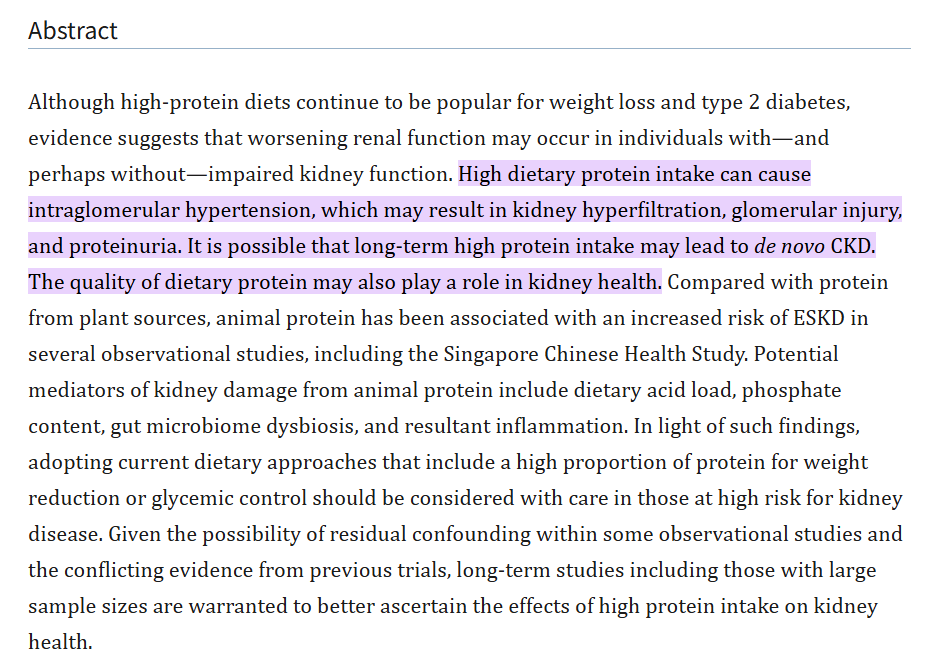
Source: Dietary Advice For Individuals with Diabetes, Andrew Reynolds, BSc, MSc, PhD, MPH and Joanna Mitri, MD, MS.
#5 Fatigue and Weakness
Feeling tired after a hectic workday, emotional overwhelm, or poor sleep is natural. But if exhaustion feels unrelenting—where even small tasks feel monumental despite enough rest—it could signal something deeper. Persistent fatigue is one of the early signs of diabetes that people often dismiss. In diabetes, the cells are deprived of their primary fuel source: glucose. Without an efficient energy supply, muscles weaken, the brain fogs, and daily life becomes more challenging—a hidden but important diabetes symptom in adults.However, fatigue isn’t exclusive to diabetes. Anemia, thyroid dysfunction, vitamin deficiencies, chronic stress, or emotional struggles can also mimic these feelings. That’s why it’s important not to panic over one symptom but to notice patterns, especially if fatigue comes along with thirst, mood swings, or frequent urination. Early action, through basic screenings and following diabetes prevention tips such as improved nutrition, hydration, and stress management, can make a tremendous difference in detecting diabetes warning signs before they evolve into something more serious.
#6 Slow Healing Wounds and Frequent Infections
A minor cut that refuses to heal or frequent infections popping up may seem random, but they’re actually among the subtle early signs of diabetes. Elevated blood sugar impairs circulation, restricting the oxygen and nutrients that tissues need for quick recovery. It also weakens the immune system’s ability to fight infections efficiently. As a result, diabetes symptoms in adults often include lingering wounds, urinary tract infections, skin irritations, or gum disease—symptoms that shouldn’t be brushed off as coincidences.Of course, slow healing can sometimes happen due to nutritional gaps, smoking, certain medications, or other health conditions. But when these issues persist, especially alongside other diabetes warning signs like unexplained thirst or numbness, it becomes crucial to connect the dots. Early detection and simple lifestyle shifts—like prioritizing wound care, monitoring blood sugar, and adopting diabetes prevention tips can drastically improve outcomes and safeguard future well-being.
#7 Blurred Vision
Ever had a day where your vision felt “off,” but you shrugged it off as screen fatigue or a bad night’s sleep? Occasional blurriness can happen for many reasons, but if it becomes frequent, it’s important to pause and listen to your body. In diabetes, high blood sugar levels pull fluid from tissues, including the lenses of your eyes, causing them to swell and lose their flexibility, resulting in blurred vision—one of the common yet often ignored early signs of diabetes.
Research published in Diabetes Spectrum points out that sustained high glucose can even damage the tiny blood vessels of the retina over time, leading to a serious complication known as diabetic retinopathy. Keeping a lookout for such diabetes symptoms in adults can help protect long-term vision health.However, not all blurred vision points to diabetes—it could also be due to eye strain, dehydration, or simple aging.
Still, if vision problems persist along with thirst, fatigue, or mood changes, don’t ignore it. Blurred vision is one of the important diabetes warning signs, and with timely detection and basic diabetes prevention tips like blood sugar checks and balanced nutrition, complications can often be avoided or delayed.

Source: Diabetic Retinopathy, Unnati V. Shukla; Koushik Tripathy.
#8 Tingling, Numbness, or Pain in Hands and Feet (Neuropathy)
Ever woken up to a pins and needles sensation? It’s common once in a while. But if tingling, numbness, or burning pain in your hands and feet become frequent companions, it’s a signal worth paying attention to. These sensations are sometimes among the early signs of diabetes that the body uses to warn us.One of the earliest complications of unchecked high blood sugar is nerve damage—medically called diabetic neuropathy. Chronic glucose elevation damages the small blood vessels that nourish nerves, particularly in the extremities.
Studies in the Journal of Diabetes Research reveal that neuropathy can develop even before a formal diagnosis through diabetes symptoms in adults.It’s true that nerve symptoms can sometimes stem from other causes, like vitamin B12 deficiency or thyroid dysfunction. But when tingling, numbness, and weakness appear along with other diabetes warning signs, it’s wise to seek professional advice. Timely action, supported by smart diabetes prevention tips like blood sugar management, can slow or even reverse early nerve damage.

Sources: Diabetic Peripheral Neuropathy, Myron A. Bodman; Mark A. Dreyer; Matthew A. Varacallo.
#9 Dark Patches on Skin (Acanthosis Nigricans)
Have you noticed dark, velvety patches around your neck, underarms, or groin that just won’t lighten, no matter what creams you use? Sometimes dismissed as pigmentation or dirt buildup, these subtle skin changes (Acanthosis nigricans) can be early signs of diabetes and insulin resistance.When your body produces too much insulin, it can cause certain skin cells to grow faster, thickening the skin and causing darkened patches, often in folds where friction is higher. Research published in the Indian Dermatology Online Journal reinforces that this manifestation often precedes Type 2 diabetes diagnosis by years, making it one of the less talked about but critical diabetes symptoms in adults.Skin changes can have multiple causes, like hormonal fluctuations, genetics, or obesity. But when dark patches show up alongside thirst, fatigue, or weight fluctuations, it’s time to pay closer attention.
Recognizing these diabetes warning signs early, combined with simple diabetes prevention tips like balanced lifestyle changes, can make a world of difference in halting progression.
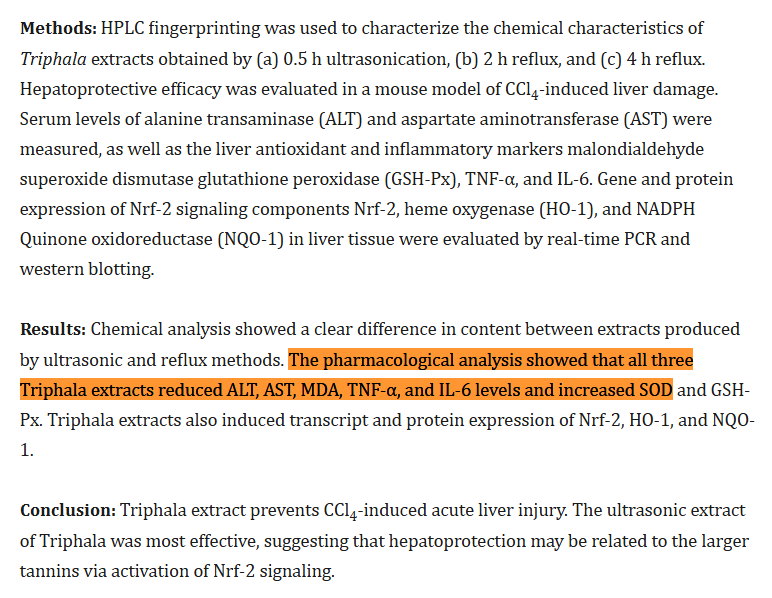
Source: Skin Manifestations of Diabetes Mellitus, Elise Edwards, BA and Gil Yosipovitch, MD.
#10 Frequent Mood Swings and Irritability
If you’ve been feeling unusually snappy, low, or emotionally off, it may be easy to blame work stress, lack of sleep, or even just a bad day. And sometimes, that’s all it is. But if mood swings, irritability, or persistent feelings of anxiety seem to be becoming part of your daily life, it could be your body’s way of waving a red flag.Blood sugar fluctuations impact brain chemistry. When glucose levels are too high or too low, it can interfere with neurotransmitters like serotonin and dopamine, the ones responsible for regulating mood and emotional balance. Research from The American Journal of Psychiatry even points to a strong link between poorly managed diabetes and higher rates of anxiety, depression, and cognitive challenges.
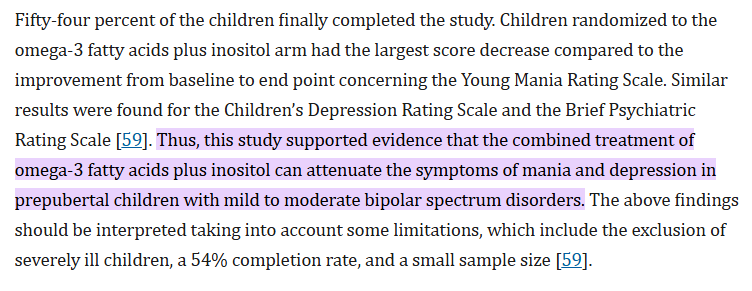
Sources: Bădescu, S., Tătaru, C., Kobylinska, L., Georgescu, E., Zahiu, D., Zăgrean, A., & Zăgrean, L. (2016). The association between Diabetes mellitus and Depression. Journal of Medicine and Life, 9(2), 120. https://pmc.ncbi.nlm.nih.gov/articles/PMC4863499/
That said, mood changes can also arise from hormonal shifts, thyroid issues, chronic stress, or psychological conditions. It’s important not to jump to conclusions based on one symptom alone. But if mood swings come along with persistent thirst, fatigue, frequent urination, or any of the earlier signs we discussed, it’s a good idea to get a medical checkup. Your emotions are deeply tied to your body’s internal balance—sometimes, they’re the first voice that something deeper needs attention.
Important Disclaimer: This blog is intended to educate and create gentle awareness—not to diagnose or alarm. Many of the symptoms discussed—such as tiredness, mood swings, or weight changes—can happen for various reasons unrelated to diabetes. This blog is not a substitute for professional diagnosis or medical advice. If you notice multiple persistent symptoms or if something feels off, do not self-diagnose. Reach out to a qualified healthcare provider, undergo the tests they recommend, and make informed decisions under expert guidance. Everybody is unique. Professional evaluation ensures that you receive the care that’s right for you.
What to Do If You Notice Any Early Signs of Diabetes
If you recognize multiple symptoms persisting together, such as frequent thirst, unusual fatigue, blurred vision, or increased hunger, please reach out to your healthcare provider.
This blog is not a tool for self-diagnosis. Only your doctor can guide you with the appropriate assessments, such as prescribed blood sugar tests or related investigations, to arrive at an accurate understanding.If you are diagnosed with prediabetes or diabetes, consider this a call to action, not a label.
It’s a turning point to reflect on what habits, nutrition patterns, or lifestyle stressors may have contributed.
While genetic predisposition plays a role, multiple studies (like the landmark Diabetes Prevention Program, 2002) show that lifestyle factors account for over 60–70% of type 2 diabetes development, and more importantly, management.Here’s how you can start reclaiming your health through structured, sustainable steps.
Final Word: Listening to Your Body Is the First Step to Managing the Early Signs of Diabetes
Your body is always communicating with you through energy, sleep, hunger, thirst, and recovery. The early symptoms of diabetes aren’t punishments; they are signals. Gentle nudges asking us to pause, reflect, and realign.If you are noticing these signs, see it not as fear—but as an invitation to build a healthier, stronger you.
Health isn’t about perfection; it’s about progress.
Every small step matters: one mindful meal, one evening walk, one early night of good sleep, one choice to manage stress differently.You don’t have to experience this alone, we help you find a way. Get the right guidance. Build the right habits. Because when you start honoring your body’s messages, healing doesn’t just become possible—it becomes inevitable.Stay aware, stay proactive—and remember: The future of your health is being shaped today, one choice at a time. The human body has a beautiful intelligence within, is stronger than you know. Diabetes management isn’t about quick fixes. It’s about building the kind of life where your body feels safe, nourished, and balanced again, one mindful step at a time.
Ready to Make Your Sleep Health a Priority?
Start your journey with one positive action today.
Check Out Our Prediabetes and Diabetes Program.
Looking for personalized advice? Reach Out to Team Luke’s Integrative Health Coaches!
Book a one-on-one with our team. Call: 1800 102 0253 or write to us at [email protected].
Disclaimer: The information provided in this blog is intended for educational purposes only and is not a substitute for professional medical advice, diagnosis, or treatment. Always consult with your healthcare provider before making any changes to your nutrition, exercise routine, or lifestyle. The effectiveness of the REM sleep vs deep sleep strategies mentioned may differ from person to person. The content is based on current research, but it is important to remember that science and health recommendations may evolve over time.