

If medication alone were enough, why would chronic disease continue to rise in India and across the world?
What is the missing piece that science keeps pointing to? Let’s explore.

In today’s world, healthcare often feels simplified to a single message: take the medication and everything else will fall into place.
Eat what you want, live how you can, and trust that the prescription will manage the rest. This belief is understandable. Modern medicine has saved countless lives, reduced suffering, and transformed outcomes that were once considered impossible.
In our line of work, we deeply respect the role of medication. It is essential, life-saving, and in many cases non-negotiable.
- Medications help stabilize conditions, control symptoms, and reduce immediate risk. They are a crucial part of the care process.
But they were never designed to work in isolation.
What decades of high-quality research now consistently show is this: medication works best when it is supported by lifestyle, not when it is expected to replace it.
- When lifestyle is ignored, treatment outcomes often plateau.
- When lifestyle is addressed, outcomes improve, sometimes dramatically.
This is not about choosing between medication and lifestyle. It is about understanding their roles clearly. Medication helps manage the disease. Lifestyle shapes the environment in which the body heals, adapts, and responds.
This is where the concept of foundational medicine becomes critical.
Foundational medicine focuses on addressing the root causes of chronic disease, such as inflammation, metabolic dysfunction, poor sleep, chronic stress, and sedentary lifestyle, rather than merely suppressing symptoms. These influence how well medications work, how the disease progresses, and how the body recovers over time.
Here, we will explore:
- What the science actually shows across some of the most common chronic conditions seen today, including diabetes, heart disease, obesity, depression, cancer survivorship, and respiratory disorders.
- We will examine why medication alone often falls short, how lifestyle interventions enhance treatment outcomes, and what a truly integrated approach to health looks like in practice.
Most importantly, we aim to shift the conversation from managing disease in isolation to building the foundations that support long-term health, resilience, and quality of life.
The Reality of Chronic Disease in India: Why This Conversation Matters
When we talk about chronic disease in India, we are not talking about rare conditions that affect a small number of people. We are talking about everyday life, the lived reality of millions of Indian families.
Chronic diseases like type 2 diabetes, hypertension, heart disease, obesity, depression, and respiratory illnesses aren’t distant problems that occur to ‘other people.’ They are here, at scale, and they are often beginning earlier in life than we assume.
Research shows:
- Multiple chronic conditions (multi-morbidity), when two or more diseases exist together, are increasingly common even among young and middle-aged adults in India.
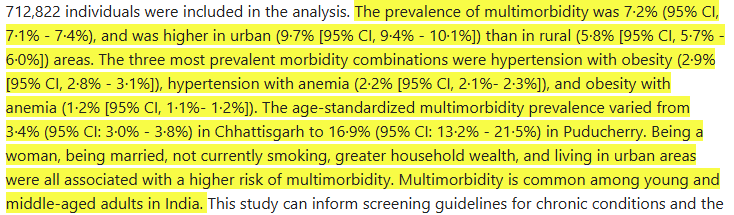
- According to an analysis of nationally representative health survey data, the prevalence of multi-morbidity was around 7.2% among individuals aged 15-49 years, with higher rates in urban settings and among wealthier populations, illustrating that chronic disease is not confined to older adults alone.
At the same time, larger population estimates suggest that as many as 45% of Indian adults report at least one chronic condition, and this burden increases with age.

This reflects the size of the challenge in India today, and even more importantly, they reflect the unfinished business of chronic disease prevention and care.

Why This Matters
- Top chronic conditions are highly prevalent: In India, conditions like diabetes and hypertension together account for more than two-thirds of all chronic disease cases, and they are major drivers of disability and mortality. (Source: Rana RK, et al. Correlates of diabetes mellitus and hypertension in India: Change as evidenced from NFHS- 4 and 5 during 2015-2021. PLoS One. 2024 Jul 18;19(7):e0305223. doi: 10.1371/journal.pone.0305223. PMID: 39024279; PMCID: PMC11257250.)
- Early onset and life impact: Chronic diseases are no longer confined to old age. This early onset means decades of disease management ahead, and often decades of medication dependency unless lifestyle drivers are addressed.
- Multi-morbidity is rising: Having more than one chronic condition at the same time (multi-morbidity) is becoming common, and this combination dramatically increases the complexity of care and healthcare burden.
- Many are managing numbers, not health: Here’s the uncomfortable truth: Millions of people in India are controlling blood sugar, blood pressure, or cholesterol numbers, but they are still living with symptoms, reduced quality of life, and progressive disease burden. Treatment becomes about stabilizing test results rather than improving overall health.
- Mental health is often under-recognized: Although officially reported rates of depression may appear low, mental health conditions are chronically under-diagnosed and integrated into broader chronic disease risk, especially in people with diabetes, hypertension, and respiratory illness.
- The economic and social toll is real: Chronic diseases don’t just affect individuals; they affect families, workplaces, and communities. Long-term care costs, loss of productive years, and emotional stress are part of the wider impact, especially in low- and middle-income settings.
What Medications Do Well and Where They Fall Short
Modern medicine has given us extraordinary tools. They reduce suffering. They prevent emergencies. And for many people, they are essential—sometimes urgently so.
At Team Luke, we are very clear about this: medication is not the enemy.
In fact, for most chronic conditions, medication plays a critical role in stabilizing disease, reducing immediate risk, and protecting vital organs while deeper healing work begins.
What Medications Do Exceptionally Well
Medications are designed to intervene at specific biochemical pathways. When used appropriately, they can:
- Lower blood sugar levels in diabetes
- Reduce blood pressure in hypertension
- Control cholesterol markers linked to cardiovascular risk
- Suppress symptoms like breathlessness, pain, low mood, or inflammation
- Prevent acute events such as heart attacks, strokes, asthma exacerbations, or severe depressive episodes
In many cases, medication creates a window of safety.
- It buys time.
- It reduces immediate danger.
- It allows the body to function while the individual regains stability.
This is why medication is often necessary, especially in moderate to advanced disease.
But here is where the conversation must become more complete.
Where Medications Begin to Fall Short
While medications are effective at managing numbers and symptoms, they are not designed to correct the underlying biological environment in which chronic disease develops.
Even the most advanced drugs do not:
- Reverse insulin resistance, the core driver of type 2 diabetes
- Resolve chronic, low-grade inflammation, which fuels heart disease, cancer progression, and autoimmune conditions
- Restore circadian rhythm disruption, which affects hormones, immunity, metabolism, and mental health
- Rewire stress physiology, including chronically elevated cortisol and sympathetic overdrive
- Correct sedentary biology, poor sleep architecture, or nutrient-deficient meals
In simple terms, medication can calm the surface, but it does not change the soil or environment in which chronic disease thrives.
When these root drivers remain untouched, disease does not truly stop. It often continues silently, even when lab values appear ‘controlled.’
Managing Disease vs. Restoring Health
This distinction is crucial. Many individuals are told their condition is ‘under control’ because their numbers fall within range. Yet they continue to experience:
- Fatigue
- Poor sleep
- Weight gain
- Digestive issues
- Anxiety or low mood
Progressive dependence on additional medications
This is not a failure on the part of medicine; it is a limitation of symptom-focused care when used alone.
Large public health reviews have consistently shown that while medications reduce symptoms and acute risks, they do not address the behavioral, metabolic, and lifestyle drivers responsible for long-term disease progression.
What the Research Clearly Shows
High-level public health reviews and multi-morbidity analyses confirm that medication-only approaches rarely lead to disease reversal or long-term improvement in chronic conditions without concurrent lifestyle and behavioral interventions.

- A major review highlighted that sustainable chronic disease outcomes depend on addressing physical activity, nutrition, sleep, and stress, not pharmacotherapy alone.
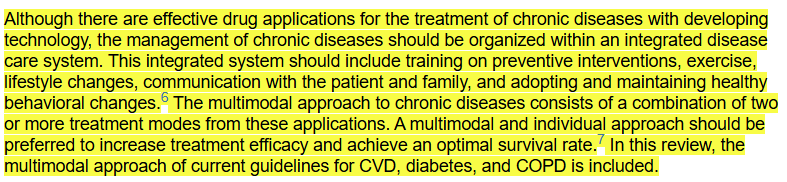
- A widely cited review found that treating individual diseases with medications, without addressing shared lifestyle and metabolic drivers, leads to escalating disease burden and polypharmacy rather than recovery. (PMID: 16095434)
The science is clear: medications manage disease expression, not disease origin.
The Foundational Drivers of Chronic Disease (The Missing Layer)
Across chronic diseases, research shows a clear pattern: different diagnoses, same underlying drivers. These drivers shape how disease develops, progresses, and responds to treatment.
- Chronic Inflammation: Persistent inflammation underlies diabetes, heart disease, cancer, and depression. Medications may suppress markers, but inflammation continues when nutrition, sleep, stress, and movement remain unaddressed.
- Metabolic Dysfunction: Insulin resistance is a shared pathway across diabetes, obesity, heart disease, and hormonal imbalance. Blood sugar can be controlled with drugs, but metabolic health is restored through lifestyle.
- Poor Sleep & Circadian Disruption: Sleep governs repair, immunity, hormones, and inflammation. Disrupted sleep worsens weight gain, insulin resistance, and disease progression. No medication replaces deep, restorative sleep.
- Chronic Stress & Nervous System Dysregulation: Ongoing stress keeps the body in survival mode—raising cortisol, blood pressure, and inflammation. Medications may calm symptoms, but healing requires nervous system regulation.
- Sedentary Living & Muscle Loss: Inactivity and muscle loss drive insulin resistance, metabolic decline, and faster ageing. Movement is a biological necessity, not a fitness choice.
When foundations are strong, medications often work more effectively, require lower doses, and deliver better long-term outcomes. And this is exactly where foundational medicine becomes not optional, but essential.
This is why we launched foundational medicine.
What Is Foundational Medicine?
Foundational Medicine is the science of giving the body what it truly needs to heal.
This means strengthening six non-negotiable pillars:
- Food science & nutrient synergy: Dietary patterns such as Mediterranean and DASH reduce inflammation, insulin resistance, and disease risk across diabetes, heart disease, cancer, and CKD. (PMID: 39143663, PMID: 41229546) Whole, local, bio-individual nutrition reduces inflammation and supports metabolic health. It influences hormones, immunity, and cellular repair, not just calories.
- Adequate and holistic movement: Regular, appropriate movement improves insulin sensitivity, cardiovascular health, immune function, mental health, and survival outcomes in chronic disease. It slows the decline in kidney and respiratory conditions and protects muscle mass. (British Journal of Sports Medicine 2017;51:1459-1465.)
- Deep, restorative sleep: Sleep duration and quality directly influence metabolic health, cancer risk, cardiovascular disease, and depression. (Brain, Behavior, and Immunity, Volume 16, Issue 5, 2002, Pages 503-512, ISSN 0889-1591)
Emotional wellness & mental health: Stress regulation improves treatment response and long-term outcomes. (Psychoneuroendocrinology, Volume 159, January 2024, 106415) - Connection with nature (internal and external): Sunlight, fresh air, social connection, and reduced toxin exposure directly shape biology. Supportive environments improve adherence, recovery, and long-term health outcomes. (Front. Nutr., 08 March 2022, Sec. Clinical Nutrition, Volume 9 – 2022)
- Equally important is the internal environment: how we cultivate our inner world through thoughts, values, emotional regulation, and our relationship with ourselves and others. Together, these internal and external environments shape adherence, recovery capacity, and long-term health outcomes.
Spirit and breathwork: Breath regulation and nervous system balance influence heart rate variability, stress hormones, immune response, and spirit, key drivers of chronic disease progression. (J Res Med Dent Sci, 2021, 9 (4):267-275)
Simply put: Drugs may dampen the fire, but lifestyle removes the fuel.
Now, let’s explore how this synergy works across major chronic diseases.
What the Science Actually Shows — Lifestyle vs Medication vs Both
Let’s state this clearly.
This isn’t philosophy or preference. It’s what decades of high-quality research consistently show across chronic disease.
Type 2 Diabetes
Large prevention trials demonstrate that structured lifestyle interventions outperform metformin alone in preventing progression from prediabetes to diabetes. These benefits persist for years. (BMC Endocrine Disorders (2023); Nutrients (2019))
When medication is combined with lifestyle correction, studies show:
- Better glycemic control
- Improved insulin sensitivity
- Higher remission rates

Hypertension & Cardiovascular Disease
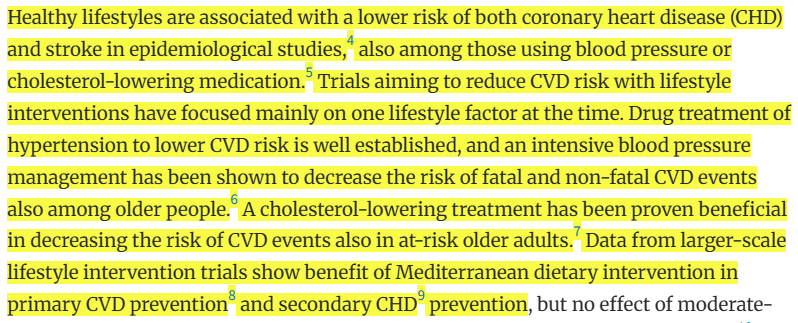
Multifactorial lifestyle interventions, such as nutrition, movement, and stress reduction, reduce blood pressure and cardiovascular events significantly.

Depression
Systematic reviews show exercise to be comparable to antidepressants for mild to moderate depression. Lifestyle approaches also improve relapse prevention when used alongside medication.

Obesity
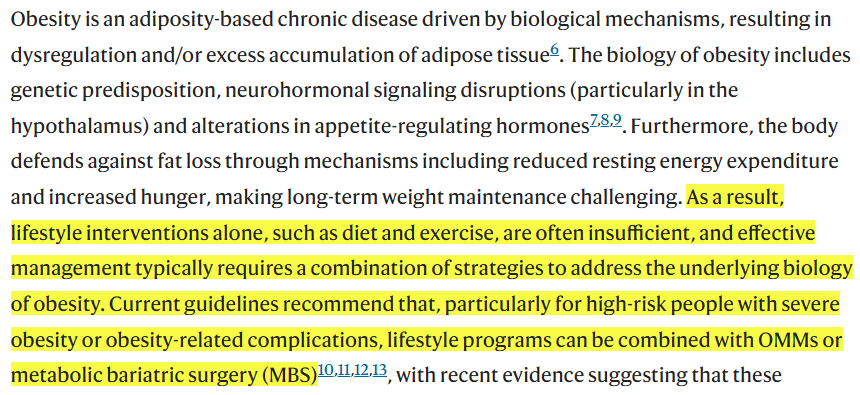
Lifestyle modification is foundational. Pharmacotherapy (including GLP-1 agonists) produces significantly better weight loss and cardiometabolic outcomes when layered onto lifestyle, not used in isolation.

Cancer
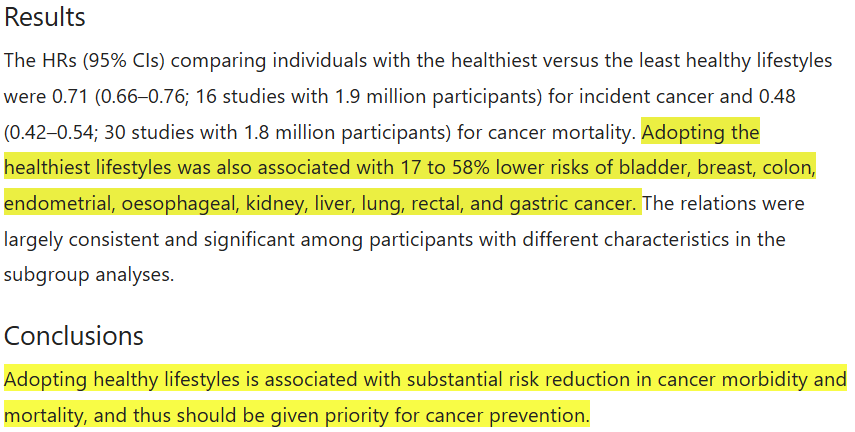
Prospective cohort studies show that adherence to healthy lifestyle patterns:
- Reduces cancer incidence
- Lowers cancer-related mortality
In survivors, lifestyle interventions improve:
- Quality of life
- Physical capacity
- Mental well-being
- Recurrence risk
Often outperforming supportive care alone.

Chronic Kidney Disease (CKD), Chronic Obstructive Pulmonary Disease (COPD) & Asthma
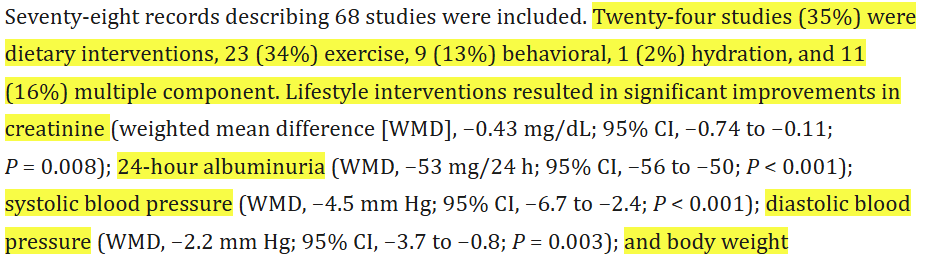
Lifestyle interventions (nutrition, movement, weight management, behavioral changes):
- Slow disease progression
- Preserve organ function
- Improve quality of life
Benefits are consistently amplified when combined with standard medical care.

What the Research Shows (At a Glance)
| Condition | Lifestyle Alone | Medication Alone | Lifestyle + Medication |
| Type 2 Diabetes | Prevents progression | Controls glucose | Best for control & remission |
| Hypertension/CVD | Lowers BP & risk | Controls BP | Lowest mortality |
| Depression | Comparable efficacy | Symptom stabilisation | Best relapse prevention |
| Obesity | Foundational | Effective short-term | Best long-term outcomes |
| Cancer | Lowers risk & recurrence | Treats disease | Better survival & QoL |
| CKD/COPD/Asthma | Slows progression | Manages symptoms | Best function & QoL |
Why ‘Lifestyle First’ Is Not About Blame or Perfection
When people hear ‘lifestyle,’ many feel guilt, fear, or overwhelm.
That response is understandable, and it matters that we address it clearly.
- It is not about punishment or perfection.
- It does not label people as ‘good’ or ‘bad.’
- It does not expect overnight change or unrealistic routines.
Chronic disease develops over years, shaped by biology, environment, stress, access, and circumstances, often outside personal control. At Team Luke, a lifestyle-first approach means:
- Meeting you exactly where you are
- Working within your reality
- Making small, sustainable shifts that compound over time
This is not about doing everything right. It is about doing what is possible, consistently and compassionately.
You don’t have to imagine what this looks like in real life.
Read the stories of people who chose foundations over shortcuts, and rewrote their health journeys through consistent, personalized lifestyle changes.
Explore our real-life testimonials and see what foundational medicine can make possible.
The Future of Health Is Integrated and Foundational, Not Isolated
The science is clear and consistent.
Across randomized controlled trials, large cohort studies, and meta-analyses, medication alone does not deliver optimal short-term or long-term outcomes in chronic disease. While medications are essential for managing symptoms and acute risks, they do not correct the underlying drivers—chronic inflammation, metabolic dysfunction, circadian disruption, stress physiology, and behavioral patterns that fuel disease progression.
Lifestyle interventions address these root causes, prevent disease progression, improve remission rates, slow decline, and enhance quality of life.
And that is where lasting health begins when individuals are informed, not influenced; educated, not overwhelmed.
Disclaimer: This blog is for educational and informational purposes only and is not a substitute for professional medical advice, diagnosis, or treatment. Always seek the advice of your physician or qualified healthcare provider with any questions you may have regarding a medical condition.
If you’re struggling with any chronic diseases, don’t wait.
Set up a one-on-one consultation with our team or explore our Wellness Programs to optimize your skin health.
Reach out to us at 1800 102 0253 or write to us at consults@lukecoutinho.com.

Start Your Wellness Journey
Feeling inspired to take the next step in your wellness journey? Connect with us to explore how our tailored programs can support your health journey. Your transformation is just a conversation away.