No products in the cart.
You take probiotics. You cut out certain foods. The bloating eases a little. Then it comes back, sometimes worse than before.
If this sounds familiar, you are not alone. And you are probably dealing with something that goes much deeper than “bad gut bacteria.”
Let’s talk about SIBO, what it actually is, why so many people stay stuck in a cycle of temporary relief and relapse, and what real recovery actually looks like.

Image Credits: Freepik
What Is SIBO?
SIBO stands for Small Intestinal Bacterial Overgrowth. In simple terms, bacteria that belong in the large intestine migrate into the small intestine, a place that is specifically meant to:
- Break down food
- Absorb nutrients
- Move contents forward efficiently
When bacteria overgrow in the small intestine, they cause early fermentation of food, excess gas and bloating, nutrient theft (meaning your body cannot absorb what it needs), toxin production, gut irritation, and slowed gut movement.
This cascade leads to bloating, pain, bowel changes, fatigue, and nutritional deficiencies that can affect your whole body.
One critical thing to understand: SIBO is not an infection. It is a disorder of:
- Motility, which refers to how well your gut moves
- Structure, including adhesions, surgeries, and anatomical changes
- Function, covering digestive capacity and nerve signaling
SIBO is a consequence of something deeper going wrong in the system. That is the lens through which it must be treated.
Common Symptoms of SIBO
- Severe bloating, especially after meals
- Visible abdominal distension, where the stomach looks swollen
- Excess gas
- Constipation, diarrhea, or both alternating
- Early satiety, meaning feeling full very quickly
- Increasing food intolerances that seem to grow over time
SIBO does not stay limited to the gut. As nutrient absorption suffers and inflammation rises, symptoms become systemic and are frequently missed or misattributed:
- Brain fog
- Chronic fatigue
- Anxiety or low mood
- Joint pain
- Skin issues
- Deficiencies in B12, iron, and fat-soluble vitamins
If you are experiencing a combination of these gut and systemic symptoms together, SIBO deserves to be on your radar.
Root Causes of SIBO
Understanding why SIBO develops is the foundation of treating it effectively. There are four key root causes.
1. Impaired Gut Motility The Migrating Motor Complex (MMC) is the gut’s natural cleaning wave that sweeps bacteria downward between meals. When this is weak or absent, food and bacteria stagnate in the small intestine. Common triggers include chronic stress, hypothyroidism, diabetes, post-infection changes, and aging.
2. Low Stomach Acid Stomach acid acts as a natural barrier that limits bacterial survival. When levels drop, bacteria survive and migrate upward into the small intestine. Causes include chronic stress, long-term use of proton pump inhibitors (PPIs), zinc deficiency, and aging.
3. Structural or Functional Issues Physical changes can trap bacteria in the small intestine. Examples include adhesions, prior abdominal surgeries, IBS, diverticula, and ileocecal valve dysfunction. These create conditions where bacteria cannot be cleared effectively.
4. Poor Bile and Pancreatic Enzyme Flow Weak bile or enzyme flow reduces bacterial control and leaves undigested food behind, creating the perfect environment for overgrowth in the small intestine. Addressing this is often overlooked in standard treatment.
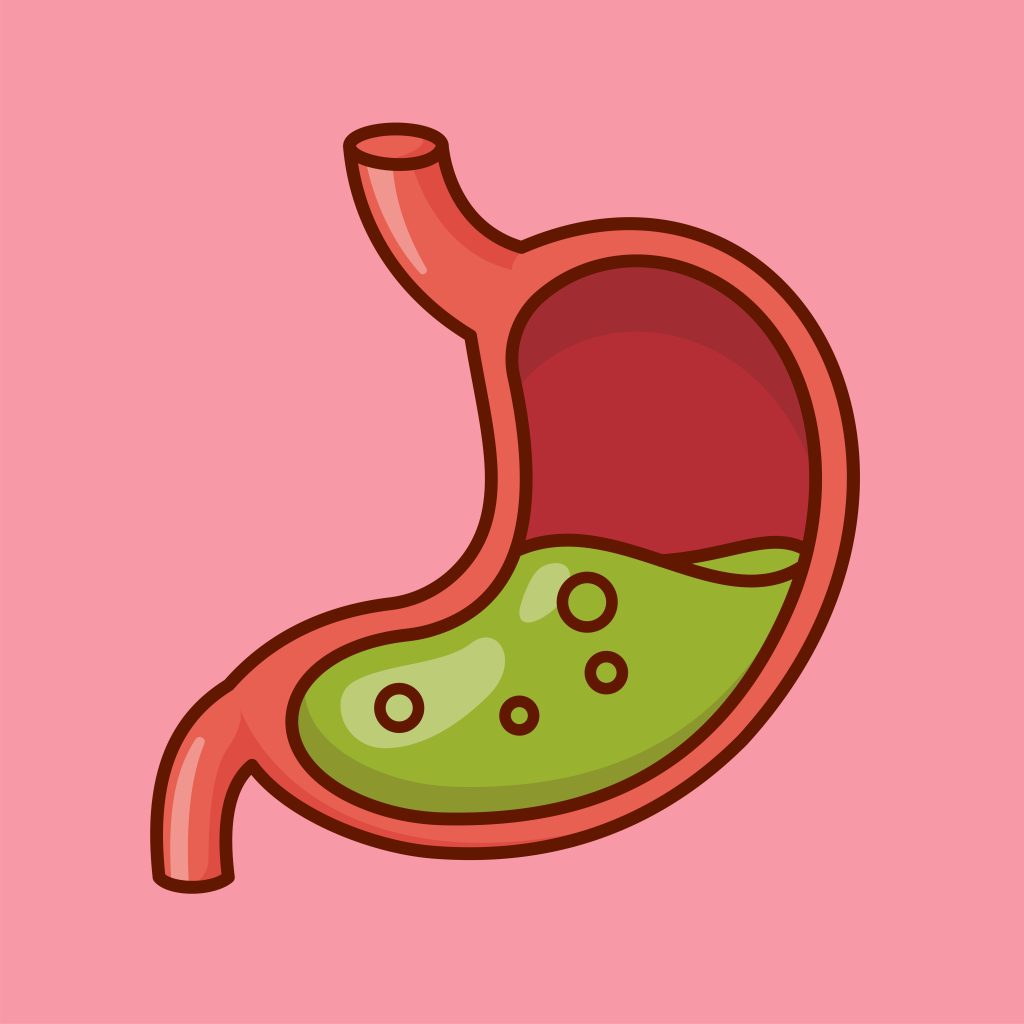
Image Credits: Freepik
How SIBO Is Diagnosed
The most common diagnostic tool is a breath test. You drink a sugar solution (lactulose or glucose), and breath samples are measured over time to detect bacterial gases.
The dominant gas pattern helps identify the SIBO type:
| Gas Pattern | Common Symptoms |
| High Hydrogen | Diarrhea, bloating, cramping, urgency after meals |
| High Methane | Constipation, slow motility, heaviness, weight gain or difficulty losing weight |
| Hydrogen Sulfide | Rotten egg gas, diarrhea, fatigue, headaches, gut burning |
Important note: Breath test results can sometimes be inaccurate. Symptoms and medical history must always be considered alongside the test results before deciding on treatment. No test result exists in isolation.
Why Probiotics Are Not the First Answer
This is where a lot of people go wrong, and it is worth understanding clearly.
SIBO is not a deficiency of good bacteria. It is bacteria in the wrong place. Adding more bacteria to an already overgrown small intestine often makes things significantly worse.
Here is what probiotics actually do in this context:
- Introduce more live bacteria into the gut
- Increase fermentation activity
- Increase gas production
In SIBO, probiotics may colonize the small intestine and worsen existing symptoms. The common mistake is treating SIBO as though it were low good bacteria rather than addressing misplaced bacteria and impaired motility.
Probiotics may help, but only under the right conditions:
- After SIBO is cleared
- Once motility is fully restored
- When digestion and the ileocecal valve function properly
- Using targeted or spore-based strains, not broad-spectrum formulas
The principle here is simple: restore gut function first, then repopulate bacteria later.
SIBO Management and Recovery Protocol
Treatment is not about one pill or one fix. It is a structured, stepwise process that addresses the layers of dysfunction:
- Manage fermentation through diet by reducing bacterial fuel with short-term low-fermentation foods
- Support digestion by optimizing stomach acid, bile flow, and enzyme function
- Target bacterial overgrowth with herbal or pharmaceutical antimicrobials, used strategically and not as a blanket “kill everything” approach
- Restore gut motility through prokinetics, stress management, and proper meal spacing
- Repair the gut lining by reducing inflammation and supporting mucosal healing
- Reintroduce probiotics carefully, only once gut function is restored and symptoms are under control
Without motility repair in particular, relapse is likely regardless of what antimicrobials are used.
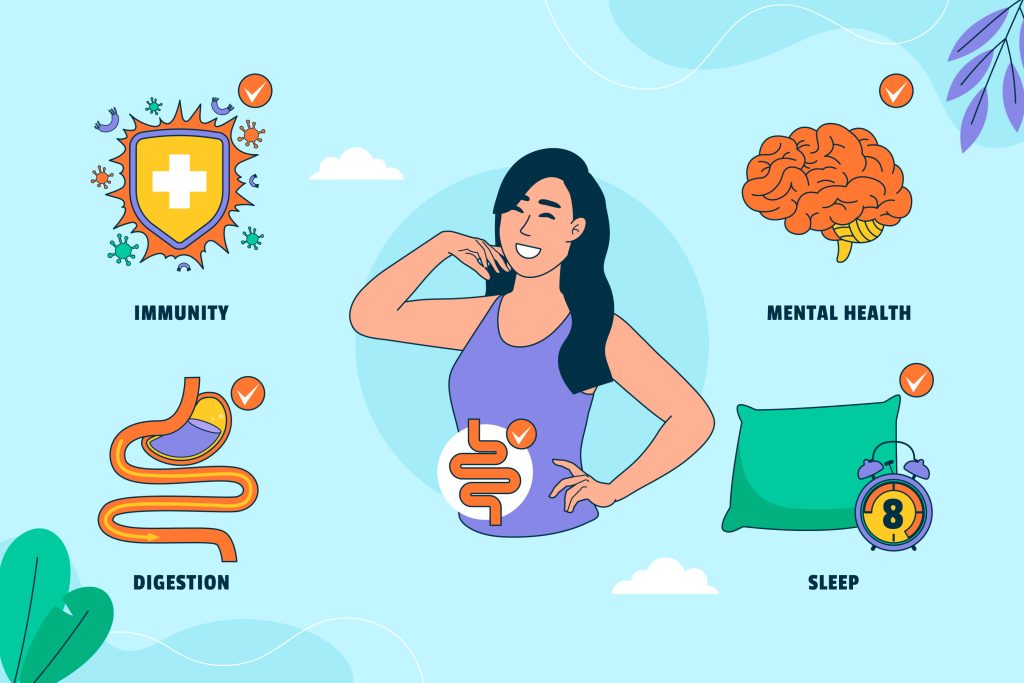
Image Credits: Freepik
The Six Foundational Pillars for Healing
This is where foundational medicine becomes central to the conversation. True recovery from SIBO means rebuilding the internal environment that allowed it to develop in the first place. Here are the six pillars.
Foundation 1: Food Science and Nutrient Synergy
Nutrition manages symptoms but does not cure SIBO. The goal is to reduce bacterial fuel, support digestion, and ease the burden on the gut.
| Category | Examples |
| Low FODMAP | Zucchini, carrots, spinach, bell peppers, pumpkin |
| Low fermentation | Rice, eggs, cooked vegetables, peeled potatoes |
| Stomach acid support | Lemon water, apple cider vinegar, bitters like gentian and dandelion root |
| Bile flow support | Dandelion greens, artichoke, arugula, kale, mustard greens |
| Thyroid and motility support | Brazil nuts, fish, eggs, seaweed (iodine and selenium-rich foods) |
| Anti-inflammatory | Turmeric, ginger, salmon, mackerel, flaxseeds, chia seeds |
| Mucosal healing | Bone broth, cooked squash, chicken with skin and bones, egg whites |
Practical tip: Chew food thoroughly, space your meals properly, and avoid frequent snacking. This allows digestion to complete between meals and prevents bacteria from stagnating in the small intestine.
Foundation 2: Adequate Holistic Movement
Movement is not optional in SIBO recovery. Regular physical activity directly supports the gut in multiple ways:
- Improves gut motility, moving food and bacteria forward
- Lowers stress and balances the nervous system
- Enhances circulation and nutrient delivery
- Helps the gut and nervous system communicate effectively
- Reduces stagnation and supports overall recovery
Helpful approaches include:
- Gentle daily movement, such as walking, swimming, or cycling
- Core and posture exercises, including yoga, Pilates, and stretching
- Deep breathing or breathwork to calm the nervous system
- Avoiding long periods of sitting by taking movement breaks every hour
Foundation 3: Deep Sleep
Sleep is when the gut repairs itself. Poor sleep disrupts gut motility, slows mucosal repair, raises stress hormones that promote overgrowth, and keeps the nervous system dysregulated.
Tips for better sleep:
- Maintain consistent bedtime and wake-up times
- Keep the bedroom dark, quiet, and cool
- Avoid screens one to two hours before bed
- Include relaxing pre-sleep routines such as reading, meditation, or gentle stretching
- Prioritize seven to nine hours of quality sleep consistently
Foundation 4: Emotional Wellness and Mental Health
The gut-brain connection is not a concept. It is a physiological reality.
- Chronic stress slows gut movement, increases inflammation, and worsens nutrient absorption.
- Unresolved emotional stress and anxiety can directly sustain and worsen SIBO.
This is why emotional wellness is a non-negotiable part of the healing process:
- Stress slows the gut, allowing bacteria to stagnate
- Chronic anxiety and low mood increase systemic inflammation
- Emotional imbalance disrupts digestion and nutrient absorption
Tips to support mental wellness:
- Practice mindfulness or meditation daily
- Journaling or emotional processing exercises
- Gentle movement, like yoga or walking
- Seek therapy or counselling if needed
- Deep breathing and relaxation routines as a daily anchor
Foundation 5: Nature & Internal and External Environment
Both your internal terrain and your external environment shape gut health in ways that are often overlooked.
- Internal factors such as hormone balance, gut pH, inflammation levels, and nutrient status all affect how bacteria grow and whether SIBO can take hold.
- External factors, including air quality, sunlight, exposure to toxins, and time in nature, influence immunity, stress levels, and gut function.
Tips to improve your environment:
- Spend time outdoors daily to access sunlight, fresh air, and natural settings
- Minimize exposure to toxins such as processed foods, synthetic chemicals, and excessive plastics
- Create a calm, low-stress home environment
- Practice grounding or mindfulness in natural settings
Foundation 6: Breathwork and Spirit
A calm nervous system is not a nice-to-have in SIBO recovery. It is essential. When the body is in a chronic stress state, gut motility slows, digestive function suffers, and the conditions for overgrowth persist.
- Breathwork and mindfulness practices calm the nervous system, lower the stress hormones linked to overgrowth, and strengthen the mind-body connection that underpins digestive health. Healing is not only physical.
- Breathing and nervous system regulation directly influence gut repair.
Tips to incorporate breathwork and spiritual practice:
- Daily deep breathing exercises such as diaphragmatic breathing or box breathing
- Meditation or mindfulness practice
- Gratitude journaling or reflective routines
- Gentle yoga or qigong to connect body and mind

Image Credits: Freepik
Supplementation: Only Under Expert Guidance
Targeted supplements and medications can support recovery, but they should only be used under the supervision of a qualified doctor, nutritionist, or practitioner. Needs vary depending on the SIBO type and the individual.
- Digestive support: Digestive enzymes help break down proteins, fats, and carbohydrates; bile support aids fat digestion when needed
- Targeted antimicrobials: Herbal options such as oregano oil and berberine, or pharmaceutical options such as rifaximin; short strategic protocols are preferred
- Motility support (prokinetics): Stimulates gut movement to prevent stagnation; works best alongside stress management and proper meal spacing
- Probiotics: Only spore-based or targeted strains, short-term use, and only when symptoms are controlled and motility is restored
These support treatment. They are not a substitute for foundational healing.
The Last Word
SIBO keeps coming back when the foundations are not addressed.
Medication and antimicrobials have their place. In many cases, they are necessary. But treatment alone, without rebuilding gut motility, digestion, stress regulation, and sleep, often leads to relapse.
Foundational medicine is not about adding more supplements. It is about understanding why SIBO developed in the first place and rebuilding an internal environment that supports true recovery.
Heal the system. Not just the symptoms.
Be educated, not influenced.
Disclaimer: The information provided here is for educational and informational purposes only. It is not intended as a substitute for professional medical advice, diagnosis, or treatment. Always consult your healthcare provider before making changes to your nutrition, lifestyle, or healthcare regimen, especially if you have existing medical conditions or are taking prescribed medications.
Want personalized guidance on SIBO or any other gut health issues?
We help you find a way.
Set up a one-on-one consultation with our integrative team or explore our Gut Care Program to optimize your lifestyle goals.
Reach out to us at 1800 102 0253 or write to us at [email protected].