

No gym? No problem! Your living room, balcony, or even bedroom can become your personal fitness zone. I’ve met so many people who tell me, “Luke, I just don’t have time for the gym.” Between long work hours, endless traffic, family commitments, and travel, I completely understand how difficult it can be to stay consistent.
But here’s the truth: Fitness doesn’t have to depend on gym memberships, fancy equipment, or hour-long sessions. In fact, some of the best home fitness workouts I’ve seen clients follow are simple, flexible, and require nothing more than your body weight and consistency.
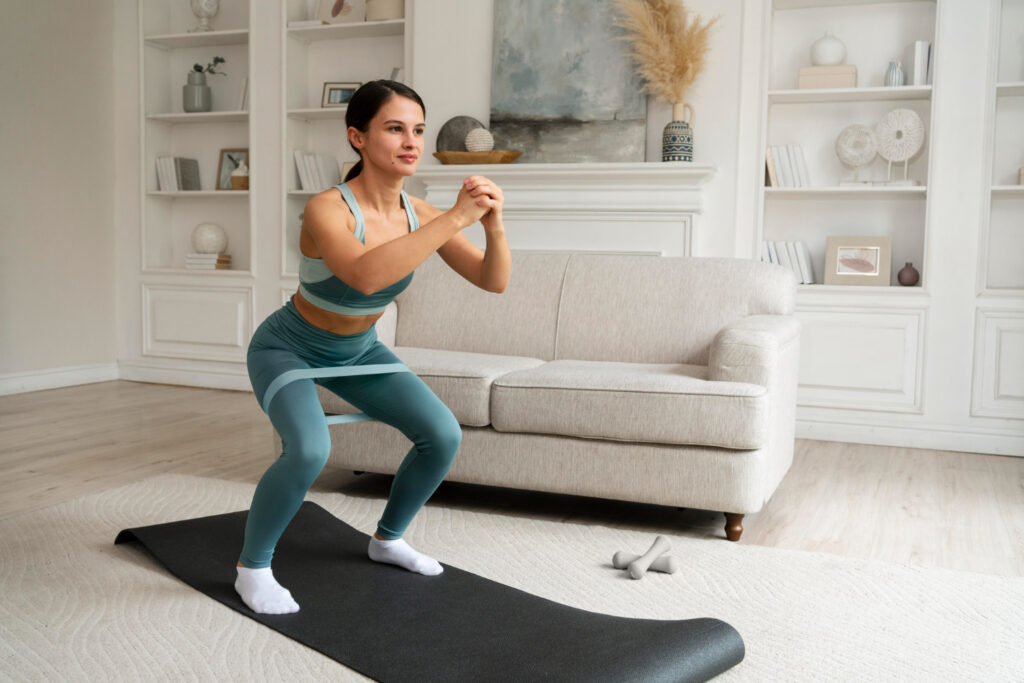
When we think about fitness routines at home, it’s not just about burning calories. It’s about creating a daily rhythm that supports your health, metabolism, and mindset — something you can sustain even on your busiest days or while traveling.
You don’t need to lift heavy weights or spend hours at the gym to stay fit. What you do need is a plan — a realistic, enjoyable, and workout schedule without equipment that gets your heart pumping, muscles moving, and mind refreshed.
Here, we’ll explore:
- How to build that routine step-by-step, from simple stretches and Surya Namaskar to short bursts of activity and powerful exercises at home that make every minute count.
Backed by research and real-life experience from my global clients, this is your comprehensive guide to staying fit, healthy, and consistent from the comfort of your own home.
Why Are Home Workouts a Game-Changer? (Top Benefits Explained)
Many of my clients used to believe they could only get results if they joined a gym. But when life got busy — deadlines, travel, kids, or late nights — the gym was the first thing they dropped. And that’s where home workouts became a game-changer.
With the best home fitness workouts, you don’t need to wait for the perfect time or place. You can move your body anywhere — in your living room between meetings, at the airport before a flight, or in your hotel room while traveling.
1. Flexible and Time-Saving
When you work out at home, you’re in charge. You can squeeze in a 10-minute yoga flow before your morning coffee, a few squats while your food cooks, or a quick stretch break between Zoom calls. The beauty of fitness routines at home is that they adapt to your life — not the other way around.
2. Cost-Effective and Simple
No memberships. No expensive machines. No travel time. Just your body weight, your breath, and your intention. Some of the most effective movements — squats, push-ups, planks, and Surya Namaskar — require zero equipment. You can design a powerful workout schedule without equipment that strengthens, tones, and energizes you daily.
3. Comfort and Privacy
Not everyone feels comfortable walking into a crowded gym, and that’s okay. Your home offers privacy, comfort, and freedom from judgment. You can move at your pace, experiment with different types of exercise at home, and focus on form and mindfulness without distraction.
Consistency beats intensity.
Ten mindful minutes daily are better than one intense workout a week.
The goal is not to push your body to exhaustion — it’s to build a habit that you can sustain. When you focus on showing up each day, even in small ways, your body begins to respond beautifully.
Types of Exercises You Can Do at Home: Cardio, Strength, Flexibility, and More
When it comes to fitness, balance is everything. A sustainable routine doesn’t rely only on one form of movement; it blends strength, mobility, and endurance. The good news? You can achieve all of this without stepping into a gym.
Some of the best home fitness workouts come from simple bodyweight movements that you can do in your living room, balcony, or even while traveling. When you understand the right types of exercise at home, you’ll realize how easy it is to stay consistent, build strength, and enhance energy every single day.
Cardio for Heart Health
Cardio keeps your heart strong, your metabolism active, and your energy levels up. You don’t need a treadmill for that — you can:
- Do jumping jacks or skipping for 3–5 minutes
- Take the stairs instead of the elevator
- Try interval walking, alternating between brisk and slow pace during your morning walk
These simple, consistent movements improve circulation, oxygen flow, and endurance. According to research, High-Intensity Interval Training (HIIT) can improve cardiovascular health — making it one of the best home fitness workouts for busy individuals.

Just remember, HIIT isn’t for everyone. If you have thyroid, joint, or autoimmune concerns, consult your doctor before starting.
View this post on Instagram
Home Strength Training — Build a Workout Schedule Without Any Equipment
Strength training isn’t just for building muscles — it’s for longevity. It improves bone density, posture, and metabolism. You can start small:
- Squats, push-ups, lunges, and planks are classics for a reason.
- Use water bottles, a backpack filled with books, or resistance bands for extra challenges.
- Focus on slow, mindful movements — as I often say, “Don’t rush the rep; feel the muscle.”
Bodyweight exercises done with correct form and progression can be as effective as gym-based training for improving strength and mobility.
Flexibility Workouts at Home — Yoga and Balance Routines
This is where yoga and stretching come in. They help reduce stiffness, improve circulation, and calm the nervous system.
One of my personal favorites? Surya Namaskar.
- Just 5–10 rounds can work every major muscle group while synchronizing your breath with movement. Whether you’re short on time or traveling, Surya Namaskar is your go-to full-body practice.
Salute the Sun: How a 15-Minute Daily Surya Namaskar Can Supercharge Your Mornings
Yoga, when combined with breathwork, activates your parasympathetic nervous system — the state of rest, repair, and recovery. Multiple studies have shown yoga’s effectiveness in reducing stress and inflammation while enhancing flexibility and lung capacity.
You can create powerful fitness routines at home by mixing short yoga flows with mobility drills. This balance of flexibility and strength keeps your joints healthy and your mind centered.
Best Home Fitness Workouts for Core Strength
Your core isn’t just your abs — it’s your body’s control center. A strong core stabilizes your spine, improves posture, and prevents injuries.
Try adding these to your workout schedule without equipment:
- Planks (regular, side, and reverse)
- Mountain climbers
- Leg raises
- Bicycle crunches
- Bird-dogs or dead bugs for spine stability
Even five minutes of targeted core work daily can build endurance and support other movements in your best home fitness workouts.
Bonus: The Concept of Exercise Snacks
If you’ve been following me or listening to my talks, you’ve probably heard me say this often — movement doesn’t have to be long to be effective. I like to call these short bursts of activity “exercise snacks.”
Just like we eat small snacks throughout the day to stay energized, our bodies thrive on small, frequent doses of movement. These micro workouts or fitness routines at home help you stay active, improve circulation, and support metabolic health — especially if you spend long hours sitting.
Imagine this:
- Doing 10 squats after every hour of work.
- A 2-minute stretch between calls.
- A brisk walk after lunch or dinner.
- A few rounds of Surya Namaskar before bed.
Simple, right? But these small moments of movement compound beautifully over time.
Even if your day is packed, there’s always time for a “snack.” Whether it’s a quick set of push-ups, a stair climb, or a few minutes of yoga, each small action tells your body, “I care for you.”
As I always say: “Small wins count. Even five minutes of movement can change how your body and mind feel.”
When you combine these types of exercise at home — cardio, strength, flexibility, and core — you create a powerful, holistic system that supports your physical and emotional well-being.
Best Home Fitness Workouts for Busy Bees
If you’re struggling to find time to work out, remember this — you don’t need an hour to stay fit. Start with what you have. Even 10 minutes of intentional movement can change your energy, focus, and overall health. It’s not about perfection; it’s about consistency.
Here are some of the best home fitness workouts that you can do anywhere — no fancy gym or equipment required.
5–10 Minute Express Routine
Perfect for busy mornings or work breaks — you can do this right in your living room or office space.
Routine: 30 seconds each of:
- Jumping jacks
- Squats
- Push-ups
- Planks
- Rest for 30 seconds and repeat twice.
These short bursts improve blood circulation, enhance focus, and re-energize your body. If you can’t make time for a long session, this simple type of exercise at home can still make a huge difference.
20-Minute Balanced Full-Body Routine
When you have a little more time, this flow covers strength, endurance, and flexibility — everything your body needs to feel alive and balanced.
Routine:
- Warm-up (5 mins): Surya Namaskar or dynamic stretches
- Main circuit (10 mins): Squats, lunges, planks, mountain climbers
- Cool-down (5 mins): Gentle stretches and deep breathing
This is a well-rounded workout schedule without equipment that you can do 3–4 times a week. It engages multiple muscle groups while calming your nervous system — a great way to start or end your day.
HIIT or Interval Workouts for Metabolic Health
If you’re looking for intensity and a quick calorie burn, try High-Intensity Interval Training (HIIT).
Routine: Alternate 30 seconds of effort with 15 seconds rest:
- Jump squats
- Push-ups
- High knees
- Plank shoulder taps
These short, intense rounds can improve cardiovascular fitness and metabolism — making it one of the best home fitness workouts for busy individuals.
Note: Avoid regular HIIT if you have thyroid issues, joint pain, or are overweight. Always consult your doctor or wellness expert before starting.
Sample Home Workout Schedule (No Equipment Needed)
| Day | Focus | Workout Type |
| Monday | Full body | Squats, push-ups, planks |
| Tuesday | Cardio | Jumping jacks, burpees, interval walk |
| Wednesday | Core & balance | Yoga flow, planks, bicycle kicks |
| Thursday | Active rest | Stretching, deep breathing |
| Friday | Full body | Surya Namaskar + Micro circuits |
| Saturday | Optional | Family walk or outdoor play |
| Sunday | Rest | Light yoga or mindful breathing |
Tips to Make Fitness Routines at Home Effective
Here are my tried-and-tested tips to make your best home fitness workouts effective, enjoyable, and sustainable.
1. Create a Dedicated Movement Space
You don’t need a fancy setup. It could be a small corner in your living room, balcony, or even next to your bed. When you assign a space for movement, your mind associates it with energy and focus — a powerful cue to stay consistent.
2. Fix a Consistent Time
Whether it’s early morning, mid-day, or before bed — choose a time that suits your lifestyle and treat it as non-negotiable. Think of it as an appointment with yourself. Over time, your body clock will start expecting movement at that hour.
3. Use What You Have at Home
Your home can be your gym. Use water bottles for resistance, a sturdy chair for step-ups, or a backpack filled with books for added weight. These creative types of exercise at home make your workouts fun and functional — no expensive equipment needed.
4. Track Your Progress
Write it down. Track your workouts, steps, or even how you feel after moving. Progress isn’t always about numbers — sometimes it’s the energy, better sleep, or reduced stiffness that tells you you’re on the right path.
5. Add Music or Guided Sessions
Music changes your mood, and movement changes your energy. Play your favorite playlist, or follow guided workouts from trusted experts online.
6. Make It Social or Accountable
Pair up with a friend, spouse, or colleague. When you share your journey, it adds accountability and joy. Even a simple, “I did it!” message to your accountability buddy can keep you going on days when motivation dips.
7. Focus on Form and Breath
Whether it’s yoga, planks, or squats — slow down. Feel the movement. Sync your breath with your actions. Quality matters more than quantity. This mindful approach turns your workout schedule without equipment into a moving meditation — one that nourishes both body and mind.
8. Keep It Flexible and Fun
Some days, your energy will be high. On other days, you may only manage stretching or a short walk. That’s okay. Fitness isn’t punishment — it’s self-care. Adapt your fitness routines at home to your mood and schedule, but stay consistent with some form of movement daily.
Staying Consistent: How to Stick to Your Home Workout Plan
Consistency is built on small, meaningful habits. Here are five strategies to keep moving, even when motivation dips:
- Plan Movement Windows – Schedule 2–3 short slots daily for quick exercises. Treat them like important meetings.
- Track Energy, Not Just Reps – Note how you feel after each session. Feeling more awake or less stressed is a win.
- Visual Cues Around You – Place your yoga mat, water bottle, or workout shoes where you see them. They act as gentle reminders.
- Pair With Another Habit – Do 5 squats after brushing teeth or a plank during commercial breaks. Movement becomes automatic.
- Celebrate Tiny Wins – Finished a 5-minute core session? Did 10 push-ups? Acknowledge it. Momentum grows from small victories.
The Last Word
You don’t need a gym to be strong, flexible, or energized. Your home — your living room, balcony, or even a quiet corner — can be your personal fitness sanctuary. The key is to make movement simple, consistent, and enjoyable.
The magic happens in small, consistent actions: a set of squats between calls, a 5-minute plank session, or a quick cardio burst. Each little step counts, and over time, they add up to a stronger, healthier, and more energetic you.
Start today. Pick one movement, one micro workout, or one stretch — and just move. That’s where transformation begins.
Frequently Asked Questions
What are the best home fitness workouts for beginners?
The best home fitness workouts combine strength, cardio, and flexibility. Simple exercises like squats, push-ups, planks, and yoga flows are effective. Even micro workouts or ‘exercise snacks’ throughout the day can make a big difference. These fitness routines at home help build consistency without equipment.
How can I create a workout schedule without equipment?
A workout schedule without equipment can include bodyweight exercises like lunges, planks, mountain climbers, and Surya Namaskar. Mix cardio, strength, and core workouts across the week. Short 10–20 minute sessions, repeated 3–5 times weekly, are enough to improve strength, flexibility, and energy while staying consistent.
What types of exercise at home are most effective?
The most effective types of exercise at home are a combination of strength training (squats, push-ups), cardio (jumping jacks, interval walking), flexibility (yoga, stretches), and core workouts (planks, bicycle kicks). Mixing these ensures full-body fitness, reduces injury risk, and enhances metabolism and mental wellness.
Can I get results with short fitness routines at home?
Yes! Even 5–15 minute sessions, known as ‘exercise snacks,’ improve strength, circulation, and energy. Regular fitness routines at home, done consistently, often match the benefits of longer gym sessions. Consistency and mindful movement are more important than intensity or duration.
How do I stay motivated for home workouts?
Set realistic goals, track progress, and reward consistency. Mix different types of exercise at home, schedule sessions as non-negotiable, and include music or guided workouts. A structured workout schedule without equipment combined with small wins helps maintain motivation, even on busy days.
What is the best 20-minute home workout without equipment?
A great 20-minute home workout includes bodyweight moves like squats, lunges, planks, push-ups, and Surya Namaskar. Combine 3–4 sets of each, focusing on form and breathing. This mix boosts strength, endurance, and flexibility—perfect for busy days when you want a quick, effective full-body session.
How many times a week should I do home workouts?
Aim for at least 4–5 sessions a week. Alternate between cardio, strength, and flexibility training to give your muscles time to recover while keeping your fitness balanced. Consistency matters more than intensity—listen to your body, rest when needed, and gradually increase the duration or challenge.
Disclaimer: The information provided in this blog is for educational and informational purposes only and is not a substitute for professional medical advice, diagnosis, or treatment. Always consult your physician or a qualified healthcare provider before starting any new exercise program, especially if you have pre-existing medical conditions, injuries, or concerns.
Looking for holistic and integrative guidance? We help you find a way.
Set up a one-on-one consultation with our integrative team or , or book personalized sessions with our fitness experts — Ricky Singh Chawla or Ishwar Rathod— to take your wellness journey to the next level.
You can also explore our Wellness Programs to optimize your lifestyle goals.
Reach out to us at 1800 102 0253 or write to us at consults@lukecoutinho.com.

Start Your Wellness Journey
Feeling inspired to take the next step in your wellness journey? Connect with us to explore how our tailored programs can support your health journey. Your transformation is just a conversation away.