No products in the cart.
The parathyroid hormone function is often overshadowed. Most people have heard of the thyroid.
But the parathyroids?
Not so much.
And yet, if your calcium levels suddenly drop, it’s not your thyroid that steps in to help—it’s the parathyroids.
You’ve got four of these tiny glands, each no bigger than a grain of rice, sitting behind your thyroid gland. While your thyroid gland focuses on metabolism, the parathyroid glands are your body’s calcium guardians.
Now, calcium isn’t just about strong bones or preventing osteoporosis. It’s essential for nerve function, muscle contraction, blood clotting, and even how your heart beats. That’s why your body has a full-time, highly sensitive system in place to regulate it, and that system revolves around the parathyroid hormone function.
But when this balance breaks, when PTH is produced in excess or too little, we begin to see early signs of what we call parathyroid hormone disease.
What is the Parathyroid Hormone Function?
Let’s simplify this: the parathyroid hormone function is all about keeping calcium levels in your blood exactly where they need to be.
Not too high, not too low—just right. It’s your body’s own version of Goldilocks and the three bears, but with calcium.

Image Credits: Freepik
So, how does it work?
When your blood calcium dips, even slightly, the parathyroid glands sense it and respond immediately by releasing parathyroid hormone (PTH). This hormone goes to work on three main organs:
- Bones: It gently signals your bones to release stored calcium into the bloodstream, kind of like withdrawing money from a savings account during a cash crunch. This doesn’t damage bones if it happens occasionally. But if it becomes frequent, that’s when we worry.
- Kidneys: PTH tells your kidneys to hold on to calcium instead of flushing it out in urine. At the same time, it signals them to release phosphate, which helps keep your blood calcium levels more usable and bioavailable.
- Gut (via vitamin D): It encourages the conversion of vitamin D into its active form (calcitriol), which helps your intestines absorb more calcium from the food you eat.
What makes this fascinating is how fast and responsive this system is. You could be walking, exercising, or even just sweating, and your calcium levels fluctuate. PTH steps in and corrects it before you feel a thing.
But what happens if this system misfires?
You might be eating all the right calcium-rich foods, but if your parathyroid hormone function isn’t working properly, that calcium may never make it into your bloodstream, or worse, may be pulled out of your bones at the wrong time. That’s when imbalances start to develop, and over time, they may evolve into what we recognize as parathyroid hormone disease.
Parathyroid Hormone Effects on Bone and Calcium
When it comes to the parathyroid hormone function, balance is crucial. But what happens when things go awry?
Both too much and too little PTH can lead to parathyroid hormone disease, which disrupts the delicate harmony that keeps your calcium levels in check.
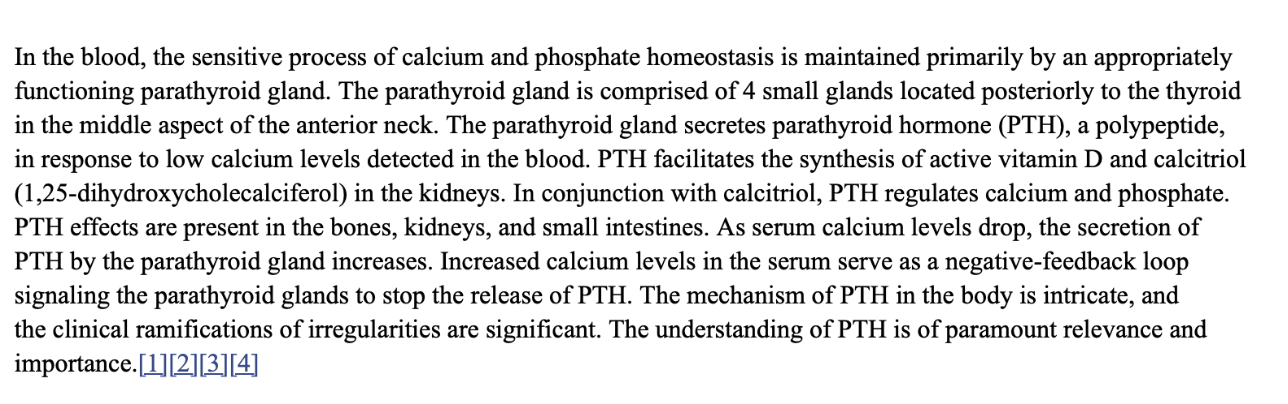
Source: Khan M, Jose A, Sharma S. Physiology, Parathyroid Hormone. [Updated 2022 Oct 29]. In: StatPearls [Internet]. Treasure Island (FL): StatPearls Publishing; 2025 Jan-. Available from: https://www.ncbi.nlm.nih.gov/books/NBK499940/
Causes of Parathyroid Imbalance
Several factors can lead to parathyroid dysfunction, but the most common are:
- Hyperparathyroidism:
- Primary hyperparathyroidism is often caused by a benign tumor on one of the parathyroid glands, known as a parathyroid adenoma. This leads to overproduction of PTH, causing excess calcium to be released from the bones.
- Secondary hyperparathyroidism can occur when low calcium levels, often due to vitamin D deficiency or chronic kidney disease, trigger the parathyroid glands to produce too much PTH as a compensatory mechanism.
- Tertiary hyperparathyroidism happens when secondary hyperparathyroidism persists long enough to cause permanent overproduction of PTH, even when calcium levels are normalized.
- Hypoparathyroidism:
- This condition occurs when there’s inadequate PTH secretion, which can result from damage to the parathyroid glands during thyroid surgery, autoimmune diseases, or genetic disorders.
- Chronic hypocalcemia, or low calcium levels, are the hallmark of this condition and can lead to neuromuscular symptoms like cramps, tingling, and even more severe outcomes like heart arrhythmias.
Early Signs to Watch Out For
While the symptoms of parathyroid hormone disease may not always be glaring, there are early signs that can help you detect imbalances before they cause more significant disruptions. Some of the more common signs include:
- Fatigue and Weakness: Both hyperparathyroidism and hypoparathyroidism can cause fatigue, although the underlying causes differ. Elevated calcium levels can lead to feelings of lethargy, while low calcium can result in muscle weakness.
- Bone Pain or Fragility: As mentioned earlier, excess PTH can lead to the release of calcium from bones, making them fragile and more susceptible to fractures. If you’re experiencing unexplained bone pain, or if you’ve had fractures from minor falls, it might be worth investigating your calcium metabolism.
- Muscle Cramps and Spasms: In hypoparathyroidism, low calcium levels can cause involuntary muscle contractions, often starting with spasms in the face or extremities.
- Mood Changes: Calcium is a critical regulator of neurotransmitter function. When calcium is out of balance, it can lead to irritability, depression, and anxiety.
- Numbness and Tingling: A hallmark sign of low calcium (hypocalcemia) in hypoparathyroidism is a tingling sensation, particularly around the mouth, hands, and feet.
- Kidney Stones: When calcium levels become excessively high, calcium can form deposits in the kidneys, leading to stones that cause severe pain.
These early symptoms are often subtle, which is why many people don’t realize they are related to parathyroid hormone effects. However, once the imbalance persists, the effects can become more pronounced, leading to significant health issues that affect not just your bones, but your energy levels, mood, and overall quality of life.
This is why it’s crucial to not only recognize the signs of parathyroid hormone disease but to proactively manage your lifestyle to support the proper functioning of your parathyroids.
Lifestyle Strategies & Hormone Balancing Foods to Support Parathyroid Health
Balancing your parathyroid hormone function naturally is possible through lifestyle changes and the right nutrition. By focusing on the following strategies, you can ensure your parathyroids are working optimally and that your calcium levels stay where they should be:
1. Vitamin D and Calcium
Vitamin D plays a pivotal role in the parathyroid hormone function. It helps absorb calcium from the gut and supports bone health. However, without adequate vitamin D, the parathyroid glands can become overactive, attempting to release calcium from your bones to maintain blood calcium levels.
Foods rich in vitamin D:
- Fatty fish (salmon, mackerel, sardines)
- Dairy products like ethically sourced and quality cottage cheese, yogurt
- Ethically sourced whole egg yolks
- Mushrooms exposed to sunlight
Calcium-rich foods are essential for maintaining healthy bones and supporting PTH’s role in calcium regulation. However, calcium intake should be balanced, not excessive, as high levels of calcium can lead to hyperparathyroidism.
Calcium-rich foods:
- Leafy greens (kale, spinach)
- Almonds and sesame seeds
- Dairy products like ethically sourced A2 milk and yogurt
- Plant milks (almond, soy, oat)
2. Magnesium
Magnesium helps regulate calcium in your body and supports parathyroid hormone function by acting as a cofactor for the enzyme that converts vitamin D into its active form. A magnesium deficiency can disrupt PTH signaling, further exacerbating calcium imbalances.
Magnesium-rich foods:
- Pumpkin seeds
- Dark chocolate (70% cocoa or more)
- Spinach
- Avocados
- Legumes

Image Credits: Freepik
3. Hydration
Proper hydration supports kidney function, which plays a role in calcium retention and phosphate excretion. Drinking water throughout the day can help maintain the delicate balance that PTH strives to achieve.
4. Stress Management
Chronic stress can elevate cortisol levels, which may influence calcium metabolism and impact parathyroid function. Engaging in practices such as meditation, deep breathing, and yoga can help regulate cortisol and support hormonal balance.
5. Movement and Weight-Bearing Exercise
Regular physical activity, especially weight-bearing exercises, helps maintain bone density and keeps calcium stores in check. Activities like walking, weightlifting, or resistance training can enhance bone health, making bones stronger and more resilient.
Disclaimer: The lifestyle suggestions provided are intended for informational purposes only and are NOT a substitute for professional medical advice. While these strategies can support overall hormonal balance and wellness, it is important to consult with a qualified healthcare provider before making any significant changes to your nutrition, exercise, or lifestyle, especially if you have existing health conditions or are on medication.
An Approach to Hormonal Balance
The parathyroid hormone function is closely linked to the broader hormonal ecosystem in your body. By managing stress, optimizing nutrition, and staying active, you create an environment where your parathyroids can function optimally, your bones remain strong, and your body stays in balance.
Incorporating hormone balancing foods like those rich in magnesium, vitamin D, and calcium can further support your body’s ability to regulate and maintain healthy calcium levels. It’s about the synergy between nutrition, lifestyle, and mindful living.
When you take care of your parathyroid glands, they take care of you—keeping your bones strong, your energy high, and your body in its best shape.
Disclaimer: The information provided in this blog is for educational purposes only and should NOT be construed as medical advice. It is important to consult with a qualified healthcare professional before making any decisions regarding your health, including lifestyle changes or treatments.
Struggling with thyroid imbalance?
Our Thyroid Care Program offers a holistic, personalized approach to optimize your thyroid health with expert guidance, lifestyle adjustments, and ongoing support.
Book a one-on-one consultation with our specialists by calling 1800 102 0253 or email us at [email protected].