No products in the cart.
You’re eating less but gaining more weight. You feel softer, weaker—but the scale barely changes. Your clothes feel tighter, but you’re eating ‘clean.’ What’s going on?
Over the last few years, especially post-COVID, I’ve seen a new pattern emerging. Clients across age groups, especially those recovering from illness, menopause, or long sedentary phases, come in saying the same thing: “I don’t feel like myself anymore.”
This isn’t just about fat. It’s about muscle loss. And when muscle goes down while fat creeps up, we call it sarcopenic obesity—a growing but often overlooked condition that’s reshaping how we look at metabolism and aging.
The scary part? You may not even realize it’s happening. Because sarcopenic obesity doesn’t always reflect on the scale—it hides behind fatigue, stubborn weight, and declining strength.
This condition is not about appearance—it’s about how you move, heal, burn energy, and stay resilient as you age.
Globally, sarcopenic obesity affects between five to 15% of older adults (Journal of Clinical Sleep Medicine, JCSM, 2020), and we’re seeing its footprint rise across India’s urban population—especially in women navigating hormonal shifts and men dealing with post-illness muscle loss.
But here’s the good news—it can be managed. And more importantly, it can be reversed with the right awareness and approach. Ready to understand how?
What Is Sarcopenic Obesity?
Let’s try to understand what sarcopenic obesity is in a simple manner.Sarcopenia is the age-related loss of muscle mass and strength. Now imagine that happening alongside excess body fat, and you get sarcopenic obesity.Unlike typical obesity, which is mostly fat gain, sarcopenic obesity combines low muscle and high fat, which creates a unique and dangerous imbalance. Why? Because muscle isn’t just for athletes or bodybuilders—it’s metabolically active tissue. It helps burn fat, regulate blood sugar, and support hormonal health. When you lose muscle, your metabolism slows down, and fat builds up—even if you’re eating less.Many people think, “I’m gaining weight—maybe I’m eating too much.” But I’ve seen this repeatedly in my clients: it’s not always about food quantity. It’s often about poor muscle health, chronic inflammation, hormonal shifts, and undernourishment.After age 50, you naturally lose one to two per cent of your muscle mass every year unless you actively work to preserve it (NIH). And this muscle loss sets the stage for long-term fatigue, stubborn fat, and loss of vitality.
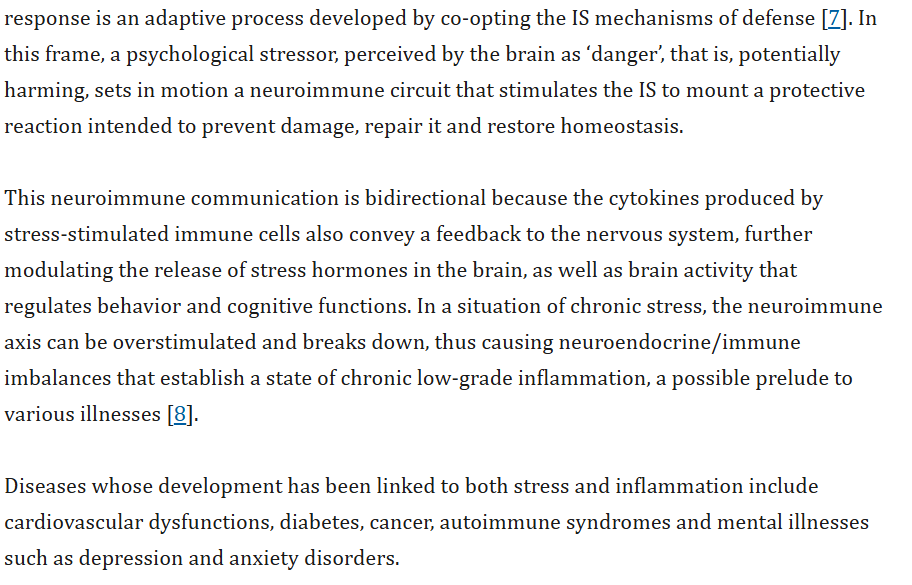
Source: Stenholm S, Harris TB, Rantanen T, Visser M, Kritchevsky SB, Ferrucci L. Sarcopenic obesity: definition, cause and consequences. Curr Opin Clin Nutr Metab Care. 2008 Nov;11(6):693-700. doi: 10.1097/MCO.0b013e328312c37d. PMID: 18827572; PMCID: PMC2633408.
So, what’s the difference between obesity and sarcopenic obesity?
Parameter | Regular Obesity | Sarcopenic Obesity |
| Body Fat | High | High |
| Muscle Mass | Normal or high | Low |
| Metabolism | Slower due to fat accumulation | Much slower due to loss of muscle tissue |
| Appearance | Overweight/obese | May appear normal weight or “skinny fat” |
| Main Risk | Cardiometabolic diseases | Frailty, poor mobility, and metabolic issues |
| Cause | Overeating, inactivity | Muscle loss, inflammation, aging, and low protein |
The takeaway? If you’re experiencing unexplained weight gain, fatigue, or weakness, it might not just be about fat—it could be muscle loss too.Disclaimer: It’s important to get professionally assessed. Sarcopenic obesity often goes unnoticed without proper tests, so always consult your healthcare provider before drawing conclusions or making lifestyle changes. A clear diagnosis is the first step toward targeted healing.
Causes and Risk Factors of Sarcopenic Obesity
Sarcopenic obesity doesn’t show up overnight. It’s usually the result of small habits (or the lack of them) compounding over time. Here’s what could be contributing:
- Aging and hormonal changes
As we age, our body naturally slows down muscle-building. For women, this accelerates post-menopause due to a drop in estrogen. For men, declining testosterone levels make it harder to maintain strength. This hormonal dip affects metabolism, energy, and even how we store fat.
- Inactivity or a sedentary lifestyle
The less you move, the faster your muscles shrink. Sitting all day—whether it’s at a desk, in a car, or on the couch—literally changes your muscle-to-fat ratio. And the body adapts to whatever it’s consistently exposed to.
- Chronic low-grade inflammation
Ongoing stress, processed foods, poor sleep—all these fuel inflammation in the body. This creates a background fire that burns away muscle and encourages fat storage. Even certain inflammatory markers like interleukin-6 (IL-6) and TNF-alpha are shown to be elevated in sarcopenic obesity.
- Nutritional imbalances
Many people eat enough food, but not enough of the right nutrients. Low protein intake and widespread Vitamin D deficiency, which affects over 80% of Indians, are major contributors to muscle loss and fat gain.
- Skipping meals or poor nourishment windows
Long gaps without food, irregular eating patterns, and missing your protein window after a workout? These habits silently eat into your muscle mass, slowing your metabolism in the process.
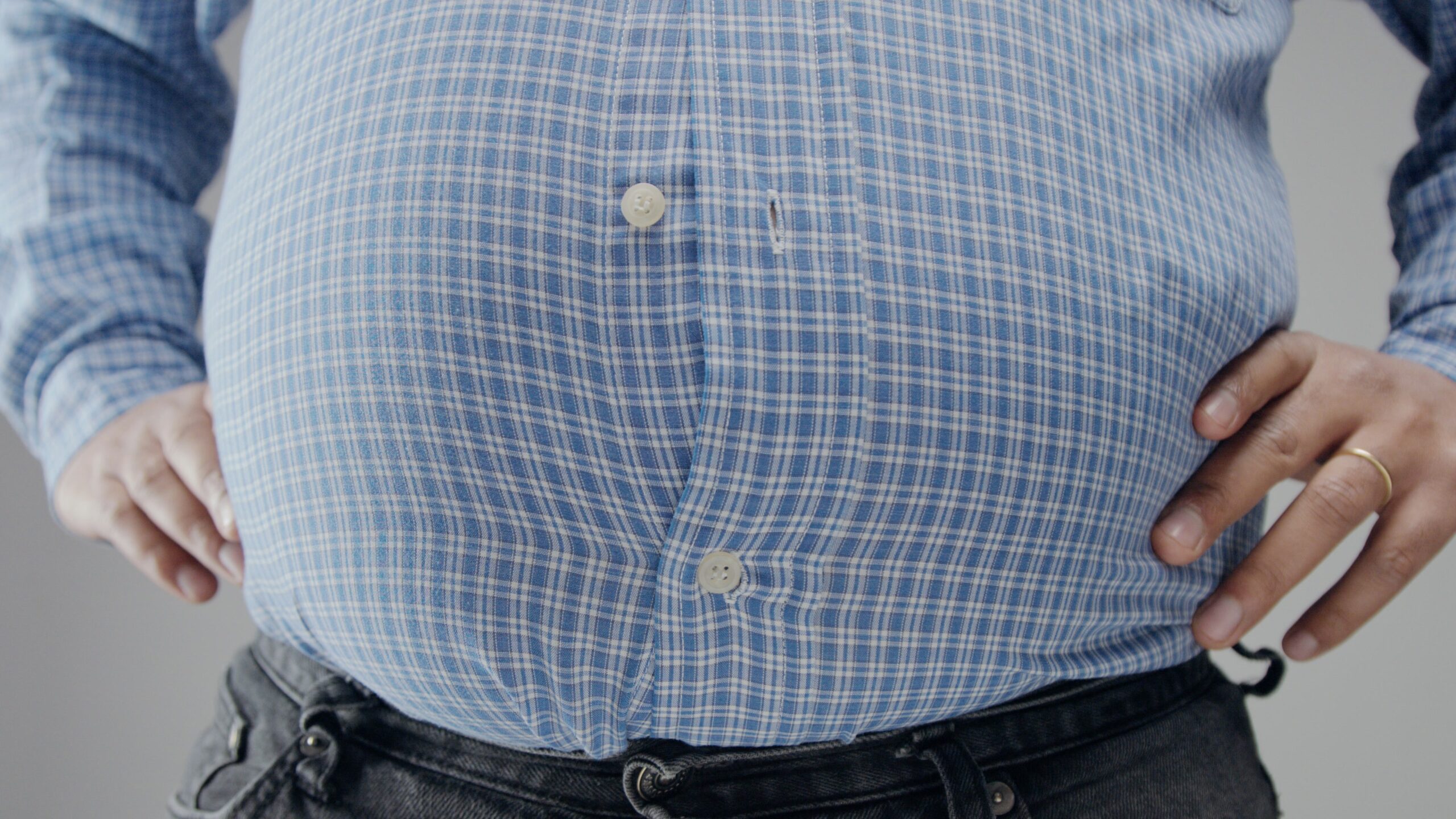
Image by Freepik
Remember: Even if you’re eating ‘clean,’ if your meals aren’t balanced or you’re not moving regularly, you may still be losing muscle quietly in the background.
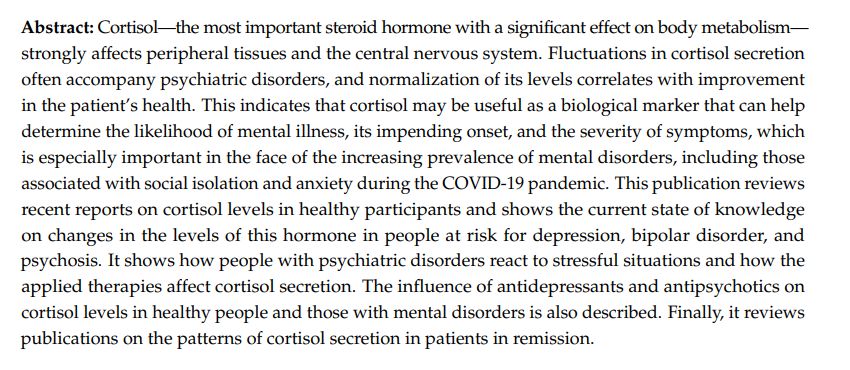
Source: G, R., & Gupta, A. (2014). Vitamin D Deficiency in India: Prevalence, Causalities and Interventions. Nutrients, 6(2), 729. https://doi.org/10.3390/nu6020729
Signs You Might Be Experiencing Sarcopenic Obesity
You may look at the weighing scale and think, “My weight hasn’t changed much, so I must be okay.” But what if that number is hiding more than it reveals?Here are some subtle but telling signs:
- You feel tired even after a good night’s sleep
Energy levels are lower, and fatigue hits quicker—even without much exertion. - You’ve lost muscle tone or strength
Tasks like climbing stairs, carrying bags, or getting up from a chair feel harder than they used to. - You notice more belly fat
Even if your weight is stable, fat tends to accumulate around the abdomen—a key sign of visceral fat, which increases health risks. - Every day tasks feel more challenging
From tying shoelaces to going for a walk—your mobility may feel reduced. - Clothes fit differently
You haven’t gained weight, but your clothes feel tighter or your shape has changed.
Disclaimer: This blog is intended for awareness, not self-diagnosis. If you notice these symptoms, speak to your healthcare provider. Getting tests done as prescribed by your medical expert can help assess your symptoms accurately.
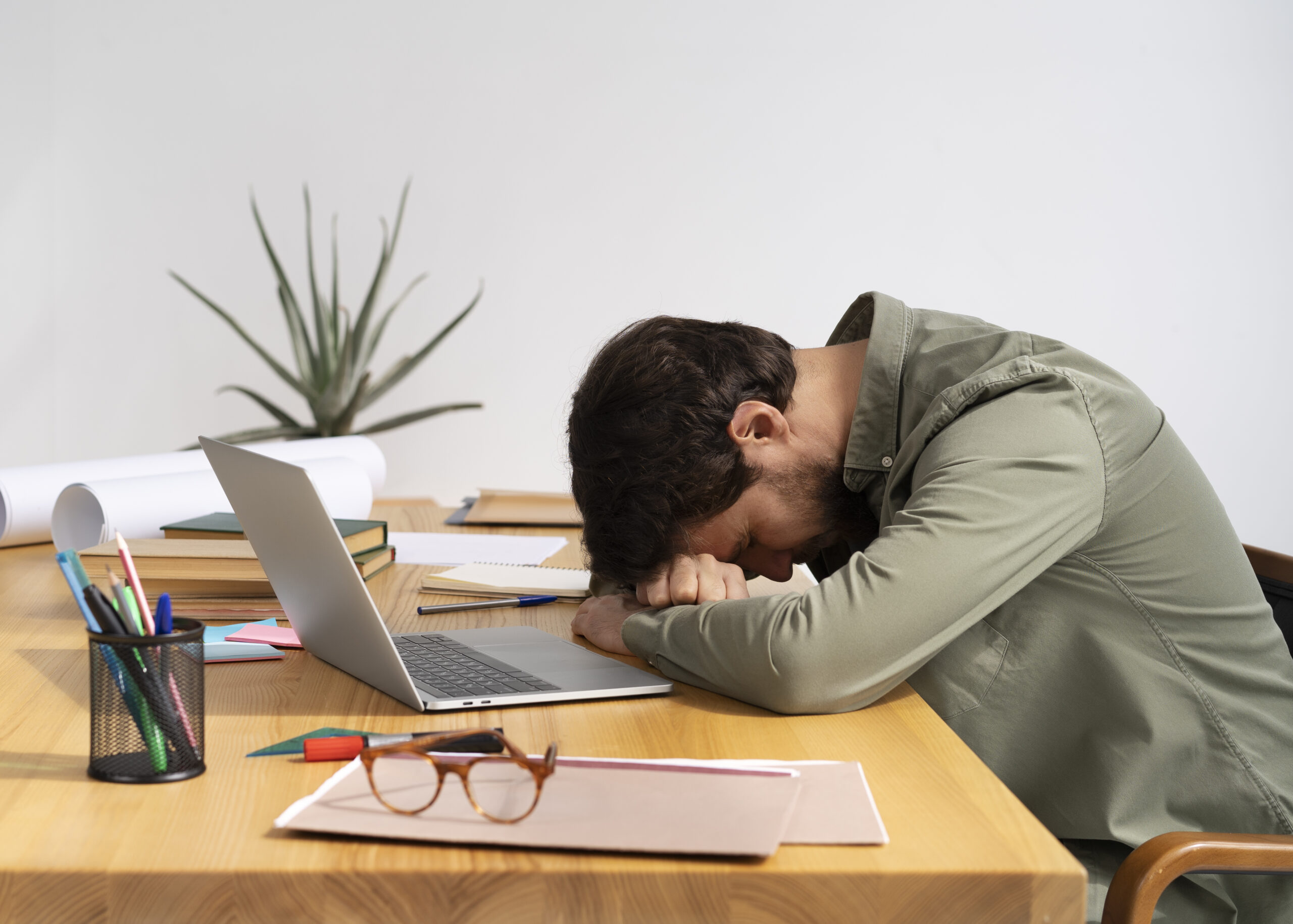
Image by Freepik
Managing Sarcopenic Obesity Naturally: The Six Pillars of Healing
When it comes to sarcopenic obesity, we don’t chase weight loss. We rebuild strength, metabolism, and cellular resilience— from the foundation of true, sustainable well-being. In my experience with thousands of patients across the globe, lasting results come when we bring the body back into balance through rhythm, intention, and consistency. Whether it’s fatigue, weakness, or unwanted fat gain, the solution isn’t a quick fix. It’s a whole-life shift.
Protein plays a key role in preserving and rebuilding muscle, but the right amount is different for everyone. I always encourage people to consult a healthcare professional or nutritionist who can personalize this based on their unique needs.Your protein can come from dal-rice combos, lentils with millet, ethically sourced eggs, clean poultry, hormone-free meats, tofu, or A2 unadulterated paneer. Functional spices like turmeric, cinnamon, ginger, and cumin offer added anti-inflammatory support. And don’t forget fats— A2 ghee, coconut oil, or seeds enhance nutrient absorption and help balance hormones.
2. Adequate Movement
Movement is medicine, and strength is built, not wished for.
Even if you start with 15 minutes a day, do it with intention. Resistance training (bodyweight, bands, or light weights) at least 2–3x a week helps retain muscle, prevent metabolic slowdown, and reduce visceral fat.
- Quality Sleep
This is when your muscles repair, hormones reset, and inflammation calms. Deep sleep regulates ghrelin and leptin, the hormones that affect hunger and metabolism.Cut screen time before bed, stick to a sleep routine, and avoid stimulants late in the evening. Your pillow is where healing locks in.
- Emotional Wellness
Stress breaks down muscle. Chronic cortisol makes fat stick.
Simple habits—journaling, breathwork, walking barefoot, or even daily silence—can help regulate emotions and protect your energy. Your thoughts have the power to heal or harm. Choose wisely.
No matter what you eat, absorption is everything.
If your gut is inflamed or sluggish, your muscles won’t get the nutrients they need. Prioritize fermented foods, fiber, and probiotics. Stay adequately hydrated and chew well. A healthy gut supports immunity, metabolism, and mental clarity.
- Spiritual Anchoring
Healing needs consistency, and consistency comes from routine.
Create small rituals: a prayer before bed, gratitude after a meal, or five minutes of quiet in the morning. These practices build resilience, regulate your nervous system, and help you stay rooted when life gets overwhelming.It’s not about fixing everything at once—it’s about creating a lifestyle that works for your body. Start with one small habit. Stay consistent. The rest will follow.

Image by Freepik
Practical Tips to Retrain Your Metabolism & Rebuild Strength
Healing begins in the little things—how you move, eat, rest, and show up for yourself each day. These aren’t hacks. They’re habits that support real, long-term strength.
- Eat a balanced plate: Pay attention to your macros and micros. Include high-quality proteins like lentils, legumes, tofu (organic and non-GMO), A2 paneer, ethically sourced hormone-free meats, and seeds. These support muscle recovery and satiety.
- Don’t skip meals: Irregular eating patterns can disrupt metabolic balance, leading to increased cortisol levels and insulin resistance. This is particularly concerning for individuals with sarcopenic obesity, as the combination of reduced muscle mass and increased fat mass has been associated with a higher risk of developing Type 2 diabetes. A systematic review and meta-analysis in the World Journal of Diabetes found that sarcopenic obesity increases the risk of Type 2 diabetes by 38% compared to those without this condition. Maintaining balanced, timely meals supports blood sugar stability and overall metabolic health.
- Move with purpose: Even a 15-minute walk a day activates muscle tissue, burns visceral fat, and improves insulin sensitivity. Strength isn’t built in gyms alone—it’s built in consistency.
- Step into the sun: Just 10–15 minutes of early morning sunlight helps activate Vitamin D synthesis, essential for muscle function, bone density, and immunity.
- Prioritize sleep: Deep, restful sleep supports muscle recovery and hormonal balance. Wind down with breathwork, light stretching, journaling, or prayer. Try to limit gadgets at least an hour before sleeping.
- Eat the rainbow: Colorful fruits and vegetables bring in a wide range of micronutrients your body needs to repair, rejuvenate, and reduce inflammation.
- Cook with purpose: Add turmeric, cinnamon, and ginger to your meals—they’re natural anti-inflammatories that support gut health, digestion, and metabolic repair.
- Practice food gratitude: Slow down. A quiet pause before your meal to bless your food can shift your nervous system into a state of calm, aiding digestion.
- Brown fat activation: Did you know that building lean muscle and exposing yourself to mild cold (like cool showers or brisk walks in fresh air) can activate brown fat? Brown fat is metabolically active—it burns calories and reduces visceral fat over time.
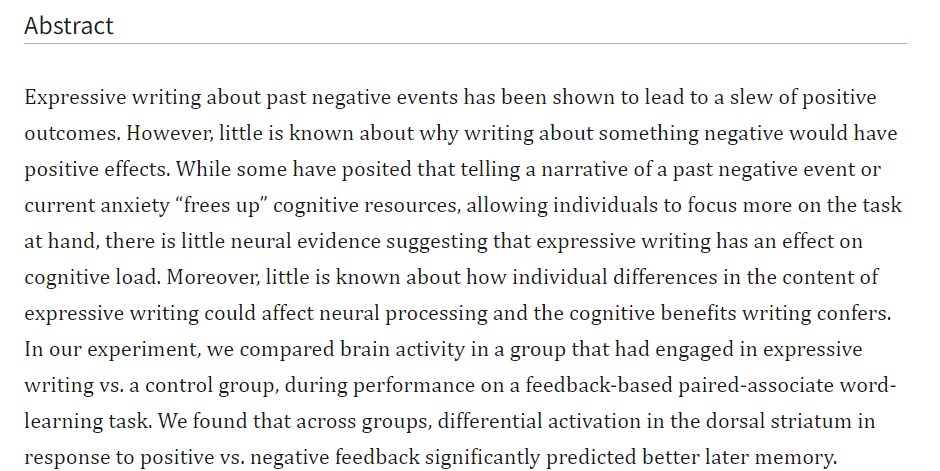
Source: Khadra, D., Itani, L., Tannir, H., Kreidieh, D., Masri, D. E., & Ghoch, M. E. (2019). Association between sarcopenic obesity and higher risk of type 2 diabetes in adults: A systematic review and meta-analysis. World Journal of Diabetes, 10(5), 311. https://doi.org/10.4239/wjd.v10.i5.311
Final Word
If this sounds like your story, know this: there is always hope. Your body isn’t giving up on you; it’s simply asking you to listen.Sarcopenic obesity isn’t a life sentence. It’s a call to realign, to nourish, and to rebuild—not just to lose weight, but to gain strength, energy, and confidence in your body once again.Even in your 50s, 60s, or 70s, muscle can be rebuilt. We’ve seen it happen—one small, intentional step at a time.So begin where you are. Eat with awareness, move with purpose, breathe, rest, and stay rooted in the six pillars.
Because your body wants to get stronger, and when you support it with consistency and care, it absolutely will.
Ready to Make Your Health a Priority?
Start your journey with one positive action today.
Check Out Our Weight Management Program.
Looking for personalized advice? Reach Out to Team Luke’s Integrative Health Coaches!
Book a one-on-one with our team. Call: 1800 102 0253 or write to us at [email protected].
Disclaimer: The information provided in this blog is intended for educational purposes only and is not a substitute for professional medical advice, diagnosis, or treatment. Always consult with your healthcare provider before making any changes to your nutrition, exercise routine, or lifestyle. The effectiveness of the strategies mentioned may differ from person to person. The content is based on current research, but it is important to remember that science and health recommendations may evolve over time.