No products in the cart.
“My fever is gone… but why do I still feel like my body has run a marathon?”
If you’ve found yourself asking this question, you’re not alone. The fever might resolve. Your lab reports may appear ‘normal.’ Yet your body continues to whisper that all is not well. You may feel drained, foggy, and achy, as though your internal batteries refuse to recharge. This is the reality for many individuals who experience post-viral fatigue, especially after mosquito-borne infections like dengue or chikungunya, which rise sharply during the monsoon season. The rains may bring a sense of calm, but stagnant water around homes and neighborhoods often becomes the perfect breeding ground for mosquitoes. And with them comes the risk of viral infections, high fever, and inflammation that can leave behind much more than just physical exhaustion.
This is more than just tiredness. It’s biological exhaustion, and the body’s way of calling for repair, not just rest.
Don’t miss our guide to stay strong, energetic, and protected this monsoon: Monsoon Health Tips: How to Stay Strong, Energetic, and Illness-Free This Rainy Season.
What is Post-Viral Fatigue? And Why It’s Not “All in Your Head”
Post-viral fatigue is a state of deep physical and mental exhaustion that lingers long after the viral infection is gone. It’s the body’s prolonged response to an immune system that’s been working in overdrive, and hasn’t quite returned to baseline.

Image Credits: Freepik
Viruses such as dengue and chikungunya can trigger persistent low-grade inflammation even after acute symptoms have resolved. These infections affect mitochondrial function, which means your cells aren’t producing energy as efficiently as they should. This contributes to that overwhelming, bone-deep tiredness. The nervous system may also be impacted. The balance between your sympathetic (fight or flight) and parasympathetic (rest and digest) systems gets disrupted, leaving you in a heightened stress state even when the virus is gone.
What does it feel like?
Everyone experiences it slightly differently, but these are the most common symptoms of post-viral fatigue:
- A constant feeling of tiredness, even after rest
- Joint stiffness or pain that lingers
- Brain fog, difficulty focusing, remembering, or staying mentally clear
- Low mood or emotional sensitivity
- Poor digestion or loss of appetite
- Disturbed sleep or waking up unrefreshed

Image Credits: Freepik
The body has gone through a full-blown battle, and post-dengue or post-chikungunya recovery is less about simply getting back to your routine and more about giving your body what it needs to repair.
Why Fatigue After Dengue or Chikungunya Is So Unique
Not all post-viral fatigue feels the same. There’s something particularly draining about the kind of exhaustion that follows dengue or chikungunya, and that’s not a coincidence.
Both of these viruses, transmitted by mosquito bites and more common during the monsoon, don’t just challenge your immune system, they leave behind a complex trail of internal stress that can affect your energy, joints, digestion, sleep, and overall vitality.
Let’s understand why.
1. Dengue Doesn’t Just Bring Fever — It Drains Cellular Reserves
During dengue, your immune system launches an aggressive response. This can:
- Lead to platelet loss, which impacts circulation and oxygen delivery.
- Deplete nutrient reserves like iron, magnesium, and zinc, essential for mitochondrial energy production.
- Overwork the liver, which is already processing toxins and inflammation.
- Trigger a breakdown in muscle tissue (catabolism), which contributes to weakness and body aches.
So even once the fever is gone, your cells are still working overtime to repair the internal damage. This is why fatigue after dengue can feel so heavy.
What helps?
Focusing on post-dengue recovery food that supports your liver, rebuilds your blood profile, and restores electrolytes. Whole, home-cooked meals with warming spices, hydrating vegetables, and healthy fats become non-negotiables.
2. Chikungunya Leaves Behind Inflammation
Unlike dengue, chikungunya often affects the joints and muscles more aggressively. While the high-grade fever may last a few days, many individuals experience:
- Chronic joint pain or stiffness
- Swelling in hands, feet, and knees
- A strange sense of fatigue that seems to worsen after activity
According to studies published in The Open Rheumatology Journal, chikungunya can lead to arthralgia (joint pain) and even mimic conditions like rheumatoid arthritis in some cases, making post-chikungunya recovery especially complex and slow.
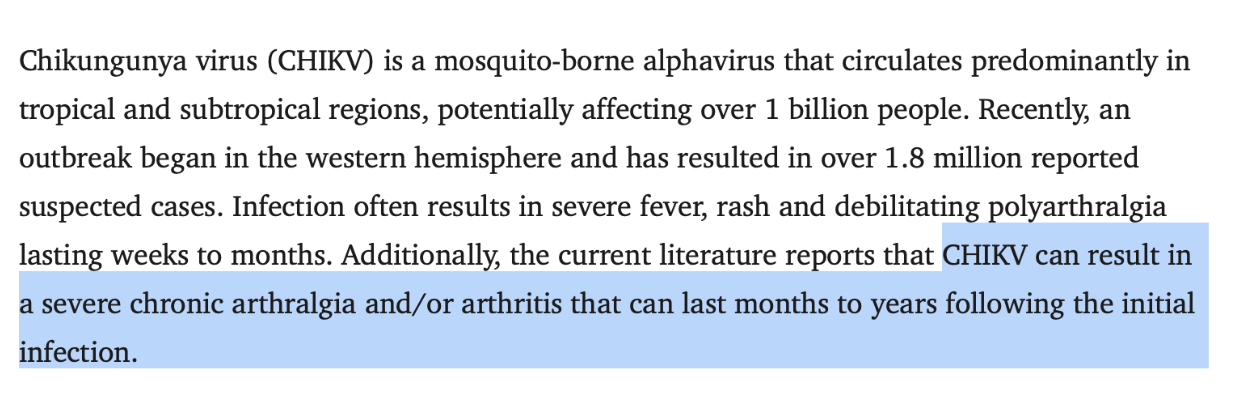
Source: Goupil, B. A., & Mores, C. N. (2016). A Review of Chikungunya Virus-induced Arthralgia: Clinical Manifestations, Therapeutics, and Pathogenesis. The open rheumatology journal, 10, 129–140. https://doi.org/10.2174/1874312901610010129
It’s Not Just Physical — It’s Neurological Too
Both viruses can affect the nervous system, leading to what many describe as:
- Foggy thinking
- Irritability
- Low mood or anxiety
- Sensitivity to light or sound
This isn’t psychological, it’s neuroinflammation, where immune messengers like cytokines begin to influence brain chemistry and energy regulation. Studies in the Canadian Journal of Pain explain how post-viral inflammation can contribute to nervous system dysregulation and chronic fatigue-like symptoms.
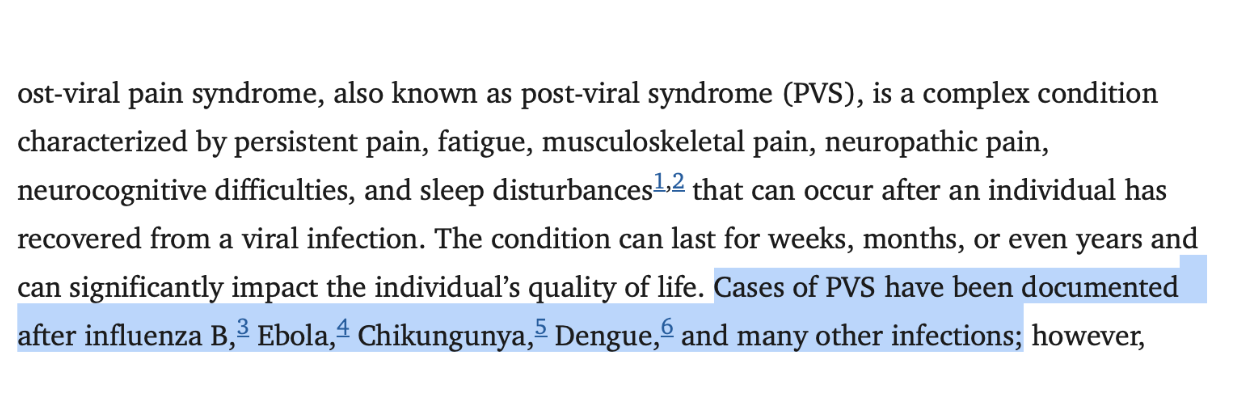
Source: Tackey, C., Slepian, P. M., Clarke, H., & Mittal, N. (2024). Post-Viral Pain, Fatigue, and Sleep Disturbance Syndromes: Current Knowledge and Future Directions. Canadian journal of pain, 7(2), 2272999. https://doi.org/10.1080/24740527.2023.2272999
So if you’re dealing with fatigue after chikungunya or still feeling dull weeks into post dengue recovery, it’s not unusual. But that doesn’t mean it should be ignored.
Understanding the uniqueness of these post-viral states is the first step to managing them with intelligence, compassion, and consistency.
Download our guide to understand and manage post-viral fatigue the right way:
- Dengue Recovery Guide: Click here
- Chikungunya Recovery Guide: Click here
4 Ways to Rebuild Energy Naturally
Rebuilding energy after viral illnesses like dengue or chikungunya is not about bouncing back overnight; it’s about working with your body’s natural rhythm, not against it. This isn’t a quick fix. It’s a layered, integrative approach that respects your biology, your emotional space, and your current energy state.
1. Nourish to Rebuild: Food as Information, Not Just Fuel
After a viral illness, your body is in a hyper-repair mode. The immune system has exhausted nutrients, the gut may be inflamed, and the liver has worked overtime to cleanse viral debris and medications. What you eat now can either support this healing cascade or slow it down.
Here’s what matters most when it comes to post-dengue recovery food:
A. Focus on Easily Digestible, Nutrient-Dense Meals
- Think of soft-cooked, warm meals that require minimal digestive effort.
- Examples: Khichdi with A2 ghee and cumin, hand-pounded rice with moong dal, or vegetable soups with ginger and garlic.
- Avoid cold, raw, or heavily processed foods during the recovery phase.
Discover the healing power of India’s comfort food, download Team Luke’s FREE Khichdi Cookbook and explore nourishing, gut-friendly meals that support deep recovery and energy.
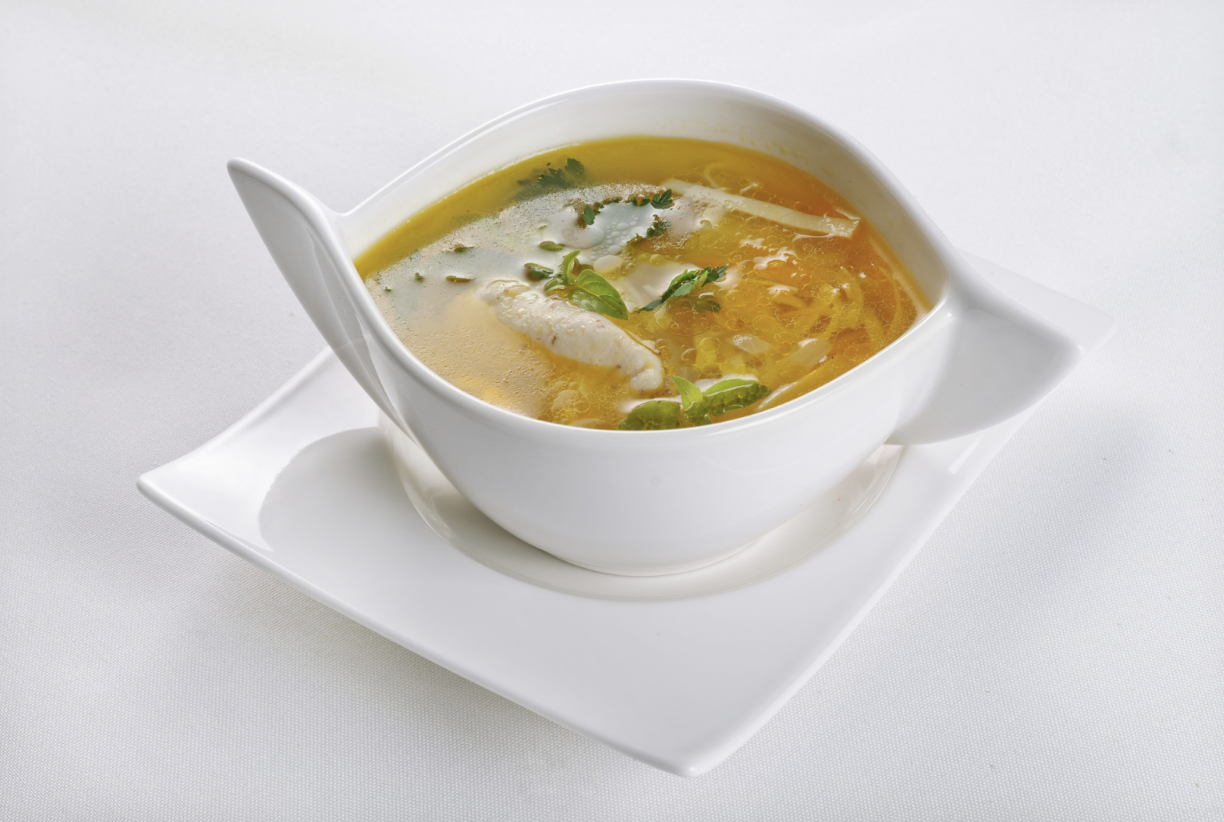
Image Credits: Freepik
B. Rebuild Blood and Improve Mitochondrial Energy
- Include foods rich in iron, vitamin B12, folate, and vitamin C to support red blood cell production and cellular oxygenation.
- Local superfoods to consider: Drumstick leaves (moringa), garden cress seeds (halim), dates, sesame seeds, amla, and curry leaves.
C. Support the Liver and Immune System
- Your liver plays a central role in immune modulation and cleansing.
- Add foods like turmeric (with black pepper), coriander seeds, beetroot, bitter gourd, and aloe vera juice, all known for their hepatoprotective (liver-supportive) effects.
D. Restore Gut Function and Appetite
- After viral infections, gut microbiota often shift, and appetite becomes irregular.
- Focus on fermented foods like homemade rice kanji, buttermilk, and pickled ginger to support digestion and microbial diversity.
- Add carminative spices like ajwain, fennel, cumin, and ginger to rekindle agni (digestive fire).
E. Stay Hydrated with Natural Electrolytes
- Fatigue after dengue is often worsened by dehydration and low mineral status.
- Drink lime water with a pinch of pink salt, coconut water, or infused cumin-coriander-fennel teas to maintain hydration and replenish minerals.
Try our powerful Immunity Tea Recipe, a soothing blend to comfort your system, support immunity, and uplift your energy one sip at a time.
This isn’t a one-size-fits-all prescription. It’s about listening to your body’s cues and feeding it with what it’s truly asking for, nourishment that is gentle, grounding, and restorative. Whether you’re managing fatigue after dengue, fatigue after chikungunya, or just feeling energetically off, food becomes your most immediate and accessible form of support.
2. Rest Is Not Laziness — It’s Intelligent Repair
In a world that glorifies doing, resting can feel like a guilty indulgence. But if there’s ever a time to reclaim the power of intentional rest, it’s during post-viral fatigue. Especially after intense immune challenges like dengue or chikungunya, rest is not a luxury; it is biology’s built-in strategy for repair.
Let’s understand why.
When you’re in the thick of a fever, your body diverts all its energy toward immune defense. Once the fever breaks, that energy doesn’t magically replenish. Instead, your body shifts into a phase of cellular housekeeping, like clearing debris, regenerating tissues, resetting hormonal rhythms, and restoring mitochondrial function.
This deep restoration doesn’t happen while you’re on the go. It happens when you slow down.
Here’s how to align with it:
A. Prioritise Circadian Rhythm Alignment
- Early to bed, early to rise isn’t just a proverb, it’s aligned with how your hormonal and immune systems are wired.
- Immune responses, melatonin secretion, and inflammation modulation follow a circadian rhythm. Disrupting this rhythm post-illness can delay recovery.
- Honour natural light cycles: expose yourself to early morning sunlight and limit screen time after sunset.
B. Practice Micro-Rest Through the Day
- Instead of waiting for exhaustion to hit, create intentional pauses:
- Close your eyes and breathe deeply for 3 minutes between tasks.
- Step outside barefoot and ground yourself on grass or earth.
- Sip herbal teas mindfully, not in front of a screen, but in silence.
- These micro-moments send a signal to your nervous system that it’s safe to switch from fight-or-flight to rest-and-digest.

Image Credits: Freepik
C. Include Restorative Practices That Activate Parasympathetic Repair
- Practices like guided breathwork, or non-sleep deep rest (NSDR) aren’t passive. They engage the vagus nerve and stimulate cellular repair pathways. These practices reduce inflammation, improve heart rate variability, and promote clarity, all vital during post-dengue recovery or post-chikungunya recovery.
If you’ve been wondering how to beat post-viral fatigue, this is where it begins, with permission to pause.
3. Emotional Alignment: Because the Body Feels What the Mind Holds
If you’ve made it through dengue or chikungunya, chances are your body has been through chaos, but so has your mind. The physical symptoms may be fading, but underneath the surface, you might still be carrying tension, fear, frustration, or even guilt for needing more time to feel ‘normal’.
During a viral illness like dengue or chikungunya, your body moves into survival mode. But emotionally, you’re often having:
- Fear of health outcomes
- Isolation or helplessness during the fever phase
- Pressure to return to work or responsibilities
- Disappointment when your energy doesn’t bounce back
These emotional weights don’t disappear when the fever breaks. They linger — and they keep your nervous system activated. Prolonged emotional stress can:
- Increase levels of inflammatory cytokines
- Suppress mitochondrial energy production
- Disrupt sleep and digestion
- Intensify the perception of fatigue.
In simpler terms, unresolved emotional stress keeps the body in a state of low-grade tension, draining energy that could otherwise be used for repair.
How to Gently Support Emotional Realignment
Here are gentle ways to begin:
A. Acknowledge the Emotional Aftermath
- Permit yourself to feel what you feel.
- Fatigue, frustration, grief for lost time, fear of relapse, all of it is valid.
- Emotional honesty is the first step to energetic recovery.
B. Create Emotional Micro-Breaks
Just like the body needs rest, so does the mind:
- Step away from constant stimulation (screens, noise, social media).
- Practice 5–10 minutes of deep breathing, journaling, or silence every day.
- Try grounding techniques: place your hand on your chest, feel your feet on the ground, and tell your body, “I’m safe now.”
C. Let Emotions Move Through You
- Cry if you need to.
- Talk to someone, not for advice, but just to be heard.
D. Use Emotional Nutrition
What you feed your mind is just as important as what you feed your body:
- Listen to music that uplifts you
- Read content that inspires rather than overwhelms you
- Surround yourself with people who offer calm, not pressure

Image Credits: Freepik
So if you’re still wondering how to beat post-viral fatigue, don’t skip this part. Because you cannot separate emotional stress from physical recovery. The two are intimately connected.
4. Move, But Don’t Push: Gentle Movement That Restores, Not Depletes
One of the biggest mistakes people make during post-dengue recovery or post chikungunya recovery is trying to ‘snap back’ into their old exercise routines, pushing through fatigue in hopes of regaining strength.
While deep rest is essential in the early recovery phase, prolonged inactivity can begin to affect:
- Lymphatic flow (to aid your body’s natural garbage collector)
- Circulation of nutrients and oxygen to tissues
- Mental clarity and mood (especially when movement is tied to emotional release)
Let’s understand how to approach it without overwhelming your already recovering system:
A. Start with Breath Before Body
- Deep diaphragmatic breathing oxygenates tissues and calms the nervous system, a movement practice in itself.
- Try 5–10 minutes of belly breathing or alternate nostril breathing (nadi shodhana) upon waking.
B. Choose Gentle, Grounding Forms of Movement
- Slow walks in nature, especially barefoot on earth or grass, help regulate cortisol and stimulate your body’s circadian rhythm.
C. Use the ‘Pacing’ Principle
- Instead of waiting until you crash, structure activity in small, manageable segments, followed by rest.
- For example: 10 minutes of stretching → 15 minutes of rest → light home task → rest again.
- Pacing helps avoid post-exertional malaise, a common setback in viral fatigue conditions.
D. Listen Closely to the Feedback Loop
- If you feel energised or mentally clearer after movement, it was supportive.
- If you feel shaky, foggy, or depleted, you may need to slow down further.
- Movement should feel like a gentle exhale, not a fight against your body.
So if you’re dealing with fatigue after dengue or fatigue after chikungunya, know that even the smallest movement, a stretch, a breath, a walk to the window, is still a form of recovery. One that builds energy, not burns it.
Conclusion: You’re Not Behind — You’re Recalibrating
This phase, the one after the fever, when everyone expects you to move on, is often the most misunderstood. But you don’t need to bounce back. You need to realign.
Post-viral fatigue isn’t a pause in your life; it’s the body rerouting its energy into deeper repair. Instead of asking, “Why am I not the same?”
Ask, “What is my body asking for now?”
Because this isn’t about getting back to who you were, it’s about supporting who you’re becoming.
Your strength isn’t measured by speed. It’s measured by how gently and intentionally you rebuild.
And you’re doing just that.
Be educated, not influenced
Disclaimer: This blog is for educational and informational purposes only. It is not intended to replace medical advice, diagnosis, or treatment. The insights shared here are rooted in integrative and lifestyle-based approaches to support overall well-being during the post-viral recovery phase. Always consult your doctor, especially in the case of ongoing symptoms, medication use, or underlying health conditions. Each body is unique; please listen to yours and seek guidance where needed.
If you’re feeling stuck in fatigue long after the fever has passed, you’re not alone.
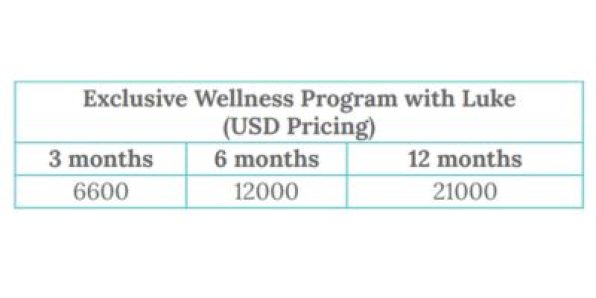
Our Wellness Programs could be the gentle nudge you need.
It’s designed to meet you where you are, with personalized guidance, practical tools, and support that fits into real life.
Reach out to us at 1800 102 0253 or write to us at [email protected].