No products in the cart.
What’s your first reaction after a viral fever—panic or pause?
You feel the chills creeping in. The body starts to ache. The thermometer flashes a number that’s slightly higher than normal.
And instantly, the mind begins to race, “Do I need antibiotics? Is this serious? Should I bring the fever down immediately?”
Fever.
It’s one of the body’s oldest and most intelligent defense mechanisms, yet still one of the most misunderstood.
The moment our temperature rises, we often go into emergency mode. Paracetamol is popped, Google is searched, and panic takes over.
But here’s the thing: not every fever is a malfunction. Sometimes, it’s your body doing exactly what it’s designed to do.
Instead of rushing to suppress it, what if we paused? What if we took a moment to understand what the body is really trying to do?
Let’s begin with the basics.
What is Viral Fever, Really?
A viral fever isn’t an illness on its own; it’s a natural immune response to a viral infection. In simple terms, when your body detects a virus, it raises your internal temperature to create an environment that’s less welcoming for that virus to multiply. This rise in temperature is what we call a viral fever.It’s important to understand that not all fevers are the same.Bacterial fevers, for example, are caused by living organisms that can be treated with antibiotics. But viral fevers are different; they’re caused by viruses, which aren’t technically alive and cannot be killed by antibiotics. This is why most home remedies for viral fever aim to support the immune system rather than suppress the fever itself.
When and Why Does It Strike, Especially During Season Change?
It’s during seasonal transitions that home remedies for viral fever become more than just household wisdom; they become a reliable source of support, especially when the body is adjusting to nature’s rhythm. Whether it’s the monsoon settling in, winter creeping up, or spring reawakening the outdoors, your body feels these shifts deeply, even if you’re not consciously aware of it.These transitions are not just changes in weather, they’re shifts in environmental stressors, microbial ecosystems, and your body’s internal balance. During this phase, the immune system naturally undergoes transient adaptations to recalibrate with the external environment, which can leave you a bit more vulnerable to viral infections.
Here’s what actually happens behind the scenes:
- Sudden temperature variations, like going from humid afternoons to chilly nights, can challenge the thermoregulation mechanisms of your body. These fluctuations, especially when abrupt, can temporarily disrupt mucosal immunity, making it easier for viruses to gain a foothold through the respiratory tract.
- Viral load in the environment tends to increase during seasonal shifts. This is especially true in densely populated regions or during the monsoon, when humidity and stagnant air create favorable conditions for viral transmission.
- Sunlight exposure often drops as days become shorter or cloudier, which means Vitamin D synthesis reduces. Vitamin D isn’t just important for bone health, it plays a critical role in immune modulation. Low serum levels of Vitamin D have been linked with increased susceptibility to respiratory infections.
This delicate window, when immunity is in flux and environmental viral activity is high, is precisely when the risk of viral fever peaks.That’s why this time calls for extra care and preventive wisdom. While prevention isn’t about perfection, it’s about creating consistent, sustainable practices that reduce vulnerability.
Symptoms to Watch Out For
Viral fevers are often accompanied by a constellation of symptoms that arise as part of the body’s immune response. While the symptoms may seem uncomfortable, they are typically a result of your immune system trying to contain and eliminate the virus, not signs that something is broken.Scientific studies have shown that pyrogens, chemicals released by immune cells, reset the body’s thermostat in the hypothalamus during infection, triggering fever, chills, and muscle aches. These symptoms are part of a cascade meant to inhibit viral replication and enhance immune surveillance.

Source: El-Radhi A. S. (2019). Pathogenesis of Fever. Clinical Manual of Fever in Children, 53–68. https://doi.org/10.1007/978-3-319-92336-9_3
Here are some of the common symptoms associated with viral fever:
- Fatigue: Perhaps the most universal signal. It’s the body’s built-in way of conserving energy so that your immune system has more resources to work with.
- Low to high-grade fever: While it might feel alarming, mild to moderate fever is often beneficial. It raises the body’s core temperature to slow down viral multiplication and activate immune defenses more efficiently.
- Body ache: A common symptom during viral infections. This discomfort is due to systemic inflammation and the release of prostaglandins, compounds that sensitize nerve endings and signal to the brain that rest is needed.
- Chills: These occur when your body is adjusting to a new, higher internal set-point. It’s a sign that your immune system is actively engaged.
- Headache: Often linked to the inflammatory response or sinus congestion, especially when upper respiratory viruses are involved.
- Mild congestion or sore throat: This is your mucosal immune system doing its job, producing mucus and inflammatory mediators to trap and neutralize the invading virus.
- Occasional gastrointestinal symptoms: Some viruses, particularly enteroviruses, can trigger nausea, loose motions, or abdominal discomfort due to gut-related immune activation.

Image Credits: Freepik
Why Fever Isn’t Always the Enemy?
Most of us have been conditioned to believe that fever is a problem that needs to be ‘fixed’ immediately. But, fever isn’t a malfunction; it’s an intelligent immune response. It’s your body’s way of saying, “I’ve detected something, and I’m doing exactly what I’m supposed to.”When your internal temperature rises during a viral infection, it’s not just a random spike. Moderate fevers (typically below 103°F or 39.4°C) serve an important role in immune regulation. Elevated temperatures increase the efficiency of immune cell activity, particularly the movement and function of neutrophils and lymphocytes, which are critical in fighting off viral infections.Many viruses, such as influenza, rhinovirus, and coronaviruses, replicate most efficiently at lower body temperatures, especially in the nasal passages. Fever acts as a biological thermostat to suppress viral activity.

Source: Balli S, Shumway KR, Sharan S. Physiology, Fever. [Updated 2023 Sep 4]. In: StatPearls [Internet]. Treasure Island (FL): StatPearls Publishing; 2025 Jan-. Available from: https://www.ncbi.nlm.nih.gov/books/NBK562334/
Then Why Do Doctors Prescribe Antibiotics? Let’s Clarify This Confusion
One of the most common and understandable confusions when it comes to home remedies for viral fever is this, “If it’s viral, why did the doctor still prescribe antibiotics?”
First, it’s important to understand that antibiotics do not and cannot cure viral fevers. Antibiotics are designed to target bacteria, not viruses. This distinction is vital, yet it’s often blurred when we’re feeling unwell and just want quick relief.
So why do antibiotics sometimes get prescribed during a viral infection?
It is due to prevent secondary bacterial infections, opportunistic infections that can take advantage of the body’s temporarily weakened state during a viral illness. When your immune system is already engaged in managing a virus, your body may become more vulnerable to bacterial overgrowth, especially in the sinuses, lungs, ears, or urinary tract.
In such cases, your doctor may prescribe antibiotics not to target the virus, but to prevent or treat bacterial complications that could lead to more serious outcomes, such as:
- Bronchitis or pneumonia (particularly in people with asthma or chronic respiratory issues)
- Bacterial sinusitis
- Middle ear infections, especially in children
These are called secondary infections, and the decision to prescribe antibiotics is based on clinical judgment, patient history, and presenting symptoms, not a blanket approach.
Still, we must approach this with caution and responsibility. The overuse and misuse of antibiotics, especially when they’re not needed, has accelerated the rise of antimicrobial resistance. This means that bacteria are learning to outsmart the drugs we rely on, rendering some antibiotics ineffective when we need them most.
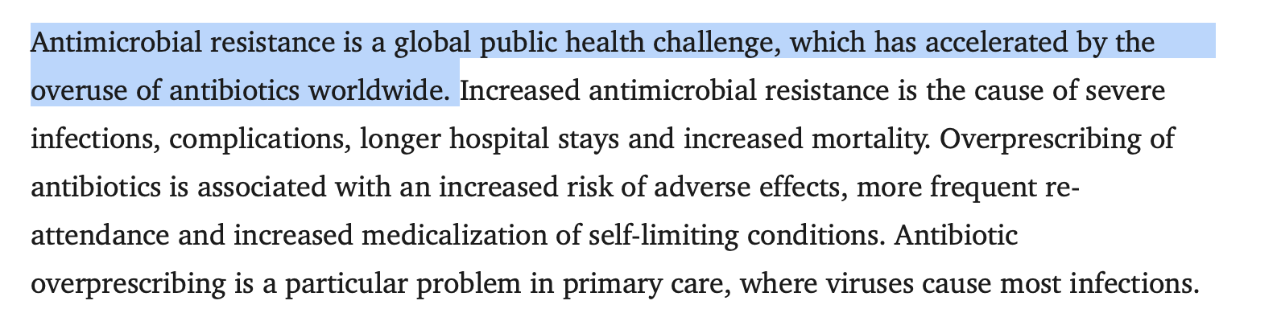
Source: Llor, C., & Bjerrum, L. (2014). Antimicrobial resistance: risk associated with antibiotic overuse and initiatives to reduce the problem. Therapeutic advances in drug safety, 5(6), 229–241. https://doi.org/10.1177/2042098614554919
Judicious use of antibiotics helps protect you, your family, and the global community. It ensures that when antibiotics are truly necessary, they’ll still work.
So the next time a prescription is given during what you believe is a viral fever, ask your doctor gently:
- Is this to treat a confirmed bacterial infection, or to prevent one?
- Are there signs of secondary infection?
- Could this be resolved with supportive care alone?
Viral Fever Prevention: Strengthening the Foundation
When it comes to viral fever prevention, the most powerful place to begin isn’t at the pharmacy; it’s in your daily lifestyle. Every small choice we make throughout the day is either supporting or suppressing our immunity. And this becomes especially important during season transitions, monsoon, early winter, or spring, when viral activity spikes and our bodies are working hard to adapt to sudden environmental changes.Here are some simple but deeply impactful shifts you can begin today:
- Prioritize Restorative Sleep: Sleep isn’t just rest, it’s deep cellular repair. Even partial sleep deprivation reduces natural killer cell activity, a key component of our innate immune defense. Aim for 7–9 hours of restful, uninterrupted sleep, especially during seasonal transitions when your system needs extra support.
- Stay Hydrated, But Warm It Up: Hydration is non-negotiable, but when the weather is cold, damp, or unpredictable, your body responds better to warm fluids like herbal teas, clear vegetable broths, or plain warm water. These not only soothe the throat but also support mucus membrane health, which acts as your first line of defense against airborne viruses.
- Eat with the Seasons: Nature knows what you need. Seasonal eating ensures that you’re syncing with what the earth naturally provides to protect you during that time of year. For instance, turmeric and ginger in winter, hydrating fruits in summer, or bitter greens during monsoon, these aren’t just traditions. They’re rooted in nutritional immunology. Seasonal foods come packed with phytochemicals, antioxidants, and micronutrients that help regulate immune responses and inflammation.
- Soak in Natural Sunlight: Just 15–20 minutes of morning sun can significantly improve your Vitamin D levels, which is vital for modulating immune responses and reducing susceptibility to infections. During months with low sunlight, keep an eye on your D3 levels and consider food-based sources like mushrooms, ghee, and egg yolks.
- Mindful Hand Hygiene: This might sound basic, but handwashing with soap (especially before eating or after touching public surfaces) is still one of the most effective tools in viral fever prevention. And no, you don’t need chemical-heavy sanitizers all the time. Clean water and natural soaps are often more than enough.
Home Remedies for Viral Fever That Actually Work
Let’s be honest, these remedies aren’t magic. But they’ve supported countless people across generations through the fatigue, discomfort, and heat of viral fevers. More importantly, they don’t suppress the body’s healing intelligence, they work with it.
A. Fever Remedies for Adults
If you’re dealing with low to moderate fever, try these gentle, time-tested approaches to reduce body heat, soothe inflammation, and promote recovery:
- Ginger-Tulsi Decoction: A powerful duo, ginger and tulsi (holy basil) bring antiviral, anti-inflammatory, and immune-boosting effects. Tulsi modulates immune responses, while ginger enhances circulation and reduces inflammation.
How to use: Boil a few tulsi leaves and ginger slices in water, simmer for 10–15 minutes, strain, and sip warm. Add raw honey if needed (only once the decoction cools slightly). - Coriander Seed Tea: Coriander seeds are known in Ayurveda for their cooling properties and mild diuretic effect, helping flush toxins and reduce internal heat.
How to use: Boil 1 tsp of coriander seeds in 2 cups of water, reduce to half, strain, and drink twice a day. - Cold Compress (Forehead & Armpits): When the fever runs high and the body feels overheated, placing a cool, not icy, cloth on the forehead or underarms can offer relief. This helps dissipate heat through large blood vessels without shocking the body.
Tip: Never use ice or very cold water; lukewarm compresses are safer and more effective. - Hydrating Herbal Water (Jeera + Fennel + Ajwain)
This three-seed infusion cools the system, aids digestion, and gently cleanses. Jeera (cumin) hydrates, fennel soothes inflammation, and ajwain helps relieve congestion and gut distress.
How to use: Boil all three (½ tsp each) in 1 litre of water. Sip warm throughout the day.
Remember, these home remedies for viral fever are supportive tools. They’re not meant to replace medical care if symptoms escalate. Trust your intuition, monitor your body’s response, and seek help when needed.
B. Home Remedies for Fever in Infants
Infant care is delicate. Please speak to your pediatrician before trying any home remedy for infants. These are gentle supportive techniques often used by grandmothers and caregivers, but always follow professional guidance:
- Lukewarm Sponge Bath: Not cold, not hot, just lukewarm water helps regulate an infant’s body temperature gently. Sponge the baby’s forehead, underarms, and feet.
Important: Never use cold water or ice packs, it can cause shivering and worsen discomfort. - Breastfeeding
Breast milk is nature’s most intelligent immune support system for babies. It offers hydration, antibodies, and nourishment tailored to your baby’s needs, especially during illness.
Power-Packed Nutrition for Adults
When we think of healing from a viral fever, or preventing one, hydration is key, but not just with plain water. Nature has blessed us with ingredients that not only hydrate but support immune function, cellular repair, and gut health.Here are time-tested, power-packed health drinks for adults that do more than quench your thirst:
1. Moringa + Ginger + Lemon Shot
This small but mighty shot is like a green multivitamin for your immune system.
- Moringa is rich in Vitamin C, beta-carotene, and iron.
- Ginger helps with inflammation and circulation.
- Lemon boosts Vitamin C and alkalizes the system.
How to prepare: Blend fresh moringa leaves (or ½ tsp moringa powder), ginger, and lemon juice with a little warm water. Strain and take it as a morning shot.
- Golden Milk (Turmeric Latte)
This ancient remedy is loved across the world now, and for good reason. Turmeric is a potent anti-inflammatory and antioxidant.
- Black pepper boosts curcumin absorption.
- Cinnamon adds warmth and balances blood sugar.
How to prepare: Warm a cup of milk (plant-based or dairy), add ½ tsp turmeric, a pinch of black pepper, and cinnamon. Simmer gently and sip before bedtime.Try simple recipes like this and more turmeric-based healing shots, all in one place here.
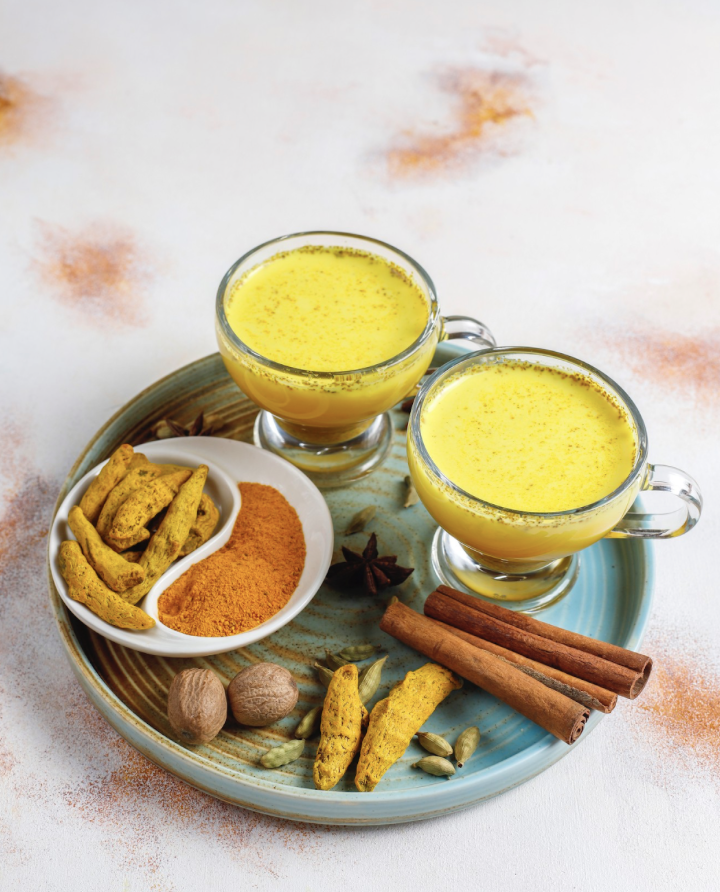
Image Credits: Freepik
3. Ragi Porridge with Dry Ginger and Jaggery
Ragi (finger millet) is rich in calcium and iron, perfect when your appetite is low but your body needs nourishment.
- Dry ginger (sonth) warms the body and eases digestion.
- Jaggery provides clean energy and supports liver cleansing.
How to prepare: Cook ragi flour in water or milk, add a pinch of dry ginger and a little jaggery. It’s soothing, filling, and healing.You can also try Ragi and Sattu porridge. Get the recipe here.
4. Homemade Electrolyte Water
When you have a fever, you lose minerals through sweat. Instead of packaged drinks, make your own natural rehydration formula.
- Coconut water provides potassium and glucose.
- Pink salt replenishes sodium and trace minerals.
- Lemon refreshes and boosts Vitamin C.
- Raw honey offers soothing anti-microbial support.
How to prepare: Mix 1 glass of coconut water + a pinch of pink salt + ½ lemon juice + 1 tsp honey.For lung health, try our most recommended herbal cleanse here.
When to Seek Medical Attention
As much as we believe in the wisdom of the body and the power of natural remedies, there are times when medical support becomes essential. Fever is usually the body’s friend, but if certain red flags appear, it’s a sign that we need to dig deeper.Here’s a simple checklist to help you or your loved ones know when it’s time to consult a healthcare expert:
- Fever above 102°F that lasts more than 3 consecutive days
- Persistent or severe headache, especially if accompanied by stiff neck or vomiting
- Skin rashes, especially if they’re spreading rapidly or look purplish
- Breathlessness, chest pain, or rapid breathing
- Infants under 3 months with any fever (do not wait, seek immediate care)
- Extreme fatigue, lethargy, or confusion
- Dizziness or fainting episodes
- Uncontrolled shivering or feeling cold despite high fever
What to Avoid During Viral Fever
When you’re down with a viral fever, your body is already doing some heavy lifting. It’s fighting off invaders, restoring balance, and conserving energy. The last thing it needs is hard-to-digest meals or inflammatory foods that slow healing.
What to Avoid: Foods That Fuel the Fire, Not Fight It
- Processed and Packaged Foods
- Chips, biscuits, instant noodles, low on nutrients, high on additives
- These suppress immunity and burden the gut
- Sugar and Sweets
- Sugar promotes inflammation and suppresses white blood cell function
- Skip desserts, sugary drinks, and energy bars
- Dairy (for some people)
- If you have congestion or mucus buildup, avoid milk and paneer temporarily
- Curd can be used if tolerated, but only at room temperature and not at night
- Heavy, Fried, or Spicy Foods
- These can aggravate your already sensitive digestion
- They may trigger acidity or worsen dehydration
- Excessive caffeine or cold beverages
- They dehydrate and shock the system
- Prefer warm herbal teas, infusions, or warm water instead
Final Word: Viral Fever Isn’t a Setback—It’s a Signal
Viral fever can feel inconvenient, uncomfortable, even worrying. But if we look at it closely, it’s also a signal, a way the body tells us it needs support.Not everything needs to be controlled or rushed. In fact, some of the best responses come from tuning in rather than reacting. Fever is often the body’s way of clearing out what doesn’t belong, quietly, efficiently, and intelligently.Instead of treating it as something to fight, what if we saw it as something to support?
Not with overreaction, but with awareness. Not with fear, but with fundamentals: rest, nourishment, hydration, and care.Disclaimer: This blog is for educational and informational purposes only. It is not intended to diagnose, treat, cure, or replace medical advice. While we’ve shared science-backed insights and gentle lifestyle tools to support you during viral fever, every individual is different. Please consult a qualified healthcare professional before starting any new remedy, especially for infants, children, or if you have underlying health conditions. If your symptoms persist, worsen, or you’re unsure about your situation, seek medical attention without delay. Your health is precious. Listen to your body, trust your instinct, and make decisions that support your healing, mindfully and safely.
Sometimes, healing isn’t about doing more, it’s about doing what truly matters.
If you’re navigating a viral fever, low immunity, or simply feeling off-balance, remember, you don’t have to figure it all out alone.
Our Wellness Programs are designed to support you in the most mindful, personalised way, whether it’s building immunity, understanding your symptoms better, or simply learning how to care for your body.
Feel free to reach out at 18001020253 or write to us at [email protected]; we’re here to walk this path with you.