No products in the cart.
Have you ever watched someone you love outgrow their clothes, their habits, or even the sound of their own laughter — almost overnight?
Or maybe you’re the one standing at the edge of something unfamiliar. Your body feels different. Emotions come and go like unexpected visitors. The mirror looks new, and the world feels a little louder, a little more complex.
Puberty isn’t just about growing taller or getting hair in new places. It’s a time when the body reshapes itself, yes — but so does identity, confidence, and the way we relate to the world.
The Tanner Stages are one way to understand what’s happening on the outside. But what happens inside — the confusion, the curiosity, the questions — those matter just as much.
So pause here and ask yourself:
What’s one thing you wish someone had explained to you more gently when you were growing up?
What might your child or teen be feeling right now that they can’t put into words?
And if you’re the one going through it — how would it feel to know that everything you’re experiencing is completely normal, even the weird stuff?
You’re not behind. You’re not too early. Let’s walk through this together — with facts, care, and a reminder that there’s no right speed to grow.
What Are Tanner Stages? Understanding the 5 Stages of Puberty
Puberty doesn’t begin on a fixed date — it unfolds gradually, often without fanfare. Some kids notice changes at 8, others closer to 14. That range is normal. Puberty age varies widely due to genetics, environment, nutrition, and overall health.The Tanner Stages, named after pediatric endocrinologist Dr. James Tanner, offer a scientific framework to understand how the body matures during this time. Instead of assigning an age, the Tanner system describes five stages of physical development — covering everything from breast growth to testicular enlargement, pubic hair, skin changes, and more.But beneath these changes, the body’s internal command center is hard at work. Puberty is initiated when the pituitary gland—a pea-sized gland at the base of the brain—starts releasing hormones like luteinizing hormone (LH) and follicle-stimulating hormone (FSH). These chemical messengers signal the ovaries in girls and the testes in boys to begin producing sex hormones (estrogen and testosterone), setting the Tanner stages into motion.Everyone moves through these stages in their own time. Some start early, others later—but each stage reflects the body’s intricate choreography of hormonal, physical, and emotional growth.
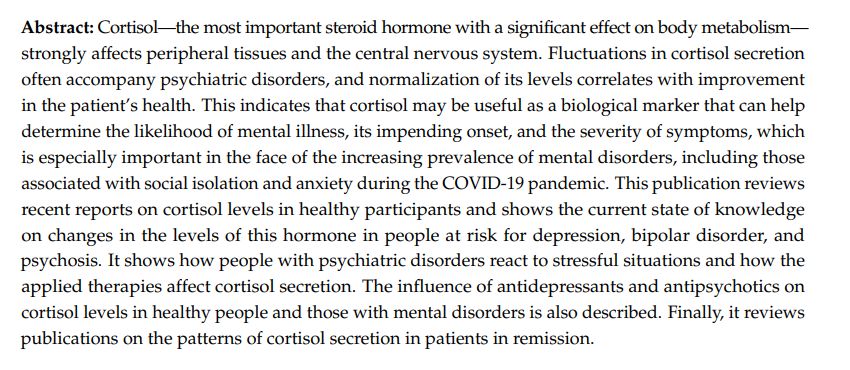
Source: Emmanuel M, Bokor BR. Tanner Stages. [Updated 2022 Dec 11]. In: StatPearls [Internet]. Treasure Island (FL): StatPearls Publishing; 2025 Jan-. Available from: https://www.ncbi.nlm.nih.gov/books/NBK470280
Puberty Age: Early, Late, or ‘Just Right’ — What Matters Most
It’s important to remember: the pace is different for everyone. There’s no ‘right’ way to develop. Puberty doesn’t run on a stopwatch. While most girls begin between ages 8 and 13 and boys between 9 and 14, starting earlier or later doesn’t make a child abnormal or ‘behind.’ These are simply patterns — not deadlines.Some teens finish puberty by 14, while others continue changing until their early 20s. Gender diversity, early or delayed puberty, and conditions like PCOS can also influence how these stages appear. No one chart can capture every human experience, but the Tanner framework helps us better support, track, and normalize this remarkable journey. What matters more than age is the sequence and pace of development. For instance, breast budding followed by gradual height growth in girls, or testicular enlargement followed by body hair in boys — that’s typically reassuring, regardless of when it starts.

Image by Freepik
If puberty begins before age 8 in girls or before age 9 in boys, or if there’s no sign by age 13 in girls or age 14 in boys, it’s worth checking in with a pediatrician. But even then, remember, early or late doesn’t define maturity. Every body has its own rhythm.
Puberty in Girls: The 5 Stages of Change and the Care They Need
No two girls progress through puberty in the same way, and that’s exactly why understanding the Tanner stages can help ease confusion and self-judgment. These stages map visible signs of development, helping us better support young girls as they transition into womanhood — physically, emotionally, and socially.
Stage 1 (Prepubertal)
- No visible changes.
- Internally, hormones may be quietly preparing the body for change.
Stage 2 (Breast Budding & Early Pubic Hair)
- Small breast buds appear under the nipples — may feel tender or uneven.
- Sparse, straight pubic hair may start to grow.
- Often begins between 8 and 13 years.
- Support tip: Normalize asymmetry. Offer soft, supportive undergarments and talk about body ownership early — this is when privacy becomes important.
Stage 3 (Breast and Hair Growth, Growth Spurts)
- Breasts enlarge; pubic hair becomes darker and curlier.
- Height increases rapidly; hips may widen.
- Oily skin, sweat, and body odor may become noticeable.
- Support tip: Body image issues can begin here. Reinforce confidence through conversations, not comparisons. Validate their feelings without rushing solutions.
Stage 4 (Menstruation May Begin)
- Breasts take fuller shape.
- Pubic hair grows denser; underarm hair may appear.
- Menarche (first period) typically starts around this time.
- Emotional fluctuations may intensify.
- Support tip: Prepare in advance for periods — talk about pads, cramps, cycles, and what’s normal. Empower her to track her cycle and respect her need for space or rest.
Stage 5 (Adult Development)
- Breasts reach adult size and shape.
- Pubic hair spreads to the inner thighs; full physical maturity.
- Growth slows or stops.
- Support tip: Conversations now shift to emotional boundaries, consent, and the importance of self-worth beyond appearance. Guide with empathy, not fear.
Note: Girls can begin developing as early as 8 or as late as 14 — both are within normal ranges. Early bloomers may need more emotional support; late bloomers, more reassurance.Above all, this journey is not just about what changes — but how we talk about it. Privacy, curiosity, boundaries, and self-esteem grow side by side. Let her feel seen, not watched. Supported, not managed. That makes all the difference.
A Note on Early Puberty
Over the past decade, more families have been noticing signs of puberty showing up earlier than expected, sometimes as young as 7 or 8 years old in girls. This isn’t just about early breast development or body hair. It can also involve sudden emotional shifts, irritability, or even early menstruation — all before the child is emotionally ready.Medically, this is known as precocious puberty, and while sometimes it’s genetic or constitutional (early but normal), in other cases it may be linked to factors like:
- Endocrine disruptors in food, plastics, cosmetics, or the environment
- Obesity or high body fat percentages
- Chronic stress or trauma
- Hormonal imbalances or rare health conditions
- Exposure to adult content or overstimulation
As parents or caregivers, it’s not about panic — it’s about observation. If your daughter begins developing breasts before the age of 8 or shows other advanced signs, consider checking in with a pediatrician or endocrinologist. Early intervention can help her body and her mind move through this phase safely, with less confusion or emotional overwhelm.Most importantly, create a space of non-judgmental safety. If your child is developing early, what she needs most is reassurance, honest guidance, and protection from hypersexualized messaging — not fear.
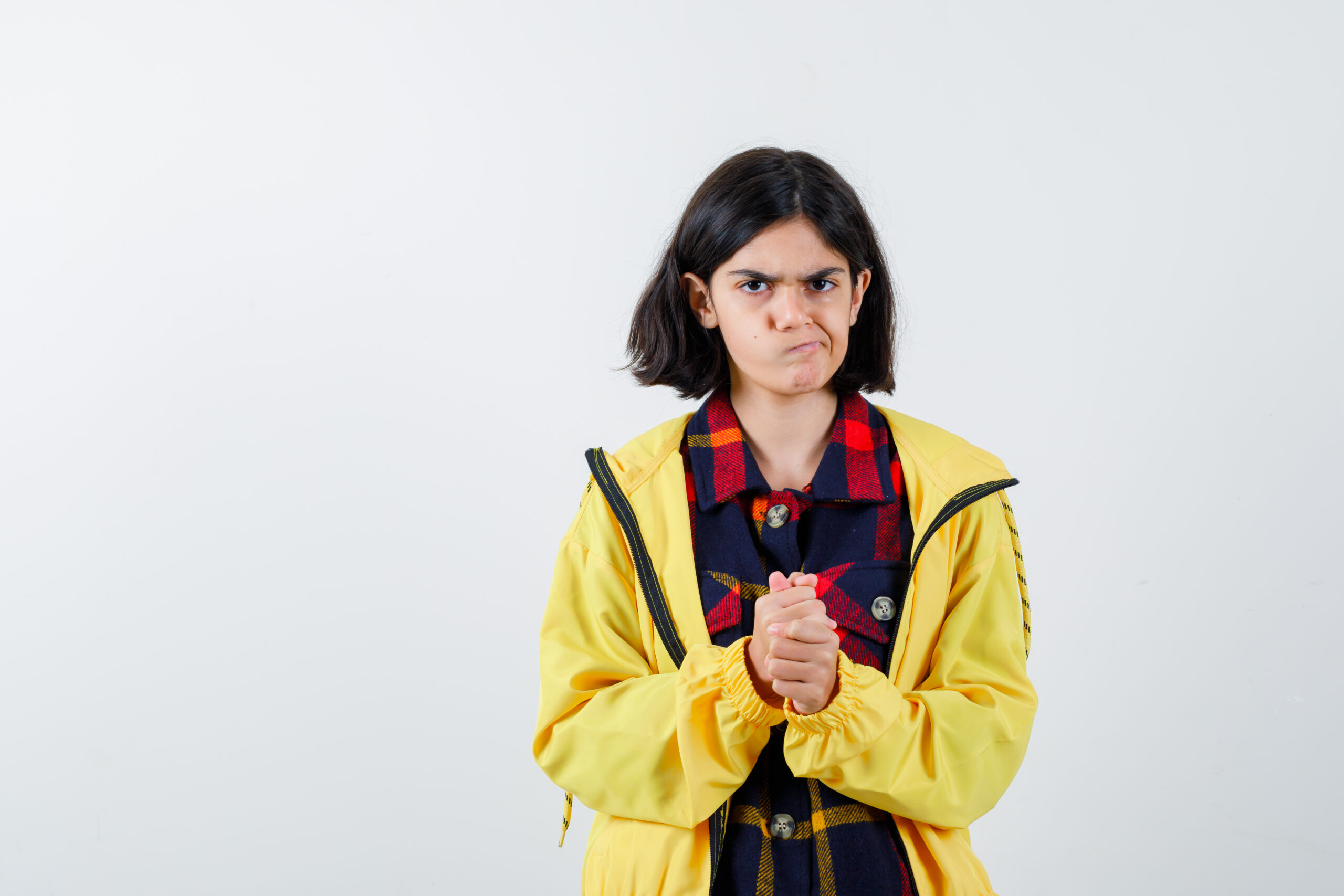
Image by Freepik
Tanner Stages in Males: Growing Pains and Power Shifts
Puberty in boys doesn’t follow a script — it can be quiet and steady, or intense and confusing. The Tanner stages in males map out these shifts through five stages:
- Stage 1: No visible signs of puberty yet — the body is laying groundwork behind the scenes.
- Stage 2: Testicular enlargement begins, often the first noticeable change. Fine pubic hair may start to appear.
- Stage 3: Penis growth becomes more visible. Pubic hair thickens, and voice cracks may begin.
- Stage 4: Facial and body hair starts to grow. Voice deepens, muscles develop, and oil production increases, which may trigger acne.
- Stage 5: Puberty is complete. Genitals and body proportions reach adult size. Some continue to grow into their early twenties.
Emotionally, these changes can create turbulence. Mood swings, increased irritability, risk-taking behavior, or even quiet withdrawal may show up. Parents often say, “My once cuddly boy now avoids hugs.” This is normal. It doesn’t mean you’ve lost him — it just means he’s figuring himself out.What he needs is not interrogation but quiet safety. He needs space to come to you, not pressure to perform emotional intimacy. Normalize curiosity around erections, hair growth, and comparison with peers. Be honest, but age-appropriate. Let your presence signal that he’s not alone — even when he doesn’t always reach for you.
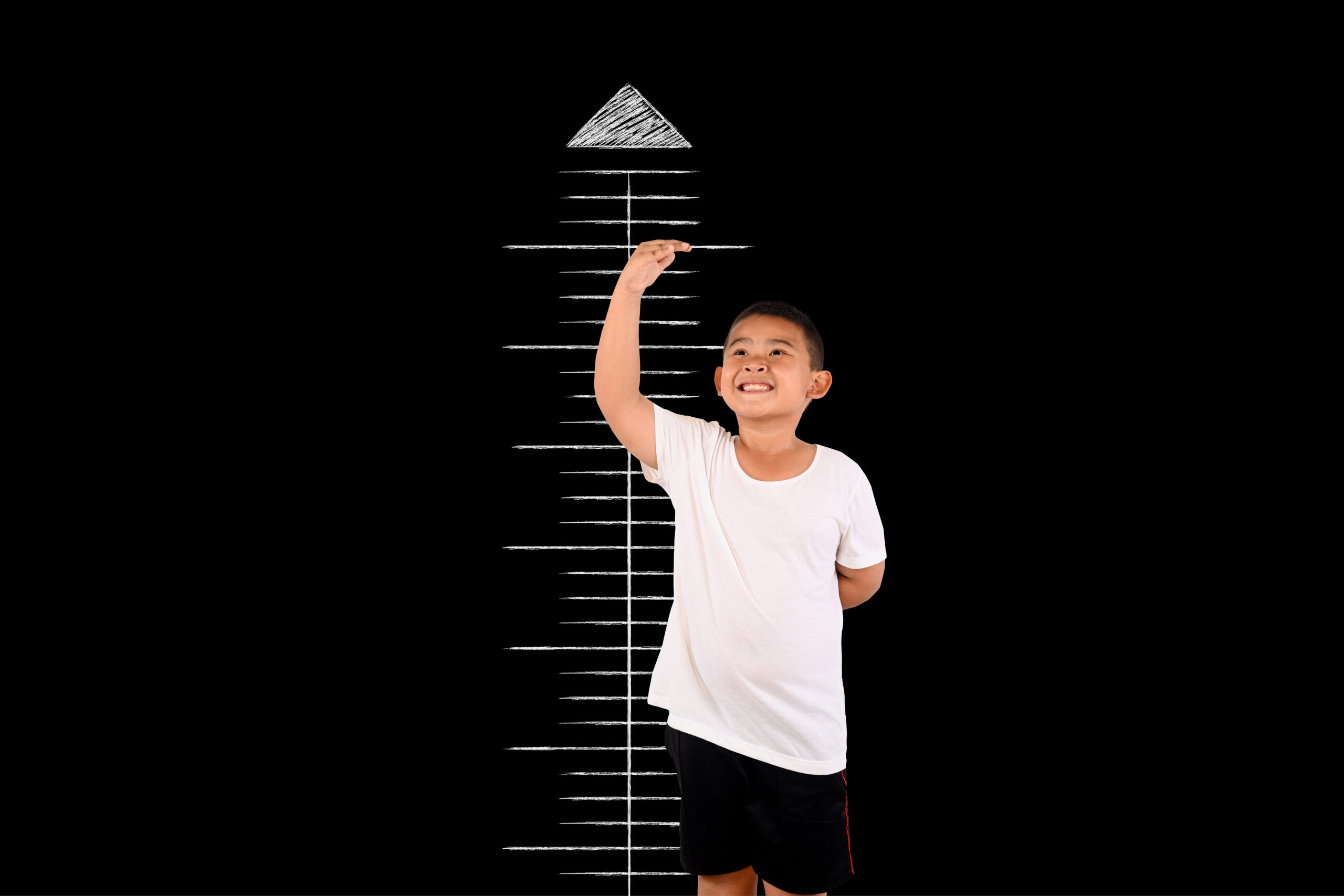
Image by Freepik
A Note on Late Bloomers: There’s No One Right Timeline
Not every boy hits puberty early, and that’s perfectly okay. Some may reach Tanner Stage 2 later than peers, which can spark self-doubt, embarrassment, or social comparison. If your child feels ‘behind,’ remind him: the body isn’t a race track. It’s a fingerprint — unique, wise, and right on time.If there are no signs of puberty by age 14 or 15, consult a pediatrician for reassurance or guidance. But avoid labeling or panic. What matters most is helping him feel seen, supported, and normal — because he is. Emotional safety will always matter more than a growth spurt.
At a Glance: How the Tanner Stages of Puberty Impact Girls Vs. Boys
| Tanner Stage | Girls (Tanner Stages Female) | Boys (Tanner Stages Males) |
| Stage 1 (Pre-puberty) | No breast development. No pubic hair. Growth is steady and childlike. | No genital changes. No pubic hair. Child-like body proportions. |
| Stage 2 (Early puberty) | Breast buds (thelarche) begin. Sparse, light pubic hair. A growth spurt may start. Emotional sensitivity may increase. | Testes and scrotum begin to enlarge. Sparse pubic hair appears. Slight height increase. Possible mood shifts and restlessness. |
| Stage 3 | Breasts grow more; areola enlarges. Pubic hair becomes darker and curlier. Height velocity increases. May begin to feel self-conscious. | Penis lengthens. Pubic hair thickens. Voice begins to crack. Muscle mass increases. May become more private or emotionally distant. |
| Stage 4 | The areola and nipple form a second mound. Menstruation may begin. Pubic hair thickens. Body image concerns peak. | Penis grows in size and width. Voice deepens significantly. Hair under arms and on face begins. Skin may become oily or acne-prone. |
| Stage 5 (Maturity) | Full breast development. Adult pattern pubic hair. Growth slows down and stops. Periods become regular. Greater emotional stability. | Genitals reach adult size. Facial and body hair continues to grow. Growth plateaus. Emotional independence strengthens. |
Changes in Body During Puberty: Physical, Hormonal, and Emotional Shifts
Puberty is more than just a growth spurt — it’s a full-body transition led by powerful hormones like estrogen and testosterone. These chemical messengers trigger changes in height, weight, body composition, and sexual development, but they also influence how you feel, think, and relate to the world.Some of the most common changes in the body during puberty include:
- Hair growth under the arms, in the pubic region, and on the chest or face (for boys)
- Voice deepening — more noticeable in boys
- Breast development and the beginning of menstruation in girls
- Erections and nocturnal emissions (commonly called nightfall) in boys
- Acne and oily skin, as oil glands become more active
- Increased sweating, especially underarms, hands, and feet, sometimes with sa trong odor
- Body odor, which may feel new or unpleasant at first
This is often the first time a teen might notice sweaty palms or a lingering body smell after sports or stress. It’s not dirty — it’s natural. But it’s also the right time to start gentle hygiene habits: bathing regularly, changing clothes often, using a mild deodorant if needed, and keeping feet dry.And while all these changes can feel awkward, they are part of how the body matures. Just as muscles grow and voices deepen, so too do emotions. Mood swings, irritation, and even curiosity about sex and relationships are all normal.There’s nothing wrong with your body. It’s just learning how to grow — and so are you.
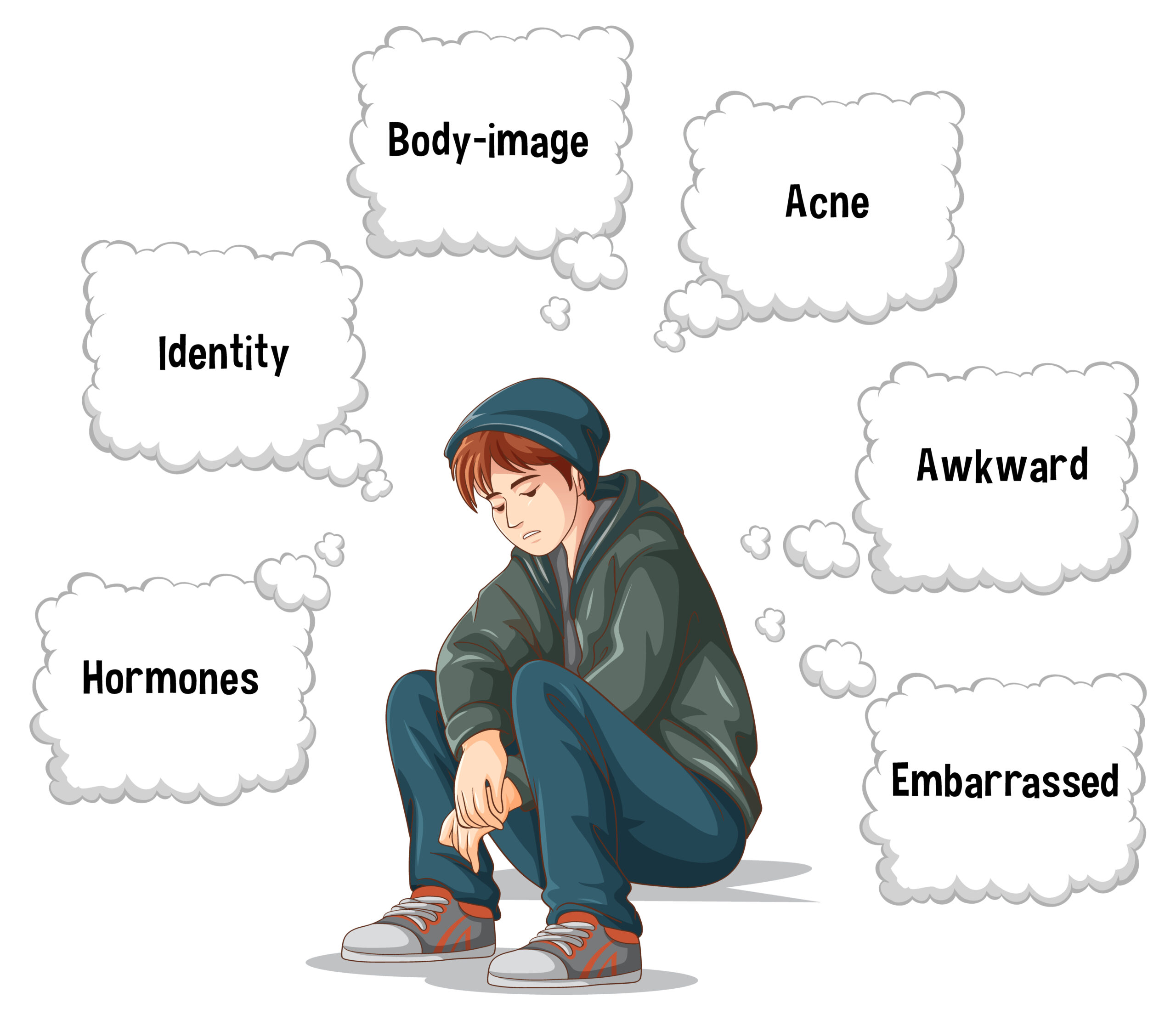
Image by Freepik
Hygiene Checklist: Taking Care of Your Changing Body
As your body changes, these simple habits can help you feel fresher, more confident, and healthier every day:
- Bathe daily
Especially after sweating, sports, or long days. Use a gentle soap that suits your skin type.
- Wash your underarms, feet, and private areas thoroughly
These areas sweat more and may need extra attention.
- Change clothes and underwear every day
Fresh clothes = fresh start.
- Use a mild deodorant if body odor bothers you
Ask a parent or caregiver for help choosing one.
- Keep your hands and feet dry
If your palms or soles sweat a lot, wash and dry them often. You can also keep a small towel in your bag.
- Don’t pop pimples!
Clean your face gently twice a day, and pat dry — no harsh scrubbing.
- Clip nails regularly and keep them clean
Dirt, germs, and oil can build up under long nails.
How Puberty May Feel: A Letter to Teens Navigating This Stage
If you’ve been feeling all over the place lately — more emotional, more curious, or like your body’s changing faster than your mind can keep up — you’re not alone. This is puberty. And it’s not just physical. It’s emotional, personal, and sometimes overwhelming.Yes, mood swings, breakouts, new body smells, wet dreams, periods, and attraction — they’re all part of this stage. So is feeling unsure or comparing yourself to others. But remember: there’s no ‘right’ way to grow. You’re allowed to feel awkward and amazing. Curious and confused.If something bothers you, talk to someone you trust — a parent, older sibling, teacher, or counselor. Or even write it down. Journaling helps. You’re not broken. You’re just growing — into someone strong, capable, and uniquely you.Take your time. You’re doing just fine.
Journaling Prompts for Teens Navigating Puberty
|
A Note for Parents, Caregivers, and Supportive Adults
Puberty is more than biology — it’s a transformation of identity, emotions, and how young people see themselves. And while every teen walks their own path, they need someone walking with them.Whether you’re a parent, single parent, grandparent, elder sibling, teacher, or caretaker — you are that bridge.You don’t need all the answers. But you do need presence. Your role isn’t to fix — it’s to witness, guide, and hold space without judgment.If you’re a single parent, know that your love, when steady and open, is enough. You can still create emotionally safe spaces where your child feels seen and supported, especially on topics like body image, mood swings, sex education, or periods. Don’t underestimate the power of honest, non-awkward conversations that begin with: “It’s okay to talk to me about this.”If you’re a grandparent, relative, or elder sibling, you might be the one they come to when parents feel ‘too close.’ Lead with empathy, not embarrassment. If they ask questions about changes in their body, relationships, or emotions, meet them with warmth and facts, not myths or fear.If you’re raising someone who’s not your child, you still matter. The bond may look different, but your impact is just as lasting. Your role isn’t less — it’s quietly profound.Here are a few reminders for all caregivers:
- Talk about what’s changing — before shame fills in the silence. Discuss periods, erections, hair growth, mood swings, acne, and hygiene gently and factually.
- Normalize sexual health conversations. Curiosity doesn’t mean danger. Offer information on consent, private body parts, attraction, and safety. The earlier it’s talked about calmly, the safer they’ll feel asking questions later.
- Embrace the awkwardness together. If they’re uncomfortable, say: “This feels weird, I get it. I still think it’s important we talk about it.” That honesty builds trust.
- Be the calm, reassuring voice in their chaos. Don’t mock the voice cracks or mood swings. Avoid teasing or comparing. Instead, show them that being human — even when messy—is nothing to be ashamed of.
- Let them take the lead, but keep showing up. Even when they pull away, roll their eyes, or shrug you off, don’t disappear. Your consistency is often what they’ll come back to.
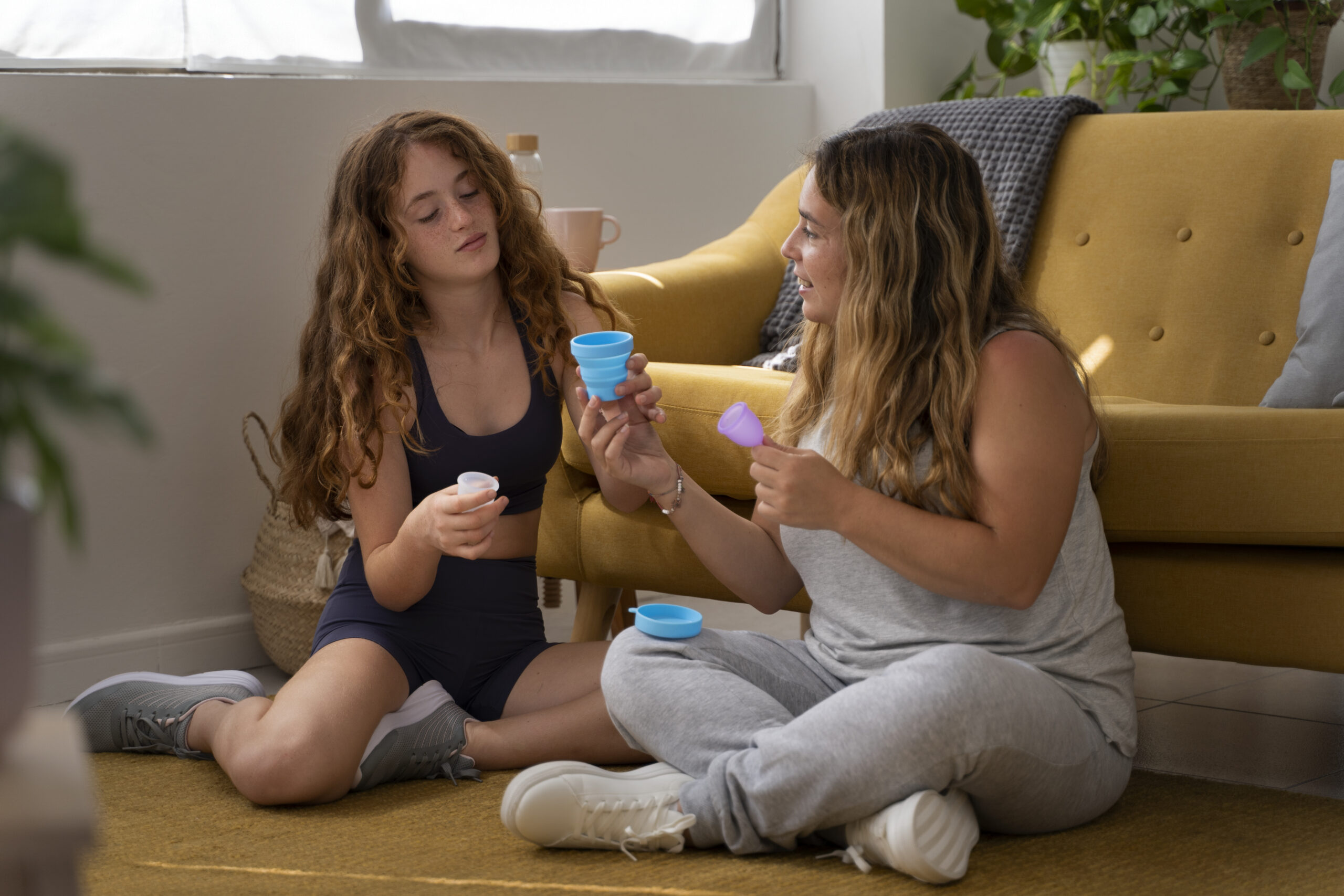
Image by Freepik
You’re not raising a perfect child. You’re helping someone become themselves. And that is one of the most sacred roles anyone can hold.
Supporting Puberty Through Everyday Lifestyle Habits
Puberty can feel like a lot, physically and emotionally. But the basics still matter. Simple, consistent habits can help teens feel more balanced through all the change.
- Eat well: Prioritise home-cooked, seasonal food. Don’t skip meals. Nutrient-dense plates support hormonal and emotional health.
- Move daily: A walk, a short stretch, or playing a sport helps the body adjust to growth spurts and releases built-up tension.
- Sleep consistently: Aim for 8–9 hours of restful sleep. Late nights, blue light, and inconsistent routines can worsen mood and energy.
- Breathe better: Breathwork can be a powerful tool for anxiety, irritability, or emotional overwhelm. Even a few minutes before bed helps.
- Talk it out: Emotional wellness isn’t just about fixing problems — it’s about feeling heard. A trusted adult or journal can go a long way.
- Make time to reflect: Puberty is about more than body changes. It’s about figuring out who you are. Encourage quiet moments to connect inward.
Final Word: Puberty Isn’t a Test — It’s a Transition
Growing up doesn’t have to feel like a race or a mystery. Puberty comes with change — sometimes fast, sometimes slow — but change isn’t the enemy.Your body is doing what it’s designed to do. You’re not behind, and you’re not too much. You’re becoming who you’re meant to be, in your own time.What helps most? Clear information. Supportive adults. A little patience with yourself.This isn’t about getting everything right. It’s about staying connected — to your health, your feelings, and your truth.
Frequently Asked Questions
1. What is the normal puberty age for boys and girls?
The average puberty age typically ranges from 8–13 years in girls and 9–14 years in boys. However, this can vary based on genetics, nutrition, and lifestyle.
2. What are the Tanner stages in males?
Tanner stages in males outline five phases of puberty, from testicular enlargement in Stage 1 to full adult genital development and facial hair in Stage 5. It helps track growth milestones rather than exact ages.
3. What are the Tanner stages in females?
Tanner stages in females begin with breast budding and pubic hair (Stage 2) and progress to menstruation and full breast development by Stage 5. These stages help map the typical progression of puberty.
4. What are the five puberty stages?
The five puberty stages reflect physical and hormonal shifts—starting with pre-puberty and ending with full sexual maturity. These stages apply to both boys and girls but differ in timing and visible changes.
5. What are the key changes in the body during puberty?
Common changes in the body during puberty include height spurts, acne, voice changes, body hair, and emotional shifts—guided by hormonal changes like estrogen or testosterone. Each stage brings new adaptations.
Need Guidance for Your Teen’s Health Journey?
If you’re navigating physical or emotional concerns related to your child’s development — from hormonal shifts to mood swings, menstrual irregularities, acne, or sleep — our integrative team can help.
Book a Consultation with Us Today.
We’ll work with you to create a personalized, realistic plan that supports your child’s overall well-being, with clarity, compassion, and care.
Write to us at [email protected]
Or call our toll-free number 18001020253
Disclaimer: This article is for educational purposes only and is not a substitute for professional medical or psychological advice. Puberty unfolds differently for every child. If you notice persistent physical or emotional concerns, please consult a qualified healthcare provider.