No products in the cart.
Let’s say you’re sipping water through a straw. But midway, you notice a tiny crack in it. The effort it takes to draw even a little water becomes frustrating. You suck harder, your cheeks cave in, but you barely get a trickle. It’s not that the water isn’t there; it’s just that something is constantly interrupting its flow.
Now imagine your body going through the same struggle…night after night.
This is what sleep apnea does, not just to your breath, but to your life. It’s not merely a matter of snoring or disrupted sleep. It’s about how your airway, much like that cracked straw, partially collapses or gets blocked repeatedly while you sleep. And every time it does, oxygen flow to your brain and organs gets disrupted, sometimes hundreds of times a night.
The Silent Epidemic: Most Go Undiagnosed
Despite affecting over 936 million people globally, sleep apnea remains one of the most underdiagnosed sleep disorders, according to a global analysis. Many individuals spend years struggling with vague symptoms, like daytime fatigue, brain fog, irritability, low mood, poor immunity, and morning headaches, often attributing them to stress or burnout, unaware that the real issue is rooted in their breath.
Sleep is supposed to be the body’s repair mode, a deep, restorative state where healing, regeneration, and cleansing happen. But in individuals with sleep apnea, that repair process gets compromised, and the body is constantly jerked out of deep sleep to reinitiate breathing.
So, What Is Sleep Apnea?
Sleep apnea is a condition that causes repeated upper airway collapse during sleep, leading to intermittent hypoxia, a fancy term for oxygen deprivation. And this is no small deal. Oxygen is life. When your brain and body are repeatedly starved of it, systems begin to falter.

Source: What is sleep apnea? (n.d.). NHLBI, NIH. Retrieved August 7, 2025, from https://www.nhlbi.nih.gov/health/sleep-apnea
And the shocking part? Many people don’t even know they have it.
Why Sleep Apnea Deserves Serious Attention, Not Just Earplugs
Sleep apnea isn’t just about snoring. It’s a full-body condition. Individuals with moderate to severe obstructive sleep apnea had a two-fold increased risk of developing cardiovascular events, including stroke and sudden cardiac arrest.
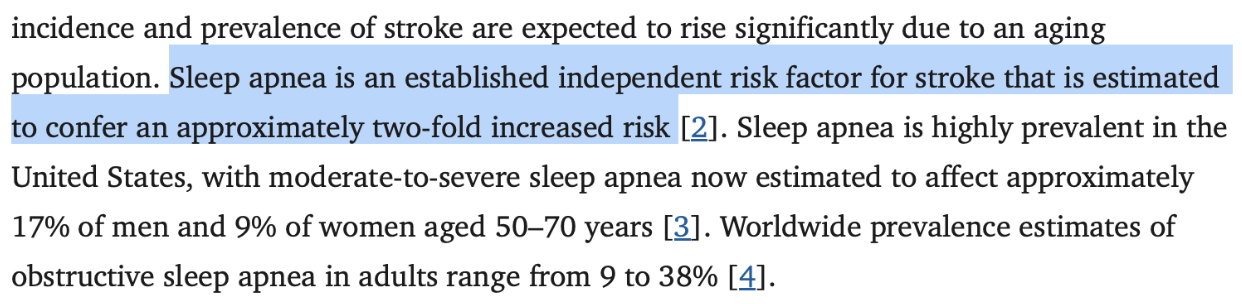
Source: McDermott, M., Brown, D. L., & Chervin, R. D. (2018). Sleep disorders and the risk of stroke. Expert review of neurotherapeutics, 18(7), 523–531. https://doi.org/10.1080/14737175.2018.1489239
In fact, even fit, young individuals are not immune. Nighttime oxygen deprivation can trigger irregular heart rhythms like atrial fibrillation, elevate blood pressure, disturb blood sugar regulation, and lead to metabolic issues, including type 2 diabetes.
Sleep apnea has also been linked to memory loss, mood disorders, and impaired cognitive function. Chronic sleep apnea may even accelerate brain aging and increase the risk for Alzheimer ’s-like changes in the brain.
These effects are not just consequences of poor sleep; they’re results of repeated oxygen disruption at a cellular and neurological level.
The body is screaming for oxygen. The brain is trying to keep up.
And the person? They’re trying to power through the day with caffeine, naps, and willpower.
So What’s Blocking the Breath?
While we’ll explore the reasons for sleep apnea in depth later, let’s just say it’s a mix of anatomy, lifestyle, inflammation, and sometimes genetics. Whether it’s extra tissue in the throat, weak muscles during sleep, or chronic congestion, the result is the same: the airway gets obstructed, and sleep quality tanks.
And when sleep apnea symptoms are left unaddressed, the domino effect begins.
Types of Sleep Apnea
There are three types of sleep apnea:
- Obstructive Sleep Apnea (OSA) – The most common form by far, happening when throat muscles, the tongue, or soft palate relax too much and block airflow during sleep. This causes partial or full pauses in breathing that may not always wake you, but significantly disrupt deep rest.
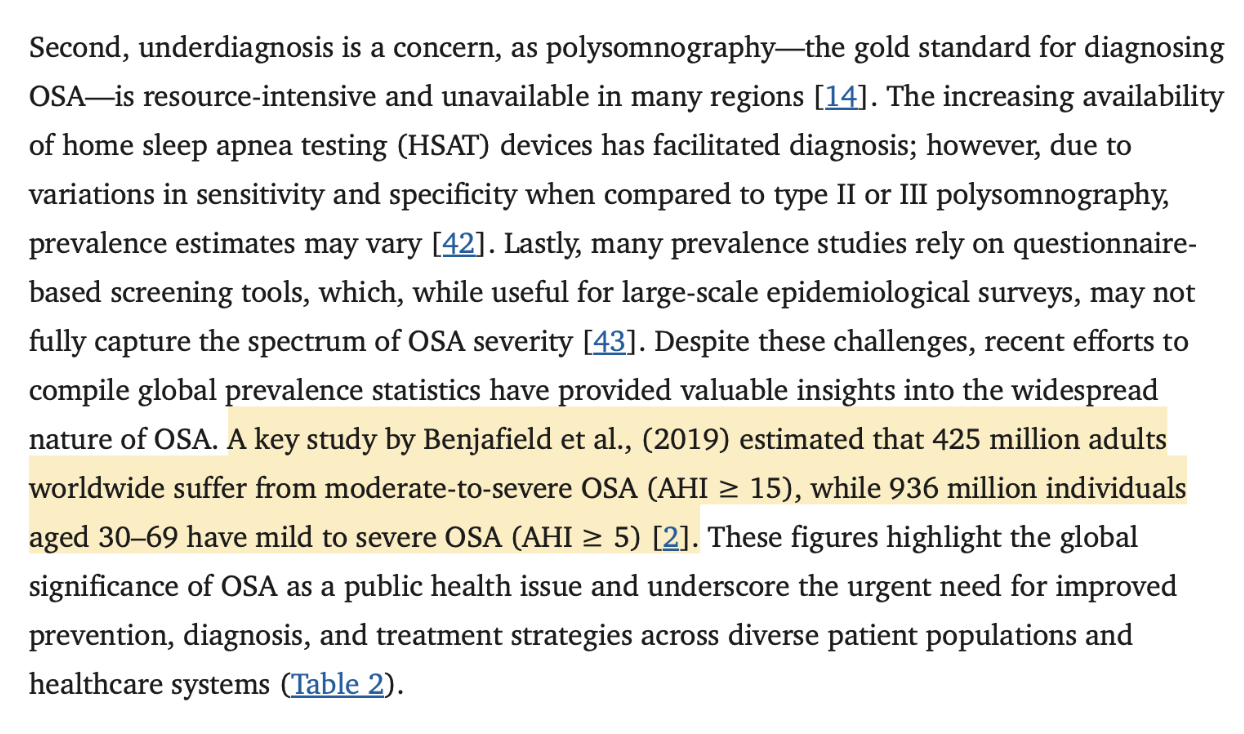
Source: Iannella, G., Pace, A., Bellizzi, M. G., Magliulo, G., Greco, A., De Virgilio, A., Croce, E., Gioacchini, F. M., Re, M., Costantino, A., Casale, M., Moffa, A., Lechien, J. R., Cocuzza, S., Vicini, C., Caranti, A., Marchese Aragona, R., Lentini, M., & Maniaci, A. (2025). The Global Burden of Obstructive Sleep Apnea. Diagnostics (Basel, Switzerland), 15(9), 1088. https://doi.org/10.3390/diagnostics15091088
2. Central Sleep Apnea (CSA) – Less frequent, CSA occurs when the brain temporarily fails to signal the muscles responsible for breathing, not because of blockage, but due to missing commands.
3. Complex or Mixed Sleep Apnea – A blend of both OSA and CSA. This often arises during treatment of obstructive apnea or appears in patients with overlapping causes.
Among these, obstructive sleep apnea carries the greatest risk. Its repetitive oxygen deprivation leads to cardiovascular, metabolic, and neurological consequences more frequently than CSA.
Symptoms of Sleep Apnea: What to Watch For
If you notice loud, chronic snoring plus some of the following symptoms, it’s time to take notice seriously:
- Unexplained Daytime Drowsiness and Sudden Snoozes: Excessive daytime sleepiness is perhaps the most common clinical warning sign. Individuals who snore regularly experience fatigue and somnolence significantly more than non-snorers, and these symptoms independently predict the development of high blood pressure over time. Sleep apnea disrupts deep sleep and causes micro-arousals hundreds of times a night, leading to persistent daytime sleepiness, even if you think you’ve slept well.
- Gasping, Choking, or Paused Breathing at Night: These abrupt awakenings are classic signs of obstructive sleep apnea. When throat muscles relax too much, airflow is momentarily blocked, prompting your body to jolt awake to resume breathing. Partners often witness this, and it’s an urgent call to evaluate sleep quality.
- Morning Headaches and Throat Dryness: Waking up with a dull headache or dry, sore throat can indicate frequent oxygen dips during sleep. Studies confirm that nearly 29% of obstructive sleep apnea patients experience morning headaches more than half the month. Dry mouth often follows open-mouth breathing triggered by airway obstruction.
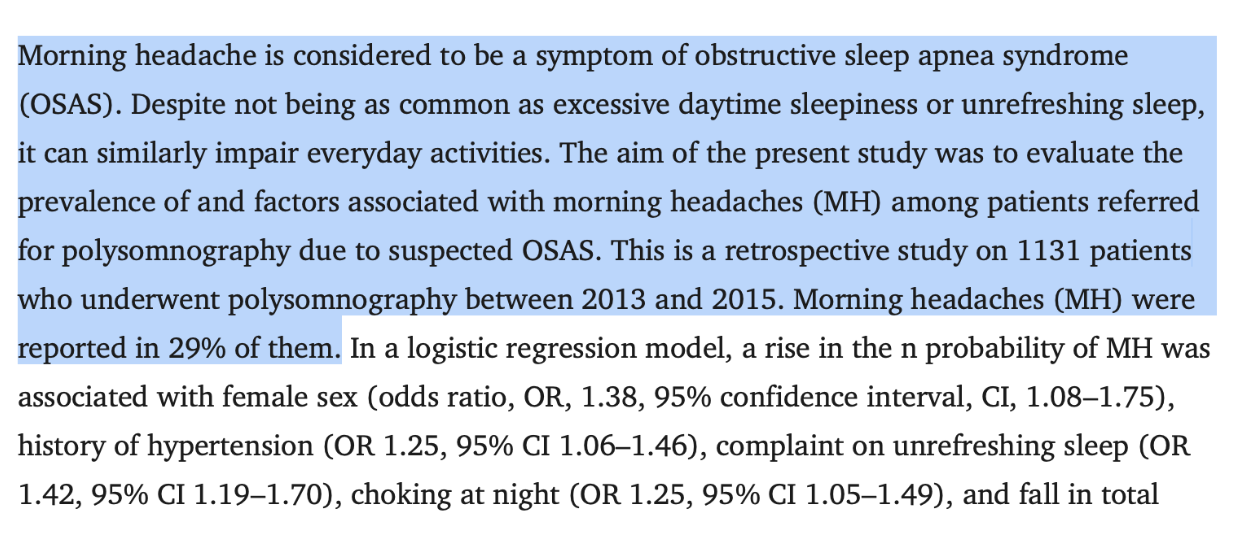
Source: Spałka, J., Kędzia, K., Kuczyński, W., Kudrycka, A., Małolepsza, A., Białasiewicz, P., & Mokros, Ł. (2020). Morning Headache as an Obstructive Sleep Apnea-Related Symptom among Sleep Clinic Patients-A Cross-Section Analysis. Brain sciences, 10(1), 57. https://doi.org/10.3390/brainsci10010057
4. Cognitive Fog, Mood Swings, and Irritability: Sleep fragmentation impairs prefrontal cortex function, leading to poor focus, forgetfulness, and emotional instability. Women, especially, may experience subtle cognitive decline or mood shifts rather than the classic signs, and this contributes to delayed diagnosis.
5. Falling Asleep During Routine Activities: If you find yourself nodding off while sitting in a meeting, driving, or after lunch, without exhaustion, it could be more than tiredness. That’s your body signaling that restorative sleep isn’t happening reliably.
Image Credits: Freepik
Sleep apnea isn’t just about poor sleep quality; it’s a systemic disruption. Misregulation of oxygen and intermittent hypoxia places stress on the cardiovascular system, metabolism, and brain. Untreated, these symptoms may escalate over time into hypertension, arrhythmias, cognitive decline, or even renal complications.
So if you see any of the above signals, not just snoring, consider this your body’s plea for assessment.
Which Risk Factors Put You on Alert?
Some contributors may feel obvious, others surprising. Common reasons for sleep apnea include:
- Excess weight, specifically in the neck and abdomen. It may seem unrelated, but fat accumulation, especially visceral fat, tightens around the diaphragm and throat, reducing lung capacity and increasing airway collapse risk. Numerous studies link neck circumference, abdominal obesity, insulin resistance, and sleep apnea risk in adults with type 2 diabetes. A population survey found individuals with diabetes and poor metabolic health had significantly higher odds of developing severe OSA.
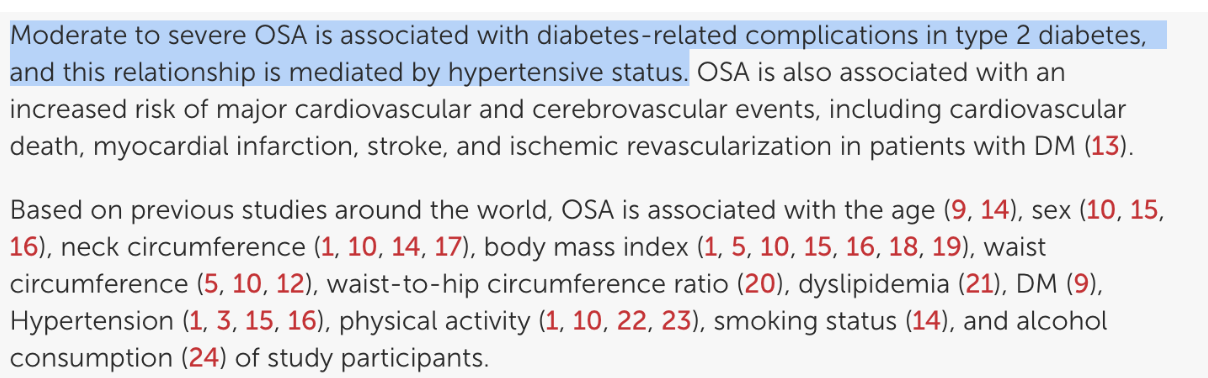
Source: Front. Endocrinol., 04 April 2023, Sec. Clinical Diabetes, Volume 14 – 2023 | https://doi.org/10.3389/fendo.2023.1151124
- Weak or low-toned throat muscles or tongue posture issues
- People with thyroid disorders, COPD (chronic obstructive pulmonary disease), asthma or lung fibrosis frequently present subtle breathing interruptions or snoring, yet rarely think of sleep apnea as the root cause.
- Structural issues like a deviated septum or nasal congestion
- Lifestyle elements like alcohol use before bed or certain medications
How Is Sleep Apnea Diagnosed?
If the sleep apnea symptoms we’ve discussed so far resonate with you, or if your partner has been nudging you about snoring, waking up gasping, or appearing tired despite clocking in seven to eight hours of sleep, please don’t dismiss it as aging, stress, or ‘just a bad night.’ Let’s be clear: diagnosis is not just important, it’s life-saving.
Many people live with undiagnosed sleep apnea for years, and during that time, the body quietly begins to break down, metabolically, neurologically, hormonally, and emotionally.
Gold Standard: Overnight Polysomnography (PSG)
If your doctor suspects obstructive sleep apnea (OSA) or central sleep apnea (CSA), they’ll likely recommend a polysomnography, often done overnight in a sleep lab.
This is not just another test. It’s a comprehensive diagnostic tool that captures and analyzes your entire sleep architecture. Here’s what it includes:
- Electroencephalogram (EEG) – Monitors brain waves to assess sleep stages and arousals
- Electrocardiogram (ECG) – Checks heart rhythm and variability through the night
- Electromyography (EMG) – Detects subtle muscle activity, like jaw clenching or leg movements
- Electrooculogram (EOG) – Tracks eye movements, crucial for REM (rapid eye movement) sleep identification
- Nasal airflow sensors – Assess the consistency of breathing
- Chest and abdominal movement belts – Measure effort during respiration
- Pulse oximetry – Tracks oxygen saturation and drops that occur during apneic episodes
PSG is still the most reliable tool for identifying both obstructive and central apnea events, micro-arousals, and REM sleep disruptions.
Most people experience hundreds of micro-awakenings without even remembering them, leaving them groggy, inflamed, and cognitively fogged.
What Happens After Diagnosis?
Diagnosis is not a full stop. It’s the beginning of healing.
Once your sleep study results are in, your sleep specialist may classify your condition as mild, moderate, or severe OSA. This guides the next step, which could include:
- Lifestyle-based reversal strategies: weight management, nutrition, home remedies for sleep apnea, positional therapy
- Integration of movement and breathwork: scientific research now supports the role of sleep apnea and yoga, especially pranayama, in improving oxygenation and reducing apneic episodes.
- Introduction of a device for sleep apnea, like CPAP (Continuous Positive Airway Pressure) or oral appliances for airway support
While many ask how to cure sleep apnea, it’s vital to understand that reversing the root causes, obesity, inflammation, poor sleep hygiene, nasal congestion, and insulin resistance, holds the key. It’s not a one-size-fits-all fix, but a multidimensional journey involving lifestyle changes, awareness, and often temporary use of devices until the body begins to self-correct.
Here’s the Good News: Sleep Apnea Is Often Reversible
Let’s talk about hope.
Because when it comes to sleep apnea, most people are only handed devices and prescriptions. But very few are handed awareness, the kind that empowers you to take control.
Yes, CPAP and BiPAP (Bilevel-positive airway pressure) machines (which are top devices for sleep apnea) can be life-saving for many. They help maintain airflow through pressurized oxygen. They just manage symptoms; they do not address the root cause.
And if lifestyle is the root, then lifestyle can be the solution.
The Lifestyle–Sleep Apnea Link: What Science Says
Multiple studies now confirm that obstructive sleep apnea (OSA), which accounts for most sleep apnea cases, is deeply influenced by inflammation, excess body weight, poor muscle tone in the airway, nasal blockage, and even gut health.
So when you address these reasons of sleep apnea, you’re not just improving symptoms, you’re potentially moving toward reversal, or in some cases, complete resolution.
Let’s walk through the strategies that truly work.
1. Belly Fat: The Hidden Culprit Behind Airway Collapse
Did you know that abdominal fat compresses your diaphragm and narrows the airway during sleep? It’s not just about weight; it’s about where that weight sits.
According to a 2017 review in Current Obesity Reports, even a modest 5–10% reduction in body weight can significantly improve or eliminate sleep apnea symptoms.
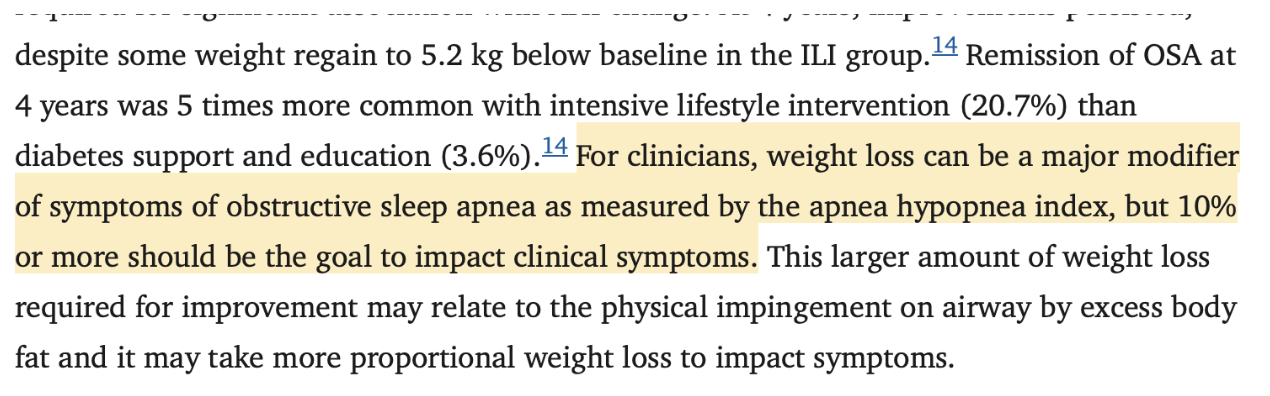
Source: Ryan, D. H., & Yockey, S. R. (2017). Weight Loss and Improvement in Comorbidity: Differences at 5%, 10%, 15%, and Over. Current obesity reports, 6(2), 187–194. https://doi.org/10.1007/s13679-017-0262-y
You don’t need to starve or overtrain. You need metabolic discipline:
- Anti-inflammatory eating (think rainbow vegetables, good fats, no refined sugar)
- Smart fasting (12:12 or 14:10, depending on your body’s state)
- Early dinners that don’t burden digestion at night
- Rest and recovery (especially deep sleep cycles)

Image Credits: Freepik
2. Breath Is Medicine, Retrain It
Before reaching for pills or surgical fixes, pause and observe your breath.
In our practice, we’ve seen pranayama, especially Nadi Shodhana (alternate nostril breathing) and Bhramari (bee breath), reduce anxiety, improve sleep quality, and tone airway muscles.
A study in Cureus found that daily pranayama improved oxygen saturation and reduced apnea episodes in mild-to-moderate OSA patients. This is the real synergy between sleep apnea and yoga.
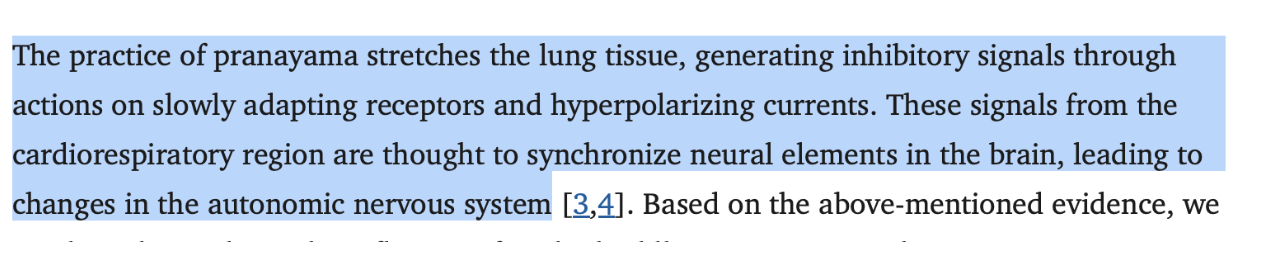
Source: Yelkur, P., Manivel, R., Mohammed, S., Rachakonda, S., Umapathy, N., & Akash, V. C. (2024). Impact of Nadi Shuddhi Pranayama on Apnea Hypopnea Index, Respiratory Distress Index, and Oxygen Desaturation Index Among Adolescents With Sleep Apnea Syndrome. Cureus, 16(7), e65848. https://doi.org/10.7759/cureus.65848
Try these before bedtime:
- Nadi Shodhana (alternate nostril breathing): Do 5 minutes before bed. It calms the nervous system and improves oxygenation.
- Bhramari (humming bee breath) or ‘Om’ chanting: Lightly stimulates the vagus nerve and tones pharyngeal muscles.
3. Mouth & Tongue Workouts to Tone Your Airway
Here’s something most people miss: your throat is made of muscles. Like any muscle, they weaken with disuse, but they can also be trained.
In one clinical trial, patients practicing oropharyngeal exercises showed a 39% reduction in sleep apnea severity.
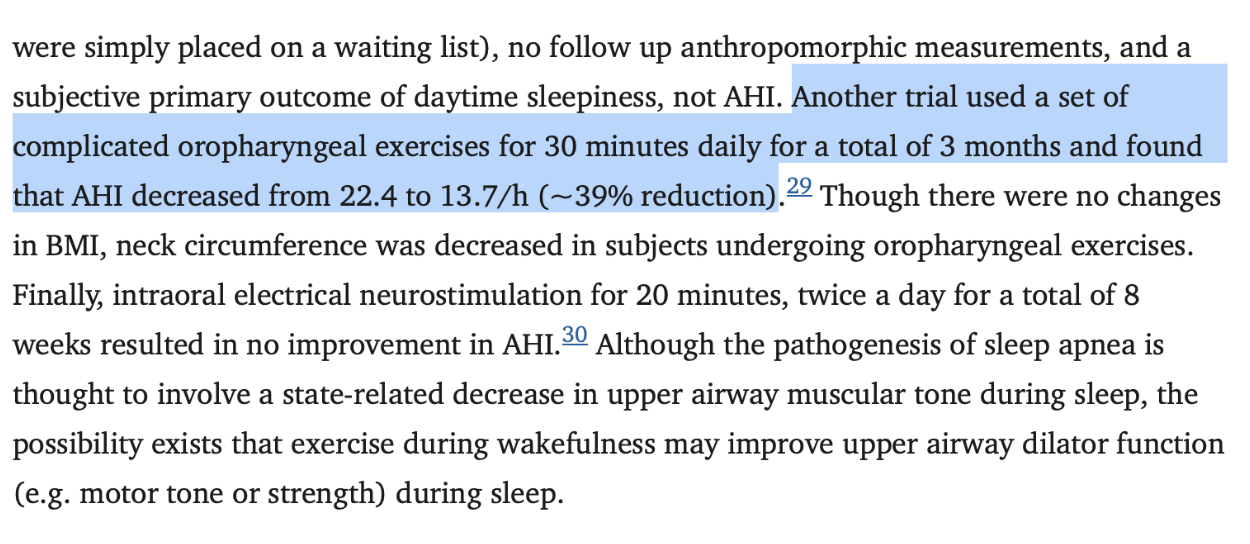
Source: Awad, K. M., Malhotra, A., Barnet, J. H., Quan, S. F., & Peppard, P. E. (2012). Exercise is associated with a reduced incidence of sleep-disordered breathing. The American journal of medicine, 125(5), 485–490. https://doi.org/10.1016/j.amjmed.2011.11.025
These are simple, at-home routines:
- Tongue Stretch: Stick your tongue out, aiming for the chin. Tilt your head slightly. Hold for 15 seconds.
- Cheek Resistance: Insert a clean finger into your cheek and pull against it using your facial muscles.
Try twice a day. That’s it.
4. Sleep Position Matters More Than You Think
Your sleep posture can make or break your night. Back sleeping worsens sleep apnea because gravity pulls your tongue back, obstructing your airway.
So what helps?
- Sleep on your side, use a body pillow if needed
- Elevate your head slightly (helps with reflux too)
- Avoid heavy, spicy, or acidic meals at dinner
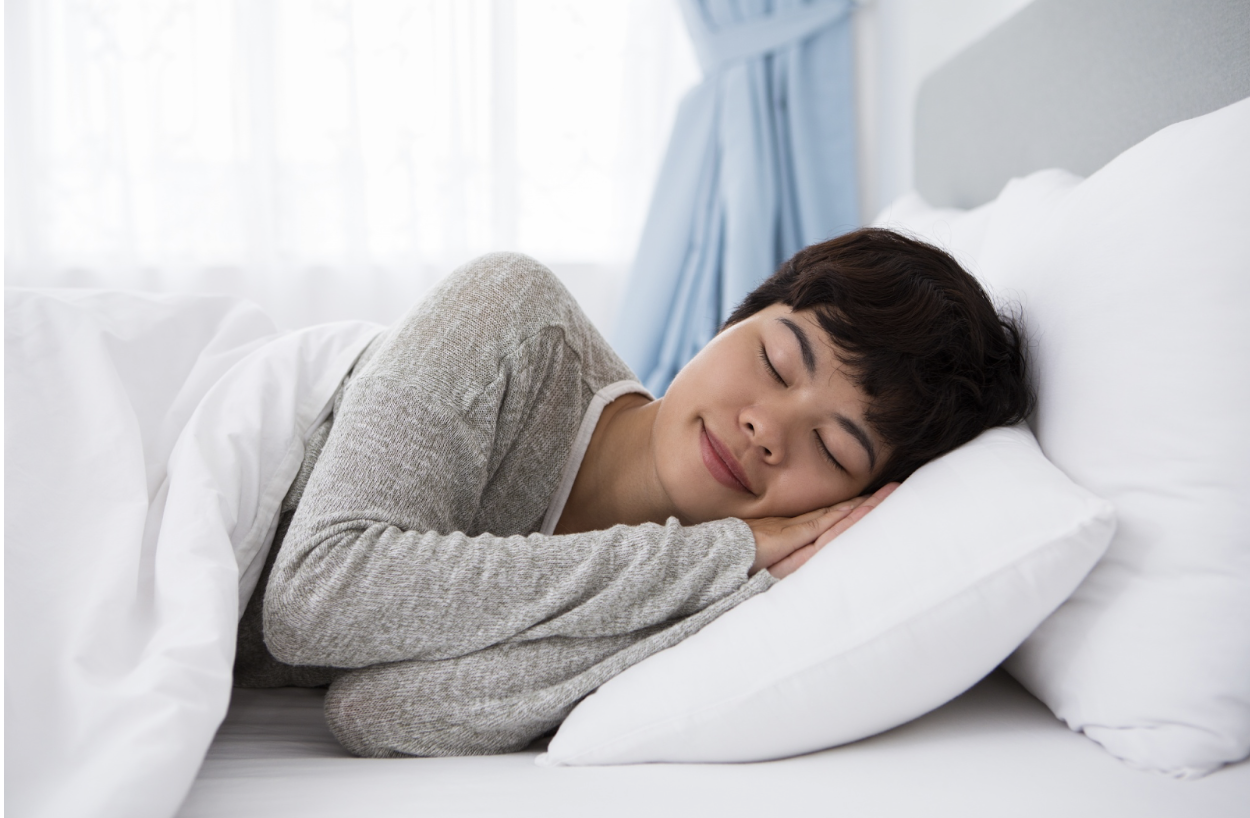
Image Credits: Freepik
5. Nasal Hygiene = Better Sleep Quality
If you’re breathing through your mouth at night, you’re doing your lungs and brain a disservice. Why? Because nasal breathing filters air, releases nitric oxide and supports deep sleep cycles.
Try the options below for nasal hygiene:
- Use a saline rinse or neti pot before bedtime
- Inhale steam with eucalyptus or peppermint
- Keep your bedroom dust-free and ventilated
Blocked sinuses are one of the overlooked risk factors of sleep apnea, especially in allergy-prone individuals.
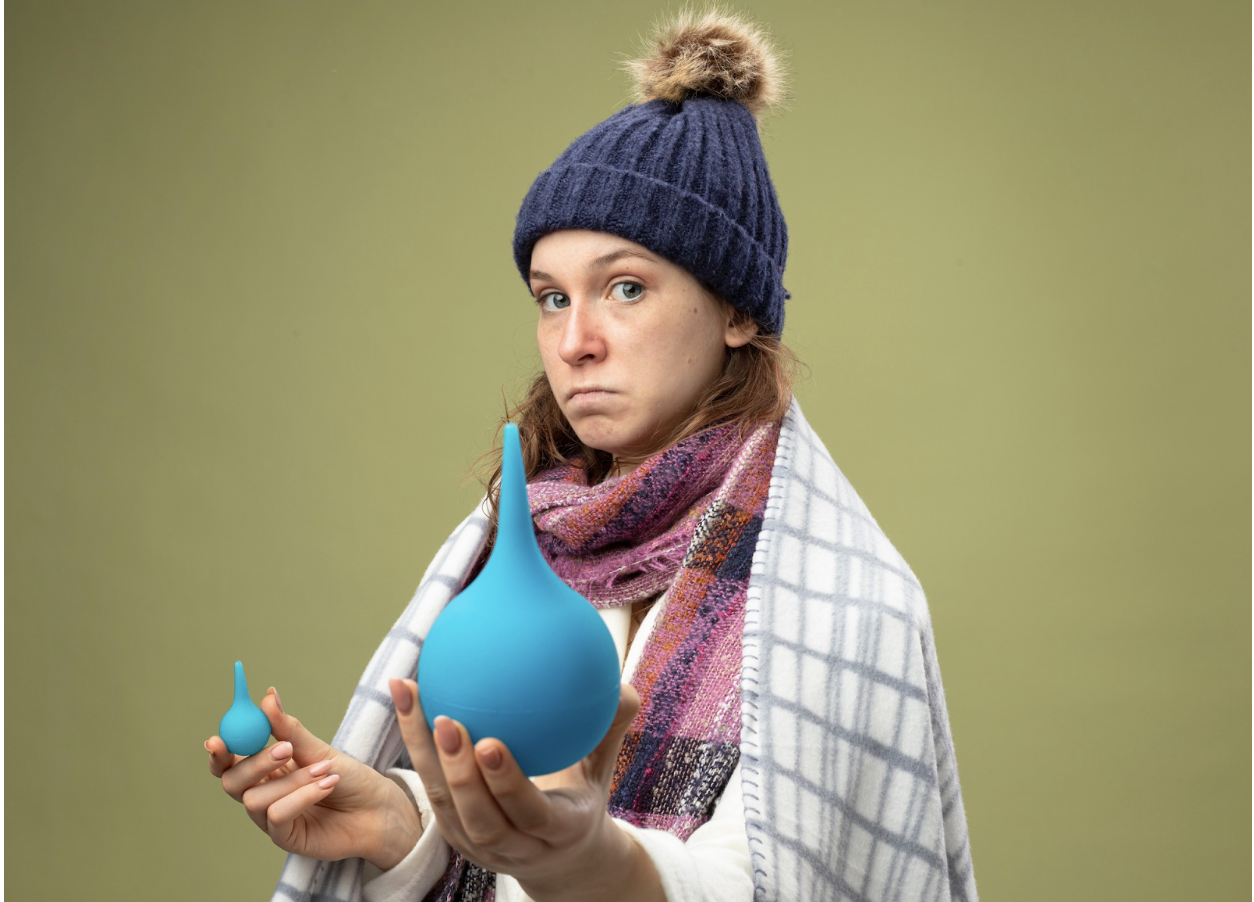
Image Credits: Freepik
6. Eat to Beat Inflammation
There’s no escaping it; chronic inflammation worsens sleep apnea. It tightens airways, triggers reflux, and inflames nasal passages. The foods you eat play a huge role in either calming or inflaming your system.
Avoid:
- Sugar
- Processed meats
- Deep-fried foods
- Dairy (if it creates mucus for you)
Add in:
- Turmeric with black pepper
- Leafy greens (spinach, moringa)
- Chia and flaxseeds
- Ginger and garlic
These foods are deeply anti-inflammatory and gut-supportive, which brings us to the next point…
7. Heal the Gut Because It’s All Connected
You’d be surprised how often gut issues and sleep apnea go hand-in-hand. Acid reflux can lead to micro-aspiration during sleep, causing inflammation in the airways. Poor digestion leads to bloating, which adds pressure to the diaphragm.
Support your gut with:
- A probiotic-rich food
- Early, light dinners
- Herbal teas (chamomile, fennel, ajwain water)
- Avoiding food intolerances (gluten, dairy, etc. if reactive)
Remember, your gut, lungs, and brain are connected through the vagus nerve, and healing one impacts the others.
The Breath of Change Starts Now
Sleep apnea isn’t your enemy; it’s your body’s intelligence trying to get your attention. A feedback system gone awry, yes, but also an invitation. To pause. To recalibrate. To breathe differently and live more consciously.
True healing isn’t in silencing the symptom, it’s in decoding its message.
The body is built to heal, but only if we create the right internal and external environment. And when breath flows freely, so does life itself.
Watch this powerful video that beautifully breaks it down:
Disclaimer: This blog is intended for educational and informational purposes only. It is NOT a substitute for professional medical advice, diagnosis, or treatment. Always consult your physician or a qualified healthcare provider with any questions you may have regarding a medical condition, including sleep apnea or related symptoms. Never disregard professional advice or delay in seeking it because of something you’ve read here.
If you’re questioning the why behind sleep apnea or seeking how to truly overcome it, remember, no device can substitute the wisdom of a real lifestyle shift.
Our Wellness Programs are designed to support you in the most mindful, personalised way, whether it’s building immunity, understanding your symptoms better, or simply learning how to care for your body.
Feel free to reach out at 18001020253 or write to us at [email protected]; we’re here to walk this path with you.