No products in the cart.
Ever bitten the inside of your cheek and ended up with a painful sore that makes even sipping water feel like fire?That’s what having a mouth ulcer feels like, a tiny lesion that somehow demands your full attention.
What Exactly is a Mouth Ulcer?
A mouth ulcer or canker sore is essentially a small, open wound in the lining of the oral mucosa, the soft, protective tissue inside your mouth. The oral mucosa is a delicate environment, and even minor disturbances can create the perfect setting for these sores to appear.
These shallow, round or oval patches can appear on the inside of your cheeks, your lips, your tongue, or along your gums.
While they may look alarming, most are self-resolving, healing within a week or two. They are not contagious, unlike cold sores caused by the herpes simplex virus, yet they can be just as painful.
A mouth ulcer is rarely ‘just’ a random sore. It’s often your body’s way of signalling that something deeper may be at play, be it nutritional gaps, immune changes, stress, or inflammatory shifts.
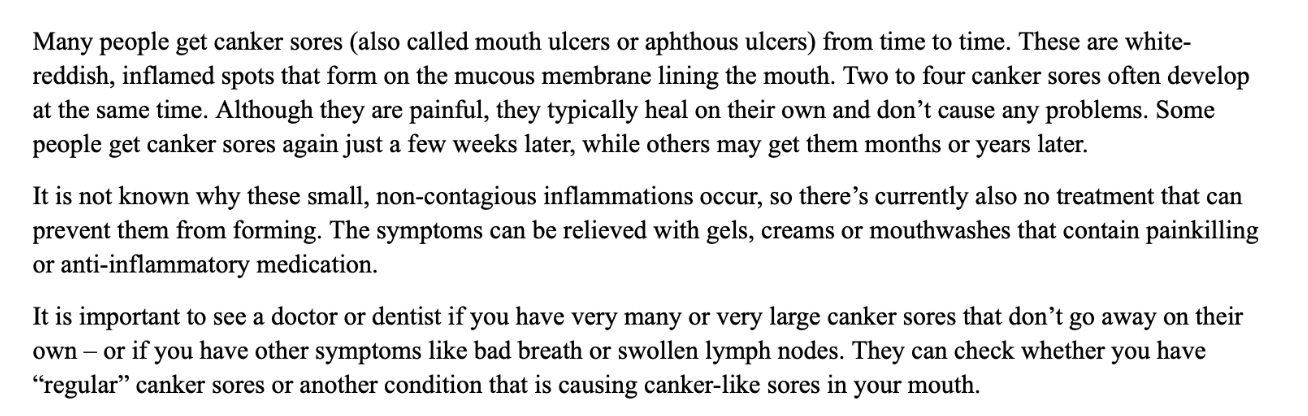
Source: InformedHealth.org [Internet]. Cologne, Germany: Institute for Quality and Efficiency in Health Care (IQWiG); 2006-. Overview: Canker sores (mouth ulcers) [Updated 2022 Oct 17].Available from: https://www.ncbi.nlm.nih.gov/books/NBK546250/
Types of Mouth Ulcers
Not all mouth ulcers are created equal. While they may look similar at first glance, the type of ulcer you have can reveal a lot about its possible cause and how long it might stick around. Understanding the differences is like knowing whether you’re dealing with a short drizzle, a heavy downpour, or a stubborn monsoon; it helps you prepare and respond better.
1. Minor Aphthous Ulcers
These are the most common types. They’re usually small, less than 5 mm, and heal within 7 to 14 days without leaving a scar. They tend to appear on the softer tissues of the mouth, such as the inner cheeks, lips, or under the tongue. While they can be painful, they’re generally self-healing.
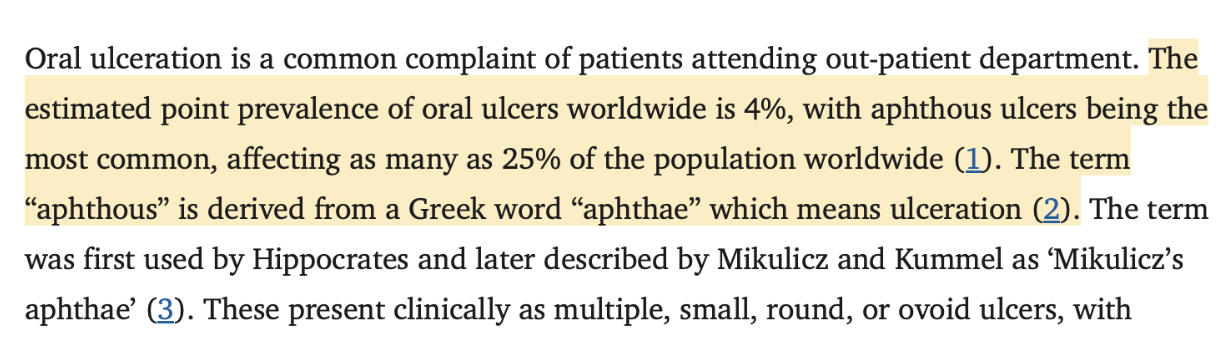
Source: Patil, S., Reddy, S. N., Maheshwari, S., Khandelwal, S., Shruthi, D., & Doni, B. (2014). Prevalence of recurrent aphthous ulceration in the Indian Population. Journal of clinical and experimental dentistry, 6(1), e36–e40. https://doi.org/10.4317/jced.51227
2. Major Aphthous Ulcers
These are larger, deeper, and far less common. Measuring over 10 mm, they can linger for several weeks and may leave behind scarring. Because of their size and depth, they can make eating and speaking particularly uncomfortable. Major aphthous ulcers often need medical evaluation, as they may be linked to systemic conditions or immune-related imbalances.
3. Herpetiform Ulcers
Despite the name, these are not caused by the herpes virus. Instead, they appear as clusters of tiny pinpoint ulcers that may merge to form larger irregular sores. They can develop in any area of the mouth and, although less common, are often more painful due to their widespread distribution. They can take two to three weeks to heal.

Image Credits: Freepik
Symptoms of Ulcer in Mouth
Recognising the symptoms of ulcer in mouth early is like spotting the first crack in a teacup, small, but a sign that it needs gentle handling before it worsens. These tiny sores may look harmless, but anyone who has had one knows they can hijack your day. Something as simple as sipping your morning tea, enjoying a crunchy salad, or even having a conversation can suddenly feel like a challenge. Catching them early gives you the chance to ease the discomfort and, more importantly, prevent them from becoming a regular visitor in your life.
1. Localised Pain or Burning Sensation
The hallmark sign is a distinct stinging or burning sensation at the site of the ulcer. This discomfort intensifies with certain foods, especially acidic or spicy items, due to the exposed nerve endings in the damaged mucosa. The pain is often the first symptom patients notice before visible changes appear.
2. Distinctive Lesion Appearance
Mouth ulcers typically present as small, round or oval sores with a pale white or yellow centre. This is due to fibrin, a protein involved in wound healing, covering the ulcer base, while the surrounding area appears red from inflammation. This contrast helps differentiate them from other oral conditions.
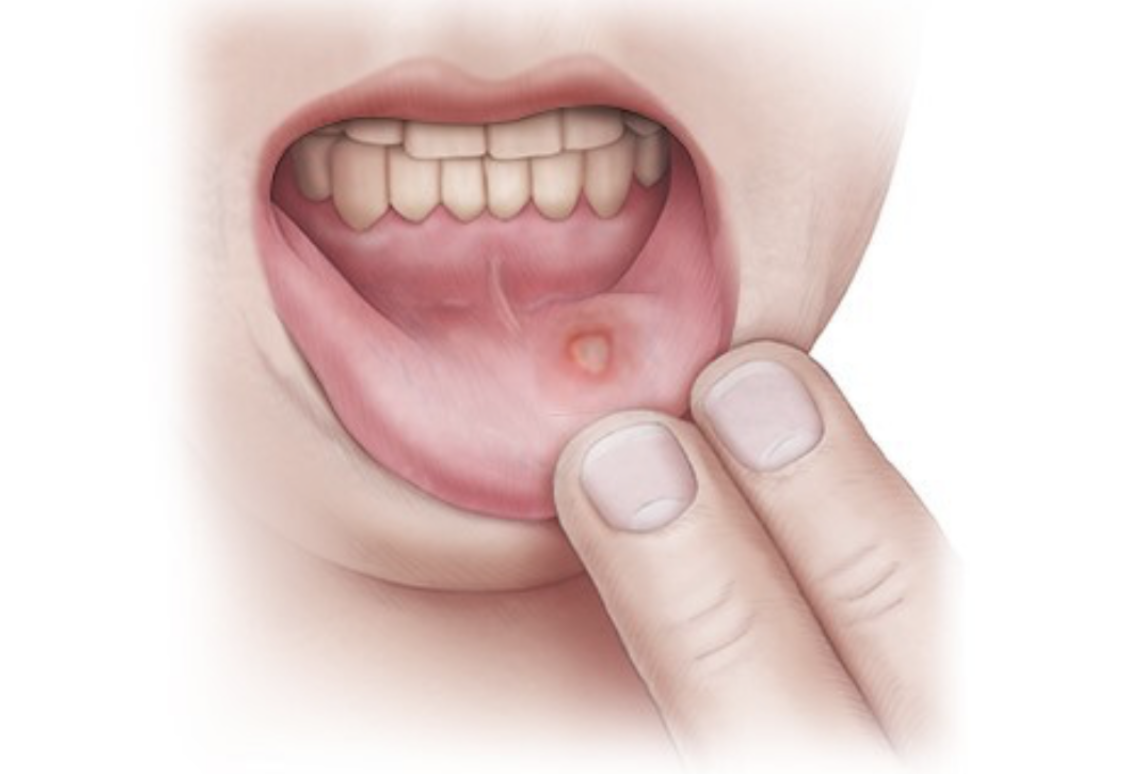
Source: InformedHealth.org [Internet]. Cologne, Germany: Institute for Quality and Efficiency in Health Care (IQWiG); 2006-. Overview: Canker sores (mouth ulcers) [Updated 2022 Oct 17].Available from: https://www.ncbi.nlm.nih.gov/books/NBK546250/
3. Surrounding Inflammation or Swelling
In some cases, the tissue around the ulcer may become swollen or tender. This inflammatory response is the body’s natural way of sending immune cells to the affected area to begin repair, but it can make chewing or brushing teeth uncomfortable.
4. Difficulty in Swallowing or Speaking
If the ulcer is located near the tongue, soft palate, or throat, you may notice discomfort when swallowing or speaking. This happens because these areas move constantly during normal activities, increasing friction and irritation.
5. Altered Taste or Metallic Sensation
Some people experience a mild metallic taste or temporary changes in flavour perception. This is linked to the release of inflammatory molecules and subtle changes in the oral microbiome while the ulcer heals.
6. Occasional Bad Breath
While not always present, halitosis can occur if food particles and bacteria accumulate near the ulcer, especially if oral hygiene is reduced due to pain.
Ulcers in Mouth Causes
A mouth ulcer is often the end result of several factors, some within our control, and others linked to deeper internal imbalances. While these small lesions seem to appear overnight, the groundwork for their formation often begins days or even weeks earlier. Understanding the ‘why’ is essential, not just for immediate relief but also for preventing recurrence.
1. Nutritional Deficiencies
One of the most overlooked reasons for recurrent mouth ulcers is poor micronutrient status. Deficiencies in iron, folic acid, zinc, and Vitamin B12 can compromise the integrity of the oral mucosa and slow tissue repair. Without adequate nutritional support, even minor friction in the mouth can lead to lesions that take longer to heal.
2. Stress and Immune Dysregulation
Stress doesn’t just live in your mind; it leaves biochemical footprints throughout the body. Elevated cortisol levels during chronic stress can weaken immune surveillance while triggering an exaggerated inflammatory response in the oral lining. Psychological stress can alter mucosal immunity, increasing susceptibility to recurrent ulcers. This is why mouth ulcers often appear during exam weeks, high-pressure work deadlines, or emotionally taxing phases of life.
3. Hormonal Fluctuations
Many women notice a spike in ulcer episodes during specific phases of their menstrual cycle. This can be due to a combination of hormonal shifts, increased body heat, and subtle immune modulation that occurs premenstrually. Estrogen and progesterone fluctuations can influence vascular permeability (how easily fluids pass through blood vessels) and mucosal resilience, making the oral lining more vulnerable. These are usually temporary and resolve as hormone levels rebalance.
4. Food Irritants
While food alone may not ‘cause’ ulcers, certain foods can act as potent triggers. Spicy curries, citrus fruits, tomatoes, and excessively hot beverages can aggravate the oral mucosa, especially if it’s already inflamed or micro-injured. Capsaicin, the compound in chilli, is a known mucosal irritant, and acidic foods can lower pH in the mouth, further compromising healing conditions.
5. Underlying Medical Conditions
Persistent or unusually severe ulcers may be the body’s way of signalling deeper systemic issues. Autoimmune disorders such as Behçet’s disease, gastrointestinal conditions like celiac disease or inflammatory bowel disease (IBD), and even HIV can present with recurrent oral lesions as part of their symptom profile. In such cases, treating the underlying illness is the key to long-term resolution.
6. Medication Side-Effects
Certain medications, including non-steroidal anti-inflammatory drugs (NSAIDs), some antibiotics, and chemotherapy agents, can irritate oral tissues or disrupt mucosal cell turnover. This is why doctors sometimes prescribe antacids or acid-reducing medication alongside such drugs; by reducing stomach acidity, they indirectly lower the risk of acid-induced oral irritation.
7. Accidental Trauma
Not all ulcers have an internal trigger. Sometimes, it’s as simple as accidentally biting your cheek, friction from orthodontic braces, or irritation from poorly fitting dentures. While these ulcers tend to heal faster in healthy individuals, repeated trauma to the same area can turn an isolated sore into a recurring problem.
Why Mouth Ulcers Are Just a Sign?
A mouth ulcer is rarely the main problem; it’s more often your body’s red flag. Think of it as the ‘check engine’ light in your car. The light itself isn’t the fault; it’s telling you there’s an underlying issue, perhaps minor, perhaps significant, that needs to be addressed before it escalates.From a medical standpoint, ulcers form when the protective mucosal lining of the mouth is disrupted, exposing the underlying tissue to mechanical irritation, microbes, and inflammatory responses. The gut–oral axis is a key piece of the puzzle. The state of your gut microbiome can influence the resilience of your oral mucosa. Disturbances in gut health, whether from poor eating habits, stress, or chronic inflammation, may weaken mucosal immunity, making you more prone to lesions. This is why in some cases, identifying the ulcers in mouth causes means looking far beyond the mouth itself.
Prevention Strategies for Mouth Ulcers
When it comes to mouth ulcers, prevention is far more effective and far less painful than constantly seeking quick relief. While home remedies for ulcers in the mouth can soothe discomfort, the goal is to reduce the chances of these sores appearing in the first place. This means addressing the internal and external factors that set the stage for them, rather than waiting until the symptoms of an ulcer in the mouth force you to slow down.
1. Prioritise Micronutrient-Rich Nutrition
A healthy oral mucosa relies on a steady supply of vitamins and minerals, particularly vitamin B12, iron, and folate. These nutrients are essential for DNA synthesis, tissue repair, and immune resilience. Incorporating leafy greens, legumes, whole grains, and B12-rich foods like eggs and fish supports the body’s ability to maintain an intact and resilient oral lining.
2. Strengthen Stress Resilience
Stress is a powerful trigger in the list of ulcers in mouth causes, largely because it disrupts immune balance and increases inflammatory responses. Elevated cortisol levels can delay wound healing, making existing sores more persistent. Relaxation practices, such as deep breathing, meditation, and grounding, can lower systemic inflammation and enhance mucosal immunity. Building these practices into your daily routine may not just prevent ulcers but also improve overall well-being.
3. Maintain Optimal Hydration
Adequate hydration is more than just a comfort measure; it’s critical for mucosal health. Water helps maintain the protective saliva layer, which acts as a natural antimicrobial barrier. When hydration drops, the mucosa becomes more vulnerable to irritation and injury. A steady intake of plain water, herbal infusions, or naturally cooling foods like cucumber can help regulate internal heat, a factor often linked to hormonally driven ulcers, especially in women during certain menstrual phases.
4. Limit Irritant Foods and Beverages
If you are prone to oral sores, monitoring your food habits can be a proactive step in ‘how to fix ulcer in mouth’ before it worsens. Spicy foods containing capsaicin, highly acidic fruits like citrus, and excessively hot beverages can erode or inflame delicate oral tissue. While these foods may not directly ‘cause’ ulcers, they can aggravate existing micro-injuries, delaying recovery. Identifying and moderating personal triggers is key to prevention.
5. Adopt Gentle Oral Hygiene Practices
Good oral hygiene is non-negotiable, but overzealous cleaning can sometimes do more harm than good. Harsh alcohol-based mouthwashes and abrasive toothpaste ingredients like sodium lauryl sulfate (SLS) can irritate the mucosa. Switching to SLS-free toothpaste can reduce the frequency of ulcer episodes in susceptible individuals. Gentle brushing and alcohol-free rinses maintain a clean environment without compromising tissue integrity.True prevention is not about eliminating every possible irritant or avoiding your favourite foods forever. It’s about creating conditions where your oral mucosa, and your overall immune system are strong enough to withstand everyday stresses. By keeping your nutrition, hydration, stress levels, and oral care in balance, you’re not just avoiding sores, you’re building resilience from within.
Ulcer in Mouth Home Remedies
When you’re dealing with the discomfort, stinging, or burning symptoms of ulcer in mouth, relief often becomes the first priority. While prevention addresses the root causes, targeted ulcer in mouth home remedies can soothe pain, reduce inflammation, and support healing. It’s important to remember that these remedies are supportive measures, they do not replace medical care, especially if your ulcers are frequent, unusually large, or take more than two weeks to heal. Always work alongside your healthcare provider, particularly if you are already on prescribed treatment.The goal here is simple: cool, soothe, and protect the ulcer while helping your body address the underlying cause, whether that’s nutritional deficiency, mechanical trauma, or stress-induced immune changes.
1. Saltwater Rinse
One of the simplest yet most effective approaches for how to fix ulcer in mouth is a warm saltwater rinse. Sodium chloride creates an osmotic effect that helps reduce swelling and draws out excess fluid from inflamed tissues, while its natural antiseptic properties help prevent secondary infection. Saline rinses support wound healing by maintaining a moist, clean environment. Simply dissolve half a teaspoon of natural salt in a glass of warm water, swish gently for 15–30 seconds, and repeat 2–3 times daily.
2. Honey Dab
Raw, unprocessed, ethically sourced honey is more than a sweetener; it’s a therapeutic agent backed by centuries of traditional medicine and modern research. Its antimicrobial effect, primarily due to hydrogen peroxide production and high osmolarity, helps limit bacterial growth in the ulcer site. Apply a thin layer directly over the sore using clean hands or a sterile cotton bud, 2–3 times a day. However, raw honey should not be given to children under 2 years of age due to the risk of infant botulism.
3. Coconut Oil Swish
Extra-virgin coconut oil offers both soothing relief and a protective barrier over the ulcer, reducing irritation from food, drinks, and saliva. Its medium-chain fatty acids, particularly lauric acid, have proven antibacterial, antiviral, and anti-inflammatory properties. Oil pulling, swishing one tablespoon of coconut oil in your mouth for 5–10 minutes, not only calms discomfort but also supports oral microbiome balance, which can be disrupted in cases of recurrent ulcers.
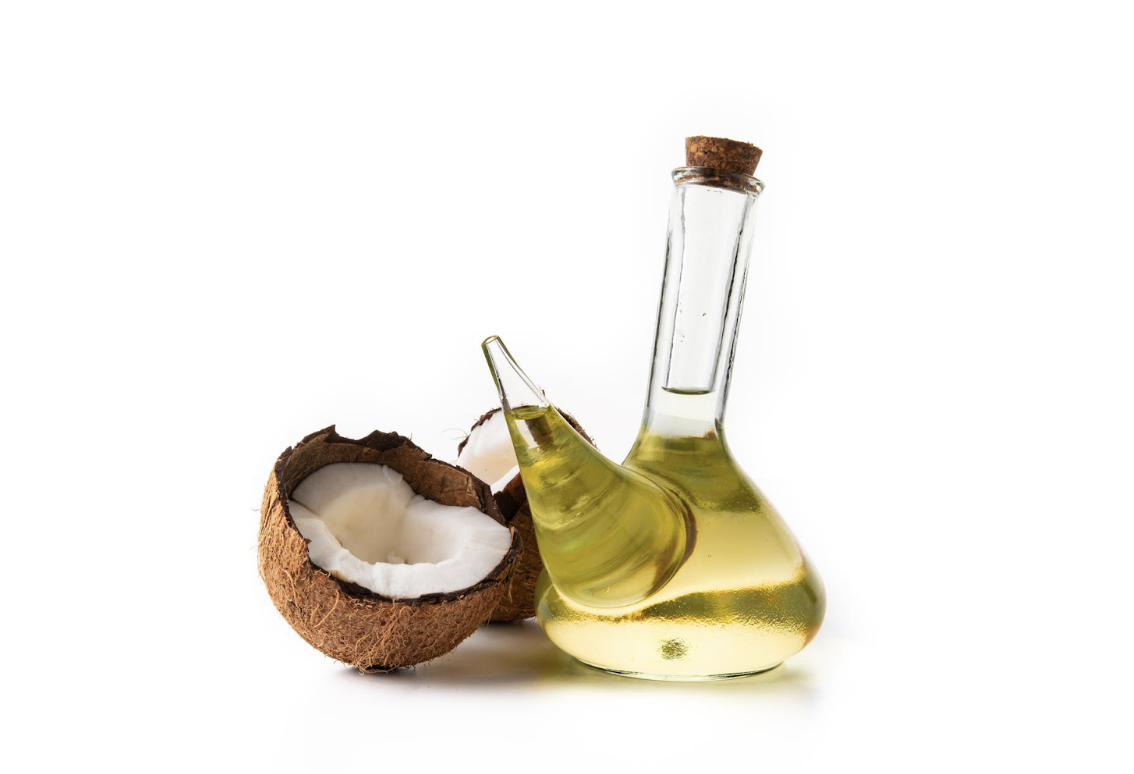
Image Credits: Freepik
4. Aloe Vera Gel
The gel extracted from fresh aloe vera leaves contains polysaccharides such as acemannan, which accelerate tissue regeneration and modulate inflammatory pathways. Topical aloe vera can significantly shorten healing time and reduce ulcer size. Apply fresh gel directly to the lesion and allow it to coat the affected area for maximum benefit.

Source: Hekmatpou, D., Mehrabi, F., Rahzani, K., & Aminiyan, A. (2019). The Effect of Aloe Vera Clinical Trials on Prevention and Healing of Skin Wound: A Systematic Review. Iranian journal of medical sciences, 44(1), 1–9.
5. Cold Compress or Ice Chips
Cold therapy doesn’t heal the ulcer directly, but it can provide immediate relief from pain by numbing nerve endings and constricting local blood vessels. This reduction in blood flow can also decrease swelling and inflammation. Holding ice chips in the mouth for short intervals or applying a wrapped cold pack externally to the cheek over the ulcer area can make eating and speaking more comfortable during flare-ups.While these remedies offer symptomatic relief, lasting recovery often requires addressing the ulcers in mouth causes. Disclaimer: This information is for educational purposes only and is not intended as a substitute for professional medical advice, diagnosis, or treatment. If ulcers are recurrent, unusually painful, or slow to heal, consult your doctor or a qualified healthcare professional to rule out underlying health conditions. Never stop prescribed medication without your physician’s guidance.
When to See a Doctor for Mouth Ulcers
Most mouth ulcers heal on their own within 7–14 days. But not all ulcers are harmless. Sometimes, what starts as a small sore with mild discomfort can be a sign of deeper imbalances or, in rare cases, more serious conditions. This is why paying attention to the symptoms of ulcer in mouth and how they evolve is crucial.
- If your ulcer persists for longer than two weeks despite trying supportive care and ulcer in mouth home remedies, it’s a clear signal that professional evaluation is needed. Chronic or slow-healing ulcers may indicate persistent inflammation, nutritional deficiencies, immune dysfunction, or infections such as herpes simplex virus, each of which needs targeted medical intervention, not just surface-level soothing.
- Ulcers that are unusually large, spreading, or accompanied by additional symptoms such as fever, swollen lymph nodes, or difficulty swallowing can point to systemic issues. Ignoring these warning signs risks delaying diagnosis and management of the underlying condition.
- Recurring ulcers, more than three to four episodes a year, warrant further investigation to determine ulcers in mouth causes beyond mechanical trauma or temporary immune dips.
If you’re unsure how to fix ulcer in mouth situations that keep coming back, it’s best to work with a qualified healthcare provider who can run appropriate tests, identify root causes, and design a plan that combines medical treatment with preventive strategies. This approach ensures that you’re not just treating the sore you see, but also addressing the deeper imbalances that make your mouth more prone to ulcers in the first place.
The Gentle Wake-Up Call – When the Body Whispers, Listen Before It Shouts
Mouth ulcers may fade in a few days, but the message they carry is far more important than the discomfort they cause. They can be the first signs of micronutrient deficiencies like B12 or iron, a gut that needs repair, or an immune system that’s running on low reserve. They can be your body’s way of saying it’s inflamed, overheated, or stressed beyond capacity. Ignore that message, and you’re only silencing the alarm, not addressing the fire.The real victory is not in chasing quick fixes, but in creating an internal environment where ulcers don’t keep returning. That means building your nutrition from whole, unprocessed foods, protecting your gut lining, keeping stress chemistry in check, and allowing your immune system to work for you, not against you. It means valuing the body enough to pause, investigate, and respond with care, not convenience.Your health is built or broken by the small, consistent choices you make daily. Listen to your body’s whispers today, so it never has to scream tomorrow.Disclaimer: This blog is intended for educational purposes only and is NOT a substitute for professional medical advice, diagnosis, or treatment. Mouth ulcers can have various underlying causes, some of which may require medical evaluation. Always consult a qualified healthcare professional before starting, stopping, or changing any medication, supplement, or lifestyle routine. The home remedies and lifestyle tips shared here are general in nature and may not be suitable for everyone. If your symptoms persist, worsen, or are accompanied by severe pain, fever, or other concerning signs, seek prompt medical attention.
Our Wellness Programs are designed to support you in the most mindful, personalised way, whether it’s building immunity, understanding your symptoms better, or simply learning how to care for your body.
Feel free to reach out at 18001020253 or write to us at [email protected]; we’re here to walk this path with you.