No products in the cart.
Have you ever found yourself in the middle of a much-awaited shopping spree, bags in both hands, that perfect outfit finally yours, when suddenly, it hits you: a sharp, hammer-like pang in your head?
The music from the store feels too loud, the lights too bright, and that sense of excitement quickly turns into a desperate search for relief.
What happened?
Just this morning, you felt perfectly fine, full of energy, ready to take on the day. How did you go from thriving to holding your head and wishing you could just shut out the world?
Well, headaches don’t always knock politely. They can sneak up in the middle of a joyful moment or strike when you’re already stressed. Some fade away with a little rest, others are your body’s way of sounding a deeper alarm.
Here’s an interesting fact: the brain itself cannot feel pain.
Yes, you read that right.
The brain has no pain receptors (nociceptors). That’s why neurosurgeons can operate on the brain while a patient is awake without them feeling pain in the brain tissue itself. So, if the brain can’t ‘hurt,’ where is that throbbing, stabbing, or pressure sensation coming from?
The pain of a headache is actually generated from pain-sensitive structures surrounding the brain; the blood vessels, the meninges (the protective membranes around the brain), the muscles of the head and neck, and the cranial nerves (nerves that are emerging directly from your brain). When these tissues experience irritation, inflammation, tension, or pressure changes, they send pain signals to the brain via the trigeminal and other sensory nerves. Vascular changes, muscular strain, and nerve pathway activation are key in headache mechanisms.
Now, while headaches may feel similar on the surface, they don’t all stem from the same cause. This is where knowing the different types of headaches becomes vital to know, not just for relief, but also for understanding when to rest, when to adjust your lifestyle, and when to seek professional advice.
So, what are the different types of headaches?
Broadly, headaches fall into two categories; primary headaches and secondary headaches, each with distinct origins and implications.
Primary Headaches: When the Pain Is the Main Problem
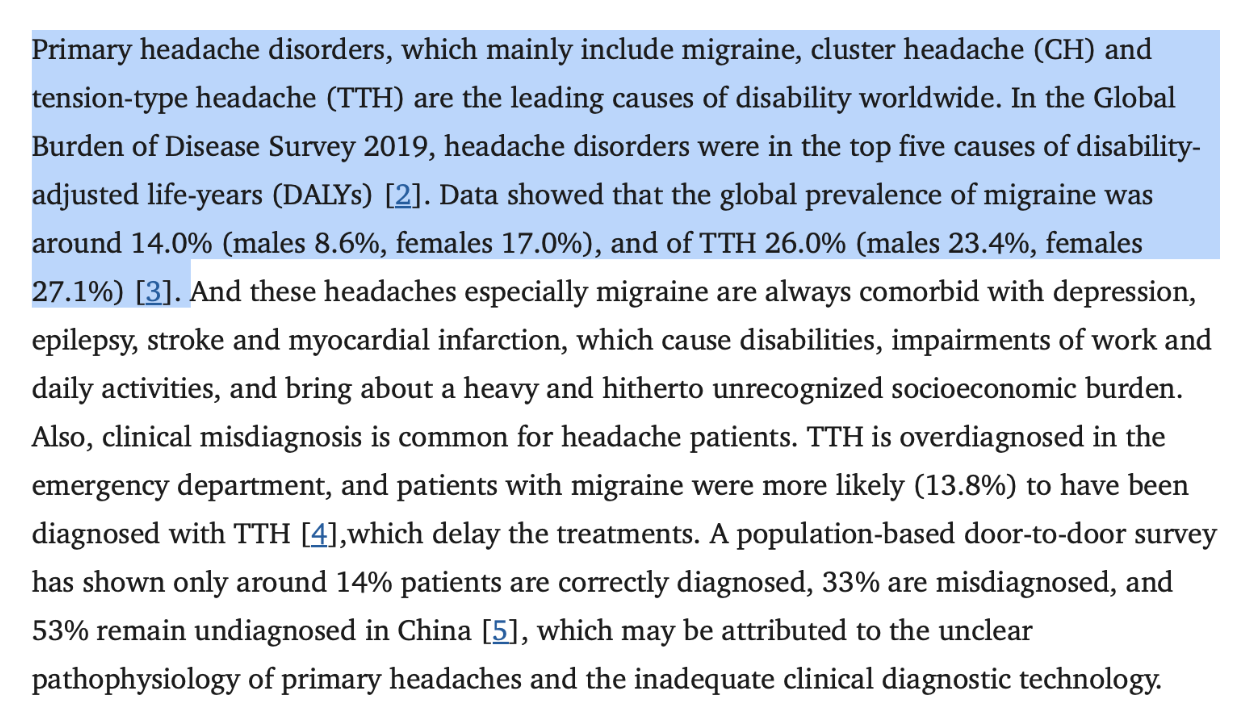
Primary headaches are headaches in their own right, they are not caused by another illness or structural problem in the brain. The discomfort stems from overactivity, sensitivity, or temporary dysfunction in the pain-generating structures of the head. This can involve nerve pathways, blood vessels, chemical messengers, or muscles in the head and neck.
Primary headaches are often the result of complex interactions between the nervous system, blood flow in the brain, and certain trigger mechanisms such as stress, hormonal shifts, or sensory overload.
Here’s a closer look at the three most common types:
- Migraine:
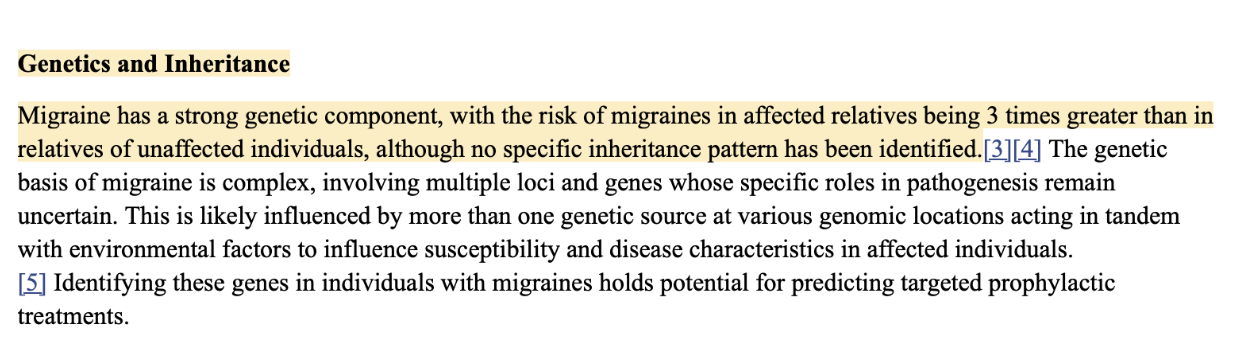
Migraines aren’t just ‘bad headaches.’ They are a neurological event, often preceded by warning signs such as visual disturbances, mood changes, or nausea. They are linked to fluctuations in neurotransmitters like serotonin, as well as changes in brainstem activity and blood vessel dilation. Migraines typically affect one side of the head, often around the temples, behind the eyes, or across the forehead, though the pain can shift or radiate. Triggers vary widely, like hormonal changes, certain foods, bright lights, strong smells, or even weather shifts. In fact, many people find their migraines follow the ‘5Cs’ trigger rule: chocolate, cheese, coffee (or caffeine), citrus, and cocktails (alcohol). Studies suggest that genetic predisposition also plays a role, making migraines more common in certain families.
Source: Pescador Ruschel MA, De Jesus O. Migraine Headache. [Updated 2024 Jul 5]. In: StatPearls [Internet]. Treasure Island (FL): StatPearls Publishing; 2025 Jan-. Available from: https://www.ncbi.nlm.nih.gov/books/NBK560787/
- Tension-Type Headaches:
These are the most common form of primary headache, often described as a dull, band-like pressure around the head. They are frequently associated with muscle tension in the neck, shoulders, and scalp, often a result of stress, poor posture, prolonged desk work, or inadequate ergonomics. Muscle tightness can activate pain-sensitive nerves, creating a cycle where stress fuels tension, and tension fuels more stress. - Cluster Headaches:
Known for their severe, stabbing pain (often behind one eye), cluster headaches occur in cyclical patterns or ‘clusters’ over weeks or months. This can happen due to a connection with abnormal activation of the hypothalamus, the brain’s internal clock. They tend to strike suddenly, often at the same time each day or night, and are sometimes accompanied by redness or watering in one eye and nasal congestion on the affected side.
Think of primary headaches like a ‘software glitch’ in your operating system; the hardware (brain structure) is fine, but the system’s signal processing and response mechanisms are temporarily misfiring.
Source: Wang, Z., Yang, X., Zhao, B., & Li, W. (2023). Primary headache disorders: From pathophysiology to neurostimulation therapies. Heliyon, 9(4), e14786. https://doi.org/10.1016/j.heliyon.2023.e14786
Secondary Headaches: When Pain Is a Symptom of Something Else
Secondary headaches are different. Here, the headache is not the main problem but rather a signal that something else in your body needs attention. This could range from relatively minor issues like sinus congestion to potentially serious conditions like uncontrolled high blood pressure or head trauma.
Medical literature, including guidelines from the International Classification of Headache Disorders (ICHD-3), lists a wide range of possible causes like:
- Sinus Infections or Congestion: Inflammation and blockage in the sinus cavities can increase pressure, irritating nearby nerves.
- High Blood Pressure: While mild hypertension may not cause symptoms, sudden spikes (hypertensive crisis) can lead to headaches, especially at the back of the head.
- Head Injuries or Trauma: Even mild concussions can trigger headaches for days or weeks as the brain and surrounding tissues recover.
- TMJ-related headaches: Caused by temporomandibular joint disorders, teeth grinding (bruxism), or jaw clenching. Pain often radiates from the jaw to the temples and can be triggered by chewing or stress.
- Toothache-related headaches: Severe tooth decay, gum infections, or impacted wisdom teeth can send referred pain to the head, especially around the temples, forehead, and jawline. Sometimes, fixing the dental issue can completely resolve the headache.
- Eye Strain or Uncorrected Vision Problems: Prolonged focusing, especially on screens, can overwork the muscles around the eyes, referring pain to the temples and forehead.
- Dehydration: When your body loses more fluid than it takes in, blood volume decreases, reducing oxygen delivery to the brain and triggering pain-sensitive pathways.
Secondary headaches are like the warning light on your car’s dashboard, they’re telling you that there’s a deeper issue under the hood. Ignoring them may mean overlooking something your body is urgently trying to communicate.
Why is this distinction important?
Because your approach to relief and prevention depends on knowing which category your headache falls into. While some causes can be addressed with simple headache relief exercises, hydration, and posture corrections, others may require prompt medical evaluation.
Understanding this difference allows you to respond intelligently, not just mask the pain, and helps you integrate sustainable lifestyle habits that reduce the likelihood of future episodes.
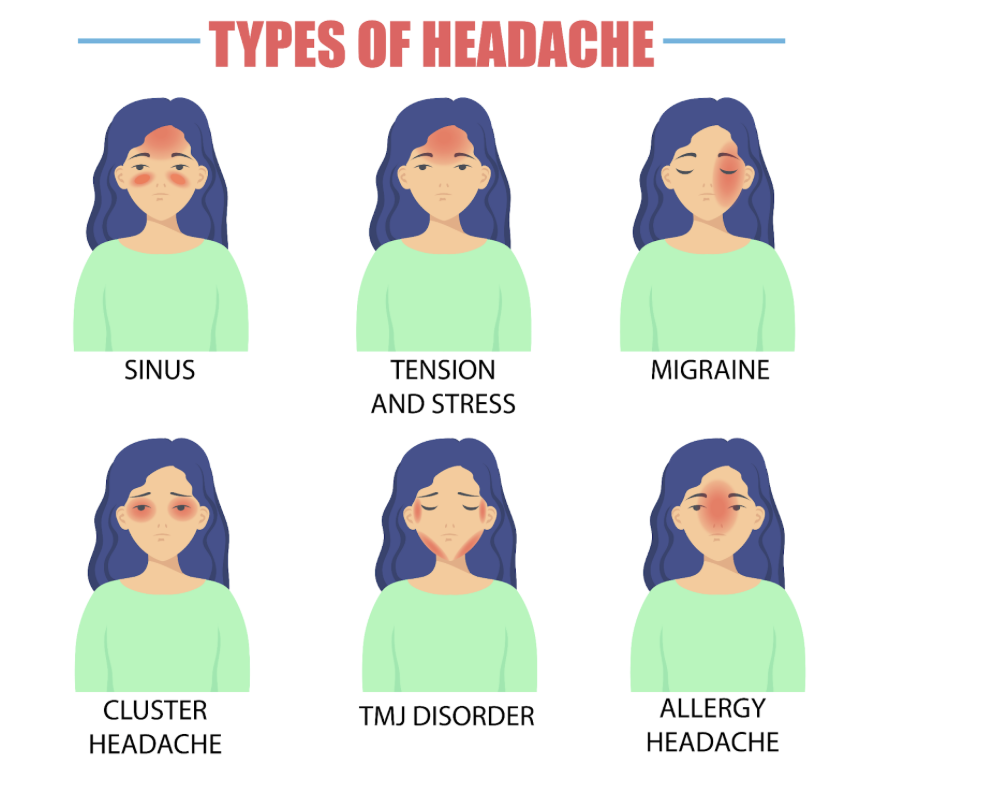
Image credits: Freepik
Acute vs. Chronic Headaches: The Time Factor Matters
While ‘primary’ and ‘secondary’ headaches describe the cause, ‘acute’ and ‘chronic’ describe the pattern and duration of your headaches. There are two completely different ways of classifying headaches, but they often get mixed up.
Acute headaches come on suddenly and usually resolve within hours to a few days. They may happen once in a while (e.g., after a stressful week, a long day at the screen, or after skipping meals). Some acute headaches are primary, like a single episode of a migraine, while others can be secondary, such as those caused by a sinus infection or dehydration.
Chronic headaches, on the other hand, occur frequently, often 15 or more days a month, and may persist for weeks, months, or even years. Chronic patterns can develop when triggers aren’t managed, when underlying health issues are unresolved, or when the nervous system becomes sensitized over time. A migraine can be chronic, just as a secondary headache (e.g., due to untreated TMJ disorder) can also turn chronic if the root cause isn’t addressed.
Just remember:
- Primary vs. Secondary = the why behind your headache (cause).
- Acute vs. Chronic = the when and how often your headaches happen (pattern).
What Are the Causes of Headache?
If you’ve ever wondered what are the causes of headache, the short answer is: it depends on the type, your unique physiology, and the circumstances surrounding it.
Headaches are not random; there’s almost always a trigger or a chain of events in your body that sets the pain mechanism in motion.
To make sense of it, let’s break causes into three main categories: lifestyle, biological, and environmental.
1. Lifestyle-Related Causes
Our daily habits, from how we sit to what we eat to how much we hydrate, can significantly influence how often headaches strike.
- Poor Posture: Long hours at a desk or hunched over a phone place strain on neck and shoulder muscles, leading to tension-type headaches.
- Dehydration: Even mild fluid loss can cause blood volume to drop, affecting oxygen delivery to the brain and activating pain-sensitive receptors.
- Skipping Meals or Unstable Blood Sugar: Irregular eating patterns can drop glucose levels, triggering headaches as the brain’s energy supply fluctuates.
- Sleep Disturbance: Both too little and too much sleep disrupt neurotransmitter balance, particularly serotonin and dopamine, which can trigger migraines.
- Prolonged Screen Time: Continuous visual strain from screens can fatigue eye muscles and contribute to tension headaches.

Image Credits: Freepik
2. Biological & Internal Causes
Some headaches are rooted in your body’s internal physiology. These causes can overlap with primary or secondary headaches, depending on whether the headache itself is the main issue or a symptom.
- Hormonal Changes: Fluctuations in estrogen and progesterone, especially during menstrual cycles, pregnancy, or perimenopause, can trigger migraines.
- Vascular Changes: Sudden dilation or constriction of blood vessels in the brain can activate pain pathways, a hallmark of migraine.
- Neurological Sensitivity: In individuals prone to headaches, the trigeminal nerve pathway (which relays sensations from the face to the brain) may overreact to stimuli that would not affect others.
- Genetics: Migraines and certain headache types can run in families due to inherited differences in pain regulation.
Image Credits: Freepik
3. Environmental & External Causes
Sometimes, it’s the world around you triggering the pain.
- Weather Changes: Shifts in barometric pressure can affect intracranial pressure and blood vessel tone, triggering migraines in sensitive individuals.
- Allergens & Air Quality: Pollen, dust, smoke, and pollution can inflame sinus passages, leading to secondary headaches.
- Strong Odors or Loud Noises: Overstimulation of sensory pathways can cause headaches in those with heightened neurological sensitivity.
- Altitude Changes: Traveling to high altitudes without proper acclimatization can lower oxygen levels, triggering headaches.
Headache Relief 101: Exercises That Work
If you’ve ever experienced a headache that seems to clamp down on your day, you know how tempting it is to just pop a pill and push through.
But true relief and long-term prevention often start with simple, targeted movements that release tension, improve circulation, and reset your body’s stress response.
These headache relief exercises are not about ‘quick fixes’ alone; they’re about creating a micro-break for your muscles, nervous system, and blood flow.
When practiced regularly, they can reduce the frequency of both primary headaches (like tension or migraine) and certain secondary headaches caused by muscle strain or posture imbalance.
1. Neck and Shoulder Rolls
Tension-type headaches often start in the trapezius and neck muscles. Rolling the shoulders loosens tight fibers and improves blood flow to the base of the skull, easing nerve compression.
How to do it: Sit or stand tall. Slowly roll your shoulders forward in a circular motion 10 times, then backward 10 times. Keep the movement slow and smooth.
2. Upper Trapezius Stretch
Desk work and phone use shorten the upper trapezius muscle, pulling on the base of the skull. Stretching it reduces tension and prevents referred pain to the temples.
How to do it: Sit tall. Drop your right ear toward your right shoulder, keeping your shoulders relaxed. Hold for 20–30 seconds, breathing deeply. Switch sides. Repeat twice per side.
3. Forward Fold (Seated or Standing)
This gentle inversion increases blood flow to the head and neck, relaxing tight spinal muscles and calming the nervous system, both helpful for certain tension headaches.
How to do it: From standing, hinge at your hips and let your upper body hang toward the floor. Let your head and arms dangle. Hold for 20–30 seconds, then slowly roll up. If seated, place your chest on your thighs and let your head drop forward.
4. Eye Palming
Screen overuse is a major trigger for headaches. Palming helps relax the eye muscles, reduce visual strain, and quiet the optic nerve signals feeding into the brain.
How to do it: Rub your palms together to generate warmth. Gently cup them over your closed eyes without pressing. Breathe deeply for 30–60 seconds.
5. Diaphragmatic Breathing
Stress is one of the leading causes of tension headaches. Deep, slow breathing activates the parasympathetic nervous system, reducing muscle tightness and improving oxygen delivery to the brain.
How to do it: Place one hand on your chest and one on your belly. Inhale deeply through your nose so your belly rises more than your chest. Exhale slowly through your mouth. Repeat for 1–2 minutes.
Disclaimer: The information shared here is for educational purposes only and is not a substitute for professional medical advice, diagnosis, or treatment. If your headaches are severe, persistent, or accompanied by symptoms like vision changes, dizziness, weakness, or confusion, seek prompt medical evaluation. Always consult your healthcare provider before starting any new exercise or wellness practice, especially if you have an existing medical condition.
How to Make These Exercises More Effective
- Hydrate first: If dehydration is contributing to your headache, fluid intake will help these exercises work faster.
- Pair with posture resets: Every 30–45 minutes of sitting, stand up and do one to two of these stretches.
- Consistency over intensity: Short, regular practice is more effective than occasional long sessions.
- Adapt for your bio-individuality: What works for one person might not work for another. Keep track of your results in a headache journal.
Lifestyle Practices to Support Headache Relief
Headache relief doesn’t happen in isolation. While targeted stretches and headache relief exercises can work wonders in the moment, their full potential unfolds when paired with sustainable lifestyle habits that keep your nervous system, muscles, and circulation in balance. Think of it as creating a supportive environment where headaches have fewer reasons to show up in the first place.
1. Hydration: Your First Line of Defence
Water is more than just a thirst-quencher; it’s a vital part of keeping your brain and body functioning smoothly. Even mild dehydration can reduce blood volume and oxygen delivery to pain-sensitive tissues around the brain, leading to headaches. A consistent fluid intake significantly reduced headache frequency in individuals prone to dehydration-related pain.
Tip: Instead of downing large amounts at once, aim for steady sips throughout the day. Adding electrolyte-rich foods like cucumber, coconut water, or citrus can further improve hydration efficiency, especially if you sweat a lot or live in a hot climate.
2. Balanced Nutrition: Fuel for Stable Energy
Blood sugar fluctuations are a common but underestimated cause of headaches. Skipping meals, eating too many refined carbs, or relying heavily on caffeine can cause spikes and crashes in glucose, leaving your brain low on fuel.
Tip: Include a balance of protein, healthy fats, and complex carbohydrates in each meal. Think oats with nuts and berries for breakfast, quinoa salad with avocado for lunch, or grilled fish with sweet potato for dinner. These combinations slow digestion, keep glucose levels stable, and reduce the risk of primary headaches triggered by energy dips.
3. Sleep Hygiene: The Silent Healer
Poor or irregular sleep disrupts neurotransmitter balance, increases stress hormone levels, and can directly trigger migraines or tension-type headaches. Both too little and too much sleep have been linked to increased headache risk.
Tip: Keep consistent bedtimes and wake-up times, even on weekends. Limit screen exposure at least 30–60 minutes before bed, as blue light can suppress melatonin production and delay deep sleep cycles. Build a screen-free night routine before bed, perhaps with reading, journaling, or light stretching, to signal your body that it’s time to wind down. If your mind races at night, try gentle breathing or progressive muscle relaxation to ease into sleep.
4. Stress Management: Calming the System
Stress is one of the most significant drivers of tension headaches. It tightens muscles in the neck and shoulders, raises blood pressure, and activates pain pathways in the nervous system. Chronic stress can also make the brain more sensitive to headache triggers over time.
Tip: Incorporate a stress-relieving ritual into your day; meditation, journaling, nature walks, gentle yoga, or even five minutes of mindful breathing. Mindfulness-based practices reduce headache frequency and improve pain tolerance.
We all have days when stress feels bigger than us. But what if you had a toolkit to flip that script every time? That’s exactly what The Calm Prescription offers: 75 science-driven practices to help you move from tension to transformation.
Get your copy of The Calm Prescription NOW
5. Screen Breaks: Protecting the Eyes and Neck
Long hours on digital devices strain not only your eyes but also the muscles at the base of your skull, a common origin for tension-type headaches. Over time, this can even contribute to secondary headaches triggered by eye strain or posture imbalance.
Tip: Follow the 20-20-20 rule — every 20 minutes, look at something at least 20 feet away for 20 seconds. This relaxes the eye muscles and resets your posture. Position your screen at eye level, keep your shoulders relaxed, and use proper lighting to avoid glare.
Bonus tip for Migraine Headache: Hot and Cold Compress:
For some migraine sufferers, alternating between a cold pack on the forehead and a warm compress at the base of the neck can be soothing. Cold helps numb pain and constrict dilated blood vessels, while heat relaxes tense muscles that may be contributing to discomfort.
When to See a Doctor for Headaches
Most headaches are annoying but harmless, often linked to lifestyle factors like dehydration, poor posture, or stress. But some headaches are your body’s way of waving a red flag, and ignoring those signs can be risky.
If your headache is new, unusually intense, or accompanied by other symptoms, it’s important to rule out serious causes. Certain features, such as sudden onset, neurological symptoms, or headaches following trauma, should be assessed promptly.
Here’s a quick guide to help you understand the difference:
| Manage at Home (Self-Care) | Seek Medical Help (Doctor Visit) |
| Mild to moderate headache after a stressful day or poor sleep | Sudden, severe ‘thunderclap’ headache |
| Triggered by dehydration, missed meals, or screen overuse | Headache after a head injury |
| Improves with rest, hydration, or gentle stretching | Headache with fever, neck stiffness, or rash |
| Associated with known triggers like hormonal changes or certain foods | Headache with blurred vision, confusion, weakness, or difficulty speaking |
| Happens occasionally and is predictable | Persistent headaches that worsen or don’t respond to self-care |
Tip: Keep a headache diary. Jot down the time, duration, possible triggers, and what helped. Over time, this record can reveal whether your headaches are lifestyle-driven or whether they’re pointing toward something that needs medical attention.
Knowing the difference between a self-manageable headache and one that requires professional care is one of the most important steps in protecting your brain health.
Listening to Your Body’s Notifications
Remember that shopping spree we started with?
One moment you were scanning racks, feeling light and energetic… the next, you were holding your head, wondering what went wrong. That shift didn’t happen by accident; it was your body sending you a notification.
Just like your phone pings when the battery runs low or an app needs attention, your body has its own alert system. Sometimes, that ‘ping’ is a mild tension headache telling you to straighten your posture, hydrate, or step away from the screen. Other times, it’s a secondary headache, the body’s way of warning you about an underlying condition that needs timely attention.
Science tells us that pain is never random. Every throb, pulse, or pressure sensation is the result of a signal from pain-sensitive structures, the nerves, blood vessels, and muscles that surround and protect the brain. Your brain may not feel pain directly, but it translates these messages into a language you can’t ignore.
When you know the different types of headaches, understand what are the causes of headache, and practice simple, consistent headache relief exercises, you shift from being reactive to proactive.
Instead of asking, “Why me?” you can ask, “What is my body asking for right now?”
Prevention is not about living in fear of the next headache, but about living in tune with your body’s rhythms. Stay hydrated. Move often. Eat in a way that supports stable energy. Protect your sleep like you would your most precious asset. Manage stress before it manages you.
Your body will keep sending notifications. The difference now? You’ll know how to read them and how to respond in a way that not only relieves the discomfort but also strengthens your overall well-being. Be educated, not influenced.
Disclaimer: This blog is for educational and informational purposes only. It is not intended as a substitute for professional medical advice, diagnosis, or treatment. Headaches can have many causes — some minor and others more serious. If you experience sudden, severe, or persistent headaches, or if your symptoms change in intensity or pattern, please consult a qualified healthcare professional promptly. Always listen to your body and seek personalized guidance before making significant changes to your lifestyle, diet, or exercise routine.
If you’re ready to go beyond surface-level fixes and start understanding what your body truly needs, our Wellness Programs are here to guide you.
Rooted in science and built around simplicity, they help you reconnect with your health in a way that feels sustainable and personal.
Ready to take the next step in your health journey?
Reach out to us at 1800 102 0253 or write to us at [email protected].