No products in the cart.
Do you remember those school days when the best part of the morning wasn’t the first bell, but the quiet rustle of lunch boxes being opened under the desk?
When sharing a paratha or trading a piece of fruit was almost a sacred ritual of friendship?
The joy of discovering what your mother packed felt like a small celebration in the middle of math class.
That tiffin wasn’t just food, it was an emotion. A reminder of home, warmth, and love tucked neatly between notebooks.
And when you become a parent, every morning, kitchens across Bharat hum with a familiar kind of love and chaos. Mothers, fathers, and caregivers stand before open tiffins and simmering pans, caught in that daily question: “What do I pack for lunch today?”It’s more than just a routine. Because a lunch box meal isn’t merely food. It’s a comforting reminder of home during a long school day, and the silent language of love every child understands.
But the modern lunch box battle is real.
Children today are growing up in a food environment dominated by vibrant packaging, addictive flavors, and clever marketing. Fast foods, instant noodles, and sugary lunch snacks often win the popularity contest over home-cooked meals. Parents, on the other hand, face a constant tug-of-war between convenience and nourishment, between what their kids want to eat and what their bodies need to thrive.
So, the question isn’t just “What to pack?” but “How do I make every lunch box count?”
It’s time we redefined what’s inside that little stainless-steel box. Not just calories, but care.
Why School Lunch Matters More Than We Think
Think about it; children spend nearly a third of their waking hours in school. Between lessons, sports, and play, their growing bodies and developing brains are constantly expending energy. What fuels them during these hours is not just any meal, it’s the lunch box meal you pack each morning.
From a biological perspective, the food a child eats at school directly influences brain performance, emotional regulation, and physical growth. The brain, though small in size, consumes a disproportionate share of energy; nearly 20% of total daily caloric expenditure.
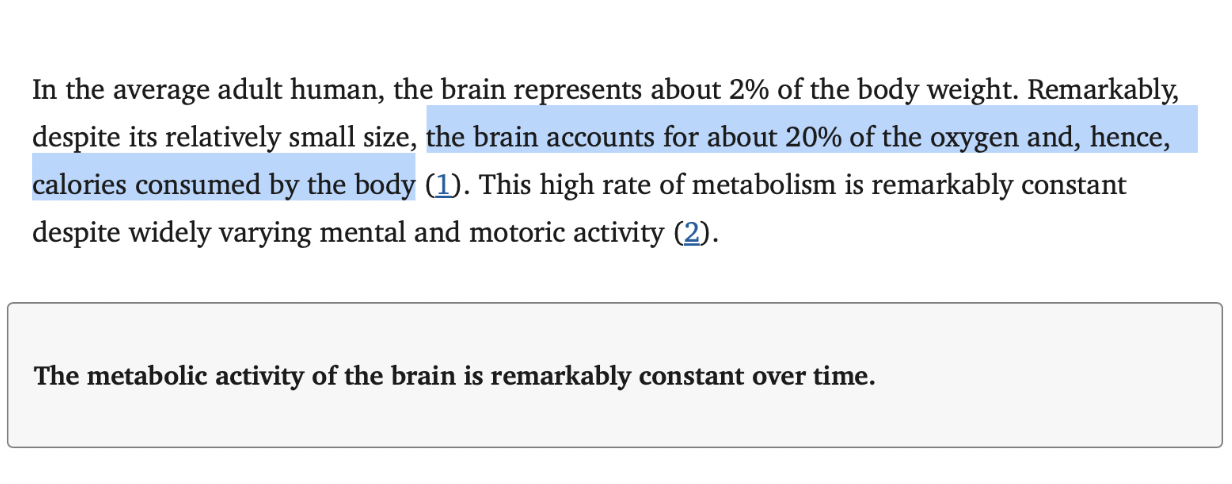
Source: Raichle, M. E., & Gusnard, D. A. (2002). Appraising the brain’s energy budget. Proceedings of the National Academy of Sciences of the United States of America, 99(16), 10237–10239. https://doi.org/10.1073/pnas.172399499
This means that when a child eats nutrient-poor, processed lunch snacks, their glucose levels spike rapidly and then crash, leading to irritability, reduced attention span, and fatigue. On the other hand, a balanced meal with complex carbohydrates, healthy fats, and proteins ensures sustained energy and sharper focus throughout the school day.
A large-scale study found that children who consumed nutrient-dense school lunches demonstrated significantly higher academic performance and lower absenteeism.
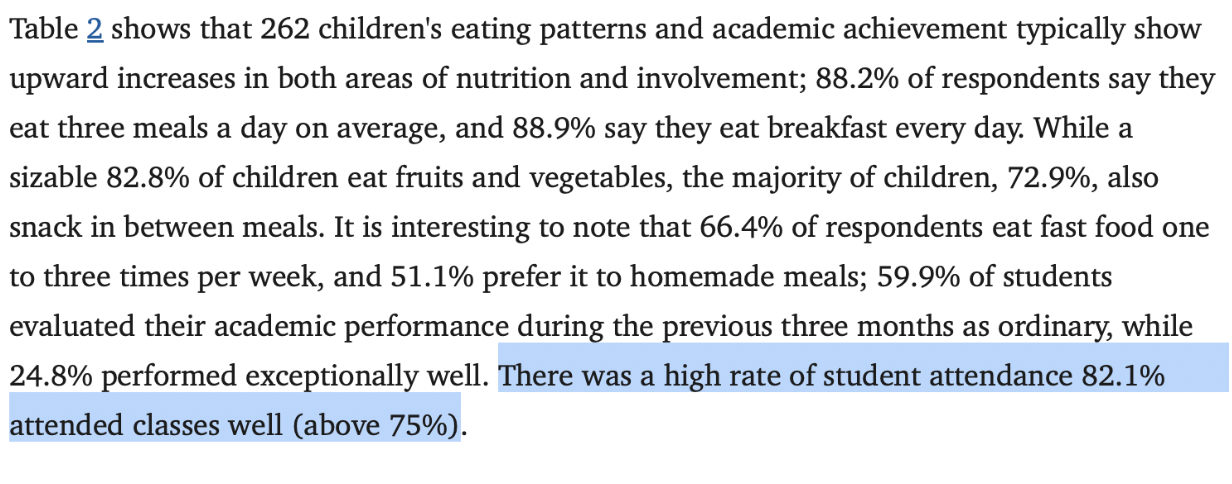
Source: Rajan, A., Vel M, P., Peter, R. M., M, L., & V, A. V. (2024). Relation of Dietary Practices and Academic Achievement Among School-Going Children in Kattankulathur Block, Chengalpattu District, Tamil Nadu. Cureus, 16(11), e72882. https://doi.org/10.7759/cureus.72882
This is why a lunch box meal is never ‘just lunch.’ It’s a form of preventive healthcare and mental nourishment.
The Science Behind a Satisfying Lunch Box
Have you ever noticed how some children come home from school bursting with energy, while others seem exhausted, cranky, or too drained to even talk? The difference often lies not in how much they’ve eaten; but what they’ve eaten.
From a nutritional science standpoint, children have distinct metabolic needs. Their brains, still developing neural networks, require a constant and steady supply of glucose and essential fatty acids. Their muscles and tissues demand high-quality proteins and micronutrients to grow and repair.
So, what truly makes a lunch box meal balanced and satisfying? Let’s break it down simply.
- Protein – The Sustaining Powerhouse:
- Protein is the building block of every growing body.
- They not only repair tissues and aid muscle development but also help in the synthesis of neurotransmitters like dopamine and serotonin, which influence motivation and mood.
- Adequate protein intake during school hours promotes better attention and reduced fatigue among children.
- Simple inclusions like paneer, lentils, sattu, sprouts, eggs, or Greek yogurt can make a significant difference. The key is distribution; ensuring children get a small yet consistent dose of protein during their school day, not just at dinner.
- Complex Carbohydrates – The Steady Energy Source:
- Unlike refined carbs that cause sugar highs and mid-afternoon crashes, complex carbohydrates such as millets, brown rice, oats, or sweet potatoes release energy slowly.
- This helps maintain steady blood sugar levels, preventing the common ‘post-lunch slump.’
- Healthy Fats – The Brain’s Best Friend:
- The brain is nearly 60% fat by composition, and omega-3 and monounsaturated fats are its preferred fuel.
- Good fats found in ghee, nuts, seeds, and avocados are crucial for memory, concentration, and neural development.
- Include a teaspoon of ghee on rotis or a few nuts as lunch snacks can have long-term developmental benefits far beyond immediate satiety.
- Fibre and Micronutrients – The Invisible Protectors:
- Fibre, vitamins, and minerals help in the development of a child’s immune and digestive health.
- A vibrant mix of seasonal vegetables and fruits for lunch box such as papaya, guava, or apples, adds not only color and texture but also critical phytonutrients and antioxidants that protect against inflammation and oxidative stress.
A thoughtfully packed lunch teaches the child’s system how to regulate hunger, manage energy, and stay emotionally balanced through the day.
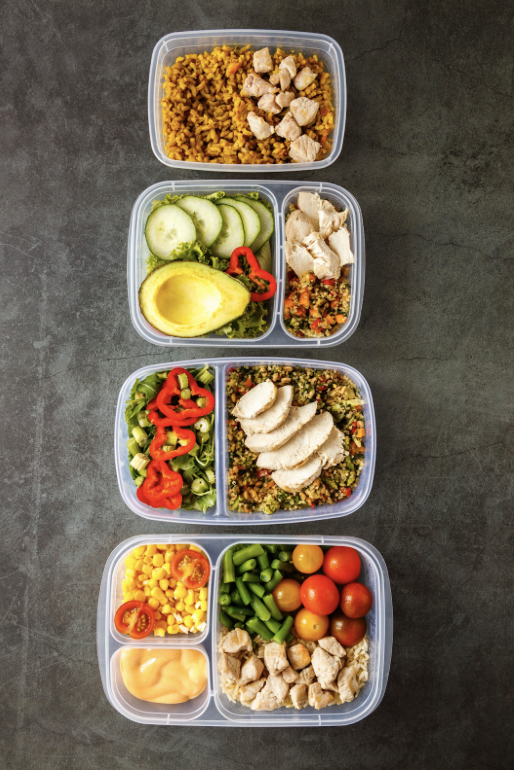
Image Credits: Freepik
If there’s one formula to remember, it’s this:
Colour + Texture + Taste + Nutrition = Happy, Full, and Energetic Kids.
Smart & Wholesome Lunch Box Meal Ideas
Below are some well-designed lunch box meals, each offering practical combinations you can customize, keeping taste and nutrition alive while steering clear of over-processed snack traps.
1. Parantha Varieties
Parathas have long been a lunch box favourite.
Move beyond the usual aloo paratha and experiment with nourishing combinations such as methi (fenugreek), gobi (cauliflower), broccoli-paneer, moong-aloo, sweet potato, or multigrain parathas.
For an extra protein edge, blend sattu-atta (roasted gram flour) into your wheat flour. Serve them with a side dip—peanut chutney, pesto, hummus or homemade coriander chutney.
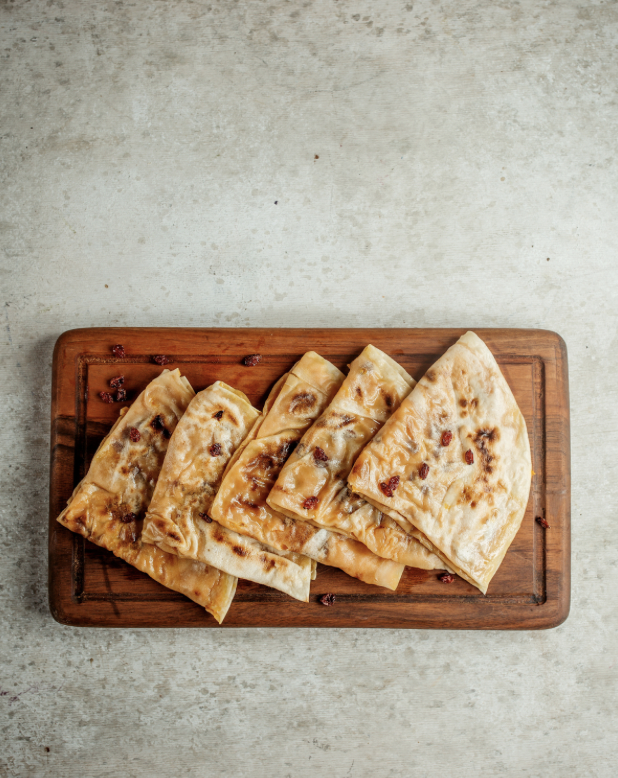
Image Credits: Freepik
Tip: Avoid refined flours or excessive ghee in preparation. Pack them warm and wrap in a soft muslin cloth to retain moisture and texture.
And here’s one of our favourite wholesome recipes:
Avocado Sprouts Paratha – A Kids-Friendly Lunch Box Idea
Ingredients
- 1 medium ripened avocado (butter fruit), pulped
- ½ cup steamed moong sprouts
- 1 cup khapli wheat, multigrain, or gluten-free flour
- 2 tablespoons sattu flour
- ¼ teaspoon cumin powder
- ½ teaspoon grated ginger
- ¼ teaspoon crushed black pepper or red chili powder
- 1 teaspoon lime juice
- 1 tablespoon finely chopped coriander
- 2 tablespoons A2 cow ghee (to cook the parathas)
- Salt to taste
- ¼ cup water (adjust as needed to knead the dough)
Method
- Peel and scoop out the avocado pulp, then mash it well.
- Add steamed sprouts, ginger, cumin, pepper or chili powder, coriander, lime juice, and salt.
- Mix in the flours (khapli/multigrain + sattu) and knead into a soft dough.
- Cover and let it rest for 15 minutes.
- Divide the dough into small balls, roll them into parathas, and cook on a hot tawa.
- Drizzle A2 ghee on both sides until golden brown.
- Serve warm with chutney, dips, or homemade yogurt.
Nutrition (per serving):
Calories: 125 kcal | Carbohydrates: 17g | Protein: 3g | Fat: 5g
Notes:
- Add grated beetroot or spinach purée for extra color and nutrients.
- Avocados are rich in healthy fats and fiber, offering Vitamin C and E for immunity and skin health.
- Moong sprouts are abundant in antioxidants like vitexin and isovitexin, which support cellular repair and resilience against oxidative stress.
Disclaimer: Always keep your healthcare provider or pediatric nutritionist informed before introducing new foods, especially if your child has allergies, medical conditions, or dietary restrictions.
2. Tikkis & Cutlets — Bite-Sized Nutrition
Kids love finger foods, so use that preference to your favour. Consider sweet-potato-peas tikki or a mixed-vegetable-soy (non-GMO) tikki.
Accompany it with a mint or curd dip, and a side of steamed carrots & asparagus or even a small piece of sourdough garlic bread.

Image Credits: Freepik
Start simple: try a sweet-potato–peas tikki for complex carbs and natural sweetness, or a mixed-vegetable–soy (non-GMO) tikki for extra protein and fibre. Pair these with a mint-coriander or curd-based dip, and a small serving of steamed carrots, asparagus, or even sourdough garlic bread to round off the texture and flavour profile.
Try Our Power-Packed Protein Snack – Crunchy Sprouts Tikki
Ingredients
- ½ cup semi-boiled sprouted green moong
- 1½ tbsp coriander leaves
- 1½ tbsp mint leaves
- ½ tbsp sattu flour
- Salt as required
- A pinch of asafoetida
- ½ tsp green chilli paste
- 1 tbsp roasted sesame seeds
- ½ cup lightly stir-fried and mashed vegetables (carrot, beans, peas, cabbage)
- 1 tbsp cold-pressed coconut oil
- Water as required
Equipment
- Pan or cast-iron tawa
- Mixing bowl
Method
- Mash the semi-boiled sprouts and mix them in a bowl with mint, coriander, sattu flour, green chilli paste, salt, sesame seeds, and mashed vegetables.
- Combine thoroughly and shape into small round tikkis.
- Roll the tikkis in chopped coriander and mint leaves for added freshness.
- Heat coconut oil in a pan and shallow-fry until golden on both sides.
- Serve warm with your favourite chutney.
Nutrition (per serving):
Calories: 54 kcal | Protein: 4.2g | Fat: 1.8g | Fibre: 2.3g
Disclaimer: Always use non-GMO soy if possible; avoid deep-frying, prefer shallow roasting in cold-pressed oil or an air-fryer.
3. Healthy Pasta & Noodles — The ‘Junk’ Makeover
Pasta and noodles needn’t be off-limits. It’s all about how you make them. When crafted with the right ingredients, these childhood favourites can easily transform into wholesome, nutrient-dense lunch box meals that kids enjoy and parents approve of.
Start by swapping refined options for quinoa pasta tossed with fresh salsa, stir-fried vegetables, and beans; or lentil-based pasta paired with a tomato-vegetable sauce and kidney beans for added protein and iron. You can also go desi with rice noodles sautéed with veggies and steamed sprouts; light, colourful, and full of fibre.
By choosing smarter alternatives like quinoa, lentil, or millet noodles, you shift the macronutrient profile towards more protein, fibre, and essential micronutrients while still keeping that comforting pasta texture kids love. Adding vegetables and legumes increases antioxidants, vitamins, and minerals; a powerful combination for growing minds and bodies.
For a wholesome, homemade twist, try this easy and nutritious recipe that’s perfect for busy mornings.
Healthy, Nutritious & Tasty Millet Noodles
Ingredients
- 1 tbsp cold-pressed coconut oil
- 2 tbsp green onion (green part only)
- ½ cup grated carrot
- ½ cup chopped bell peppers
- 1 cup chopped spinach
- 2 cups boiled and drained millet noodles (or bajra noodles)
- 2 tsp lemon juice
- Salt to taste
Add-ons
- Steamed sprouts for garnish
Method
- Heat coconut oil in a pan and sauté the green onions for 2 minutes.
- Add carrots, bell peppers, and spinach; cook until tender yet crisp.
- Add the millet noodles and toss well for 5 minutes.
- Drizzle lemon juice, garnish with steamed sprouts, and serve warm.
Power Tips and Variations
- Add boiled kidney beans or A2 paneer for a protein boost.
- Swap with jowar, rice, or multigrain noodles based on availability.
- For extra colour and nutrition, toss in grated beetroot or broccoli florets.
Nutrition (per serving):
Calories: 210 kcal | Carbohydrates: 47g | Protein: 5.5g | Fat: 2.6g
Tip: Choose gluten-free or millet-based pastas if needed; always include vegetables to balance texture, add colour and enhance nutrition.
4. Traditional & Regional Delights — Heritage on a Plate
Bringing regionally rooted meals into the lunch box taps into comfort, flavour and identity.
Try: koki roti (amaranth + sattu flour) with onion, coriander and mild spices; mixed-lentil adai served with coconut chutney; aloo-peas sabzi with thepla.
If you want to explore ancient grains, check out our Amaranth Seeds and Grain – Ancient Superfood Recipes. Amaranth, often called ‘rajgira,’ is rich in iron, calcium, and plant protein, perfect for growing children and busy mornings.
And for a flavourful twist, try our Sprouts Thepla, a power-packed, protein-rich take on the classic thepla that’s easy to digest and stays soft till lunchtime.
These meals help show that a nutritious lunch box meal doesn’t have to be exotic—it can be rooted in our heritage yet elevated.
5. Sandwiches & Appe — Simple, Fun, and Filling
When you need quick, grab-and-go options, build them smartly:
- Homemade A2-paneer-tikka
- Ethically sourced whole egg sandwich on gluten-free bread
- Masala-sprouts
- Mumbai-masala-toast sandwich with coriander-garlic chutney;
- Ethically sourced whole egg-masala appe
- Ragi–sattu chocolate appe with vegetables + tomato-garlic chutney.
For more inspiration on increasing your child’s daily nutrition naturally, check out our Top 5 Immunity-Boosting Recipes for Your Kids. Each recipe is designed to strengthen immunity through real, whole foods that children love, perfect additions to your weekly lunch box meal rotation.
Tip: For variety, use multigrain or sourdough bread. Avoid refined mayonnaise or ultra-processed spreads, choose homemade sauces or light yoghurt-based alternatives.
5. Don’t Forget Fruits for Lunch Box
Often the simplest element is the most powerful: a portion of seasonal fruits for lunch box; apple slices, guava cubes, papaya chunks, banana, pomegranate arils or orange wedges. These provide natural sugars for quick energy, hydration, fibre for digestion and a burst of micronutrients.
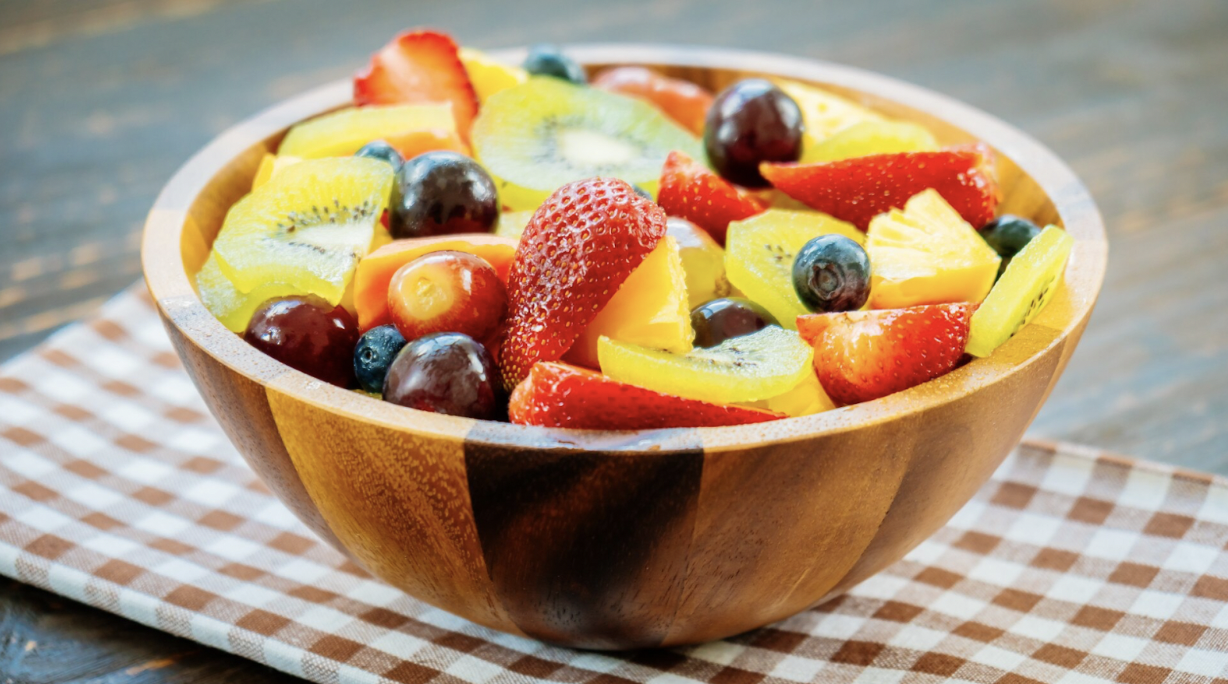
Image Credits: Freepik
Tip: Avoid pre-cut fruits sitting for hours, oxidation lowers nutrient value. If slicing apples or pears, squeeze a few drops of lemon to slow browning and preserve quality.
Disclaimer: Ingredient choices, portion sizes, and combinations should be tailored to your child’s age, nutritional needs, and any food allergies or intolerances. Always ensure ingredients like eggs, dairy, and gluten are suitable for your child’s system. If your child has specific health conditions or nutritional deficiencies, consult a qualified pediatrician before making changes in food habits. These recipes are meant to inspire balanced and wholesome lunch box meals, not to replace individualized medical or nutritional advice.
The Bharat School Menu & Lifestyle Plan — A Movement for Young Bharat
What if a healthier, stronger Bharat could begin… right from your kitchen and the classroom?
Whether you’re a school principal, teacher, parent, or caregiver, you have the power to spark real change in how young Bharat eats and lives.
Introducing The Bharat School Menu & Lifestyle Plan — a free, science-backed, kid-friendly monthly guide designed by Team Luke.
This isn’t just a menu, it’s a movement, a bold step toward Hon’ble Prime Minister Shri Narendra Modi Ji’s vision of a fitter, healthier nation — Made in India, Heal in India.
Each month, get a fresh, downloadable menu, packed with simple, wholesome, seasonal meals that kids love. It includes daily plans, both vegetarian and non-vegetarian, from breakfast to dinner; all using local, accessible ingredients.
Let’s lead this change together; one child, one plate, one day at a time.
Download The Bharat School Menu & Lifestyle Plan here (available in English and Hindi on the 1st of every month)
Closing Thought — A Note to Every Parent
When a child comes home with an empty tiffin, it’s not just relief, it’s a moment of silent gratitude from a body that’s been well-nourished. That empty box represents more than hunger satisfaction; it reflects balanced blood sugar, calm emotions, and a brain that stays alert through the day’s challenges.
So, as we think about the next lunch box meal, it’s worth remembering that every bite counts. It’s not about filling the box; it’s about filling your child with the right energy and emotional steadiness to learn, play, and thrive. Because when nutrition meets consistency, we don’t just feed a child, we shape the foundation of a healthier, happier, and sharper future.
Disclaimer: The information shared in this blog is intended for general educational and awareness purposes only. It is not a substitute for professional medical advice. Nutritional needs can vary based on a child’s age, health condition, and activity level. Always consult a qualified pediatrician before making significant changes in food habits, introducing new foods, or addressing specific health concerns. While every effort has been made to recommend balanced and safe lunch box meals, lunch snacks, and fruits for lunch boxes, parental discretion is advised based on individual tolerance, allergies, and cultural food preferences.
Want to learn how to build balanced, nourishing habits for your child beyond the lunch box?
Explore our Balanced Nutrition for Children Program
Reach out to us at 1800 102 0253 or write to us at [email protected].