No products in the cart.
You know this feeling.
You wake up during the festive season without real hunger, yet you’re already thinking about food. You snack not because your body asked for it, but because the table is full. Lunch happens late, dinner even later, and sleep becomes optional. By day three or four, digestion feels sluggish, sleep is restless, moods are unpredictable, and there’s a vague sense of being ‘off’ that no amount of festive cheer can mask.
Festivals disrupt the body’s internal rhythm. Irregular meal timings confuse hunger and satiety hormones like ghrelin and leptin. Blood sugar swings become frequent. Add late nights, bright lights, constant noise, and social overstimulation, and the nervous system barely gets a pause.
The result?
Overeating.
This is where most people go wrong. They try to control the festival by cutting sweets, skipping meals, or swinging between indulgence and guilt. But festivals don’t require control. They require anchors.
Small, intelligent additions that help the body cope better with excess, irregularity, and stimulation. Not doing more; just doing one thing right, consistently.
And sometimes, that one thing is something you already have, sitting in your nut case, alongside your everyday dry fruits.
That nut is cashews.
Why Cashews Work as a Smart Festive Anchor
Cashews are festive shock absorbers; nutrient-dense foods that stabilise energy, support digestion, and help regulate appetite without overstimulating the gut or the nervous system. They’re not meant to replace mithai, desserts, or celebratory meals.
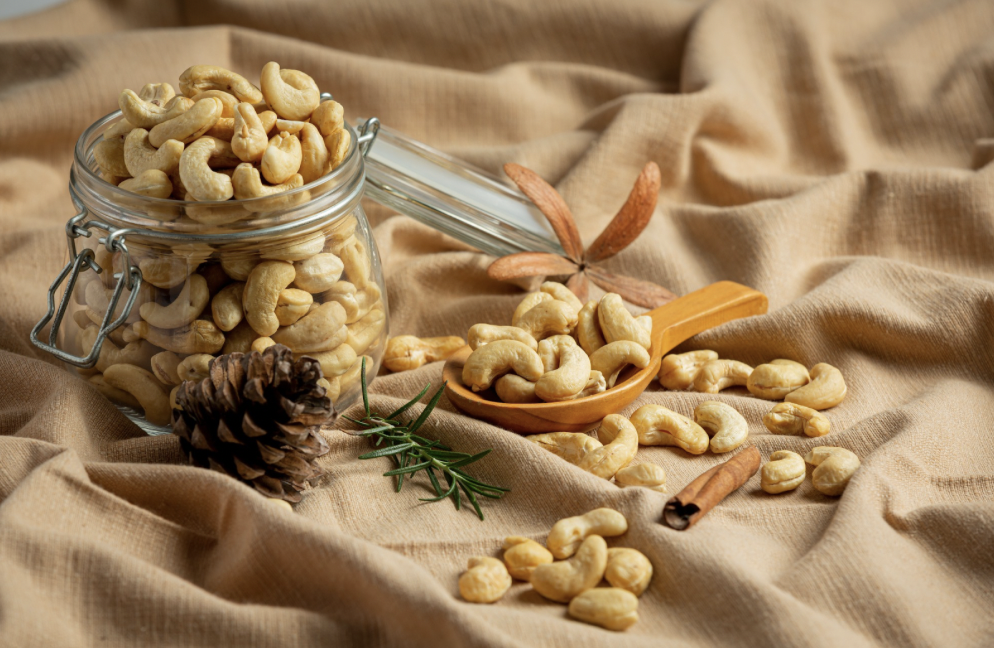
Image Credits: Freepik
Cashews come from Anacardium occidentale, a tropical evergreen tree native to Brazil. They were introduced to India by the Portuguese in the 16th century, initially to prevent soil erosion along coastal regions. Over time, traditional food systems began to recognise their deeper nutritional and functional value, gradually weaving cashews into everyday meals and festive preparations. Cashews became part of ceremonial dishes, festive gravies, and everyday meals, especially in coastal and southern India.
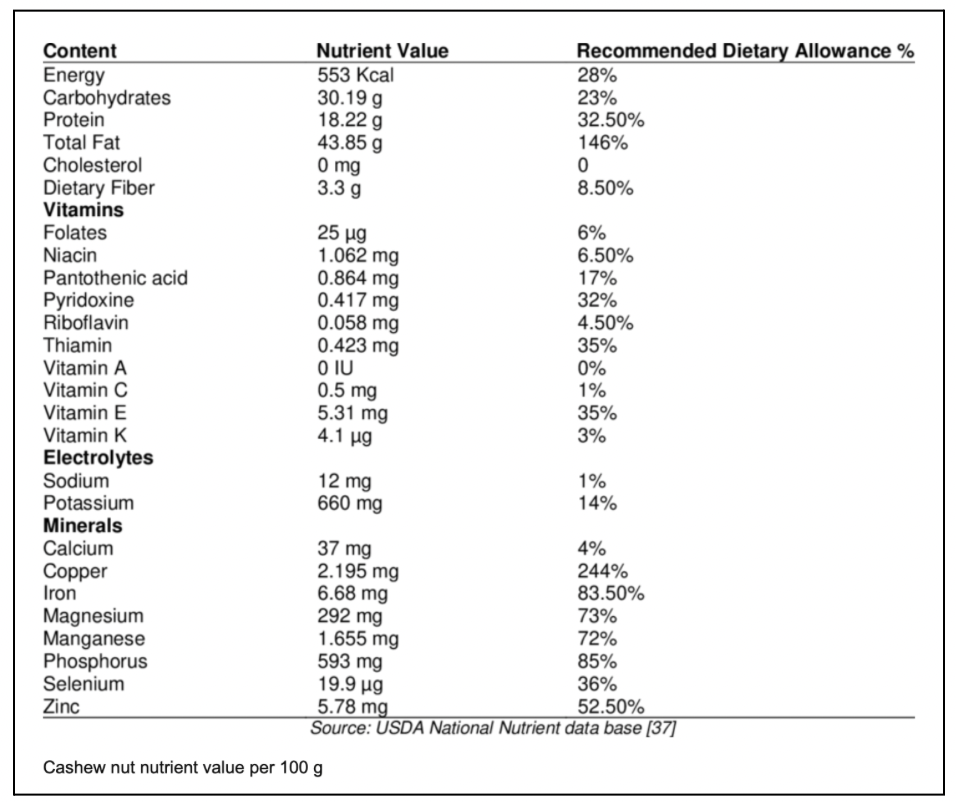
Nutritional Value of Raw Cashews (Per 100 g Approx.)
- Energy: ~553 kcal
- Protein: ~18 g
- Total Fat: ~44 g (Predominantly monounsaturated fats)
- Carbohydrates: ~30 g
- Dietary Fibre: ~3 g
- Magnesium: ~292 mg
- Zinc: ~5.8 mg
- Copper: ~2.2 mg
- Iron: ~6.7 mg
Source: Babatunde, Olaitan & Adeigbe, Oluwayemisi & Sobowale, Olalekan & Abimbola, Muyiwa & Tomiwa, Balogun. (2023). Cashew Production and Breeding in 5 West African Countries. Journal of Scientific Research and Reports. 29. 28-39. 10.9734/jsrr/2023/v29i51745.
How Cashews Support Festive Glow from the Inside Out
When you look at the nutritional profile of raw cashews, the real value isn’t in the calorie count or fat numbers alone. It lies in the density of essential minerals and healthy fats—nutrients the body depends on every single day, yet quietly falls short of in modern food habits. These are not optional extras; they are foundational to how our nerves fire, hormones communicate, and cells repair.
Modern living widens this gap. Highly refined foods dominate daily meals, replacing mineral-rich whole foods with calories that nourish little beyond energy. Chronic psychological stress further accelerates depletion by increasing the loss of key minerals like magnesium and zinc through urine, while compromised gut health, now common with ultra-processed foods, reduces the body’s ability to absorb what little is consumed. Over time, the body learns to function in a state of quiet depletion, just enough to get through the day, but never enough to truly thrive.
This is where simple, whole foods matter. Understanding the benefits of cashews helps us see how targeted nourishment can quietly restore what modern living takes away:
1. Cashews Supporting the Heart Under Festive Load:
During festivals, excess sugar, salt, and irregular meals place additional strain on the cardiovascular system. Cashews contribute protective support through their fat profile and mineral content.
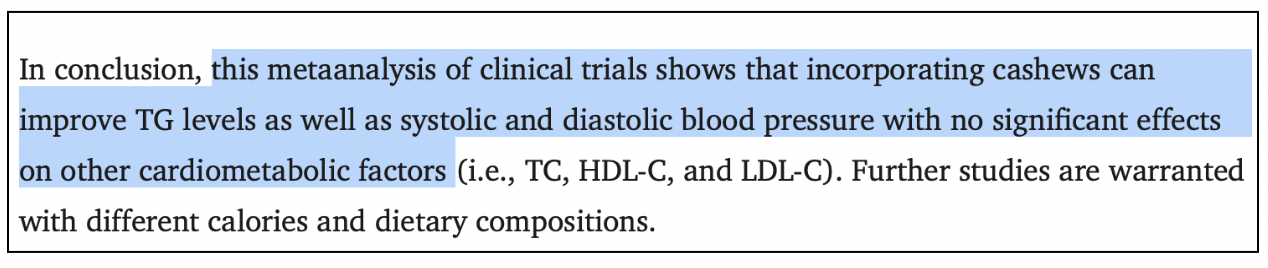
They are rich in monounsaturated fatty acids, which have been shown to improve lipid profiles by lowering LDL (low density lipoprotein) cholesterol oxidation while maintaining or improving HDL levels (high density lipoprotein).
Source: Mahboobi S. (2019). The Effect of Cashew Nut on Cardiovascular Risk Factors and Blood Pressure: A Systematic Review and Meta-analysis (P06-117-19). Current Developments in Nutrition, 3(Suppl 1), nzz031.P06-117-19. https://doi.org/10.1093/cdn/nzz031.P06-117-19
Oxidised LDL is a key contributor to endothelial dysfunction, a precursor to cardiovascular disease. Foods that include unsaturated fats from nuts are associated with improved arterial flexibility and reduced inflammatory markers.
Beyond fats, cashews supply magnesium and copper, both of which play roles in vascular tone and antioxidant defense.
Magnesium supports smooth muscle relaxation within blood vessels, aiding healthy blood pressure regulation, while copper is a cofactor for superoxide dismutase, an enzyme that protects cardiac tissue from oxidative stress.
2. Cashew Nourishing the Skin at a Cellular Level:
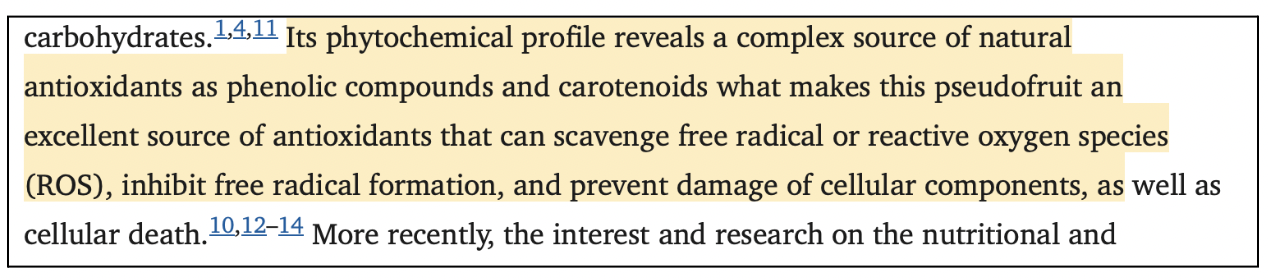
Festive stress often shows up first on the skin; dullness, breakouts, dryness, or delayed healing. They are reflections of nutrient demand exceeding supply. Cashews support skin integrity by delivering minerals essential for structural and antioxidant functions.
Source: da Silveira Vasconcelos, M., Gomes-Rochette, N. F., de Oliveira, M. L., Nunes-Pinheiro, D. C., Tomé, A. R., Maia de Sousa, F. Y., Pinheiro, F. G., Moura, C. F., Miranda, M. R., Mota, E. F., & de Melo, D. F. (2015). Anti-inflammatory and wound healing potential of cashew apple juice (Anacardium occidentale L.) in mice. Experimental biology and medicine (Maywood, N.J.), 240(12), 1648–1655. https://doi.org/10.1177/1535370215576299
Copper plays a critical role in collagen cross-linking and elastin formation, processes necessary for skin strength and elasticity.
Zinc supports keratinocyte regeneration and immune defense within the skin barrier.
3. Cashew Supporting the Hair Growth:
Hair health is deeply sensitive to nutritional status and stress physiology. During festive seasons marked by late nights and emotional overstimulation, hair follicles, among the body’s most metabolically active tissues, often receive fewer nutrients. Cashews support hair health indirectly by addressing these root factors.
Zinc and copper are involved in hair follicle cycling and pigmentation, while magnesium supports stress regulation through its role in the hypothalamic–pituitary–adrenal (HPA) axis. Elevated cortisol levels have been associated with hair shedding and impaired follicle function. By contributing to mineral sufficiency and nervous system balance, cashews create an internal environment that allows hair follicles to function optimally.
4. Why Cashews Are Gut-Friendly When Eaten Right
Dietary fats stimulate bile secretion from the gallbladder, which improves fat emulsification and nutrient absorption. Cashews provide fats in a form that supports this process without overwhelming the gut. By replacing a portion of sugar-heavy snacks, cashews help protect gut integrity.
Cashews also naturally slow the pace of eating. Their texture requires chewing, which enhances satiety signaling and allows digestive processes to activate properly. This mindful slowing reduces the likelihood of overeating and improves digestive efficiency.
However, balance matters. Overconsumption of cashews can burden digestion due to their fat density, particularly in individuals with sensitive gut function. Soaking cashews may improve digestibility for some by reducing phytate content. What matters most is portion control and mindful intake.
Want to optimise energy, metabolism, and long-term health beyond food choices?
👉 Explore Metabolic Health Course
Best Ways to Include Cashews During the Festive Season (Without Overdoing It)
Including cashews during the festive season works best when intention guides intake. The goal is not to add another festive food, but to use cashews strategically so their nutritional properties support appetite control, digestion, and metabolic balance.
Below are some ways to include cashews during festivities:
Eat a Small Portion Before Heading Out for a Party
Consuming about 8–10 cashews before a festive gathering can act as a metabolic buffer. Cashews provide healthy fats for satiety and moderate protein, which together:
- Slow gastric emptying
- Reduce rapid hunger signals
- Lower the intensity of sugar cravings
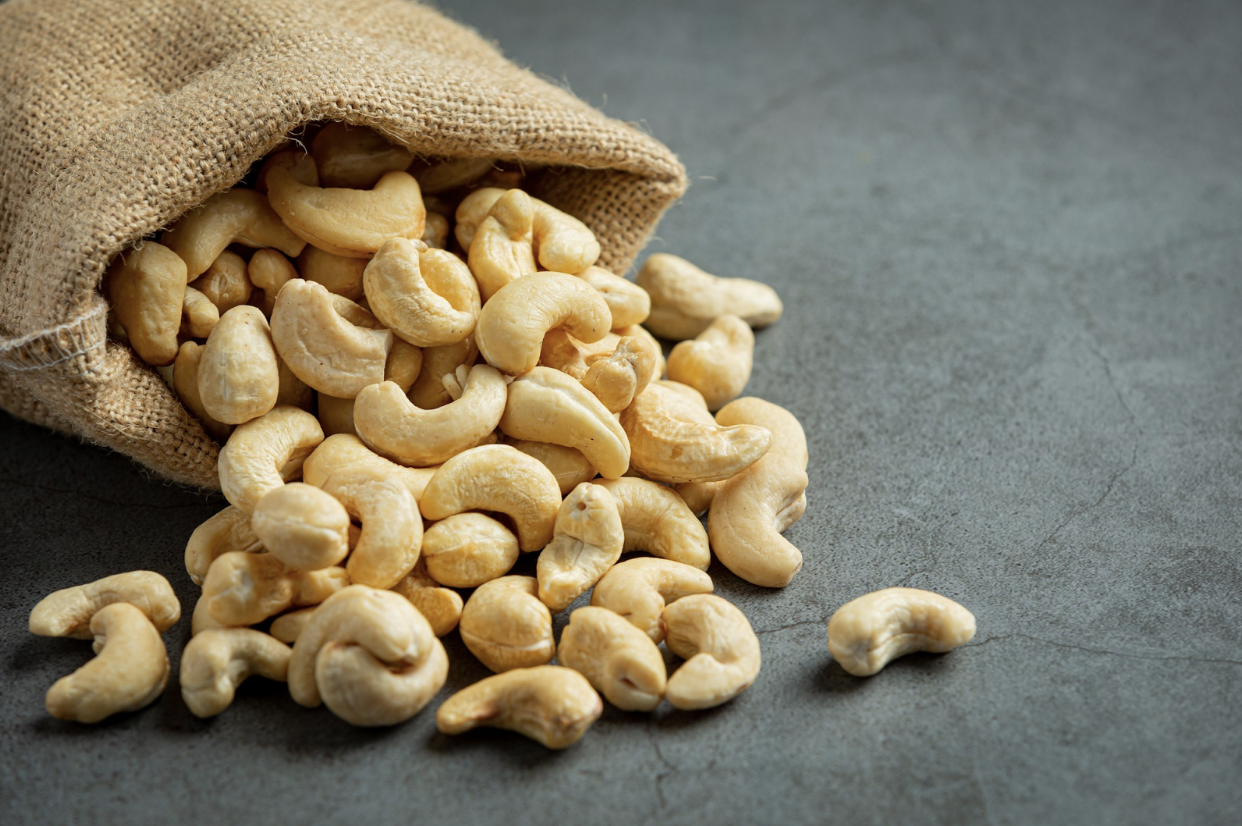
Image Credits: Freepik
Pair Cashews with Fruit for a Balanced Snack Plate
Using cashews as part of a fruit-and-nut combination supports steady energy release and digestive comfort. The fibre and natural sugars from fruit provide quick energy, while the fats in cashews slow carbohydrate absorption.
This pairing:
- Supports gut motility
- Improves nutrient absorption of fat-soluble compounds
- Helps maintain microbial balance disrupted by refined festive foods
Use Cashews as a Garnish, Not the Foundation of Festive Meals
In traditional cuisines, nuts were rarely the main ingredient; they were used to enhance texture, flavour, and nutrition. Using crushed or sliced cashews as a light garnish on festive dishes allows you to benefit from their cashew nutrition benefits without overwhelming digestion.
A small garnish:
- Adds mineral density, including magnesium and copper
- Enhances satiety without increasing meal heaviness
- Supports nutrient synergy when combined with vegetables and whole grains
Portion Awareness: Why Moderation Protects Digestion
Cashews are nutrient-dense, not light snacks. Overconsumption can slow digestion excessively due to fat load, particularly in individuals with sensitive gut function.
For most people, sticking to:
- One small serving per occasion
- Slow, mindful chewing
- Avoiding late-night large portions
Alternatives to Eating Cashews
Health-forward alternatives allow enjoyment without negating the benefits. Below are some alternative ways of pairing to consume cashews:
- Plain roasted cashews, which preserve mineral density and satiety effects
- Cashews lightly tossed with Sri Lankan cinnamon or cardamom, adding flavour without glycaemic load
- Cashews paired with fruit, where natural sugars are balanced by fibre and micronutrients
- Homemade preparations using small amounts of dates or jaggery, which offer slower glucose release compared to refined sugar
How Much Cashew Should You Actually Eat?
Cashews are calorie-dense because they concentrate fats, minerals, and energy into a small volume. When eaten mindlessly, it can quietly burden digestion and energy balance. Understanding portion size is what allows cashew health benefits to support the body rather than overwhelm it.
For most adults, the ideal daily intake of cashews is:
- 8–12 cashews per day, which is approximately 15–20 grams
Best timing for consumption
When cashews are eaten matters because digestion, insulin sensitivity, and enzyme activity fluctuate throughout the day. The most physiologically supportive times are:
- Mid-morning, when cortisol and insulin rhythms stabilise and the body can efficiently utilise fats for energy
- Early evening, as a snack before dinner, not late at night, allowing sufficient time for digestion before sleep
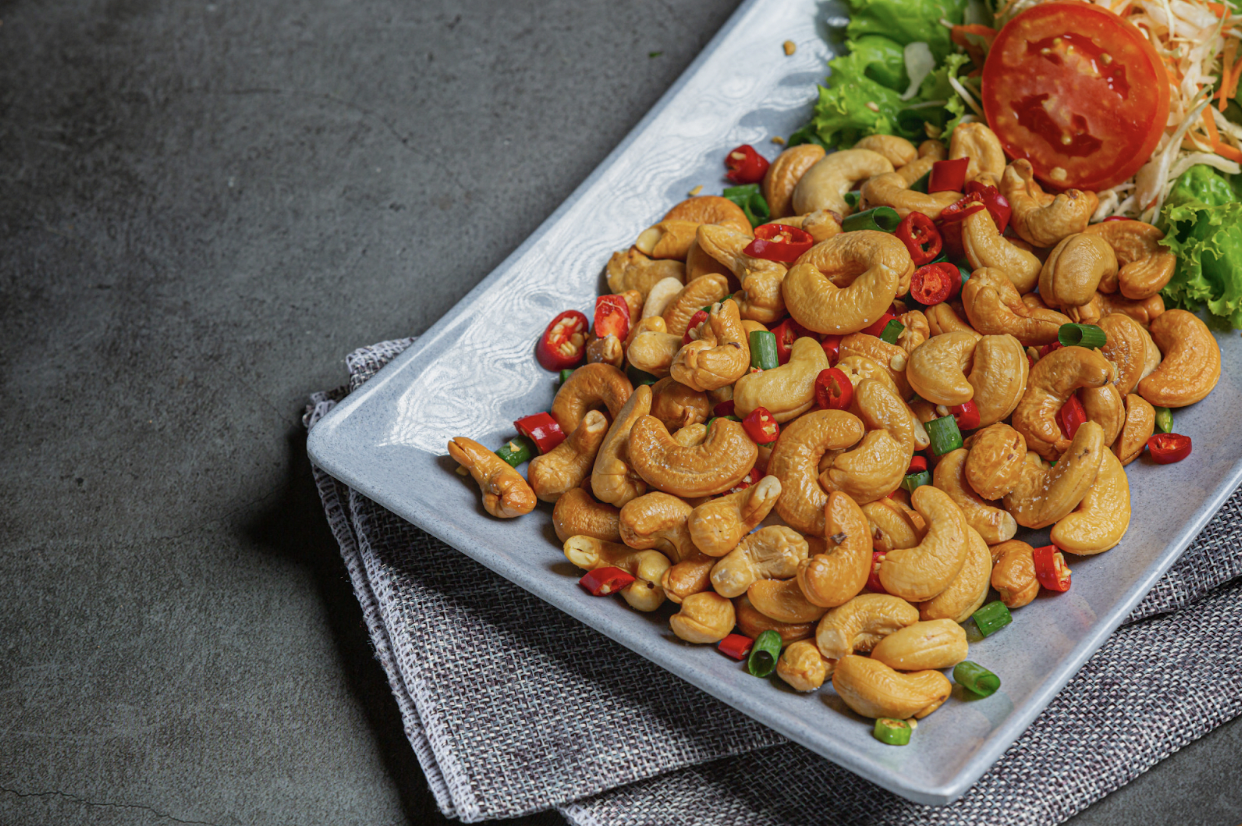
Image Credits: Freepik
Can You Overeat Cashews?
The body thrives on balance, not excess. Mindless overeating also influences energy balance. Although nuts are associated with better weight regulation in long-term studies, this benefit is linked to controlled portions and mindful intake.
Who should be extra mindful
Certain groups benefit from additional awareness when including cashews:
- Individuals with slow or weak digestion, who may struggle with fat digestion
- People prone to acid reflux or frequent bloating
- Those following calorie-controlled or therapeutic nutrition plans
Strategies to reduce discomfort
Simple adjustments can help maintain cashews as a healthy food for digestion:
- Eat slowly and chew thoroughly, which enhances digestive enzyme activation and satiety signaling
- Avoid combining large quantities of cashews with heavy fried or sugar-rich foods, which increases digestive load
- Consider soaking cashews for 2–4 hours if digestion is sensitive, as soaking can reduce phytate content and improve mineral bioavailability, although it is optional rather than essential
A Mindful Festive Reminder: Nourishment Over Perfection
Festivals are meant to fill the heart, not burden the body with guilt. Health is not built on restriction or perfection; it is built on awareness, rhythm, and respect for your physiology. You do not need to stop celebrating to stay healthy; you simply need to listen to what your body is asking for amidst the noise.
Be educated, not influenced.
Disclaimer: This blog is intended for educational and informational purposes only and is NOT a substitute for professional medical advice, diagnosis, or treatment. Nutritional needs vary based on age, health status, lifestyle, and medical history. While the information shared here is grounded in scientific research and functional nutrition principles, individual responses to foods, including nuts like cashews, may differ. If you have underlying health conditions, digestive concerns, allergies, or are on medication, please consult a qualified healthcare professional before making significant changes in food habits.
Want personalized guidance on nutrition and related issues?
We help you find a way.
Set up a one-on-one consultation with our foundational team or explore our Wellness Programs to optimize your lifestyle goals.
Reach out to us at 1800 102 0253 or write to us at [email protected].