No products in the cart.
You’ve likely come across sabudana most often during fasting days; those periods when meals become simpler, kitchens quieter, and food choices more intentional than habitual. In many Indian homes, sabudana takes a centre stage during Navratri, Ekadashi, Mahashivratri, or Shravan, prepared as soft khichdi, lightly crisp vadas, or a comforting bowl of kheer.
These dishes are usually made the way elders have always done it; slowly, patiently, and with awareness. The intention was never indulgence. It was to support the body with nourishment that would not burden digestion, especially when the system was already adjusting to reduced food intake.
Across regions, this ingredient is known by different names, like sabudana or sago, tapioca pearls, javvarisi in Tamil households, and sabbakki in Kannada-speaking homes. It is trusted, familiar, and deeply woven into cultural food practices. But is sabudana consumed during fasting simply because tradition says so, or is there deeper nutritional wisdom behind its use?
Let’s find out.
What Is Sabudana?
Sabudana is derived from the starch extracted from the cassava root (Manihot esculenta), a tuber. Once the cassava root is processed, its starch is separated, washed repeatedly, dried, and shaped into the small, translucent pearls we recognise as sabudana. This processing removes fibre, protein, and most micronutrients, leaving behind a concentrated starch source.
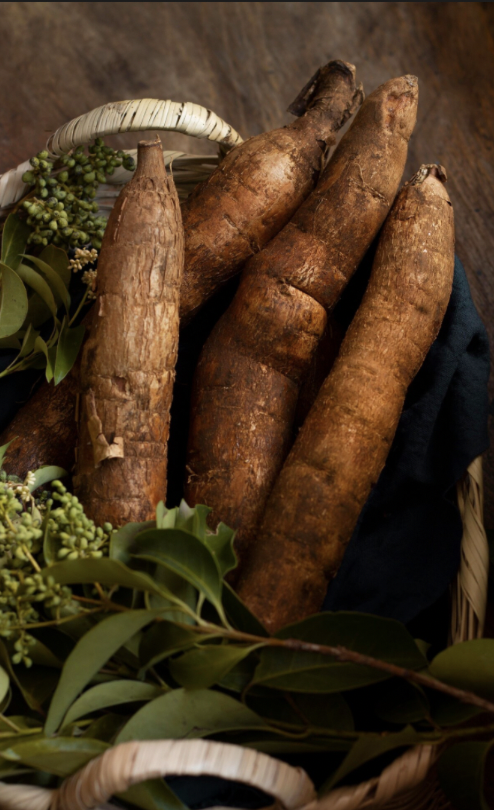
Image Credits: Freepik
| Did you know? Sabudana comes from cassava, a root vegetable that feeds over 800 million people globally, especially in tropical regions.Cassava was traditionally valued for three simple reasons:
In many cultures, cassava-based foods were used during times of scarcity, illness, and fasting because they were gentle, dependable, and sustaining. |
How Sabudana Found Its Place in Indian Kitchens?
Cassava, the root from which sabudana is made, originates in South America, where archaeological evidence suggests it was cultivated more than 7,000 years ago. Over time, cassava spread across tropical regions due to its resilience; it requires relatively little water, and produces a reliable yield. These characteristics made it a critical survival crop in many parts of the world.
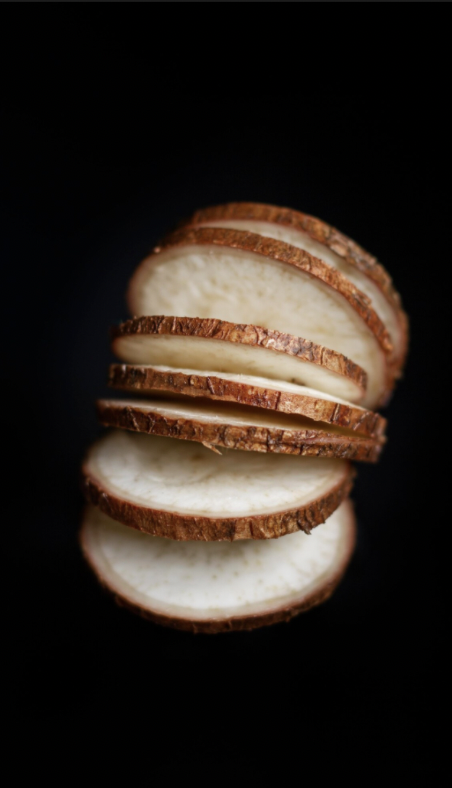
Image Credits: Freepik
Through maritime trade routes, cassava travelled from South America to Southeast Asia and eventually reached the Indian subcontinent. Historical food system research highlights how colonial-era trade played a significant role in introducing cassava-based starches into Indian markets. Sabudana, in particular, gained popularity because it had three practical advantages:
- A long shelf life
- High energy density
- Ease of transport without spoilage
In traditional Indian food systems, fasting foods were often categorised as phalahar; items that were non-grain, non-legume, and considered lighter on the digestive system. Sabudana fits neatly into this category. It was not botanically classified as a grain, and its refined starch structure made it easier to digest when compared to whole cereals.
This is particularly relevant during fasting, when:
- Meal frequency is reduced
- Digestive secretions adapt to lower intake
- The body prioritises energy conservation
Sabudana Nutrition Value: What It Contains (and What It Doesn’t)
From a food composition standpoint, sabudana provides:
- Carbohydrates as the dominant macronutrient: It is primarily composed of digestible starch, making carbohydrates its main energy source. Cassava starch contains a high proportion of amylopectin, which is rapidly broken down into glucose during digestion.
- Minimal protein content: Protein is present only in trace amounts.
- Very low fat levels: Naturally low in fat, sabudana does not contribute significantly to essential fatty acid intake. Any fat content usually comes from the way it is cooked, not from the ingredient itself.
- Almost no dietary fibre: The processing involved in making sabudana removes fibre almost entirely.
- Small amounts of minerals: Trace quantities of minerals such as calcium, iron, and potassium may be present, but their levels vary depending on processing methods and are not nutritionally significant when compared to whole foods.
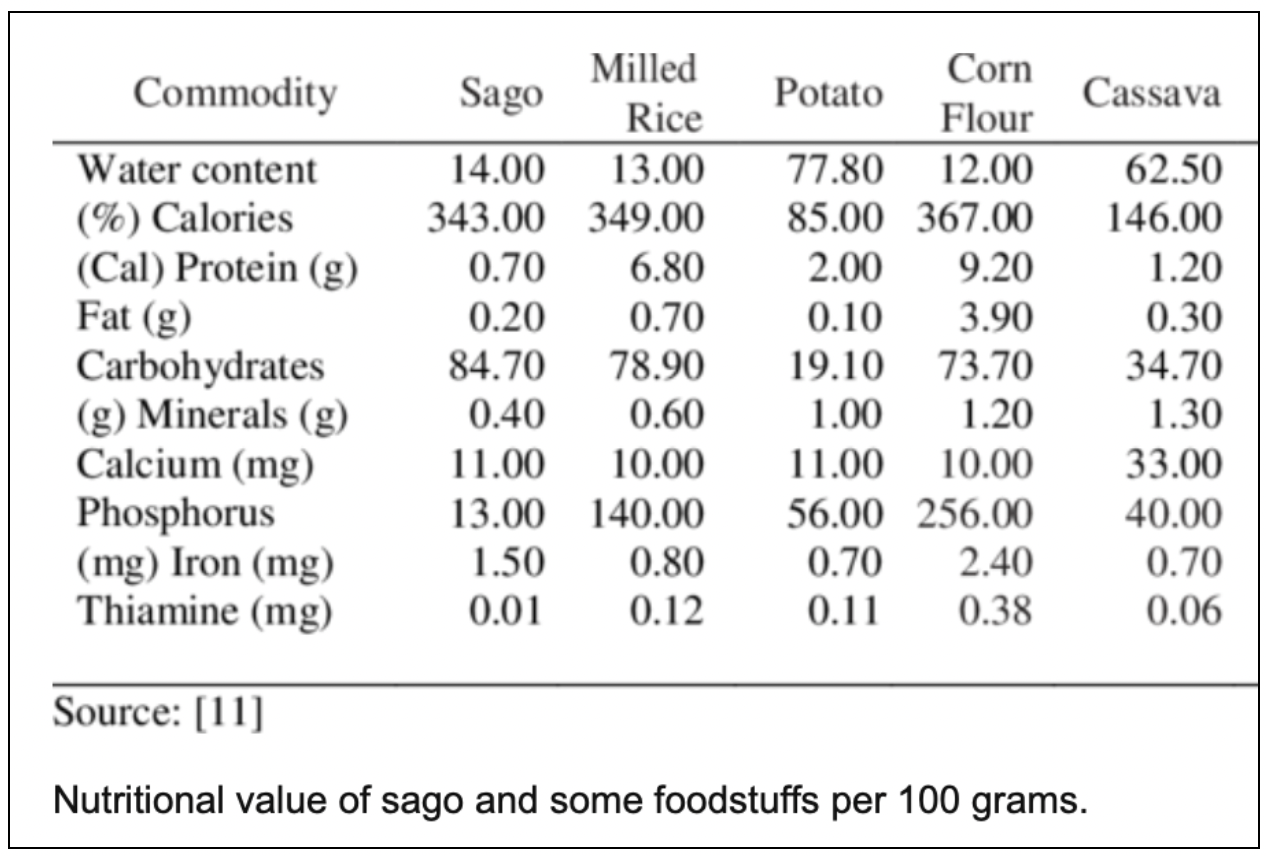
Source: Dewayani, Wanti & Suryani, & Arum, R & Septianti, E. (2022). Potential of sago products supporting local food security in South Sulawesi. IOP Conference Series: Earth and Environmental Science. 974. 012114. 10.1088/1755-1315/974/1/012114.
Sabudana Health Benefits: What Science and Physiology Tell Us
The benefits of consuming sabudana are:
1. Quick Energy Support During Fasting or Recovery
Sabudana is rich in rapidly digestible starch, which is efficiently broken down into glucose. It has a high glycaemic availability, meaning glucose becomes accessible quickly after digestion. During fasting or illness recovery, when meal frequency is reduced and energy demands still exist, this quick availability of glucose helps support basic physical functioning.
2. Easy-to-Digest Carbohydrate for Sensitive Guts
The sabudana nutrition value is characterised by very low fibre and fat content. When soaked and cooked properly, sabudana is less likely to cause bloating or heaviness compared to whole grains.
This makes sabudana suitable for individuals with temporarily sensitive digestion, reduced appetite, or during periods when the digestive system needs rest rather than stimulation.
3. Naturally Gluten-Free and Grain-Free
For individuals who experience discomfort with gluten or avoid grains during fasting, sabudana is naturally gluten-free and does not belong to the cereal family.
Which one is better: Sabudana vs Rice vs Millets
| Parameter | Sabudana | White Rice | Millets |
| Source | Cassava root starch | Grain | Whole grains |
| Carbohydrate | Very high | High | Moderate |
| Protein | Very low | Low | Moderate |
| Fibre | Almost none | Low | High |
| Digestion | Easy when cooked well | Moderate | Slower, sustained |
| Glycaemic Impact | High | Moderate–high | Low–moderate |
| Best Used For | Fasting, recovery, quick energy | Daily staple (portion-controlled) | Long-term metabolic health |
| Frequency | Occasional | Regular (mindful) | Regular |
Note: Sabudana is not meant to replace grains or millets. Just like we wouldn’t run a marathon in slippers, or sleep in running shoes, food works best when used for the right purpose.
Can Sabudana Support Weight Loss?
Sabudana is not a weight-loss food. It does not increase fat burning, boost metabolism, or suppress appetite.
Foods low in fibre and protein are less filling and easier to overconsume. This means sabudana, when eaten in large portions or frequently, can contribute to excess calorie intake.
Therefore, portion size, timing, and food pairing significantly influence metabolic response.
Sabudana can be included occasionally when:
- Portions are kept small and measured
- It is paired with:
- Protein sources like peanuts or curd
- Fibre-rich vegetables where permitted
- It is consumed earlier in the day, when insulin sensitivity is higher
- It is treated as an occasional carbohydrate source, not a daily staple
Who May Benefit from Sabudana
Sabudana can be especially useful in situations where the body needs easily available energy without placing extra demand on digestion.
1. People Observing Fasts
During fasting, meal frequency is reduced, and the body adapts by conserving energy while still requiring glucose for essential functions.
2. Athletes or Physically Active Individuals Needing Quick Carbohydrates
For athletes, carbohydrate timing matters as much as carbohydrate quality.
- Rapidly digestible carbohydrates help in replenishing glycogen stores before or after intense activity.
- The starch structure in sabudana allows quick glucose absorption, making it suitable around periods of high energy demand.
- When paired with protein and fats, sabudana can serve as an efficient short-term fuel source.

Image Credits: Freepik
3. Individuals Recovering from Illness or Medical Stress
- During illness or recovery, appetite is often reduced, and digestion may be compromised.
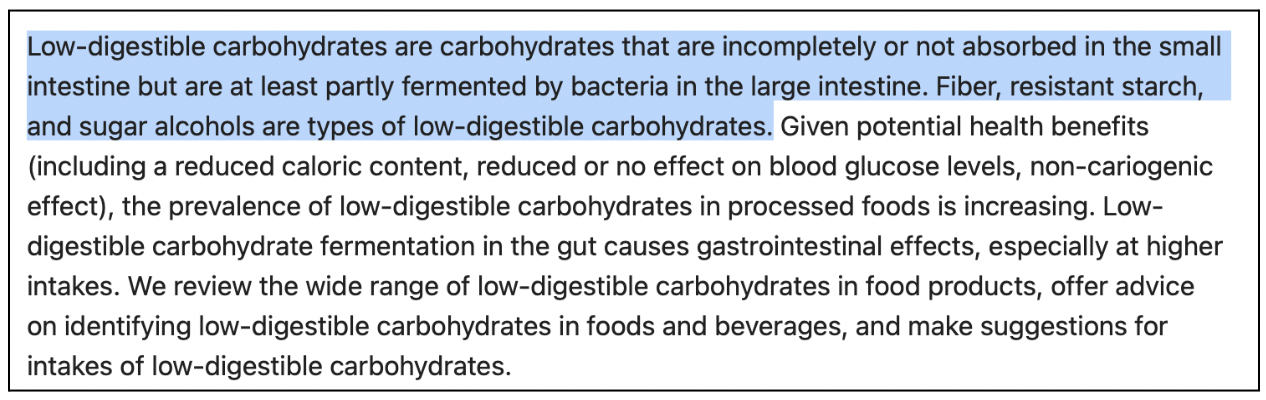
- Clinical nutrition research shows that low-fibre, easily digestible carbohydrate sources can help meet caloric needs without overloading the gut.
Source: Grabitske HA, Slavin JL. Low-digestible carbohydrates in practice. J Am Diet Assoc. 2008 Oct;108(10):1677-81. doi: 10.1016/j.jada.2008.07.010. PMID: 18926133.
- Sabudana’s light texture and energy density make it easier to consume when appetite is low. This can help prevent unintended calorie deficits during recovery phases.
4. Those Needing Easily Digestible Foods
- Low-fibre foods reduce mechanical strain on the gastrointestinal tract.
- When properly prepared, sabudana can be a gentler option for individuals with short-term digestive sensitivity.
Mindful Fasting Checklist
Before You Eat Sabudana on a Fast
Use this quick checklist to make fasting supportive, not stressful on the body:
✔ Am I fasting for digestive rest?
✔ Am I keeping portions moderate instead of overeating at one meal?
✔ Am I pairing sabudana with protein or healthy fats?
✔ Am I eating slowly and mindfully, not emotionally?
✔ Am I hydrating well throughout the day?
Remember:
A fast is meant to lighten the body and calm the mind, not spike blood sugar and leave you exhausted. Mindfulness is the real fasting tool.
Who Should Be Cautious with Sabudana
While sabudana works well for many, certain individuals may need to be a little more mindful about how often and how much they consume it, like:
1. People with Diabetes
Sabudana has a high glycaemic load due to its rapidly digestible starch content. Without careful portion control and appropriate food pairing, sabudana may contribute to unstable blood sugar levels.
This does not mean complete avoidance, but medical guidance and moderation are critical.
2. Individuals with Insulin Resistance
Insulin resistance reduces the body’s ability to manage glucose efficiently. High-glycaemic carbohydrates consumed frequently may exacerbate insulin dysregulation. Sabudana, when eaten often or in isolation, may not be ideal for individuals working to improve metabolic flexibility.
3. Sedentary Lifestyles
Energy intake must align with energy expenditure. Sabudana is calorie-dense and low in satiety-promoting nutrients like fibre and protein. For individuals with low physical activity levels, frequent intake can contribute to excess calorie consumption.
4. Frequent, Unbalanced Consumption
Sabudana was never meant to be a daily staple. Regular consumption without adequate protein, fibre, and micronutrient diversity can displace more nutritionally complete foods. Long-term reliance on refined starches is associated with poorer metabolic outcomes.
Balance, not elimination, is the key principle here.
5. Digestive Discomfort When Undercooked or Improperly Soaked
Sabudana digestion begins long before it reaches the gut, during soaking and cooking. Incomplete starch gelatinisation can make starch harder to digest, increasing bloating or discomfort. Undercooked sabudana may ferment in the gut, especially in people with sensitive digestion.
Best Ways to Consume Sabudana
Sabudana is mostly about energy. It’s rich in carbohydrates and naturally low in protein, fat, and fibre, which is exactly why the way it’s prepared and paired matters. Here’s what you should keep in mind:
1. Soak Properly Before Cooking
Proper soaking is essential to turn sabudana from raw starch grains into digestible pearls.
- Soaking hydrates the starch, reducing cooking time and improving texture.
- It also facilitates more efficient enzymatic action during digestion, similar to how pre-processing improves carbohydrate digestibility in other plant starches.
- Well-soaked sabudana is less likely to clump; this reduces the risk of uneven cooking and digestive discomfort.
Soak for several hours or overnight, depending on the size of the pearls and room temperature.
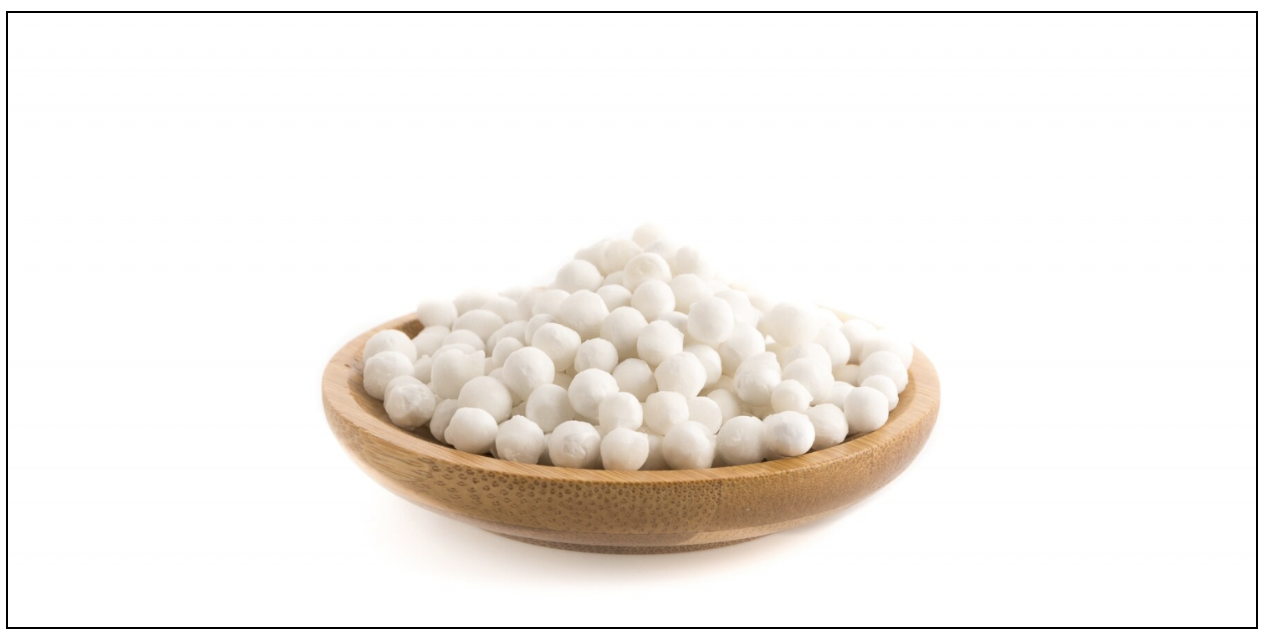
Image Credits: Freepik
2. Cook Thoroughly — Don’t Just Heat It
Sabudana should be cooked until fully translucent and soft. Partially cooked starches are harder for the body to break down, which can lead to bloating.
Cook sabudana slowly, with gentle stirring, until the pearls are evenly cooked.
3. Combine with Protein and Healthy Fats
Sabudana provides fuel but not building blocks. Pairing it with protein and fat can improve metabolic balance. Protein slows gastric emptying, which helps moderate blood glucose response after a carbohydrate-rich meal. Fats contribute to satiety and support nutrient absorption without compromising digestive ease when used in appropriate amounts.
Good pairing examples:
- Peanuts (protein and healthy fats)
- Curd (protein, probiotics)
- Light ghee (fat that supports fat-soluble nutrient uptake)

Image Credits: Freepik
4. Avoid Deep Frying Frequently
Deep frying increases caloric density and oxidative stress from heated oils, which can negatively affect metabolic and inflammatory responses when consumed often. Sabudana works best when steamed, lightly sautéed, or boiled, not deep-fried in large quantities.
5. Mind Portions
Sabudana’s high glycaemic availability means that large portions can produce rapid rises in blood glucose, especially if not paired with protein and fat. Mindful portions help sabudana fit into a broader health-oriented pattern without overwhelming the metabolic system.
Recipe to Try: Sabudana Khichdi with Peanuts & CucumberThis recipe brings together carbohydrate from sabudana, protein and healthy fats from peanuts, and hydration plus micronutrients from cucumber. Ingredients
Method
This preparation uses simple, whole ingredients to create a plate that is easy on digestion, balanced in macros, and aligned with both traditional use and modern nutritional understanding. |
Tradition Meets Awareness
Sabudana was never meant to be eaten every day, nor was it ever meant to be dismissed as ‘empty calories.’ It exists in our food culture for very specific moments; fasting days, recovery phases, times when digestion needs gentleness and energy needs to be met without heaviness.
When we understand why something was used traditionally, we stop misusing it in modern life.
Frequently Asked Questions
1. Is sabudana healthy or just empty calories?
Sabudana is primarily a source of carbohydrates, meaning it provides energy but limited protein, fibre, and micronutrients. It isn’t a complete food, but when consumed occasionally and paired well with protein and fats, it can serve a specific purpose, especially during fasting or recovery.
2. Can people with diabetes eat sabudana?
People with diabetes or insulin resistance need to be mindful. Sabudana can raise blood sugar levels if consumed in large portions or on its own. If included, it should be in small quantities, paired with protein and fat, and consumed under professional guidance.
3. Does sabudana help with weight loss?
Sabudana by itself is not a weight-loss food. However, when eaten in controlled portions, combined with protein and healthy fats, and consumed occasionally, it can fit into a balanced food without necessarily hindering weight goals.
4. Why does sabudana sometimes cause bloating or discomfort?
Digestive discomfort usually occurs when sabudana is not soaked or cooked properly. Undercooked starch is harder to digest. Proper soaking and thorough cooking significantly improve tolerance.
5. How often can sabudana be consumed safely?
Sabudana is best used as an occasional food rather than a daily staple. It works well during fasting, illness recovery, or periods of low appetite, but regular consumption without proper balance may lead to nutrient gaps.
Disclaimer: The information shared in this blog is intended for educational purposes only and is based on scientific research and traditional practices. It is NOT a substitute for personalized medical advice, diagnosis, or treatment. Individual nutritional needs, health conditions, and medical histories vary, so it’s important to consult a qualified healthcare professional before making any significant changes to your food habits or lifestyle.
Want personalized guidance on nutrition and related issues?
We help you find a way.
Set up a one-on-one consultation with our foundational team or explore our Wellness Programs to optimize your lifestyle goals.
Reach out to us at 1800 102 0253 or write to us at [email protected].