No products in the cart.
Did you know that the United Nations General Assembly (UNGA) declared 2023 the International Year of Millets? Guess who made it possible? India did. How? By creating a proposal that received the overwhelming support of 72 countries! What is so great about millets? Why do I call these the wonder grains of the present and future? Let’s explore the health benefits of millets and how they can transform your nutrition goals.
In This Blog, You Will Learn
- Why millets are among the most anti-inflammatory grains.
- How they support gut health, digestion, and energy.
- The role of their protein, amino acids, and micronutrients.
- Who should be cautious while adding millets to their routine?
- Simple ways to include millets in everyday meals.
Millets are not a new concept to Indians.
They have long been a part of Asian cultures and cuisines. Millets were consumed daily by the majority of the population of Central and Southern India until the dawn of the Green Revolution made rice and wheat more readily available. Today, as people rediscover traditional foods, the health benefits of millets are once again in the spotlight.Millets come in a variety of sizes and shapes. Foxtail millet, Ragi/Finger millet, Pearl millet/Bajra, Buckwheat, Little millet/Samai/Kutki, Jowar/Sorghum, Kodo millet, and Barnyard millet are a few of them, among several other varieties. Yes, the myths surrounding these are many, but the documented health benefits of millets trump them.
Why Add Millets To Your Lifestyle?
One of the most significant reasons to add them to your lifestyle is that millets are highly anti-inflammatory. Yes, you heard that right.Millets can help reduce inflammation, which is one of the leading root causes of most health and lifestyle diseases today. When chronic inflammation is controlled well in advance, it can help you prevent a range of conditions. This is one of the key health benefits of millets that modern nutrition science continues to validate.
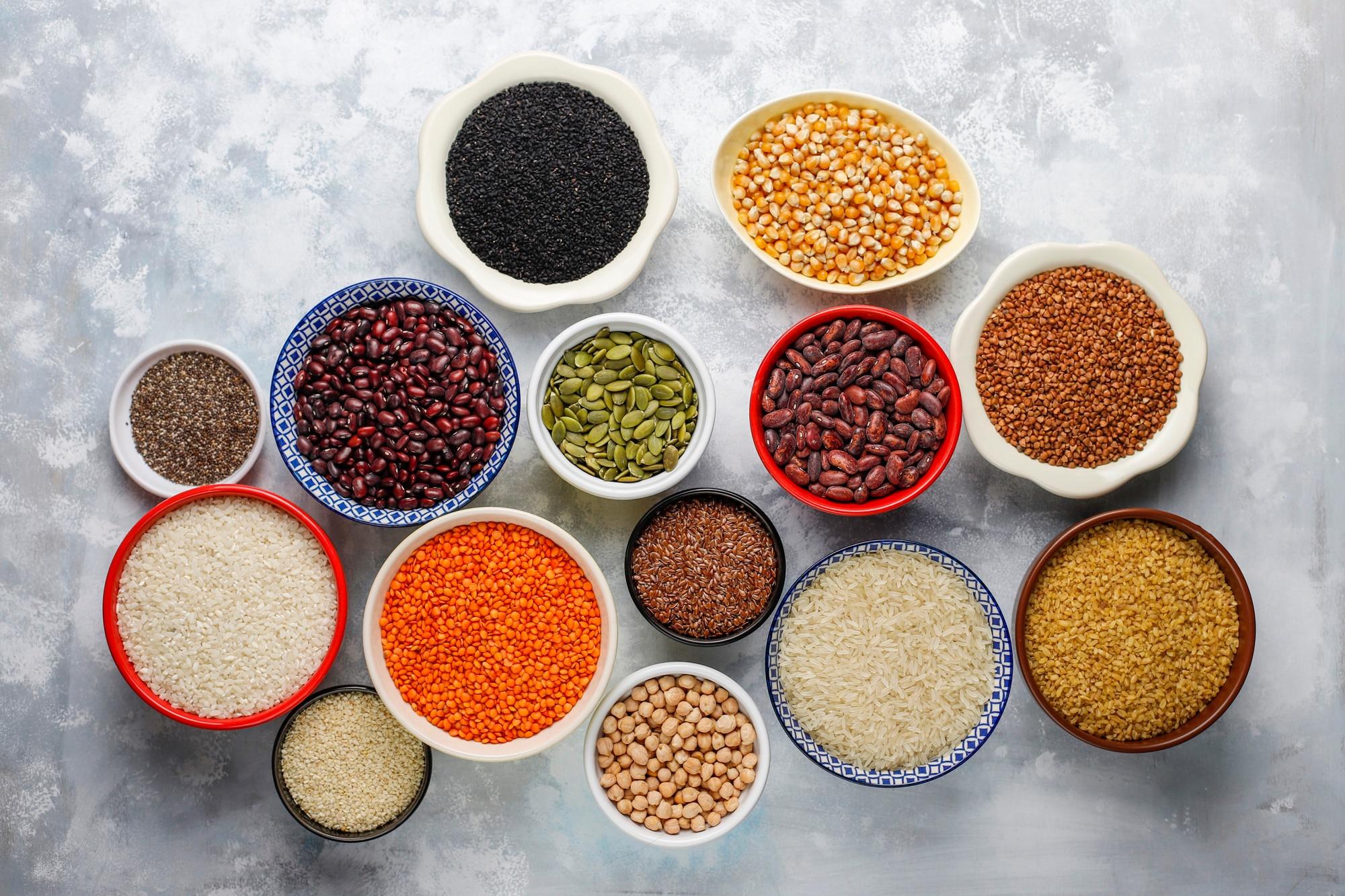
Representational Image. Photo Credits: Freepik/@azerbaijan_stockers
Proven Health Benefits Of Millets
Modern research continues to back what our ancestors knew for generations — millets are not just grains but superfoods backed by solid science. Here’s a breakdown of the most powerful and well-documented health benefits of millets.
1. Natural Anti-Inflammatory and Antioxidant Powerhouse
Millets are naturally rich in antioxidants that help reduce inflammation in the body. Chronic inflammation is at the root of most lifestyle diseases — and this is where the health benefits of millets truly stand out.Loaded with compounds like phenolics, flavonoids, and catechins, millets help neutralize free radicals that damage cells and tissues. These bioactive compounds also inhibit pro-inflammatory cytokines and promote the release of anti-inflammatory molecules, keeping your internal environment balanced.The catechins present in millets — the same antioxidants that give green tea and matcha their superfood status — support immunity, skin and hair health, and the smooth functioning of vital organs.
2. Gluten-Free and Gut-Friendly
Millets are a blessing for those with celiac disease, gluten intolerance, or gut inflammation. Being naturally gluten-free, they offer relief from symptoms like acidity, bloating, constipation, and IBS, which often worsen with wheat-based diets.Instead of relying on ultra-processed gluten-free alternatives, replacing refined grains with rice or millet is a cleaner, more nourishing approach. The dietary fiber in millets also serves as prebiotics — feeding beneficial gut bacteria, which in turn produce butyrate, a short-chain fatty acid known for its potent anti-inflammatory effects.This combination of fiber and fermentation support makes millets an excellent choice for improving digestion, bowel regularity, and overall gut ecology — a critical yet underrated health benefit of millets.
3. High Protein Content and Amino Acid Profile
Many people think of millets as just carbohydrates, but these grains are also packed with high-quality protein. Their protein contains both essential and non-essential amino acids — the complete spectrum your body needs for repair, recovery, and growth.Because of this amino acid richness, millets are often part of hospital recovery diets across South India and Africa. Their protein profile supports muscle repair after illness, heavy exercise, or surgery, and enhances recovery when paired with whole foods and proper hydration.
4. Rich in Calcium and Essential Micronutrients
Millets are among the few plant-based foods rich in calcium, making them a natural ally for bone health. For those intolerant to dairy or prone to bone issues like osteopenia and osteoporosis, millets offer a wholesome, natural alternative to supplementation.Unlike overuse of calcium pills, which can burden the kidneys and heart, millet-derived calcium is bioavailable and balanced with other trace minerals such as magnesium, iron, and zinc. This natural balance supports stronger bones, improved muscle contraction, and better joint mobility.
5. Nerve, Muscle, and Blood Vessel Health
Because of their anti-inflammatory and mineral-dense profile, millets promote healthy nerve signaling and blood vessel elasticity. Their magnesium and calcium content together help regulate muscle contraction, preventing stiffness and soreness. Regular consumption supports cardiovascular tone and circulation, particularly beneficial for those with sedentary lifestyles or high stress.
6. Ferulic Acid for Cellular Recovery
Millets are rich in ferulic acid, a powerful phytonutrient with anti-inflammatory and antioxidant effects. This compound has been studied for its ability to lower inflammation markers, especially post-surgery or after intensive treatments like chemotherapy, radiation, or steroid therapy. Including millet-based meals during recovery phases helps the body restore equilibrium while nourishing tissues at a cellular level.
7. B-Vitamin Spectrum for Energy and Metabolism
Millets are loaded with the entire range of B vitamins — vital cofactors for carbohydrate, fat, and protein metabolism. These vitamins play a crucial role in sustaining brain and nerve function, skin and hair vitality, reproductive health, and fertility. By improving cellular energy production, they help enhance focus, stamina, and mood stability.
Who needs to be careful while consuming millet?
Many doctors and nutritionists are recommending millet for Type 2 diabetes. While it doesn’t create a spike in your blood sugar levels in most cases and has a much lower glycemic index (GI) than other refined grains, here’s what you need to know. In our own experience, we have seen how every Type 2 diabetes case can be different.
When we switched many of our patients to millet, it helped lower their sugar spikes. But considering bio-individuality is important. In a couple of patients, it led to an increase in blood sugar. So we put in a CGMS (continuous glucose monitoring system) and realized that certain millets can lower blood sugar in some patients, but in others, a millet like ragi shot their blood sugar levels up. This is also why so many people often ask, ‘Can we eat millets daily?’ The truth is, it depends entirely on your body’s response and how you balance other grains. Don’t blame the food in this case. Keeping the uniqueness of your body and its needs is important.
Will I say millets lower everyone’s diabetes? No. In most cases, it may, in other cases you need to be careful. You will only know once you try it. Be mindful when you do this. Living with awareness and consciousness is extremely important for us to see which food suits us and which doesn’t.
Millets are also effective in bringing down triglyceride levels. While some people report improved cholesterol levels with millet, others experience no change.
For those with thyroid issues, there is a lot of mixed science around this. But I would NOT recommend that people with hypothyroidism eat a staple diet based on millet. You can have it maybe once or twice a week. But making millet your primary grain is not a good idea.
Why?
Because it can affect the working of your thyroid gland further. Millet contains goitrogens that can inhibit the synthesis of your thyroid hormones. It may explain why those with hypothyroidism are discouraged from eating cruciferous vegetables raw (we recommend you lightly cook or steam them). In the case of millet, it is best to take the middle road, and avoid making it your primary grain.
What’s the downside of eating millet?
- Millets contain antinutrients or phytic acids that can reduce the absorption of minerals like calcium, iron, zinc, and magnesium.
- These concerns arise primarily when millets are eaten in the wrong way or become the main grain every day.
- With a balanced diet and proper preparation, the effect of these antinutrients is usually minimal.
How can you get rid of these antinutrients to eat millet the right way?
By soaking it overnight, for at least 8 to 12 hours at room temperature. Many traditional millet recipes begin with this simple soaking step to improve digestibility and nutrient absorption. Once you have soaked it, rinse it twice. Then cook it. This will help you get rid of antinutrients and help you enjoy millet.Another way of getting rid of phytic acid/antinutrients is to soak and sprout millet. This not only reduces antinutrients but also enhances flavor and texture, especially in millet recipes like dosas, porridges, and khichdi. You can also buy sprouted millets or do it at home overnight.
How to eat millet?
- Cook your millet the same way you cook your rice.
- You can switch from wheat to buy quality millet flour and make your rotis from it. These are light and tasty as well. You can use the millet flour for baking as well. Studies reveal that doing this can enhance its antioxidant levels.
- You can add your favorite veggies and make millet khichdi. Add your beans, your leafy greens, and a bowl of curd at the side (if dairy suits you) and make it a complete meal.
- You can also try millet recipes for breakfast, like millet upma, poha, or idlis for a light, fiber-rich start to your day.
- When people finish surgeries, their digestive system is very weak and slow. Light foods like millet khichdi are very helpful in their recovery. If you have aging parents at home who have a low appetite, millet could be a beautiful addition to their nutrition. Similarly, soft millet recipes for breakfast, such as porridge or pongal, can support recovery and are gentle on digestion. It’s also very easy to chew, almost semi-solid, and easy for your gut to digest.
- Alternate upma with millet upma, millet Pongal, gehun ki roti with jowar roti, and so on.
- Here are innovative You Care recipes to experience millet-o-magic on your plate
Want personalised guidance to optimise your nutrition and make the most of superfoods like millet?
👉 Book a consultation with Luke’s nutritionist team today.
Millet Recipes For Breakfast
Here’s presenting light, nourishing, and fibre-rich breakfast options powered by millets. Each bowl offers steady energy, better digestion, and wholesome comfort — perfect for mornings when you want something warm and gentle on your gut.
Instant Jowar Upma – A Wholesome Start to Your Day
Have you wondered how to make your breakfast both filling and easy on digestion? This instant jowar upma brings together vegetables, spices, and the goodness of sorghum to give you a gut-friendly and balanced meal.CLICK HERE FOR THE RECIPE
Millet Pongal – Comfort for Your Mornings
Try this warm and soothing millet pongal that pairs beautifully with moong dal and gentle spices. Soft, semi-solid, and packed with protein, calcium, and fibre, it makes for a nourishing breakfast for kids, elders, or anyone recovering from fatigue, illness, or digestive issues.CLICK HERE FOR THE RECIPEThese millet recipes for breakfast are designed to support energy, satiety, and gut comfort while adding variety to your morning plate. They are simple, wholesome, and rooted in traditional Indian flavours — exactly how breakfast should feel.
Other Millet Recipes You May Try For Lunch/Dinner
If you want to add more variety to your meals, these millet recipes make excellent lunch and dinner choices.
Wholesome One-Pot Millet Soups To Try Today

Here’s presenting antioxidant-rich, nutritious, and warm soups packed with nutrient-dense vegetables, lentils/chicken, millets, and pounded spices. These will strengthen your gut microbiome while also offering an array of health benefits and delectable flavors.
Mighty Millet Noodles You Cannot Miss

Have you wondered how to make a single bowl of noodles packed with protein, fiber, phosphorus, and calcium? Most importantly, sans preservatives, additives, stimulants, and flavorings? Our recipe experts at You Care are combining happiness with nutrition using millets proving that these are the invincible wonder grains of the present and future.
Ragi Chocolate Sheera For Healthy Indulgence

Try this delectable ragi chocolate sheera that makes for the perfect healthy indulgence. Loaded with protein, calcium, and potassium, it is low in fat and gluten-free, making it easy to digest. From your kids to the elderly, it is a treat for the tastebuds across age groups.
FAQs on Millets
1. What are the main health benefits of millets?
The key health benefits of millets include their ability to lower inflammation, balance blood sugar, and support gut health. They’re rich in antioxidants, fiber, protein, and essential amino acids — all of which help strengthen immunity and improve overall well-being.
2. Can we eat millets daily for better health?
Yes, but with awareness and balance. While millets are nutrient-dense and versatile, rotating them with other whole grains like rice, quinoa, or amaranth prevents overexposure to goitrogens and maintains digestive balance.
3. Are there specific millet recipes that are easy to prepare?
Absolutely. There are endless millet recipes to suit every meal — from khichdi, dosas, and rotis to porridges and grain bowls. These dishes are filling, light on digestion, and offer the same comfort as your everyday staples, with a lot more nutrition.
4. What makes the health benefits of millets unique compared to other grains?
The health benefits of millets are unique because they offer a perfect balance of protein, fiber, and minerals while being gluten-free. Their low glycemic index supports blood sugar stability, and their antioxidant compounds help protect cells from inflammation and oxidative stress.
5. Can we eat millets daily if we have diabetes or thyroid issues?
If you’re wondering, can we eat millets daily with health conditions like diabetes or thyroid, moderation is key. Some millets, like ragi, may spike blood sugar for certain individuals, while goitrogens in others can affect thyroid function. Observe your body’s response and vary your grains weekly.
6. How can we maximize the health benefits of millets while cooking?
To get the best health benefits of millets, always soak them overnight or sprout them before cooking. This reduces antinutrients and enhances mineral absorption. Cooking them with vegetables, ghee, and spices further improves digestibility and taste.
7. Can we eat millets daily during weight loss or fitness programs?
Absolutely, when portioned well. Millets’ high fiber and protein content keep you satiated for longer, reduce cravings, and support steady energy release, making them ideal for weight management and active lifestyles.
8. Which millet recipes for breakfast are ideal for kids and elders?
Soft millet recipes for breakfast, such as ragi porridge, millet pancakes, or barnyard millet pongal, work beautifully for both kids and elders. They’re easy to chew, light on digestion, and packed with calcium, B vitamins, and antioxidants for energy and recovery.
The Bottom Line
Don’t overdo it. You don’t have to eat millet every single day. One day you can eat rice, the other day you can have millet, and on yet another day you can have amaranth if it suits you. You can also have a no-grain day in between. Millet has superpowers if you use it the right way. If it doesn’t suit you, don’t be upset about it. You will find other foods that do.
ALSO WATCH: Why And How We Recommend Millets To Our Clients
Disclaimer: The information shared in this article is for educational purposes only and is not intended as a substitute for professional medical advice, diagnosis, or treatment. The health benefits of millets and related suggestions mentioned here are general in nature and may not suit every individual. Always consult your doctor, nutritionist, or integrative health expert before making significant changes to your diet, especially if you have existing medical conditions.
Ready to Support Your Health with Everyday Foods?
Start small — with one mindful change in your kitchen today.
Use what’s simple. Use what’s real. Let nature be your first line of care.
Want help personalizing your food and lifestyle choices to match your body’s unique needs?
Know more about our Wellness Program.
Set up a one-on-one consultation with our integrative team by reaching out to us at:
📞 Call us on 1800 102 0253
✉️ Write to us on [email protected]
We help you find a way.