No products in the cart.
You’re skipping the junk, choosing salads, watching your portions. So why isn’t the scale moving? Most people trying to lose weight make the same assumption: if the food is “healthy,” the quantity doesn’t matter, and the timing doesn’t matter. That thinking is where weight gain hides in plain sight.
Here’s what I see every single day in my practice: people eating jowar instead of maida, grilled chicken instead of fried, salads instead of parathas, and still not losing weight. Sometimes even gaining it. The mistakes aren’t in what they’re eating. They’re in how, when, and how much they’re eating it. Let’s break down the 7 most common lunch mistakes and, more importantly, what to do about them.
Mistake 1: Eating lunch too late in the day
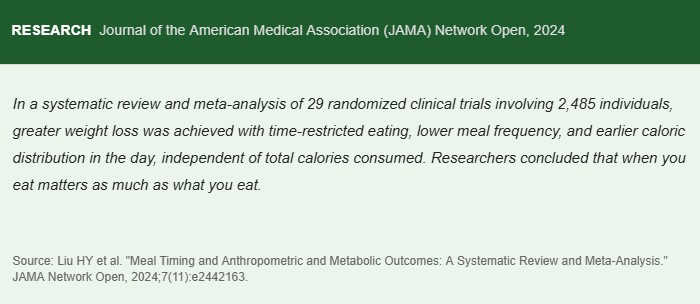
This is probably the single biggest lunch mistake working Indians make. You skip or rush breakfast, get caught up in back-to-back meetings, and suddenly it’s 2:30 or 3 pm and you’re starving. You eat a large meal, your blood sugar spikes, insulin surges, and your body stores far more of that energy as fat than it would have at noon. Your digestive fire, what Ayurveda calls agni and science calls thermic efficiency is strongest between 12 and 1 pm. Eating outside this window consistently disrupts your circadian rhythm.
WHAT TO DO INSTEAD
Protect your lunch window. Block 12:30 pm on your calendar if needed. Even a 15-minute lunch at the right time does less damage than an hour-long meal at 3 pm. Make lunch the non-negotiable it deserves to be.
Mistake 2: No good-quality source of protein at lunch
The classic Indian office lunch: a box of dal-rice, two rotis with sabzi, or a quick thali. Carbohydrate-heavy, protein-light. Without adequate protein at lunch, you’re likely to feel hungry again within 1–2 hours. You may end up reaching for biscuits, having chai with sugar, or overeating at dinner to compensate. Protein plays an important role in regulating appetite and supporting satiety, making it a key component of a balanced lunch.
WHAT TO DO INSTEAD
Every lunch needs a palm-sized protein source. Paneer, curd, eggs, chicken, fish, tofu, sprouts, or dal with curd on the side. Not a garnish — a main component. Aim for 25 to 35g of protein at lunch.
Try This 40g+ Protein in One Vegetarian Lunch Options.
Mistake 3: Calling “healthy” restaurant food actually healthy
You order the grilled chicken salad at a cafe near your office. What you don’t see is this: the dressing has 350 calories, the chicken is cooked in refined oil, the croutons are fried, and the portion is sized for someone twice your size. “Healthy” on a menu is a marketing word, not a nutritional promise. The same goes for multigrain sandwiches, quinoa bowls, and smoothies with three fruits blended in.
WHAT TO DO INSTEAD
When eating out, ask for dressings on the side, choose grilled over sauteed, skip the bread basket, and drink plain water — not packaged juices. Better yet, carry your lunch from home at least 3 days a week.
Mistake 4: Eating at your desk or while scrolling
You eat lunch with one hand on your keyboard, eyes on your screen, and your brain still processing a work problem. Your parasympathetic nervous system, the “rest and digest” mode never fully activates. Your digestive enzymes don’t flow properly. You don’t register satiety signals. Studies consistently show that distracted eating leads to consuming 25% to 50% more food than intended, and poorer digestion of whatever you did eat.
WHAT TO DO INSTEAD
Even 10 minutes of mindful eating, phone face-down, screen off, chewing your food — makes a measurable difference. Step away from your desk. Your digestion is not a background process you can multitask through.
Mistake 5: Skipping fibre completely
Fiber slows digestion, stabilizes blood sugar, feeds your gut bacteria, and creates satiety that lasts hours. But the average working Indian’s lunch, two rotis, dal, and a small sabzi often has inadequate fiber, especially if the vegetables are minimal and the pulses are thin. The result: a blood sugar spike followed by a crash at around 3 pm, which your body interprets as an emergency food signal.
WHAT TO DO INSTEAD
Add a raw or lightly cooked vegetable element to every lunch. Cucumber slices, a small salad, raw carrot sticks, or a generous sabzi with at least two vegetables. Eat the fiber component first, before the rotis to blunt the glycemic spike.
Mistake 6: Drinking cold water or cold beverages right after meals
A cold bottle of water or a fridge-cold buttermilk right after a hot meal might feel refreshing, but it constricts the digestive vessels and slows enzymatic activity. Cold liquids after a warm meal delay gastric emptying, reduce digestive efficiency, and over time contribute to bloating, poor nutrient absorption, and a sluggish metabolism.
WHAT TO DO INSTEAD
Drink room temperature or warm water with or after meals. Jeera water, ajwain water, or plain warm water after lunch actively supports digestion. If you want buttermilk, let it come to room temperature first.
Mistake 7: Making dinner the heaviest meal because lunch was ‘light’
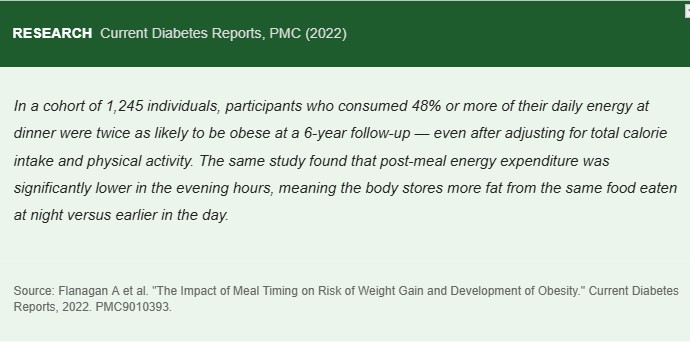
This is the chain reaction that most weight gain quietly follows. A rushed breakfast, a small or skipped lunch, arriving home at 8 or 9 pm starving, and eating a large dinner within two hours of bed. Your body’s metabolic rate is at its lowest in the evening. The same 600 calories at noon and 600 calories at 9 pm are processed completely differently by your body. Late, heavy dinners consistently correlate with higher body fat, especially visceral fat around the abdomen.
WHAT TO DO INSTEAD
Protect and prioritize lunch as your largest meal of the day. Make dinner light soups, khichdi, a small sabzi with roti, and aim to finish eating by 7:30 to 8 pm at the latest.
Sample weekly lunch plan for Indian working professionals
If you’re wondering how this looks in real life, here’s a simple weekly lunch structure you can follow or adapt.
A realistic, practical plan for someone who works a desk job, may need to carry food, and wants to eat well without spending hours cooking. These lunches prioritize protein, fiber, and the right timing window 12 to 1 pm.
DAY | LUNCH (12:00 – 1:00 PM) |
| Monday | Main: 2 multigrain rotis + palak paneer (200g) + cucumber raita Fiber first: Start with cucumber + carrot sticks before the rotis After 30 minutes of the meal: Warm jeera water |
| Tuesday | Main: Small bowl of rice + moong dal + a generous sabzi with 2 vegetables Side: Small bowl of homemade curd After 30 minutes of the meal: Room temp buttermilk with a pinch of cumin |
| Wednesday | Main: Egg bhurji (2-3 eggs) + 2 jowar rotis + onion-tomato salad Side: Small bowl of dal or sambar After 30 minutes of the meal: Warm water with a squeeze of lemon |
| Thursday | Main: Rajma (or chickpea) curry + a small portion of rice Side: Sliced cucumber + curd Note: Great carry-to-work option, tastes better after a few hours |
| Friday | Main: Grilled or pan-cooked chicken (150g) + 2 rotis + lauki/tinda sabzi Side: Onion-tomato kachumber with apple cider vinegar (with mother culture) After 30 minutes of the meal: Ajwain water or plain warm water |
| Saturday | Main: Khichdi (moong dal + rice, cooked soft) + ghee + a dry sabzi Side: Roasted papad + curd Note: Comfort food done right: desi ghee is not the enemy |
| Sunday | Main: Homemade fish or paneer curry + 1-2 rotis or a small bowl of rice Side: Good bowl of salad with raw vegetables + a small bowl of curd Note: Sunday is a good day to eat your biggest, most relaxed lunch of the week |
Note: Portions are for a moderately active adult. Adjust based on your size, activity level, and specific health goals. If you have diabetes, thyroid conditions, or any other medical conditions, consult your integrative health practitioner before making changes.
Your move-to-action checklist – start this week
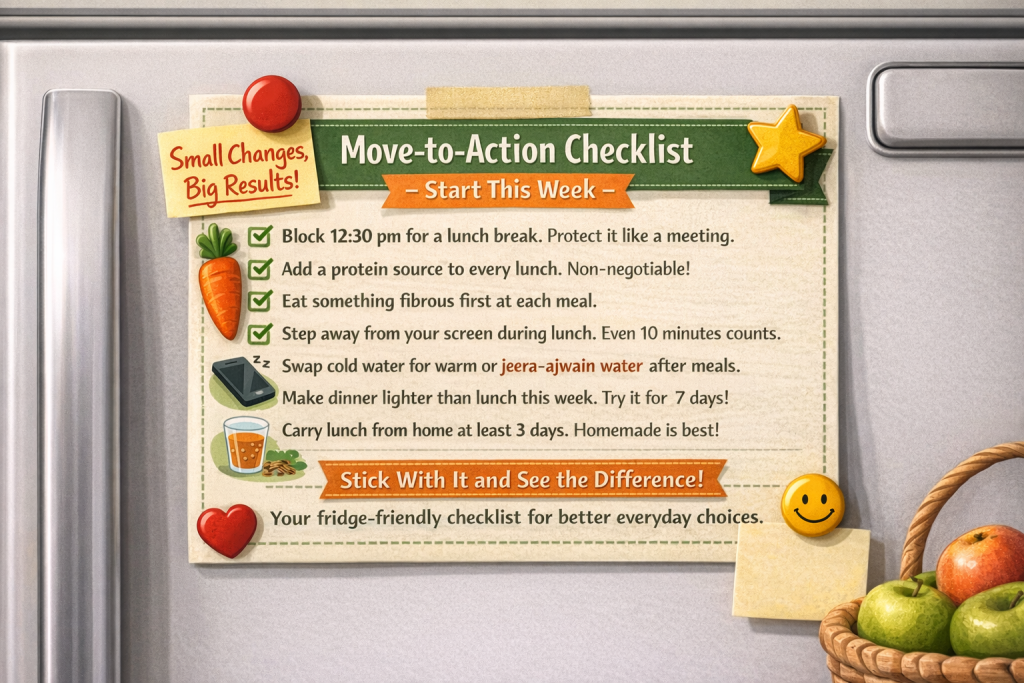
- Block 12:30 pm as a recurring lunch break in your calendar. Protect it like a meeting.
- Add one clear protein source to every lunch, not optional, non-negotiable.
- Eat something fibrous first at every meal, salad, raw veg, or a high-fiber vegetable sabzi before the rotis or rice.
- Step away from your screen during lunch. Even 10 minutes counts. Put your phone face-down.
- Swap cold water post-meal for warm or room temperature water. Add jeera or ajwain for digestive support.
- Make dinner lighter than lunch this week, try it for just 7 days and notice the difference.
- Carry lunch from home at least 3 days this week. Homemade is the single best weapon in your weight management toolkit.
Here’s a fridge-friendly checklist to keep your daily habits on track, take a print and stick this to your fridge.
Disclaimer: This content is for informational purposes only and is not a substitute for medical advice, diagnosis, or treatment. Individual needs may vary based on health conditions, medications, and lifestyle. Please consult your healthcare provider or a qualified nutrition professional before making significant dietary changes.
Want to Turn This Into a Sustainable Routine?
Knowing what to do is one thing, doing it consistently is another.
Our wellness program are designed to bridge that gap with personalized plans, expert guidance, and ongoing support tailored to your lifestyle.
So you’re not just trying, you’re progressing.