No products in the cart.
So you just finished dinner, you’re scrolling through your fridge, and there it is: a perfect bowl of grapes calling your name.
But then that little voice pops up. “Wait, is eating fruit at night actually bad for me?”
You are not alone in this debate.
Eating fruits after dinner is one of those topics that gets passed around family groups with way too much confidence and not nearly enough evidence.
Some people swear fruit at night causes bloating and weight gain. Others eat an apple every night before bed and feel completely fine.
So what is actually going on?
Let’s break it down, no jargon, just simple answers.

Image Credits: Magnific
First, Let’s Settle the Big Question: Is It Good to Eat Fruit at Night?
Here is the short answer: for most healthy people, eating fruit after food is perfectly fine. There is no strong scientific rule that says fruit turns toxic or harmful once the sun goes down.
The “fruit at night is bad” idea seems to come from a mix of old wives’ tales and some half-true nutrition myths that got passed around without much checking. In reality, your body does not have a curfew for digesting fructose (the natural sugar in fruit). Your digestive system works pretty much the same way at 9 PM as it does at 9 AM.
That said, timing and quantity still matter, and we will get into exactly how.
Why People Worry About Fruit Digestion at Night
A lot of the concern around fruit digestion comes from one specific idea: fruit digests faster than other foods, so if you eat it right after a heavy meal, it can sit around fermenting in your stomach while waiting for the rest of your dinner to break down.
This is partially true, and partially exaggerated.
Fruit does tend to move through your stomach faster than proteins or fats because of its simple sugar structure and water content. So in theory, eating fruit immediately after a heavy, fatty meal could slow things down and create some gas. This is often where the question “does fruit cause bloating” comes from.
But here is the thing. For most people, this effect is mild at best. Your gut is more sophisticated than internet myths give it credit for.
So, When Is the Best Time to Eat Fruits?
There is no single universal answer here, because it depends on your body, your meal, and how sensitive your digestion is. But here is a simple, practical guide:
| Situation | What to Consider |
| You have a sensitive stomach or bloating issues | Try waiting 20 to 30 minutes after a heavy meal before having fruit |
| You had a light dinner | Fruits after meals should be totally fine immediately |
| You want fruit as a healthy evening snack | Pairing it with a small amount of protein, like a few nuts, can slow sugar absorption and keep you fuller |
| You are eating fruit before bed | Choose something lower in acidity, like a banana or papaya, rather than very citrusy fruits |
Interesting fact: The order in which you eat your food, vegetables and protein before carbohydrates, can meaningfully affect blood sugar spikes. While this is not specifically about fruit at night, it does suggest that sequencing your food matters more than the clock on the wall.
Eating Fruit at Night: Three Myths We Need to Retire
Myth 1: Fruit turns into sugar and stores as fat overnight.
Your body does not behave differently based on the time of day in the way this myth suggests. Weight gain happens from consistent excess calorie intake over time, not from a banana eaten at 8 PM versus 8 AM.
Myth 2: Fruit at night always causes bloating.
Bloating from fruit is usually linked to specific fruits high in fermentable sugars (like apples, pears, or watermelon in large amounts), not the time you eat them. If bloating is a recurring issue, it is worth noticing which fruits trigger it rather than blaming nighttime itself.
Myth 3: You should never eat fruit before bed.
Some fruits, like kiwi, actually contain natural compounds that have been studied for their potential role in supporting better sleep quality.
- A small study from Taiwan found that participants who ate kiwi before bed reported improvements in sleep onset and duration.
So fruit before bed is not the enemy people make it out to be, as long as portions stay reasonable.
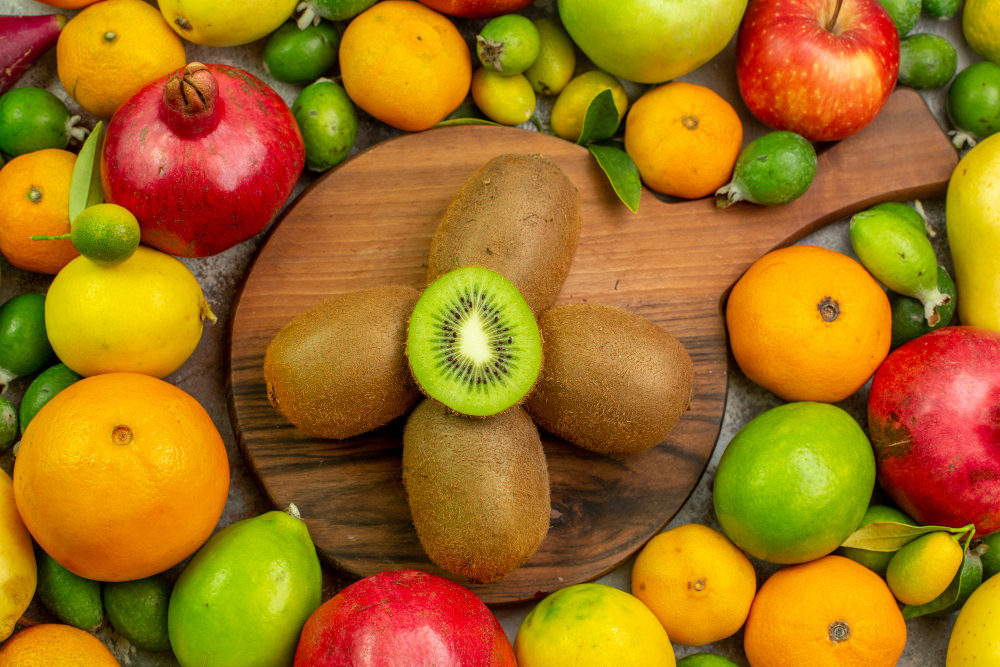
Image Credits: Magnific
What About Eating Fruits After Food, Specifically After a Big Meal?
This is where most of the confusion lives. Let’s simplify it into one clear rule.
If your meal was light: Go ahead and enjoy fruit right after. Your stomach will handle it just fine.
If your meal was heavy, oily, or rich:
- Give it a small gap, ideally 20 to 30 minutes, before having fruit. This is not because fruit is dangerous, but simply to give your stomach some breathing room and reduce any chance of gas or discomfort, especially if you already tend to feel heavy after big meals.
This is a small, simple habit shift, not a strict rule you need to stress over.
Here’s something Luke recently shared:
“For years, I said no. It was what I learnt in nutrition school. Fruits digest fast, mix with other foods, and cause bloating which is what we believed.
I even argued with my own parents about eating fruits after meals. They’d listen patiently… and still enjoy their slice of fruit.
But everything shifted in Vietnam. After every meal, a slice of watermelon would be offered. One day, I accepted. And that one slice changed so much.”
Read the entire story:
View this post on Instagram
Healthy Evening Snack Ideas That Include Fruit
If you are looking for satisfying, gut-friendly evening snacks, here are some easy combinations that keep things balanced:
- A banana with a few almonds
- Berries with a small bowl of yogurt
- Sliced apple with a teaspoon of honey
- Papaya on its own, since it is naturally easy to digest
- Kiwi about an hour before bed, if you are curious about its sleep-supporting reputation
These pairings help slow down sugar absorption and keep you feeling steady rather than spiking and crashing.
Listen to Your Body, Not Just the Clock
Here is something worth remembering: nutrition advice that works for one person does not always work the same way for someone else.
Some people can eat a fruit salad right after dinner and sleep like a baby. Others feel gassy if they eat anything within an hour of lying down.
Instead of treating “fruit after dinner” as universally good or bad, it helps to pay attention to patterns.
Do certain fruits bother you more than others?
Does eating fruit right after a heavy meal feel different than eating it an hour later?
Small observations like this tell you more than any blanket rule ever will.

Image Credits: Magnific
The Last Word
Eating fruits after dinner is not something you need to fear. For most people, fruit is a wonderful evening snack choice, naturally sweet, fiber-rich, and far better than reaching for processed sugary options.
The key things to keep in mind are:
- Fruit digestion is generally fine at any time of day
- If your dinner was heavy, give it a short gap before having fruit
- Bloating is more about specific fruits and portion sizes than timing
- Fruit before bed, especially kiwi, may even support better sleep
- The best time to eat fruits is really whenever it fits naturally into your routine and feels good for your body
So the next time you reach for that banana after dinner, you can relax. Your gut has got this.
Disclaimer: This blog is intended for educational and informational purposes only and should not be used as a substitute for professional medical advice, diagnosis, or treatment. Always seek the guidance of your qualified healthcare provider before making any changes to your medications or lifestyle.
Want to know more about certain foods and nutrition?
We’re here to help YOU find a way.
Set up a one-on-one consultation with our foundational medicine and lifestyle experts or explore our Wellness Programs to optimize your lifestyle goals.
Reach out to us at 1800 102 0253 or write to us at [email protected].