No products in the cart.
Prostate health is something most men don’t think about until something goes wrong.
But here’s the truth: by the time symptoms show up, the body has already been quietly struggling for a while.
Prostate cancer is one of the most commonly diagnosed cancers in men worldwide.

Image Credits: Magnific
According to the World Health Organization, it ranks as the second most common cancer in men globally. Age and genetics do play a role, but lifestyle, especially what you eat every single day, can make a meaningful difference.
In foundational medicine, the focus is always on what you can control. And your plate is one of the most powerful places to start.
Science has consistently shown that certain foods carry protective properties for the prostate gland. They help reduce inflammation, balance hormones, and support overall cellular health. When you know this, the kitchen really does become your pharmacy.
Here are six foods worth adding to your daily life, along with smart ways to include them.
1. Cooked Tomatoes
Tomatoes contain a powerful antioxidant called lycopene, and here’s something most people don’t know: cooking tomatoes actually increases the bioavailability of lycopene.
That means your body absorbs more of it when the tomatoes are heated compared to eating them raw.
- Lycopene has been studied extensively for its role in reducing prostate inflammation and supporting prostate gland health. A review found that men with higher lycopene intake had a lower risk of prostate cancer.
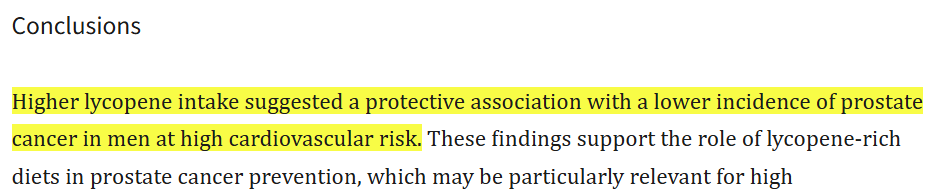
Source: López-Solís, R., Castro-Barquero,et al. (2025). Lycopene intake and prostate cancer risk in men at high cardiovascular risk: a prospective cohort study. BMC medicine, 23(1), 627. https://doi.org/10.1186/s12916-025-04440-0
How to include it: Tomato soup, cooked sabzi, warm salads with roasted tomatoes, or a simple tomato-based curry. Even a bowl of homemade tomato rasam counts.
2. Cruciferous Vegetables
Think cabbage, cauliflower, radish, broccoli, kale, and arugula.
- This family of vegetables contains a compound called sulforaphane, which has shown promising results in slowing the growth of prostate cancer cells in research studies.
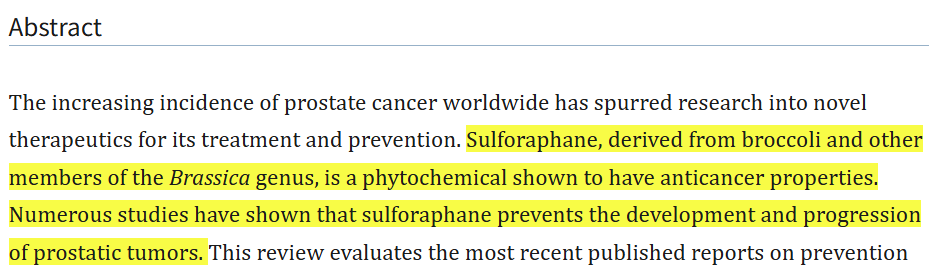
Source: Mordecai, J., Ullah, S., & Ahmad, I. (2023). Sulforaphane and Its Protective Role in Prostate Cancer: A Mechanistic Approach. International journal of molecular sciences, 24(8), 6979. https://doi.org/10.3390/ijms24086979
Cruciferous vegetables and prostate cancer prevention have a well-documented relationship in nutritional science. These vegetables also support liver cleansing, which plays a role in hormone balance, including testosterone regulation.
Important note for thyroid health: I
- f you have a thyroid condition, lightly steam or cook your cruciferous vegetables before eating. Raw crucifers contain goitrogens, which can interfere with thyroid function in sensitive individuals. Even without a thyroid condition, cooked cruciferous vegetables tend to be gentler on digestion.
How to include it: Stir-fried broccoli, cabbage sabzi, cauliflower soup, or a warm kale salad.
3. Walnuts
Walnuts are a nutritional powerhouse for men’s health.
- They are one of the richest plant-based sources of omega-3 fatty acids, particularly alpha-linolenic acid (ALA).
- They also contain vitamin E, polyphenols, and phytosterols, all of which contribute to a healthy prostate diet.
A study suggested that walnut consumption may help reduce markers of oxidative stress and inflammation, both of which are linked to prostate issues.
How to include it: A small handful as a mid-morning snack, blended into a smoothie, or added to oatmeal.
4. Pumpkin Seeds
Pumpkin seeds are extremely powerful for prostate health and are often overlooked.
- They are rich in zinc, a mineral that is highly concentrated in prostate tissue.
- Low zinc levels have been associated with an increased risk of prostate disease.
- Pumpkin seeds also contain beta-sitosterol, a plant compound that may help with symptoms of an enlarged prostate by supporting healthy urinary flow.
In fact, several studies have explored pumpkin seed extract as a natural support for benign prostatic hyperplasia (BPH), also known as an enlarged prostate.

Source: Leibbrand, M., Siefer, S., et al.(2019). Effects of an Oil-Free Hydroethanolic Pumpkin Seed Extract on Symptom Frequency and Severity in Men with Benign Prostatic Hyperplasia: A Pilot Study in Humans. Journal of medicinal food, 22(6), 551–559. https://doi.org/10.1089/jmf.2018.0106
How to include it: Roasted and lightly salted as a snack, sprinkled over salads, blended into chutneys, or added to trail mix.
5. Omega-3 Fatty Acids
Omega-3s are essential fats your body cannot produce on its own.
They are well-known for their anti-inflammatory properties, and chronic inflammation is one of the underlying drivers of prostate disease.
Best food sources of omega-3 for prostate health:
| Source | Type |
Fatty fish (salmon, sardines, mackerel) | EPA and DHA (most bioavailable) |
Flaxseeds | ALA (plant-based) |
| Chia seeds | ALA (plant-based) |
| Walnuts | ALA (plant-based) |
Omega-3 supplements | EPA/DHA (under professional guidance) |
Research has suggested an association between higher omega-3 intake and reduced prostate cancer risk, though diet-based sources are always preferred over isolated supplements.
If you are considering an omega-3 supplement, always do so under medical supervision. Quality and dosage matter significantly.
6. Berries (Blueberries, Blackberries, Strawberries)
Berries are among the most antioxidant-dense foods on the planet.
- They contain anthocyanins, flavonoids, and vitamin C, all of which help fight oxidative stress at a cellular level.
Berries for prostate health work primarily by reducing inflammation and protecting prostate cells from DNA damage. Some research also points to their potential to slow the proliferation of cancer cells.
How to include it: Fresh berries in smoothies, over oats, or frozen varieties blended into shakes. In India, jamun and pomegranate are excellent local alternatives with comparable antioxidant profiles.
7. Green Tea
Green tea deserves a special mention.
- It contains a class of antioxidants called catechins, particularly EGCG (epigallocatechin gallate), which have been studied for their potential to inhibit prostate cancer cell growth.
Research noted lower rates of prostate cancer in populations with high green tea consumption.
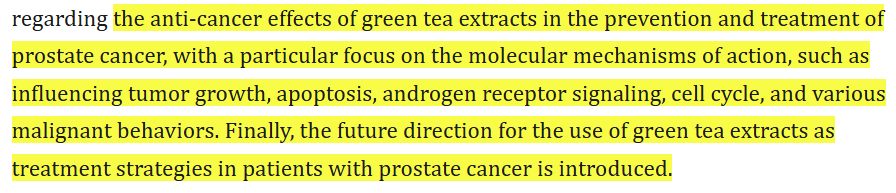
Source: Miyata, Y., Shida, Y., Hakariya, T., & Sakai, H. (2019). Anti-Cancer Effects of Green Tea Polyphenols Against Prostate Cancer. Molecules (Basel, Switzerland), 24(1), 193. https://doi.org/10.3390/molecules24010193
For meaningful benefits, aim for three or more cups per day. Some men do four, some do five. Start with three and see how your body responds. Avoid drinking it on an empty stomach.
Beyond Food: The Lifestyle Piece
Foods that reduce prostate cancer risk are most effective when paired with consistent lifestyle habits. Nutrition alone cannot carry the full load.
Here is what an integrative approach to prostate health looks like:
- Kegel exercises for men: These are arguably the most powerful exercises specifically for the prostate gland. Three sets, done three times a day, can support bladder control, pelvic floor strength, and overall prostate function.
- Deep, quality sleep: Your body repairs and regulates hormones during sleep. Poor sleep is directly linked to higher inflammation.
- Stress management: Chronic stress elevates cortisol, which over time disrupts hormone balance, including the hormones that affect prostate health.
- Consistent movement: Regular physical activity has been shown to lower the risk of aggressive prostate cancer. Consistency is what makes it work, not intensity.
- Emotional health: This is often the most underestimated pillar. Suppressed emotions, chronic anxiety, and unaddressed stress have real physiological consequences.

Image Credits: Magnific
A Simple Way to Start
You do not have to overhaul your diet overnight. Start small:
- Rotate these foods into meals you already cook
- Build recipes around what your culture and taste buds enjoy
- If raw foods bother your digestion, steam or lightly cook them
- Listen to your body, what works for one person may not work for another
- Involve your family. Healthy eating is easier when it is shared
Final Word
The earlier you start paying attention to prostate health, the better positioned you are for the long run.
Share this with your father. With your brothers. With your sons. With the men in your life who might not be thinking about this yet.
Because prevention, done consistently and with awareness, is always more powerful than cure..
Also, watch this:
View this post on Instagram
Disclaimer: This blog is intended for educational and informational purposes only and should not be used as a substitute for professional medical advice, diagnosis, or treatment. Always seek the guidance of your qualified healthcare provider before making any changes to your medications or lifestyle.
Looking for foundational guidance for prostate health?
We help you find a way.
Set up a one-on-one consultation with our foundational medicine team or explore our Wellness Programs to optimize your lifestyle goals.
Reach out to us at 1800 102 0253 or write to us at [email protected].