

You watch your numbers, you take your medicines, you cut the sweets, you walk because you are supposed to. And yet, every review ends with the same thing.
“Increase this dose, add that tablet, and come back in three months.”
Your fasting looks different from your post-meal readings, your HbA1c refuses to move, and somewhere inside you wonder, “If I’m doing everything right, why am I still not getting better?”
She came to us with the same question.
An HbA1c of 9.4.
A file full of prescriptions.
And a quiet exhaustion in her eyes.
“My sugar won’t budge. I’m tired all the time, my stomach is always bloated, I wake up at 3 am every night, and I feel like I’m constantly chasing a problem that keeps slipping through my fingers.”
In over 14 years of working with Type 2 Diabetes patients, we’ve heard this story in multiple variations.
If you’re reading this, you’ve probably lived some measure of it, too.
The truth? Most people with Type 2 Diabetes have made changes. They’ve tried what the internet told them. They’ve cut carbs, taken cinnamon, tried intermittent fasting, followed food charts, and yet — the numbers stay stuck. Or worse, the side effects start adding up: fatigue, weight gain, mood crashes, joint pain, reflux, or more pills added every few months.
If she was doing so much right, why wasn’t anything shifting?
The answers lie in the foundations of your health.
When the Numbers Don’t Tell the Full Story
Type 2 diabetes does show up as high blood sugar, but it is not only a food or sugar issue. It is a full-body condition involving metabolism, inflammation, hormones, sleep, the gut, and even the nervous system.
Beneath every fasting or post-meal reading, several systems are interacting:
- Insulin resistance: Your cells stop responding efficiently to insulin, so the body needs more and more to handle the same amount of glucose.
- Chronic low-grade inflammation: This keeps the body in a constant alert state, interfering with how glucose is used, stored, and cleared.
- Hormonal and sleep disruption: Cortisol, melatonin, and appetite hormones fall out of rhythm, leading to cravings, belly fat, and erratic sugars.
- Gut and liver overload: A stressed microbiome and overworked liver struggle with food, toxins, and medications, which impacts glucose control.
So the numbers on your glucometer are the signal, not the full story. The deeper issue is the internal environment that either supports insulin… or quietly works against it.
And this is why foundations matter. Foundational Medicine aims to bridge this gap and help you manage a condition effectively, improving your overall quality of life.
It is not about hacks or miracle diets.
We’re talking about science-backed, biology-respecting, ground-level repair of the very systems that govern blood sugar, metabolism, hormone function, and energy regulation.
Because when the foundation is weak, even the best food plan or medication will only offer temporary support.
But when the foundation is strong, the body becomes responsive again. Glucose control improves. Energy levels are restored. The gut stabilizes. Medications are often reduced under the doctor’s guidance. The person no longer feels like they’re fighting their own biology.
What Traditional Approaches Often Miss
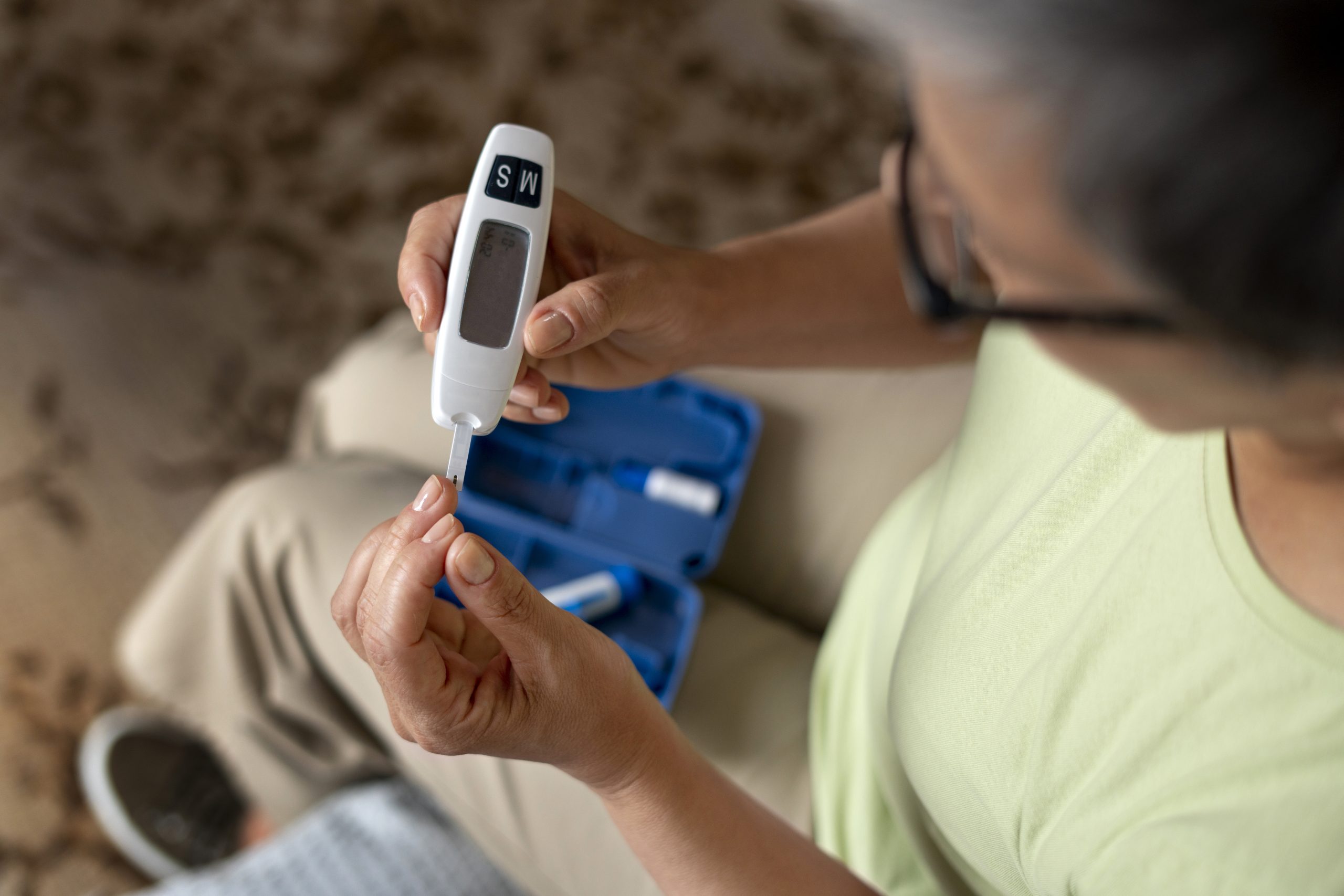
Medications are often necessary to manage blood sugar, but they do not rebuild the internal ecosystem that caused the dysfunction in the first place.
You can bring your glucose within range, yet still struggle with fatigue, weight fluctuations, gut issues, mood swings, and inflammatory symptoms. That’s because the underlying terrain, your hormones, inflammation, sleep, stress, and microbiome, remains compromised.
Standard nutritional charts and one-size-fits-all plans focus on surface control. Calorie counting without context leads to restriction, not nourishment. And when treatment focuses only on numbers, not the whole person, burnout sets in. Over time, this leads to dependence on more medication and rising complications.
Foundational Medicine doesn’t replace your doctor. It complements medical treatment by repairing what drugs can’t, your basics. It helps you restore balance from the inside out, so healing becomes possible, sustainable, and personal to your body’s real needs.
What Is Foundational Medicine, and Why Does It Work?
Imagine trying to fix a complex electrical system by only turning switches on and off. You might get temporary results, but the wiring remains faulty. That’s what most conventional diabetes care does; manages the symptoms without tracing the circuits beneath them.
Foundational Medicine goes deeper. It focuses on restoring the biological systems that govern blood sugar, insulin sensitivity, inflammation, and hormonal regulation.
Because here’s the truth: no two people with diabetes are the same.
Some struggle with fatigue. Others with cravings, weight, gut issues, or erratic energy. Blood sugar levels are just a reflection. The real story lies in the system that runs your system.
Foundational Medicine works by strengthening six interlinked systems, which we call the six non-negotiable pillars:
- Food Science & Nutrient Synergy
- Adequate Holistic Movement
- Deep Sleep
- Emotional Wellness
- Nature/ Internal and External Environment
- Spirit & Breathwork
Why These Systems Matter
Type 2 Diabetes isn’t a single malfunction you can ‘fix’ by cutting sugar or counting carbs. It’s a complex metabolic condition shaped by multiple biological systems — metabolism, inflammation, the nervous system, circadian rhythm, environmental exposure, and cellular signalling.
Scientific evidence is clear that lifestyle and environment profoundly influence diabetes risk and progression, from insulin resistance and abdominal fat to inflammatory signalling and glucose handling.
In our experience, when these foundational systems are addressed together—not in isolation—people see deeper, longer‑lasting responses. The six pillars below are not habits on a checklist; they are systems regulators that influence how your body handles glucose, stress, hormones, immune signalling, and recovery. Each pillar has a measurable link to mechanisms behind insulin sensitivity, post‑meal glucose control, inflammation, and metabolic resilience.
Let’s unpack what each pillar does, why it matters for diabetes, and how lifestyle shifts can directly alter biology in your favour.
The Six Foundational Pillars and How They Impact Type 2 Diabetes
Food Science and Nutrient Synergy
1. Food Science and Nutrient Synergy
Managing blood sugar is about more than cutting carbs; it is about building meals that communicate safety and stability to your metabolism.
- Protein and fibre slow glucose absorption and help regulate glucose-dependent hormones like GLP-1 (glucagon-like peptide-1) and PYY (peptide YY.
- Minerals like zinc, magnesium, and chromium support insulin receptor function.
- Bitter foods and polyphenols (methi, amla, cinnamon, turmeric, moringa) reduce oxidative stress and improve insulin signalling.
- Balanced, diverse meals support the gut’s production of short-chain fatty acids, which enhance insulin response.

Simple actions:
- Build your plate thinking of a rainbow: add balanced amounts of fiber, protein, smart carbs, plus healthy fats.
- Add protein and fibre to your first meal to reduce mid-morning crashes.
- Bring back traditional Indian options like dals, sabzis with ghee, millet rotis, fermented kanji, or curd at least once a day.
Adequate Movement and Circulation
Movement changes metabolism at the muscle level, which is central to glucose control.
- A simple 10-15 minute walk after meals significantly reduces post‑meal glucose spikes by increasing muscle glucose uptake without additional insulin.
- Resistance or strength training enhances insulin sensitivity and mitochondrial function, making cells more receptive to glucose.
- Regular circulation supports lymphatic detoxification and lowers chronic inflammation.
Research published in Diabetologia showed that walking for just 15 minutes after each meal significantly reduces postprandial blood sugar in adults with Type 2 Diabetes.
Consistency, not intensity, is what sustains metabolic change over the long term.

Simple actions:
- Walk 10 to 15 minutes after one or two main meals daily.
- Add 2 to 3 short strength sessions a week (bodyweight squats, wall push-ups, glute bridges).
- If you sit long hours, stand or walk for 2 to 3 minutes every 45 to 60 minutes.

Deep Sleep and Circadian Rhythm
Sleep is not passive — it’s a metabolic regulator that rebalances hormones each night.
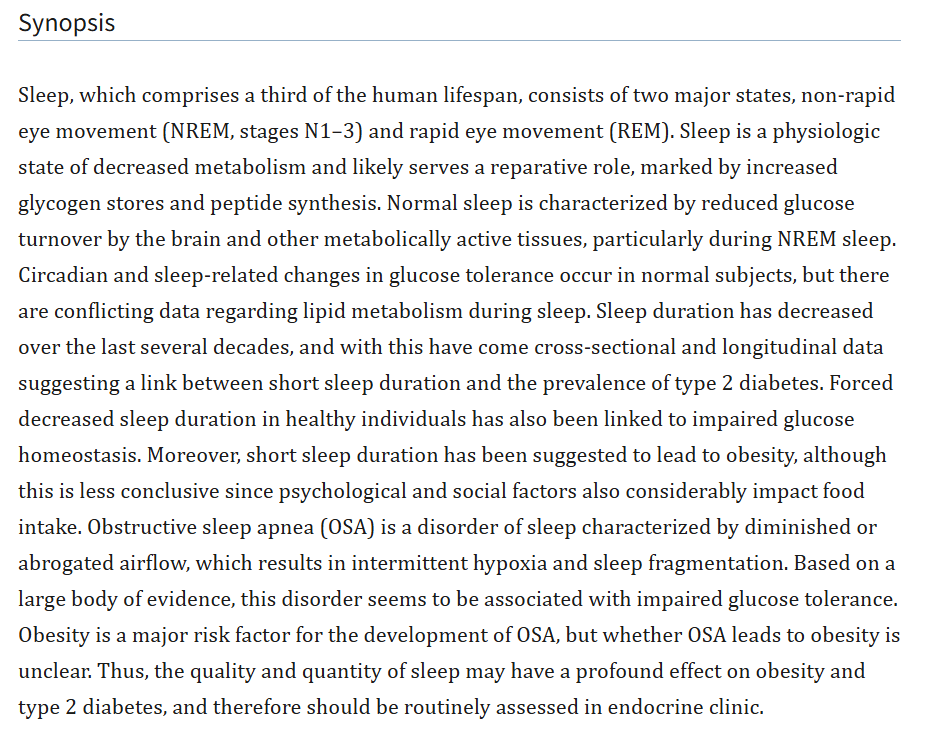
- Studies by the Endocrinology and Metabolism Clinics of North America show that poor or fragmented sleep is linked with impaired glucose tolerance and increased insulin resistance over time.
- Irregular light exposure and disrupted circadian clocks can dysregulate cortisol, melatonin and insulin signalling, compromising overnight glucose control. (Wikipedia)
- Prioritizing early darkness, consistent sleep–wake cycles, and reducing blue light before bed help reset hormonal rhythms.
Sleep is one of the most underutilized tools in metabolic support.
A 2019 study in The Lancet Diabetes & Endocrinology linked sleep deprivation to a 28% increased risk of developing insulin resistance, even in healthy adults.
Simple actions:
- Fix a realistic sleep window and protect it at least 5 nights a week.
- Dim screens and bright lights 45 to 60 minutes before bed.
- Add a short wind-down ritual: light stretching, reading, or a simple breathing practice before sleep.

Emotional Wellness and Nervous System Regulation
Stress isn’t just a feeling — it’s a biological signal that alters glucose metabolism.
- Chronic stress increases cortisol, which promotes insulin resistance and fatty accumulation around the abdomen.
- Techniques like journaling, somatic work, therapy or breathwork strengthen the parasympathetic nervous system and reduce inflammatory signalling.
- Improved nervous system balance supports better glucose uptake and lowers stress‑induced cravings.
Emotional regulation isn’t a luxury; it’s a metabolic lever.
Simple actions:
- Once a day, pause before eating and ask: “Am I physically hungry or emotionally triggered?”
- Keep one non-food coping tool ready: a walk, journaling, breathwork, or a call to someone safe.
- Schedule 10 to 15 minutes for an emotional check-in once or twice a week to empty out what you are carrying. Journal, sing, or meditate over it.
- Nature, Environment, and Light Exposure
The environment you live in interacts with your biology in measurable ways.
- Sunlight exposure improves Vitamin D status, linked to better insulin sensitivity.
- High Air Quality Index (AQI) days contribute to oxidative stress and chronic inflammation, which worsen insulin resistance.
- Time in green spaces and fresh air supports stress reduction and metabolic recovery.
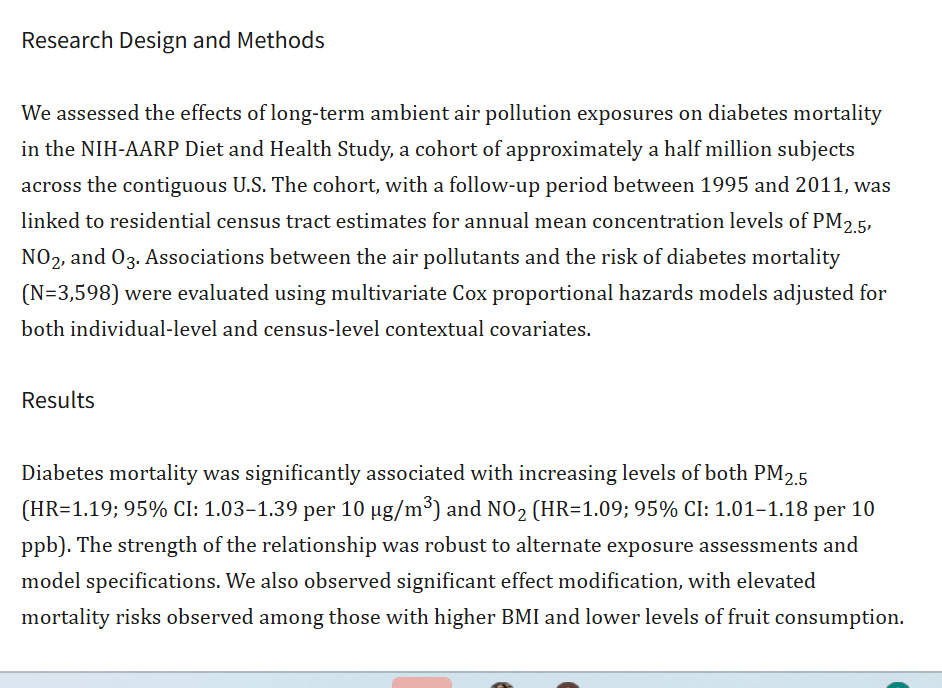
A study in Environmental Health Perspectives found a direct association between long-term air pollution exposure and increased Type 2 Diabetes prevalence in urban populations.
Rotating environmental exposures strategically enhances metabolic control.
Simple actions:
- Get 10 to 20 minutes of natural morning light on your skin and eyes.
- On days when air quality allows, open windows and let fresh air circulate; add plants where possible.
- Set a ‘digital wind-down’ routine’ at home: softer lights and fewer screens after a chosen evening time.

Source: Lim, C. C., Hayes, R. B., Ahn, J., Shao, Y., Silverman, D. T., Jones, R. R., Garcia, C., & Thurston, G. D. (2018). Association between long-term exposure to ambient air pollution and diabetes mortality in the US. Environmental Research, 165, 330. https://doi.org/10.1016/j.envres.2018.04.011
- Spirit and Breathwork
Connection and calm have measurable effects on biological regulation. Feeling rooted in your values, purpose, or faith makes it easier to stay consistent with the habits that serve your health.
- Breathing practices like box breathing stimulate the vagus nerve and activate parasympathetic pathways that reduce cortisol and support digestion.
- Short, mindful breathing sessions improve heart rate variability (HRV), a marker for better metabolic flexibility.
- A sense of internal alignment strengthens consistency, making daily actions sustainable rather than sporadic.
Simple actions:
- Practice one minute of box breathing or 4-7-8 breathing two or three times a day.
- Pair breath with existing habits: before meals, before opening social media, before sleep.
- Keep one daily grounding ritual non-negotiable: journaling, quiet prayer, gratitude, or simply sitting in silence.
- Do one small act of service or generosity each day, helping someone, listening without interrupting, or sharing what you know, to shift the focus from stress to contribution.
Ready to take control of your health and support your Type 2 diabetes journey?
👉 Explore our Wellness Program for personalised guidance on your health.
Case Insights: What We See in Our Practice
We had a 40-year-old entrepreneur come to us recently — no family history of diabetes, no warning signs. Just one routine blood test later, his HbA1c came back at 9.8. Understandably, he was shaken.
But when we looked deeper, the picture was clear: high work stress, skipped meals or late-night eating, minimal movement, poor sleep, and a nervous system stuck in survival mode.
Once we brought in the foundational medicine approach: consistent sleep, better food combinations, 15-minute walks after meals, and tools to calm his stress response. His body did what it was designed to do. It started healing.
Within six months, he lost 6 kg, brought his HbA1c down to 6.5, and finally felt like he was working with his body, not against it.
That’s the power of fixing what’s underneath. It wasn’t a new diet. It wasn’t a new pill. It was returning to the basics and giving his body the environment it needed to reset.
🔗 Read his full story here — it’s a reminder that when the foundations are right, the body remembers how to get better.
Healing from the Inside-Out Actually Means
When we talk about healing the internal environment, we’re referring to this:
- Lowering inflammation so the body stops fighting itself
- Improving insulin sensitivity so your cells can finally absorb glucose
- Regulating cortisol and stress response so the nervous system isn’t always in panic mode
- Restoring digestive and liver function so detox and nutrient absorption work again
- Balancing hormones like insulin, leptin, and GLP-1 so your hunger and energy stabilise
You don’t have to force the body into submission. You support it, and it begins to repair on its own.
That’s the real shift; when lifestyle stops feeling like punishment and starts working with you.
Before You Change Anything: Non-Negotiables for Type 2 Diabetes
Wondering, “Where do I begin?”
Here are three aspects you can apply the Foundational Medicine approach to your journey to better health and condition management.
Before you adjust your food, movement, or routines, anchor the basics that protect you:
- Stay consistent with medication: Take your prescribed tablets or insulin exactly as advised. Do not change or stop them because your sugars look “better” for a few days.
- Know your numbers: Be aware of your latest HbA1c, fasting and post-meal blood sugar, blood pressure, and lipid profile. These are not just lab values; they are feedback on how your system is coping.
- Monitor regularly: Use a glucometer or CGMS (if prescribed) the way your doctor recommends. Note patterns around meals, stress, sleep, and movement rather than obsessing over single readings.
- Protect your feet and skin: Check your feet daily for cuts, cracks, blisters, or colour changes. Report any non-healing wound, redness, or infection to your doctor immediately.
- Do your routine check-ups: Keep up with eye exams, kidney function tests, and nerve/foot assessments as advised. These pick up complications early, when they are easiest to manage.
- Have a plan for lows and highs: Know the symptoms of low and high blood sugar, and have a clear action plan from your doctor for both. Share this plan with a family member or caregiver.
Foundational Medicine builds on these basics. It does not replace them.
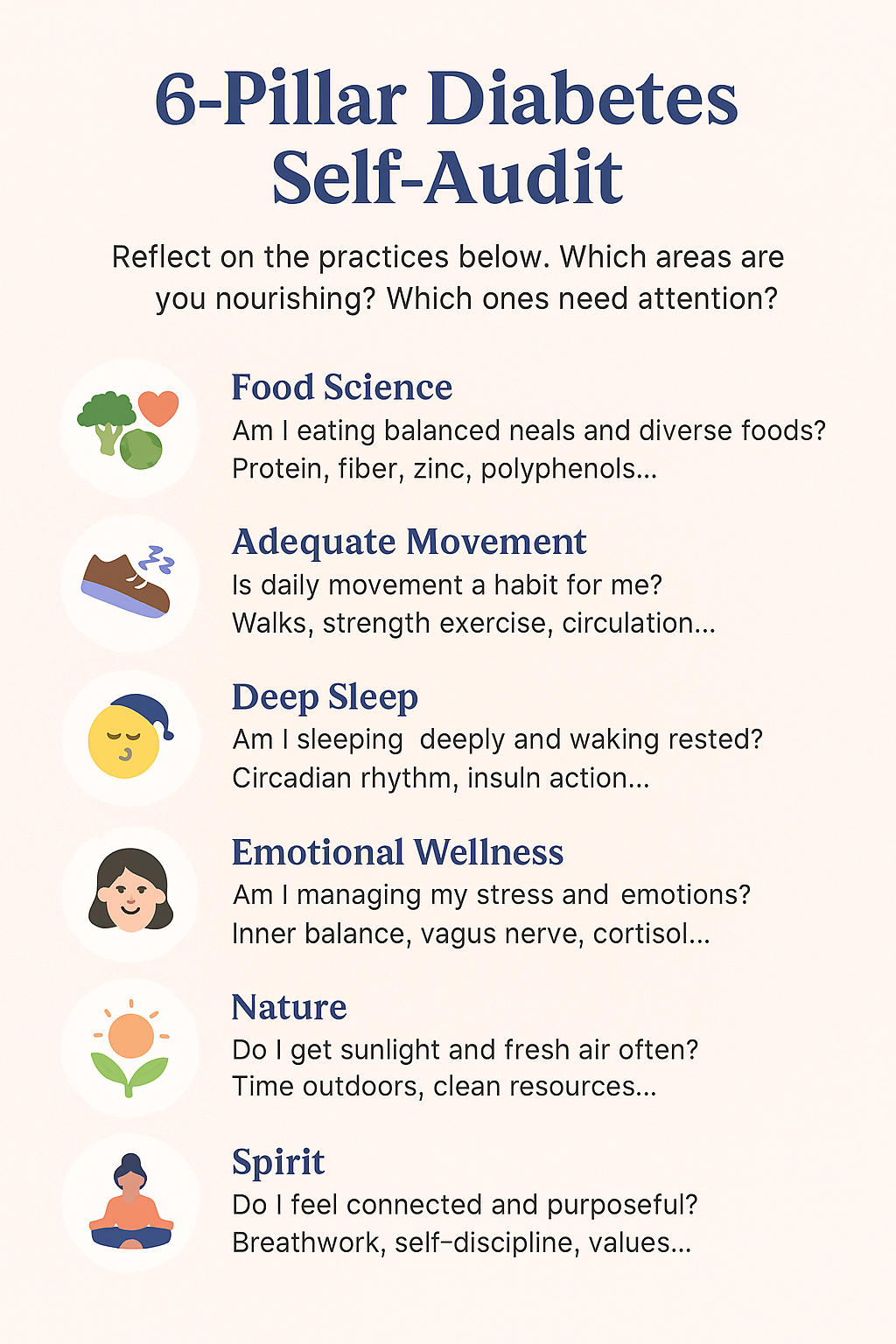
The 6-Pillar Self-Check for Diabetes Care
A 6-Step Guide to Putting Foundational Medicine Into Your Day
You don’t need to fix everything at once. Start with simple, repeatable moves that touch all six pillars:
- Choose One Meal: Order Your Plate for Better Blood Sugar
A simple way to support blood sugar and satiety is to eat in a specific sequence, not just focus on what is on the plate.
- Step 1: Start with vegetables/fiber
Begin your meal with raw or cooked vegetables and salads. The fibre slows overall digestion and the absorption of glucose from the rest of the meal. - Step 2: Move to proteins and healthy fats
Next, eat your protein and fat sources such as hormone-free chicken, fish, free-range eggs, lentils, A2 paneer, nuts, or A2 ghee. This keeps you fuller for longer and steadies energy. - Step 3: Finish with carbohydrates
End with starches like rice, roti, bread, potatoes, or millets. Eating carbs last helps blunt sharp blood sugar spikes and can reduce cravings after the meal.
Disclaimer: This is a general framework, not a one-size-fits-all prescription. Always consult your doctor or a qualified nutrition expert before changing your meal structure, especially if you have diabetes, gut issues, kidney or liver conditions, or are on medication. Use common sense and personalise your plate based on your body’s needs, medical reports, cultural food habits, and what feels sustainable for you.
- Walk after two meals.
Add a 10–15 minute walk after lunch and/or dinner. This alone can level post-meal spikes and improve insulin sensitivity over time. - Set a fixed sleep window.
Pick a realistic sleep schedule (for example, 11 pm to 6 am) and aim to respect it at least 5 nights a week. No perfection, just consistency. - Do one nervous-system reset daily.
Choose one practice: journaling, 5 minutes of breathwork, or quiet sitting without screens. Use it once a day to help your body switch from ‘fight or flight to ‘rest and repair.’ - Get morning light.
Spend 10 to 20 minutes in natural morning light, on your balcony, terrace, or near a window. This small habit supports circadian rhythm, sleep quality, and glucose regulation. - Anchor yourself in something bigger.
Once a day, do one small act that brings you back to yourself:
- A short prayer or gratitude note
- Helping someone without expecting anything back
- Write one line about how you want to show up today
This is how consistency becomes easier; it comes from alignment, not willpower alone.
Start with two or three of these steps. As they become natural, layer the next ones in. That is Foundational Medicine in real life.
Questions You Can Ask Your Doctor
Part of following Foundational Medicine and lifestyle practices also involves taking control of your health. This means developing the ability to ask the right questions to your healthcare provider for a clearer picture of your treatment. To make your journey truly personalised, you can carry questions like these into your next appointment:
|
These questions do two things: they help your doctor understand your real life, and they help you understand your treatment instead of just following it.
Final Word: When You Change the Ecosystem, Everything Begins to Work Better
Diabetes may show up on a blood report, but it begins much earlier — in the small imbalances we ignore. Sleep that gets delayed. Stress that becomes normal. Food that fills us but doesn’t nourish. Movement that’s always postponed. Over time, these daily patterns shape an internal environment where dysfunction starts to thrive.
Foundational Medicine reminds us that managing sugar is just one part of the story. What truly changes outcomes is restoring the ecosystem within — the rhythm between your food, sleep, breath, movement, emotions, and purpose.
And the good news? You don’t have to fix it all at once. Most of our clients begin with one small, doable action — walking after meals, sleeping on time, protein for breakfast, journaling before bed.
That’s how recovery becomes real. Not through shortcuts or restrictions, but through small, consistent changes that support your biology and your life.
Start with what you can. Let your body meet you halfway. And if you need a hand, we’re right here to guide you — with experience, compassion, and care that works.
Ready to Take Charge of Your Health?
Start with awareness, not fear. Whether you’re navigating blood sugar issues, insulin resistance, or medications like Ozempic, our team is here to guide you with lifestyle tools rooted in Foundational Medicine.
Build a sustainable foundation through food, sleep, movement, emotional balance, and expert support.
Start your journey with our Wellness Program that builds the foundation your body needs.
Need personalized help to achieve your wellness goals?
Book a one-on-one consultation with Team Luke to create a plan tailored to your unique journey.
📞 Call us at 1800 102 0253
📧 Or write to us at consults@lukecoutinho.com
Disclaimer
This blog is for educational purposes only and should not be taken as medical advice. Always consult your doctor before starting, changing, or discontinuing any medication, supplement, or exercise routine. The information shared here is meant to support—not replace—professional medical guidance.

Start Your Wellness Journey
Feeling inspired to take the next step in your wellness journey? Connect with us to explore how our tailored programs can support your health journey. Your transformation is just a conversation away.